
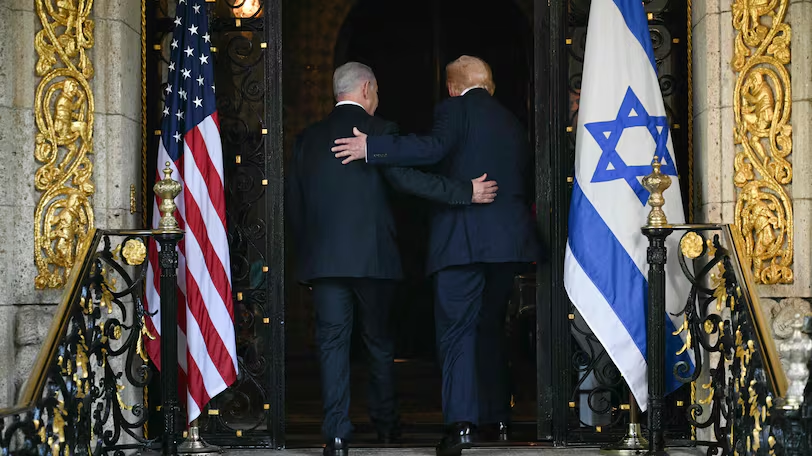
The article argues that elections in the US and Israel intensify ongoing wars, as Trump and Netanyahu prioritize voter and domestic coalition pressures over ceasefires, regional stability, and diplomatic restraint.
Wartime Elections Distort Democratic Peace Claims
While proponents assert that the spread of democracy is essential to securing peace, two allied democracies – the US and Israel – are engaged in wars that are actually being exacerbated by the fact that both countries are in the midst of elections.
From the beginning, in the American mind, democracy has been seen as more than just a form of governance. Both liberals and conservatives have idealised and elevated the idea of democracy into the equivalent of religious doctrine, making exaggerated claims about the benefits that accrue to societies that are democratic. We have been told that democratically elected governments can claim to be more tolerant, more respectful of minority rights, more accountable for their actions, and less likely to start wars. Given this mindset, several past US administrations have made the spread of democracy a foreign policy priority, arguing audaciously that it was essential for world peace.
Contradictions Between Ideals and Behavior
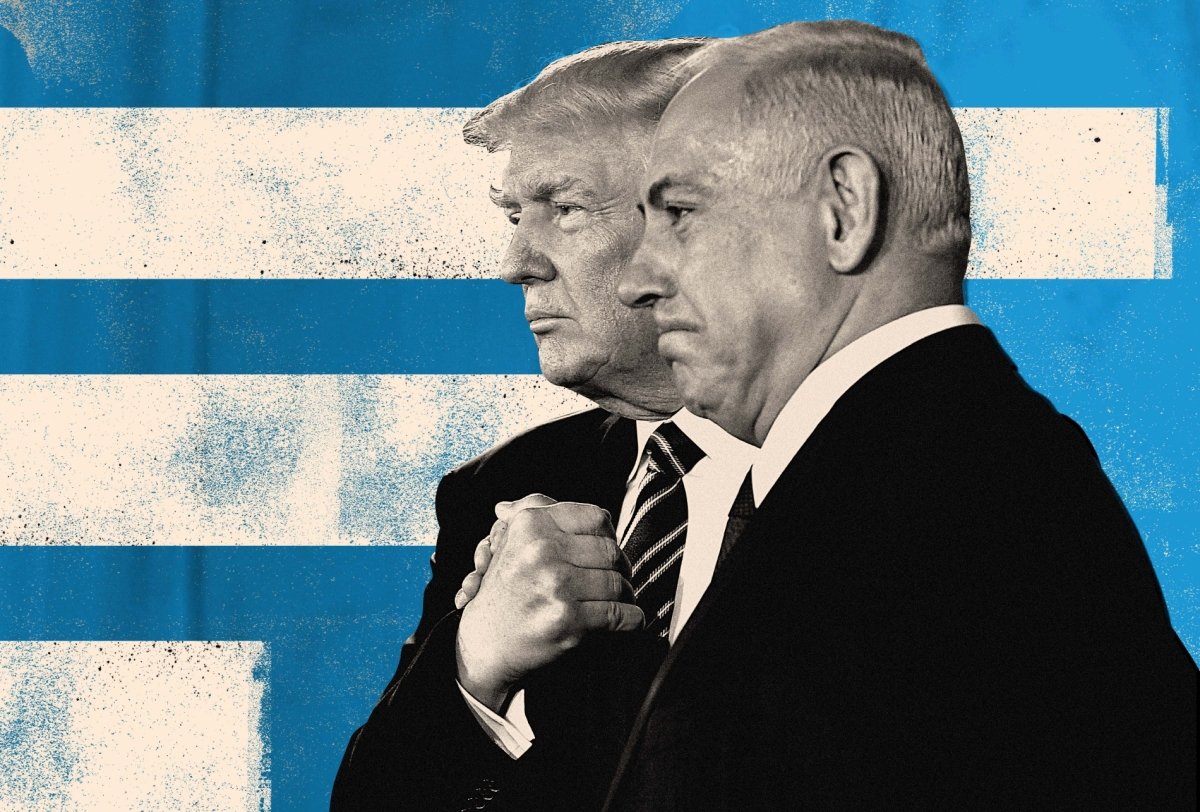
While the US and some of its allies flaunt these attributes, boasting that their democracies place them above societies with other forms of governance, in reality, their claims of purity and adherence to ideals do not hold up to scrutiny. The glaring contradiction between the values that the US and other democracies espouse, and their actual behaviours, have been clear since America’s founding. After all, the American experiment with democracy was built on the backs of slave labour and the genocide of native Americans.
And more recently, when the George W Bush administration launched its campaign to promote democracies worldwide, it did so while blundering through a devastating “war of choice” in Iraq and torturing prisoners in “black sites” they had suborned other countries to make available to US interrogators. Much the same can be said of Israel, which Americans tout as “our closest ally” and the “only democracy in the Middle East”.
Like the US, Israel claims that its democracy elevates it above its neighbours, making its actions more just and its behaviour more moral. And like true believers in any ideology, when it is pointed out that reality doesn’t agree with their claims, they deny it and criticise whoever has pointed out the disconnect.
The fact that democracies hold elections provides them with yet another reason to boast. However, as the rest of the world sees playing out in both Israel and the US, instead of providing a cleansing moment, elections are often used by contesting parties to justify bad behaviours and exacerbate social tensions.
US President Donald Trump, for example, needs a way out of his no-win war with Iran, especially because of its negative impact on the economy and consumers, and the insecurity and instability it’s fomenting in the Gulf. But he is loath to look weak by ending the war without some claim of victory, because of the negative impact that might have on his legacy and his hold over his base voters – whom he needs to turn out in November to deliver a victory for the governing Republican Party. And so, he continues his bellicose language and threats towards Iran.
Netanyahu Trapped by Coalition Partners
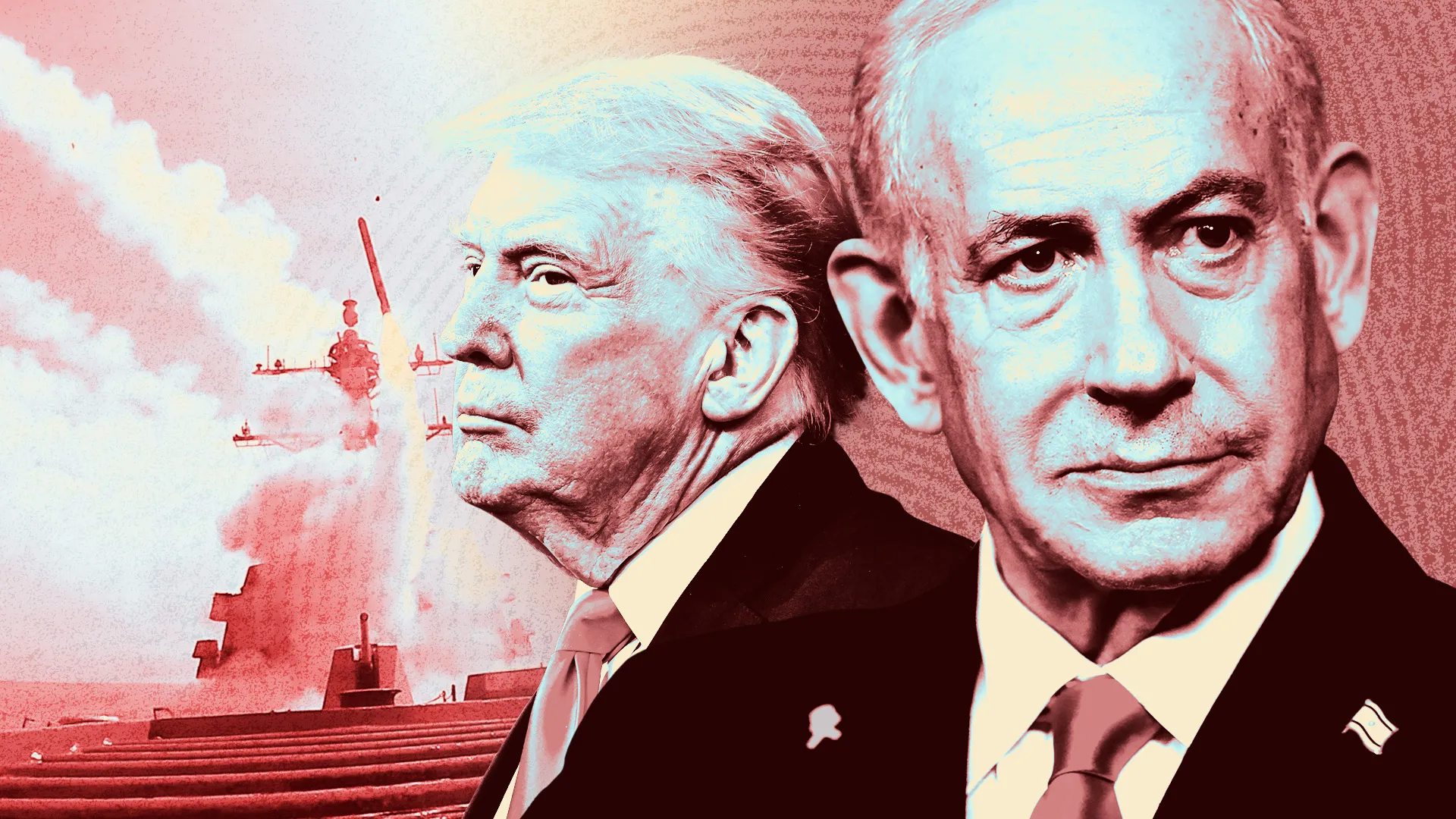
Israeli Prime Minister Benjamin Netanyahu may have assumed that he could manage a governing coalition of parties even more extreme than his own. But his partners have used their positions to aggravate tensions with Palestinians in both Israel and the occupied lands.
And when Mr Netanyahu felt compelled to sign on to ceasefires that were supposed to stop the bombing in Gaza and Lebanon, his agreement proved hollow. In the face of criticism from his opponents and even his coalition partners that he was compromising Israel’s security by not “finishing the job”, his government has continued to violate both ceasefires with impunity, while doing nothing to rein in the widespread violence in the West Bank being fomented by his political allies. He feels he must do this because he cannot afford to lose any of his governing partners, or he’ll be out of office.
Wartime Elections Promote Warlike Behavior
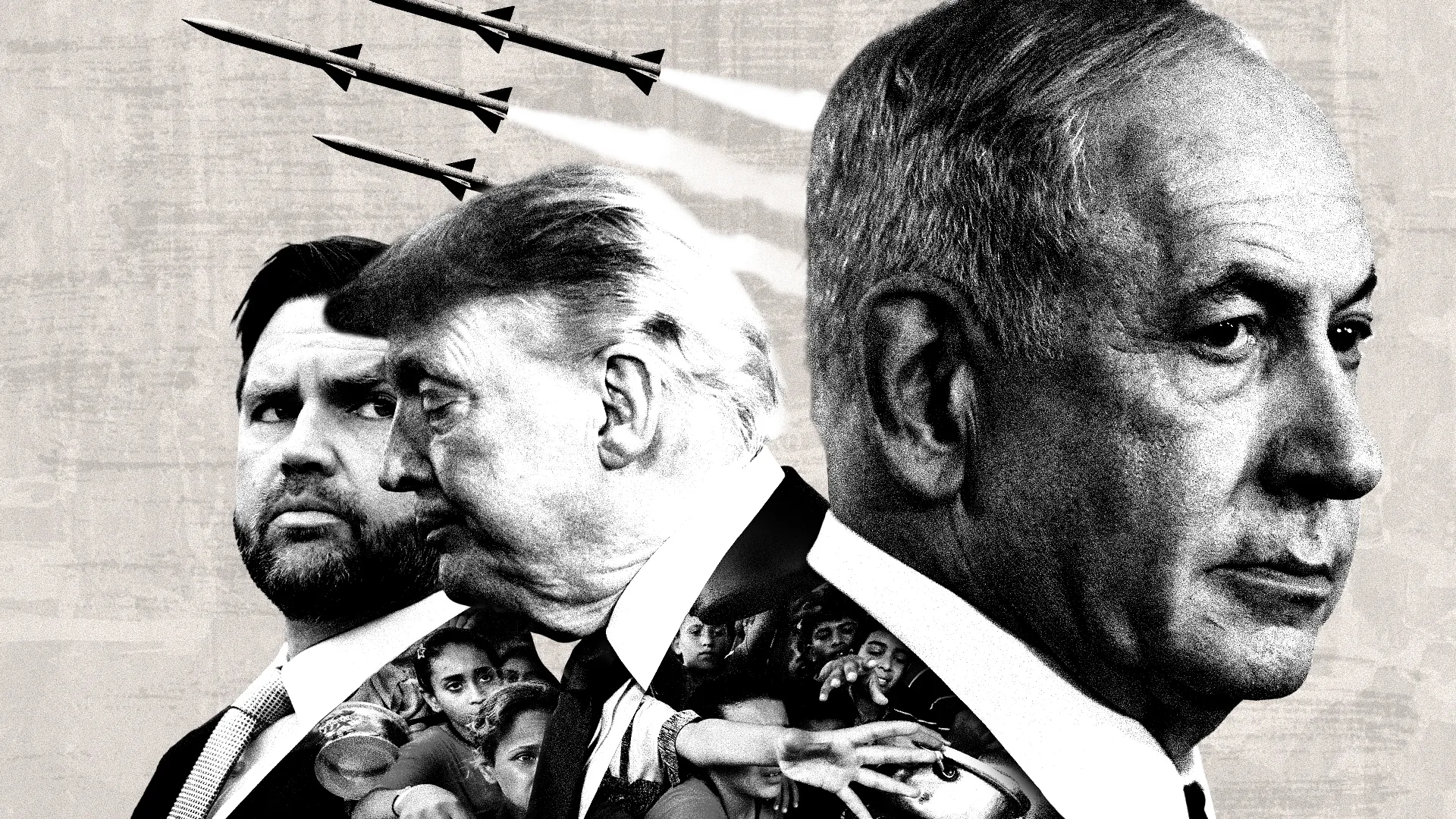
The bottom line is that in both instances, instead of implementing the values claimed to be the attributes of democracy, in practice these elections do the opposite. Political discourse becomes coarser and more divisive, social tensions are aggravated and warlike behaviours are promoted.
Especially troubling is that while reporters and commentators know that the words and actions of both Mr Netanyahu and Mr Trump are directed more at appeasing their constituents than they are at the realities in Palestine, Lebanon or Iran, too often they sin by omission and treat the political posturing as if it were real. For example, instead of being honest and treating Mr Netanyahu’s claims that villages in southern Lebanon need to be demolished to fend off his opponents’ accusations of weakness, they report it as if levelling whole Lebanese villages is needed for Israel’s security.
This is what has become of two of the world’s allied democracies, as they cultivate and then prey on the worst instincts of voters, instead of providing solutions and challenging voters to make better choices.