
Fuel shortages, a collapsing rial, and inflation near 88 percent are worsening Iran’s domestic strain. Washington sees the crisis as an opening, while Tehran braces for unrest and weighs defection risks.
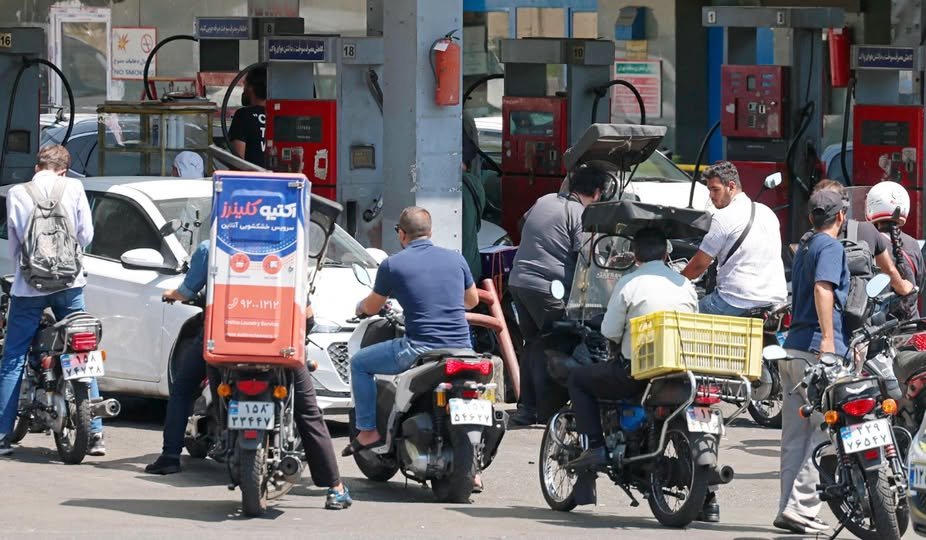
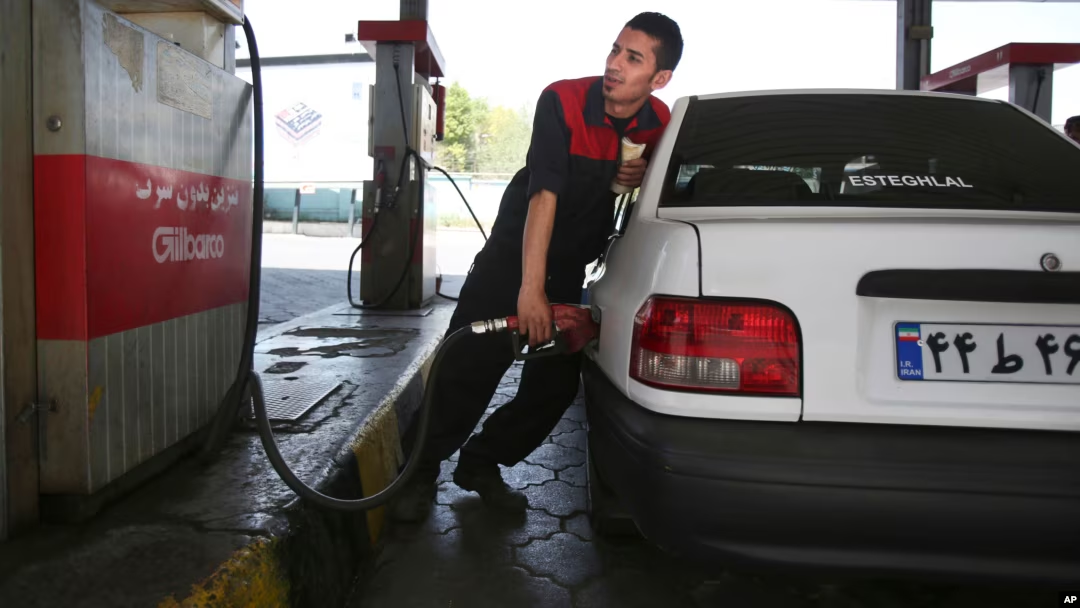
The blockade of Iranian ports has not toppled the Islamic Republic, but it has compressed its economy into a state of permanent emergency. Fuel shortages now define daily life, with motorists queueing for hours only to find stations drained and vehicles damaged by adulterated gasoline.
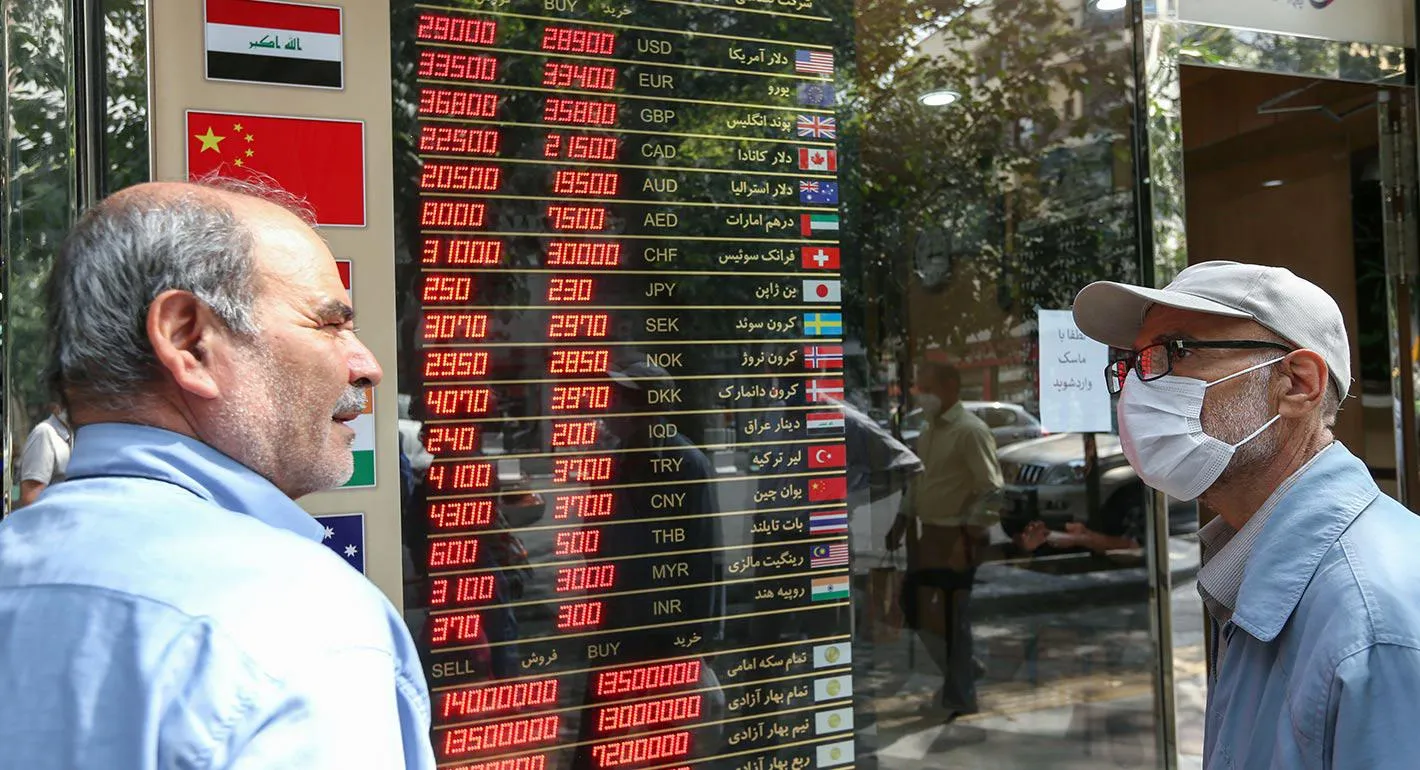
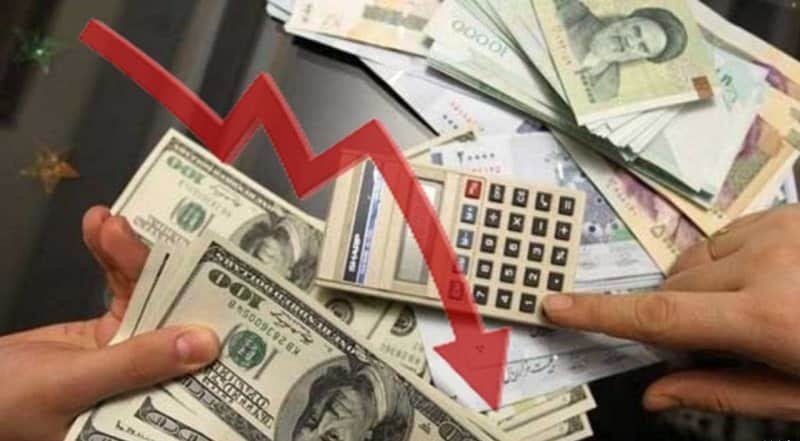
The rial has collapsed past two million per dollar, point-to-point inflation approaches 88 percent, and official voices concede that most households cannot afford basic goods. This Iran Economic Crisis is not merely a consequence of external pressure; it is the product of structural mismanagement, subsidy distortions, and a political system that treats economic strain as a security threat.
Washington has avoided a rushed confrontation, allowing scarcity and discontent to accumulate. Yet pressure alone will not force Tehran to capitulate. The regime believes it can withstand hardship as long as the United States appears unwilling to convert economic pain into an existential challenge. What changes the calculus is American readiness to exploit unrest, encourage defections, and signal that the current stalemate is not a permanent condition. The Iran Economic Crisis has therefore become both a domestic vulnerability and a strategic test of American patience.
Why the Iran Economic Crisis Escalates
Iran’s confinement to a no-war, no-peace limbo may soon produce Washington’s opening.Gas stations across Iran are facing miles-long queues, with people waiting for hours only to find stations closed after running out of fuel. Motorists report engine problems after refueling and suspect that authorities are adding water and excessive methanol to stretch scarce supplies. This chapter is part of a larger reckoning, with the rial, Iran’s national currency, at over 2 million per dollar, point-to-point inflation near 88 percent, and regime media conceding that most families cannot afford basic goods.
Washington Lets Pressure Build Slowly
President Donald Trump’s reactive Iran policy is working as intended by letting pressure build rather than forcing the next confrontation or rushing a deal. Mounting domestic strain alone will not secure the upper hand, however. The regime believes it can absorb economic pressure if the United States shows no intention of turning it into an existential threat. Tehran instead must see Washington as prepared to capitalize on that pressure by supporting protests and encouraging defections when an opportunity emerges.
Existing Fuel Deficit Exacerbated by Mismanagement and Blockade
In April 2025, Iran produced about 32 million gallons of gasoline per day against demand of roughly 32.8 million, while importing another 2.4 million gallons daily. By mid-August 2026, domestic supply had returned to roughly the same level, but average daily consumption had risen to about 35.7 million gallons per day, widening the domestic supply gap from roughly 800,000 to 3.7 million gallons daily. Authorities claim that the naval blockade against Iranian ports has halted gasoline imports and forced a “significant draw” on reserves. The current split between imports and reserve drawdowns in covering the shortage remains unclear.
Iran gives each private vehicle 15.9 gallons of heavily subsidized gasoline per month plus a second discounted quota of 26.4 gallons. Between March and July, authorities reduced the total monthly allotment from 42.3 to 29.1 gallons. The government said on August 17 that further subsidy cuts were inevitable, triggering panic buying. By August 26, Iran’s national daily gasoline distribution had spiked to 40 million gallons per day, while Tehran alone saw a 30 percent increase.
Regime Treats Economic Strain as National Security Threat and Braces for Unrest
The overnight gasoline price hike and rationing in November 2019 triggered what was then an unprecedented nationwide uprising, when security forces killed about 1,500 unarmed protesters under a total internet blackout. That precedent has made Tehran wary of another sudden gasoline price increase.
Since the April ceasefire, civic unrest has grown month by month through scattered demonstrations over public hangings, corruption, pensions, and unpaid wages for laborers, energy-sector workers, and nurses.
Security Forces Prepare for Crackdown
The Islamic Revolutionary Guard Corps Intelligence Organization’s August 27 statement noted that the United States and Israel have shifted from regime change through military strikes to “activating crisis centers,” exploiting “weaknesses, shortages and internal constraints,” and “inciting people to carry dissatisfaction into the streets.” Government spokeswoman Fatemeh Mohajerani claimed officials cannot publish some poverty statistics because of “security considerations,” while Parliament Speaker Mohammad Bagher Ghalibaf warned the Islamic Republic “will not last” if public hardship persists. Police Chief Ahmad-Reza Radan said economic decline could fuel renewed unrest. Leaked audio reveals security forces discussing preparations for fuel-related unrest as authorities preemptively deploy units across cities and prioritize their access to fuel despite shortages.
Iran Economic Crisis Fuels Defection Strategy
If pressure fails to moderate Tehran’s negotiating stance, Washington should have a contingency plan to capitalize on renewed turmoil.
The first step should focus on restoring morale among Iranians still shaken by the January crackdown, in which some 40,000 unarmed protesters were killed, through sustained Persian-language outreach and human-rights sanctions against judges who sentence dissidents to death. Washington should also ensure that urban protest networks have sustained internet access and the means to respond in kind when met with an armed crackdown. It should also develop a defection strategy aimed at security personnel who deserted their posts during previous crackdowns or the recent conflict.