
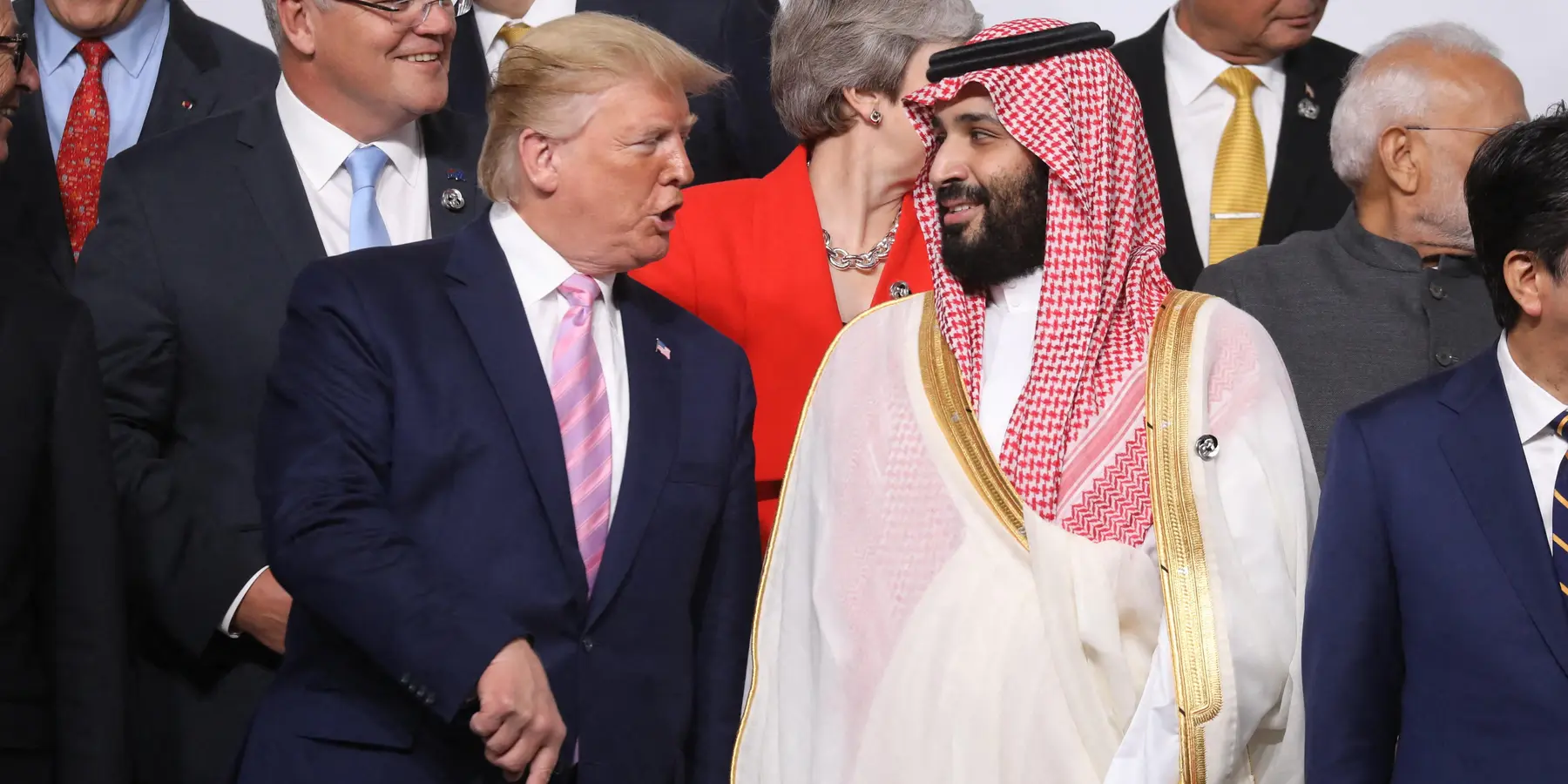
Trump’s nuclear deal with Saudi Arabia grants enrichment access under weaker safeguards. The double standard undermines U.S. credibility with Iran. A previous Iranian offer to pause enrichment is now unlikely to revive.
The diplomatic path between Washington and Tehran has narrowed considerably, and the newly disclosed nuclear agreement with Riyadh now threatens to close it entirely. The Saudi Nuke Agreement introduces a glaring double standard into an already volatile standoff.
Washington has spent more than three decades arguing that uranium enrichment in Iranian hands is intolerable, yet the same administration now offers Saudi Arabia a pathway to 20 percent enrichment under a far weaker inspection regime. The deal rejects the Additional Protocol, the very safeguard Iran was once expected to ratify under the 2015 nuclear accord. Tehran will almost certainly view this as proof that American nuclear policy is driven not by nonproliferation principles but by political alignment.
The Saudi Nuke Agreement therefore undermines the credibility of any future U.S. demand that Iran accept zero enrichment. It also unravels the compromise Iran had signaled willingness to accept before the war: a needs-based arrangement that would have paused enrichment for five to seven years. Absent a credible nuclear bargain, the Memorandum of Understanding cannot be revived, and without that framework, the prospect of renewed war grows. The deal with Riyadh may secure Saudi loyalty, but it makes ending the Iran conflict far harder.
How the MOU Collapsed
A final deal between the United States and Iran is slipping further out of reach. Since the Memorandum of Understanding collapsed in July, the prospects for reviving it have deteriorated by the day. While Tehran publicly demands a return to the MOU, Trump’s current position is that even if Iran reopened the Strait of Hormuz, he would neither return to the agreement nor lift the blockade on Iran. And even in the unlikely event that he did, the MOU could not come back into force as long as Israel continues to bombard Lebanon. Iran is unlikely to accept an MOU minus Lebanon: its demand for a regional ceasefire is non-negotiable.
What the Saudi Deal Actually Grants
But even if these obstacles were resolved, profound differences over the nuclear issue would remain. And those differences have now grown dramatically more severe because of Trump’s nuclear agreement with Saudi Arabia. The details of the deal were just made public, and Kelsey Davenport at the Arms Control Association has published an excellent FAQ addressing its most important aspects.
The bottom line is: Trump is granting Saudi Arabia access to the same uranium-enrichment technology the United States has sought to deny Iran for more than three decades, while imposing a far weaker inspection regime on Saudi nuclear activities. In effect, Washington is providing Riyadh a pathway to the bomb while insisting that Iran have no enrichment capability whatsoever—the infamous zero-enrichment objective.
A Weaker Inspection Regime Emerges
As ACA writes,
“the Trump administration rejected key nonproliferation conditions for U.S. nuclear cooperation that have long-standing bipartisan support and are internationally recognized best practices.
Most critically, the deal does not require Saudi Arabia to adhere to the more intrusive International Atomic Energy Agency (IAEA) safeguards agreement, known as the Additional Protocol.”
As a point of comparison, Iran began voluntarily implementing the Additional Protocol (AP) under Obama’s nuclear deal in 2016 and was expected to ratify it once the United States formally lifted sanctions through Congress. That never happened, however, because Trump withdrew from the agreement in May 2018.
Saudi Nuke Agreement Exposes Double Standard
Moreover, Trump’s agreement with Saudi Arabia gives the kingdom a pathway to develop a uranium-enrichment program reaching 20 percent. Again, the comparison with Iran is revealing. When Iran expanded its enrichment to 20 percent in 2010 to produce fuel for the Tehran Research Reactor—which, ironically, the United States had given Iran in the late 1960s as part of the Atoms for Peace program—Washington pointed to the move as further evidence of Iran’s alleged nuclear weapons ambitions.
State Department spokesperson Philip Crowley said on February 11, 2010, that Iran’s decision to begin enriching to 20 percent “further solidifies … our impression and that of the international community that Iran’s nuclear intentions are anything but peaceful.” At the UN Security Council, then-Ambassador Susan Rice argued that Iran’s decision moved it “closer to weapons-grade material,” as she made the case for new UN sanctions against Tehran.
Now, Trump wants Congress to approve a deal with Saudi Arabia that gives the kingdom access to precisely that technology—but with far fewer inspections—while bombing Iran to prevent it from having any enrichment at all.
The double standard could hardly be more stark: enrichment is intolerable in Iranian hands, yet acceptable— in fact, even worth giving to Riyadh — when in Saudi hands.
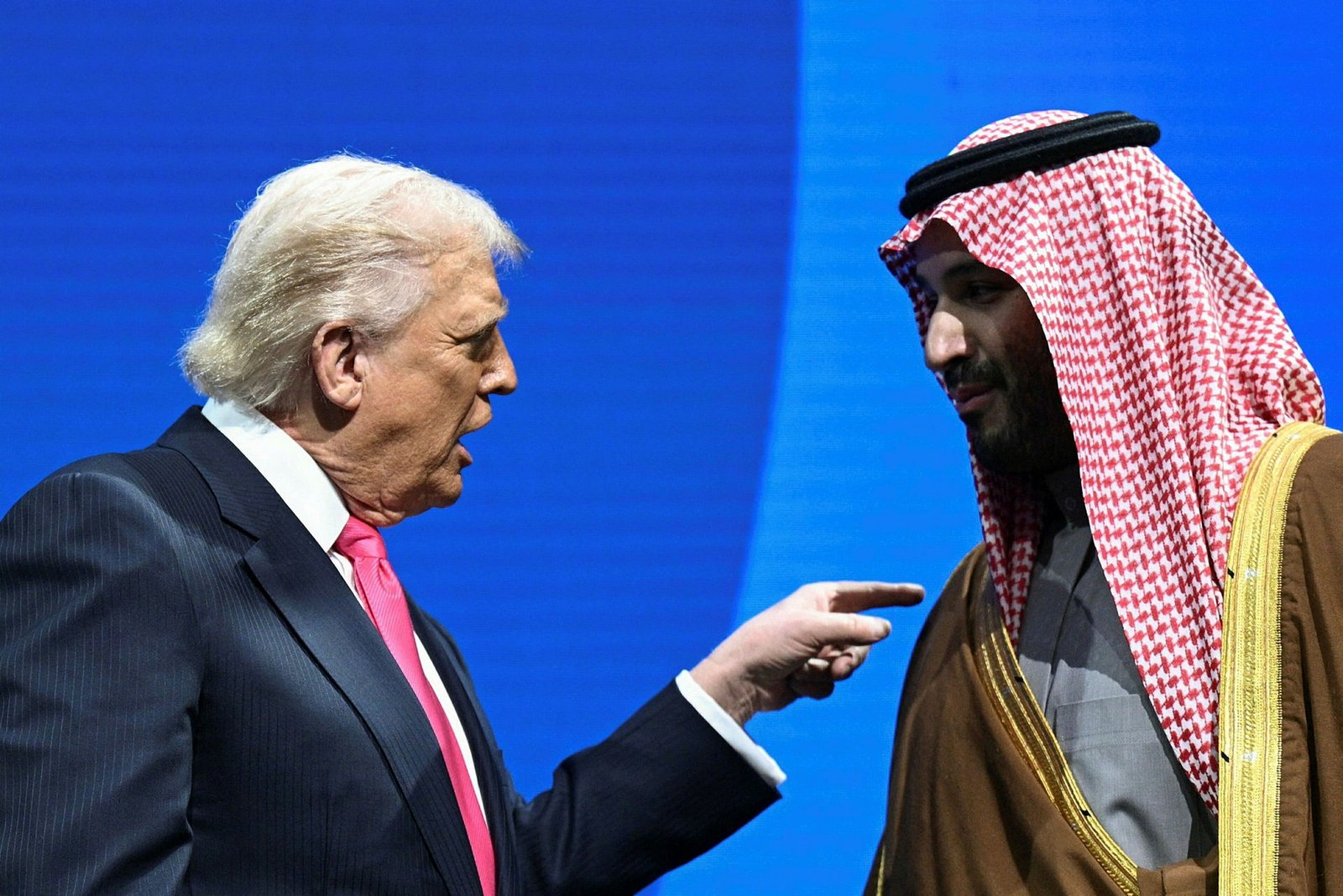
Tehran’s Previous Concessions Are Undone
This will undoubtedly complicate matters with Tehran. Will Iran still agree to some of the terms discussed before the war and in the run-up to the MOU?
According to Oman’s Foreign Minister, who mediated the draft agreement in February 2026 that Trump rejected in favor of war, Iran had agreed to a needs-based enrichment arrangement that, in practice, would have created a five-to-seven-year pause in enrichment — well beyond Trump’s term in office. In later discussions, Iran hinted that it was open to extending it for another three to five years.
It is very important to understand that if the conflicts over the Strait and Lebanon are resolved and a genuine opportunity to revive the MOU emerges, these understandings will nevertheless unravel unless a nuclear agreement is reached at the end of the MOU’s 60-day period.
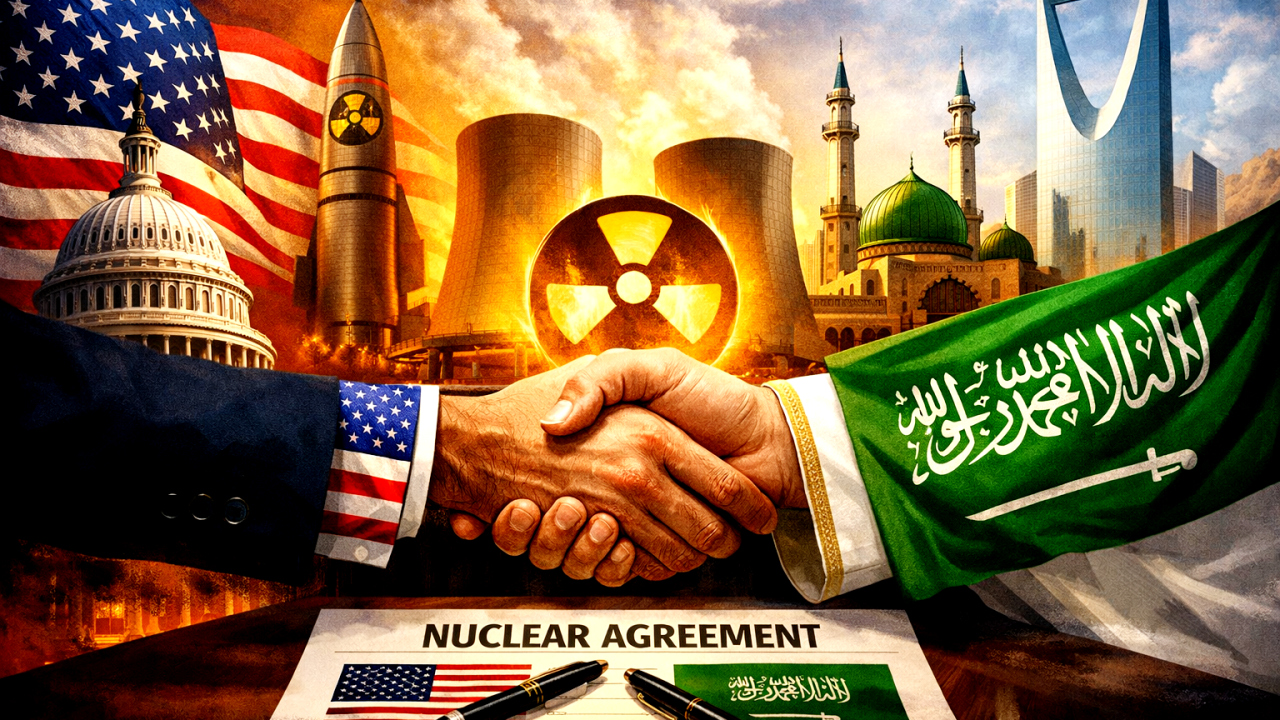
Saudi Nuke Agreement Blocks War’s End
And that nuclear agreement looks all the more difficult to achieve given the blatant discrepancy between what the US demands of Iran and what it gifts Saudi Arabia. And if there is no nuclear deal at the end of the MOU, war will likely erupt again.As such, Trump’s controversial Saudi deal may just have made an end to the war with Iran more unlikely.