
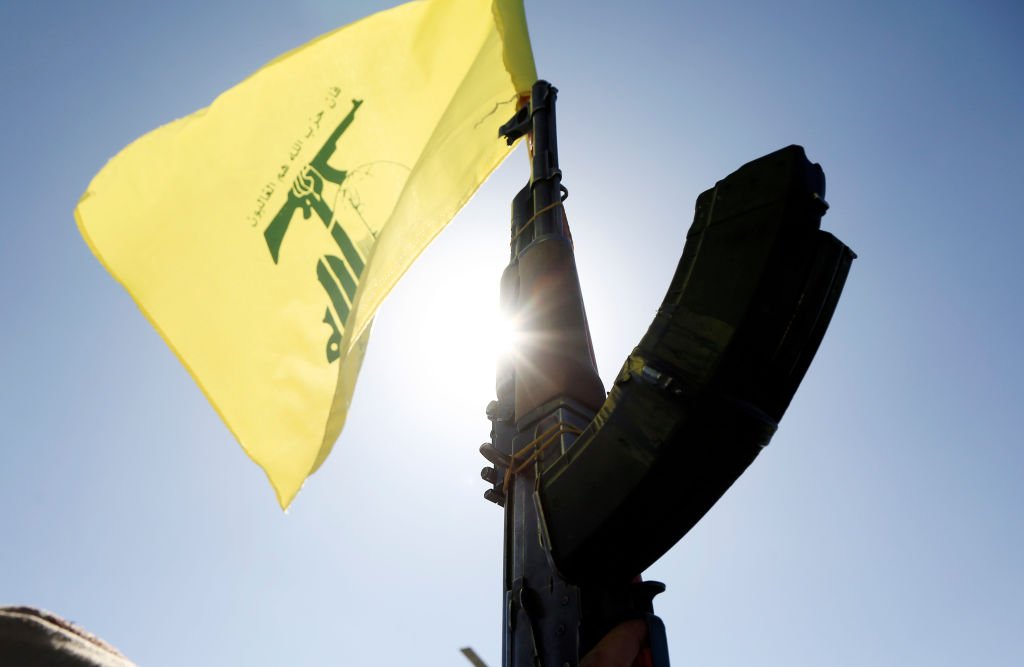
Hezbollah’s military defeat has left Lebanon’s state powerless but intact, exposing Tehran’s strategic collapse, Assad’s fall, and a militia that blames its own government rather than accept responsibility for the ruin it invited.
The strategic catastrophe that engulfed Hezbollah between September 2024 and the present has produced a political vacuum in Lebanon that no amount of militia rhetoric can fill. What if the group’s handpicked allies had captured the presidency and premiership in late 2024? A pro-Hezbollah executive would have been as powerless as the current leadership to halt Israel’s systematic dismantling of Iran’s most prized proxy.
The Hezbollah defeat was never a matter of parliamentary arithmetic; it reflected a raw material superiority that no cabinet in Beirut could offset. Washington and Jerusalem possess military, economic, diplomatic, and technological dominance that Tehran and its allies cannot match, let alone reverse.
The group’s answer has been deflection rather than accountability: a coordinated campaign against the Lebanese state it spent decades weakening, redirecting partisan anger toward President Aoun, Prime Minister Salam, and anyone advocating peace. Meanwhile, the regional landscape has shifted irreversibly. Assad’s regime is gone, Iran is economically crippled, Hezbollah’s arsenal is largely destroyed, and no financial rescue is coming. The Shia community’s own interest now lies in holding the architects of its misery accountable. Admitting the Hezbollah defeat and changing course are the hallmarks of great nations, as Germany and Japan demonstrated after 1945.
What If Hezbollah Had Won
Let us, for a moment, entertain a thought experiment. What if Hezbollah had gotten its political way? Imagine that in late 2024, after Hezbollah’s resounding military defeat, Lebanon’s Parliament had elected the militia’s handpicked ally, Suleiman Franjieh, as president and renewed Najib Mikati’s term as prime minister. What then?
No doubt, the president’s oath and subsequent government platform would have dutifully echoed the tired, hollow formula of unity among “the people, army, and resistance.” But what beyond the rhetoric? How exactly would a Hezbollah-approved executive branch have tried to stop Israel from systematically dismantling Iran’s most prized proxy?
Lebanon would have refused to negotiate directly with Israel, instead insisting that it be included in the Islamabad channel between Iran and the U.S. Beirut would have declared Hezbollah’s arms a domestic issue to be discussed “within the framework of a national defense strategy,” codeword for never. Great. Then what?
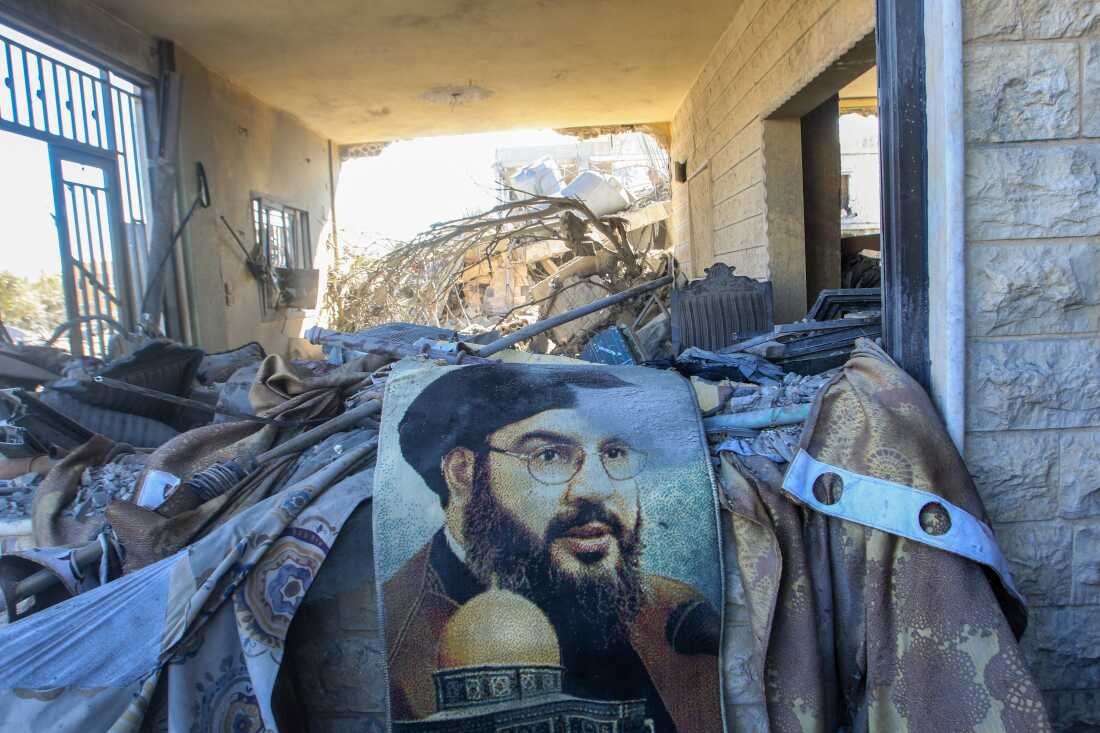
Hezbollah Defeat Ends the Fantasy
The uncomfortable truth is that a pro-Hezbollah president and cabinet would not have changed a single thing on the ground. Like the current leadership of President Joseph Aoun and Prime Minister Nawaf Salam, a Franjieh-Mikati government would have been reduced to powerless bystanders. They would have sat in their palaces, watching as Israel inflicted catastrophic, irreversible losses on Hezbollah and imposed absolute military dominance over southern Lebanon.
The hard, inescapable fact of today’s geopolitics is that the U.S. and Israel are simply too strong—militarily, economically, diplomatically and technologically—for Iran and Hezbollah. They have the power to impose their will on the Axis of Resistance, leaving Tehran and its proxies with little ability to reverse their strategic calamity.
Tehran cannot stop Washington from striking targets inside Iran, let alone stop Jerusalem from militarily disarming Hezbollah in Lebanon.
Iran Cannot Rescue Its Proxy
Don’t take my word for it. Examine Israel’s expanding dominance and Hezbollah’s growing weakness from September 2024 to today. Certainly, Hezbollah’s propaganda will tell you a different story. But no displaced Shia still sheltering in a public school turned displacement center believes that Iran and Hezbollah are winning.
Iran and Hezbollah try to pass their losses from one generation to the next, leaving their offspring with destruction, poverty and misery. But that is deflection, not a policy for governing or thriving.
Militia Turns Fire on the State
So how does Hezbollah deal with its clear and unmistakable defeat? Instead of admitting it and accepting responsibility for the catastrophe it invited, the group has launched a coordinated smear campaign against the Lebanese state. Hezbollah bashes the government for failing to protect southerners, attacking the very same state that the militia has spent decades undermining. The group has long claimed that Lebanon was too weak to defend itself because “regular armies cannot fight, only ideological militias can.”
Hezbollah and its propaganda machine are actively redirecting the raw anger of their partisans toward President Aoun, Prime Minister Salam and any Lebanese citizen who advocates peace with Israel.
But even if every single critic or political opponent that Hezbollah vilifies vanished overnight, the militia’s fortunes would not improve. The strategic equation remains unchanged. Hezbollah will either surrender its arms, or southern Lebanon will remain a depopulated, ruined wasteland forever.
It is in the Shia community’s own interest to hold the architects of its misery accountable.
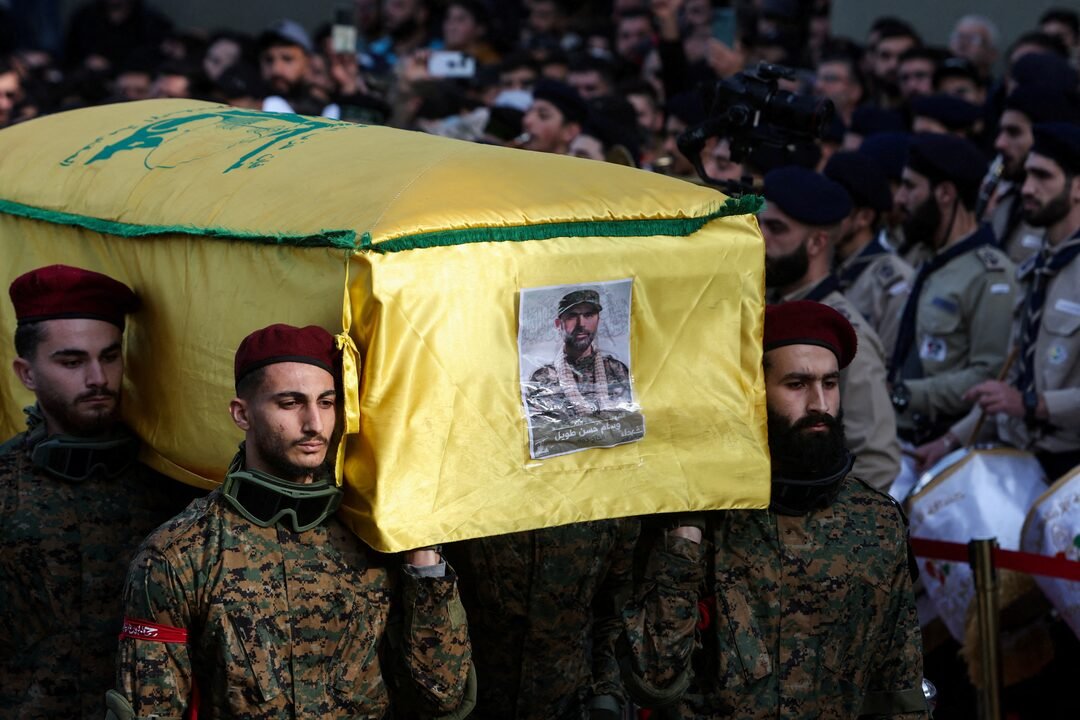
Nasrallah’s Promises Ended in Ruin
At the close of his final speech on September 19, 2024, Hezbollah Secretary General Hassan Nasrallah addressed Israel with his signature bravado. He claimed that Israel would never be able to enter southern Lebanon and establish a security zone, and that if it did, Hezbollah would turn the border area into “an abyss and hell” for the Israeli military.
Eight days later, Israel assassinated Nasrallah. Defeat piled upon defeat for Hezbollah. Just last week, the Israeli military captured the Ali al-Taher ridge and the underground Hezbollah complex beneath it, a key fortress for the militia north of the Litani River.
Everything Nasrallah predicted, promised and swore by has turned out to be false.
In ancient times, communities had the clarity to banish false prophets and their cults when their delusions brought ruin. Yet Lebanon’s Shia community continues to support a shattered command structure, defying the most basic instinct of self-preservation.
The regional landscape has changed permanently. Iran is on its last legs, and a geopolitical comeback is highly improbable. In Damascus, Bashar al-Assad’s regime is gone. Hezbollah is decimated, its vast arsenal almost completely destroyed or confiscated. Both Tehran and Beirut are broke, and there is no financial rescue on the horizon, especially with Washington maintaining maximum economic pressure for at least the next two years.
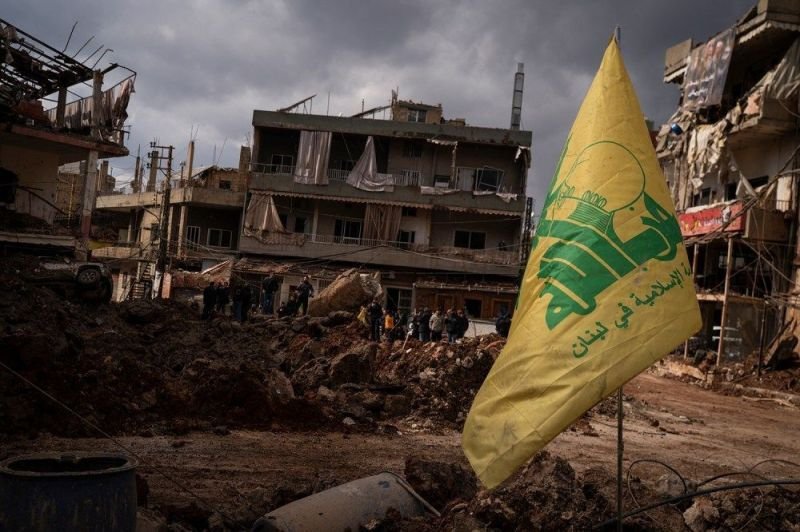
Hezbollah Defeat Demands a Reckoning
What is Hezbollah waiting for? Why does it continue to refuse to accept responsibility and admit defeat? It is time to hand Lebanon over to a new generation, a new philosophy, and a sovereign direction.
Vengeance is the currency of tribes. Admitting defeat, learning from it and radically changing course are the hallmarks of great nations, as the postwar transformations of Germany and Japan proved to the world.