
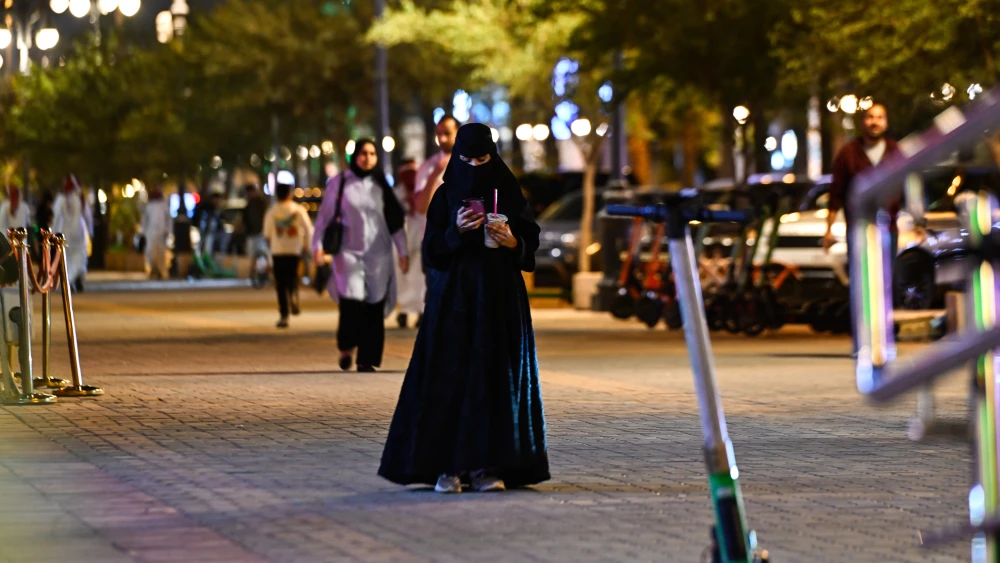
Saudi Arabia raised female labor-force participation from 22.8 percent in 2016 to 33.6 percent in 2025. World Bank scores reveal weak enforcement, low asset and marriage rights, persistent barriers to women’s leadership and economic control.
The Kingdom of Saudi Arabia has undertaken a state-led transformation of women’s public roles that challenges long-standing social assumptions and serves the economic demands of Vision 2030. Legal changes enabling driving, travel, and employment have expanded access, yet Saudi Women Empowerment remains incomplete because access does not guarantee agency, asset control, or leadership authority.
Female labor-force participation climbed from 22.8 percent in 2016 to 33.6 percent in 2025, surpassing official targets, but World Bank indicators reveal weak enforcement, low scores on marriage and assets, and persistent barriers to entrepreneurship and advancement. Women now occupy universities, workplaces, and public positions, yet corporate hierarchies, credit systems, and property rights still limit their economic power.
The next phase must therefore shift from inclusion to decision-making: who owns capital, who sets strategy, and who exercises influence over policy. Without institutional reform that closes the gap between legal rights and lived reality, participation will remain a concession rather than a transformation. Saudi Women Empowerment thus depends on whether women can move beyond access to genuine control over their economic and political futures.
Reforms Reshape Women’s Public Roles
The lives of women in Saudi Arabia have transformed over the past decade as a consequence to the changes unleashed by Crown Prince Mohammed bin Salman’s reform agenda. These reforms have challenged assumptions that Saudis once accepted as immutable. They also recognized an economic reality that an economy seeking to diversify beyond oil cannot afford to leave half its population at the margins of public life.
Saudi Vision 2030, therefore, made women’s participation not only a social objective but also an economic imperative. The removal of restrictions on mobility, employment, and public participation has produced a transformation that, although state-led, is difficult to dismiss as tokenistic. Saudi women have entered universities, workplaces, businesses, and technical professions, and occupy increasingly visible positions in public life.

Saudi Women Empowerment Gains Legal Ground
Legally, Saudi women gained the right to drive in 2018, and Saudi law eased male guardianship-related restrictions in 2019, providing women with mobility and travel rights. Further access to employment expanded, workplace protections improved, and programs like Wusool and Qurrah addressed barriers involving transportation and care. Saudization policies also created stronger incentives for private-sector employers to recruit Saudi nationals, including women.
These policies complemented women’s legal right to work, giving them appropriate skills, infrastructure, and institutional support to exercise those rights. Female labor-force participation rose dramatically, from 22.8 percent in 2016 to 33.6 percent in 2025, exceeding Saudi Vision 2030’s 30 percent target. This demonstrates that in Saudi Arabia, the convergence of political authority, economic necessity, and institutional policy has accelerated socio-economic transformation.
Access Alone Cannot Deliver Agency
Yet, while women’s participation in Saudi Arabia has moved beyond symbolic inclusion, the road to empowerment remains long. The first phase of reform has provided women access, but the next phase must be about agency, economic power, leadership, and decision-making.
This is because a woman can enter the labor market and yet remain economically dependent, be denied a promotion, or even lack the ability to control her own assets. Despite her education and skills, she may never reach a boardroom where she can make strategic decisions. The real measure of empowerment cannot be based solely on how many women work; it must include the fields where they work, how much they earn, what they own, how far they rise, and how much power they exercise.
In the World Bank’s Women, Business and the Law 2026 framework, Saudi Arabia scores 56.2/100 on legal frameworks, 72.0 on supportive frameworks, and 50.7 on enforcement perceptions. Scores are high on equal pay, as well as for parenthood, work, and childcare. Yet marriage and assets remain weaker areas, at 25 each, with mobility scores at 38 and entrepreneurship at 50. This suggests distribution of economic power is still uneven.
Legal reforms are in place, but institutional reform, administrative procedures, and enforcement mechanisms must evolve to produce real impact. Accessible grievance mechanisms, transparent administrative procedures, effective remedies, and institutions capable of ensuring compliance must accompany them. Unless the gap between de jure and de facto rights is bridged, women will be left without real progress towards empowerment.
Female Entrepreneurs Face Scaling Barriers
Saudi Arabia’s emerging female entrepreneurial ecosystem presents an optimistic view. Women are increasingly visible in e-commerce, tourism, technology, consulting, food, and hospitality, due to considerable state-backed financing, training, and entrepreneurship programs. But the next policy challenge is to move women entrepreneurs from small and micro-enterprises into capital-intensive, technology-driven, and scalable businesses. That would require easier access to credit and venture capital, stronger protection of business and property rights, procurement opportunities, mentorship networks, market access, and mechanisms that enable women-owned firms to scale. In a corporate environment that is still largely patriarchal in structure and mindset, women still find themselves sidelined from senior-level decision making.

Labor Market Segments Migrant Women
Further, while nationalization policies have impacted Saudi nationals, including women, positively, the nation’s labor market remains segmented. Therefore, the benefits that favor the national labor market do not automatically extend to migrant women, who largely remain concentrated in lower-paid service sectors, domestic work, health, and childcare-related occupations. A transformative labor-market policy cannot stop at the citizen/noncitizen divide; it also must address the conditions under which the wider female workforce operates, including wages, workplace protections, mobility, and access to legal remedies.
Saudi Women Empowerment Meets Glass Ceiling
Education presents yet another paradox. Saudi women are educated, with strong representation in higher education and substantial participation in science, technology, engineering, medicine, business, and law. Yet educational attainment does not automatically translate into employment and higher earnings, nor ensure progression to leadership at the corporate helm. Therefore, to break the glass ceiling, the next phase of reforms in Saudi Arabia must change the structures of progression.
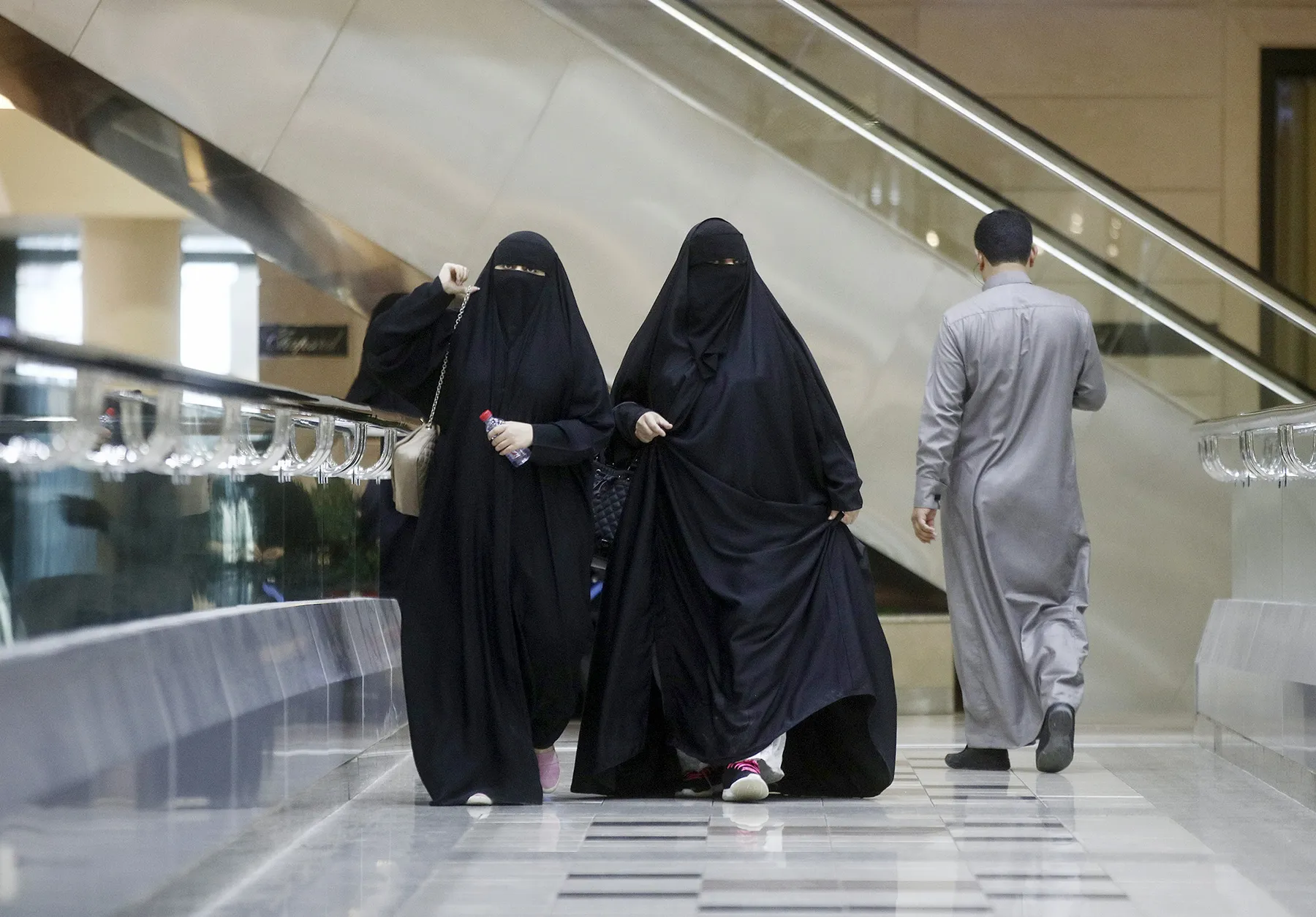
Can Women Own, Lead, and Decide?
The right to drive became the most powerful symbol of a broader transformation for Saudi women, because mobility represents autonomy, access to employment, and participation in public life. But that threshold has long been crossed. Young Saudi women in universities, workplaces, and businesses today have expectations different from those of their mothers and grandmothers. They are digitally connected, professionally ambitious, and exposed to global educational and workplace norms. To them, access is not the endpoint; it is only the beginning.
Saudi Arabia’s private sector needs to catch up. Women cannot remain beneficiaries of a government-led inclusion program. They must be recognized as essential actors whose human capital is indispensable to Saudi Arabia’s post-oil economy. The true measure of their success ultimately will be whether Saudi women can do more than drive, work, and participate. Can they own? Can they lead? Can they control capital? Can they shape corporate strategy and public policy? And can they exercise power, rather than simply occupy positions created for them?