
The US Interceptor Shortage forces Washington to choose between defending Saudi Arabia and deterring in East Asia. Houthi strikes expose the limits of airpower, while Iran benefits from a second chokepoint.
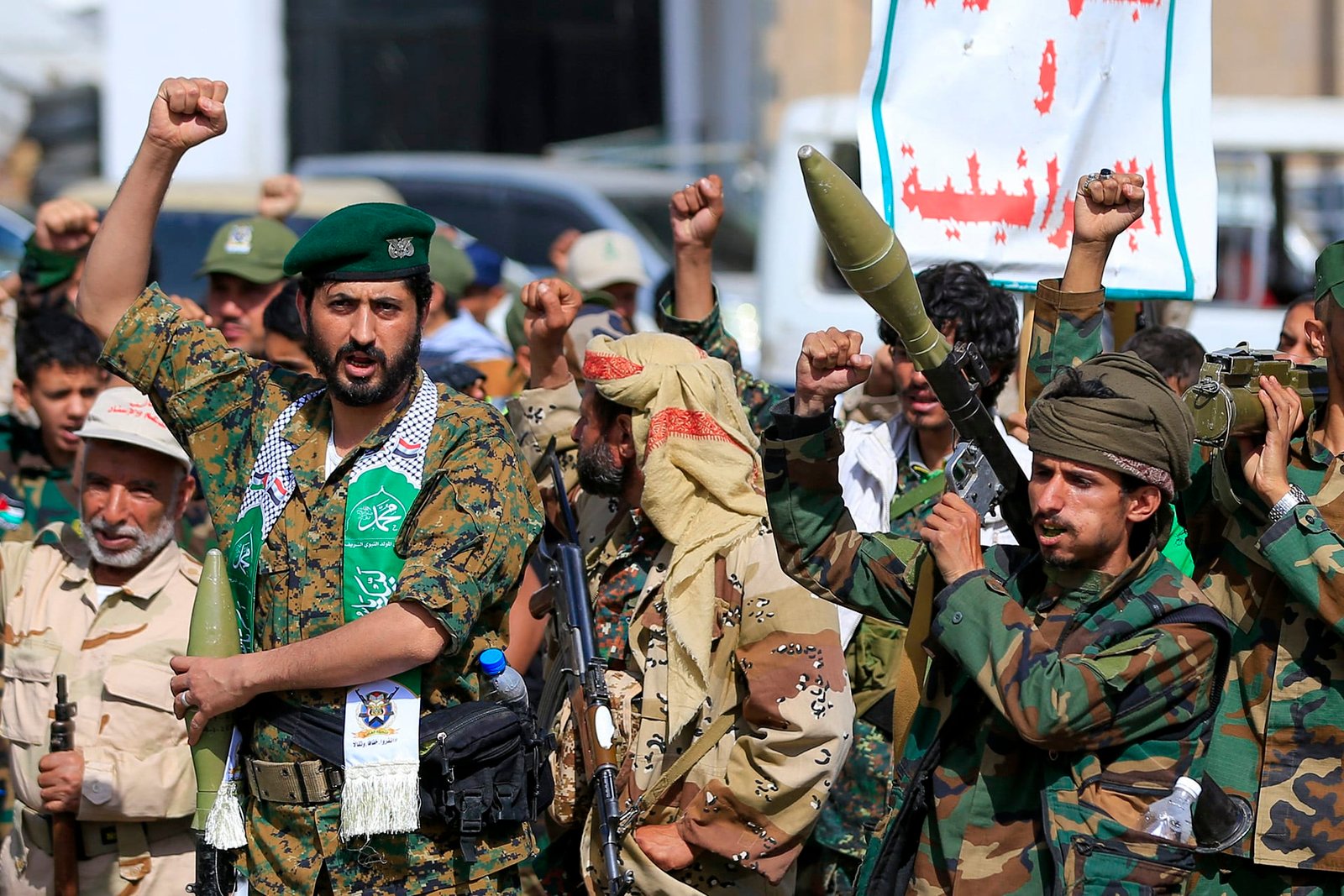
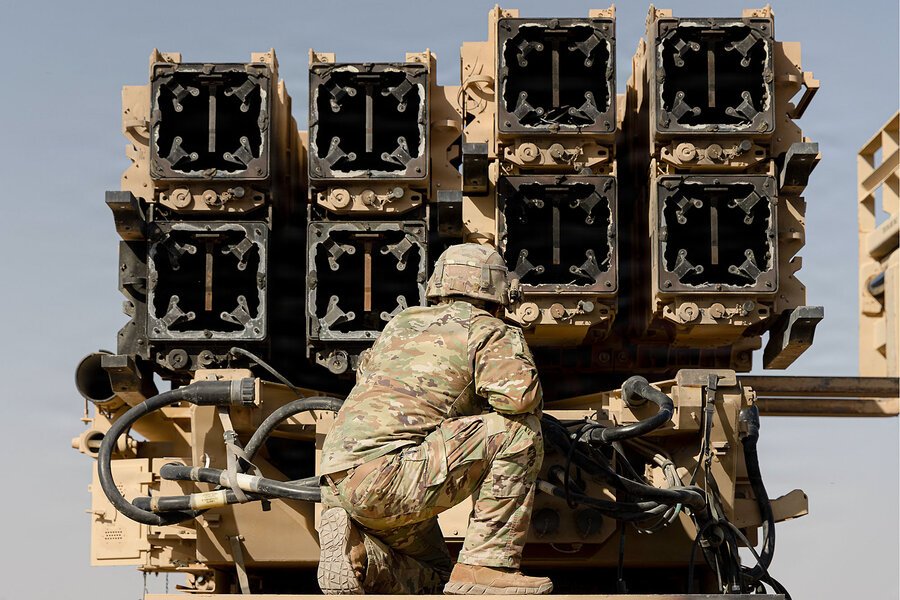
The Houthi strike on Riyadh and the seizure of strategic Yemeni coastline have forced Washington into a dilemma it cannot easily escape. The US Interceptor Shortage has become the central constraint on American power projection, limiting the ability to defend Saudi Arabia while preparing for contingencies in East Asia. For months, the United States has supplied Patriot interceptors and THAAD missiles to Gulf allies, draining stockpiles already depleted by the Iran war.
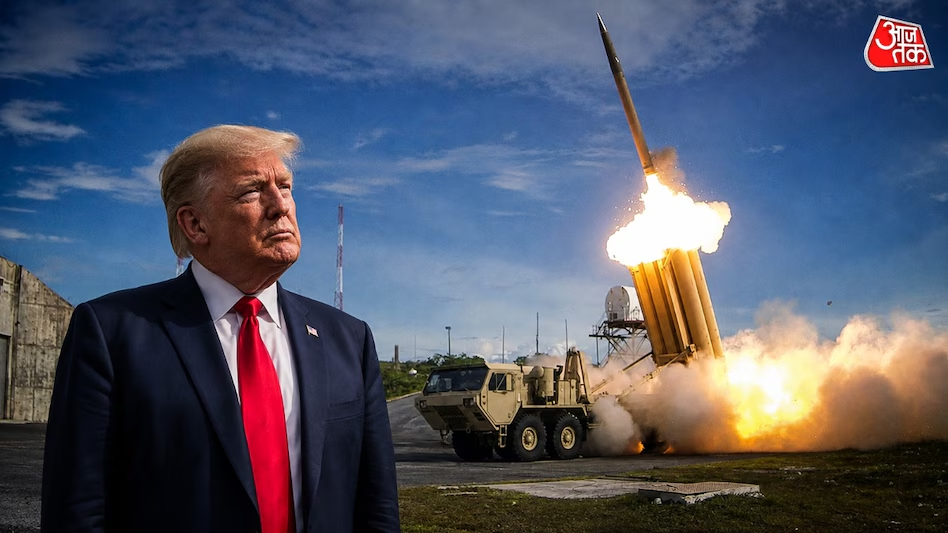
Now, Saudi Crown Prince Mohammed bin Salman has called President Donald Trump to request aid. The president initially agreed to strikes, then reversed his order. The contradiction: Washington has a defense agreement with Riyadh, yet lacks munitions to honor it. The US Interceptor Shortage is a strategic vulnerability adversaries exploit. Cheap drones and missiles from the Houthis, Iran, and other actors can overwhelm increasingly expensive interception systems, forcing the United States to choose between defending one theater and deterring in another.
The result is a fundamentally hard choice no diplomatic reassurance can soften for now. Saudi Arabia may be forced to accept a reduced American role, while Washington confronts the reality that its truly global military edge depends on existing military production capacity it no longer possesses. The US Interceptor Shortage will profoundly shape not only the ongoing Yemen conflict but the entire architecture of American security commitments.
Houthi Strikes Test US Resolve
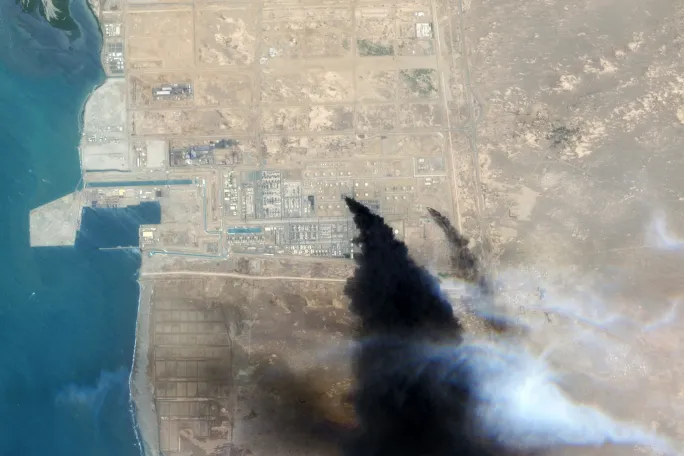
The Houthis struck Riyadh, Saudi Arabia, on Saturday for the first time since a period of escalation over the summer. They further claimed an attack on Aramco facilities at Yanbu, a Saudi port, and appear to have seized strategic territory on the Yemeni coast critical to the control of the Bab el-Mandeb Strait.
US Interceptor Shortage Limits Options
The narrow waterway at the mouth of the Red Sea has been a lifeline for Saudi Arabia, which has rerouted millions of barrels of oil each day through the Bab el-Mandeb Strait after Iran closed the Strait of Hormuz. The Houthis have blocked the flow of Saudi oil through this Red Sea chokepoint, but the group has promised not to attack U.S. ships sailing through it.
These developments have tested Washington’s resolve. Saudi Crown Prince Mohammed bin Salman reportedly called President Donald Trump on Thursday to enlist the aid of the United States. The New York Times reports that the president agreed to U.S. military strikes on the Houthis but reversed the order days later. Secretary of State Marco Rubio said in an interview on Tuesday that the United States has “a defense agreement with Saudi Arabia. We intend to live up to our commitments on it.” He did not clarify how the Trump administration could get involved in the growing conflict, however.
CFR Senior Fellow Steven Cook, an expert on Middle East politics, explains how the Houthi conflict has developed, what could be behind the White House’s calculus, what a chokehold on the Bab el-Mandeb Strait could mean for the global economy, and whether Iran is steering Houthi strategy.
How has the Houthi conflict with Saudi Arabia escalated?
The Saudis and Houthis have fought on and off for some time. There were skirmishes between the two parties in 2009 in which Saudi forces did not acquit themselves well. The most recent violence dates to September 2014 when the Houthis seized Sanaa from the Yemeni government. About six months later, the Saudis intervened directly in Yemen’s civil war. That intervention lasted seven years and ended inconclusively. The Saudis then sought a negotiated end to the Yemen conflict but made little headway despite years of talks.
On July 13, Saudi Arabia and its allies in Yemen’s internationally recognized government struck the airport in Sanaa to prevent an Iranian airliner from landing. The Mahan Air flight was carrying a Houthi delegation back from Ayatollah Khamenei’s funeral.
A group of Islamic Revolutionary Guard Corps (IRGC) advisors was also believed to be aboard as well as equipment destined for Houthi forces—a violation of UN sanctions. The plane eventually landed in Hodeidah. The attack provided the Houthis fresh justification to go on the offensive in Yemen, which they’ve since followed with the attack on Riyadh. Both have sent a clear message about the Houthis’ capabilities and Saudi vulnerabilities. Thus far, the Saudis have found few solutions for the Houthi continued attacks on their cities and energy infrastructure.
In the meantime, it does not matter that the Houthis say they will not attack U.S. shipping. The Houthis have gained a strategic position along the Bab el-Mandeb Strait, creating enough instability in the Red Sea for commercial shipping lines (which now have to pay higher insurance costs) to redirect vessels away from the Red Sea. This has negative effects on supply chains; the flow of energy resources; the Egyptian economy, which relies in part on Suez Canal tolls; and the environment.
What is Trump navigating as he decides whether to support Saudi Arabia with military strikes?
After seven months of war, there are questions about the U.S. capacity to wage a sustained campaign against the Houthis, return to combat against Iran if necessary, and prepare for contingencies in other parts of the world, notably East Asia. The United States expended a lot of ordnance against the Houthis in the spring of 2025 with little to show for it. Now the United States is believed to be running low on critical weapons, such as Patriot interceptors, THAAD missiles, and cruise missiles.
At the same time, Saudi Arabia is an important partner of the United States and freedom of navigation is a core U.S. interest globally. Washington’s unwillingness to assist Riyadh, combined with the United States’ inability to ensure the safety of global shipping, will have a significant effect on its global standing. Allies and partners from Europe to the Middle East are already questioning the reliability of the United States. To dismiss the direct plea for help from the leader of a friendly country that fears for its security is sure to make an impression on friend and foe alike.
However, any U.S. military effort would have to include a significant and coordinated ground operation to dislodge the Houthis from areas where they control the Bab el-Mandeb Strait. That is a tall order given the Yemeni government forces’ weakness and Saudi Arabia’s reluctance to throw its own military into the fight. The air campaigns against the Houthis and Iran have demonstrated that there are limits to this type of warfare. If Trump and the Saudis want to solve the Houthi problem, it will require much more than air strikes.
To what extent is Iran actively directing the Houthis’ military strategy?
It is important to note that the conflict between the Houthis and Saudis is separate from the conflict between the United States and Iran, but there has also long been clear coordination between the Houthis and Iran.
Qasem Soleimani, who led the Quds Forces of the IRGC until he was killed in a U.S. air strike in early 2020, had devised a strategy in which Iran gave members of the so-called Axis of Resistance weapons as well as the means to produce their own. He reasoned that if one member of the Axis was weakened or destroyed, others would be able to continue the fight. That said, the Houthis have never been a proxy in the same sense as Lebanon’s Hezbollah, which is essentially part of the IRGC. The Houthis can and have acted independently of Iran.
US Interceptor Shortage Reshapes Alliances
Nevertheless, the Houthis’ ability to control or threaten the Bab al-Mandeb chokepoint is good for Iran. It puts additional pressure on the global economy and provides Iran more leverage in any negotiation with the United States. And yet, despite the apparent strategic connection between the Strait of Hormuz and the Bab el-Mandeb Strait, it is possible that the United States could come to terms with Iran on the former while the Houthis remain in a position to threaten the latter.