
Washington’s waiver for Iran-Iraq Flights exposes sanctions limits when religious pilgrimage and Iraqi political stability collide, forcing Treasury to trade total aviation ban for restricted passenger travel and temporary leverage over militias.
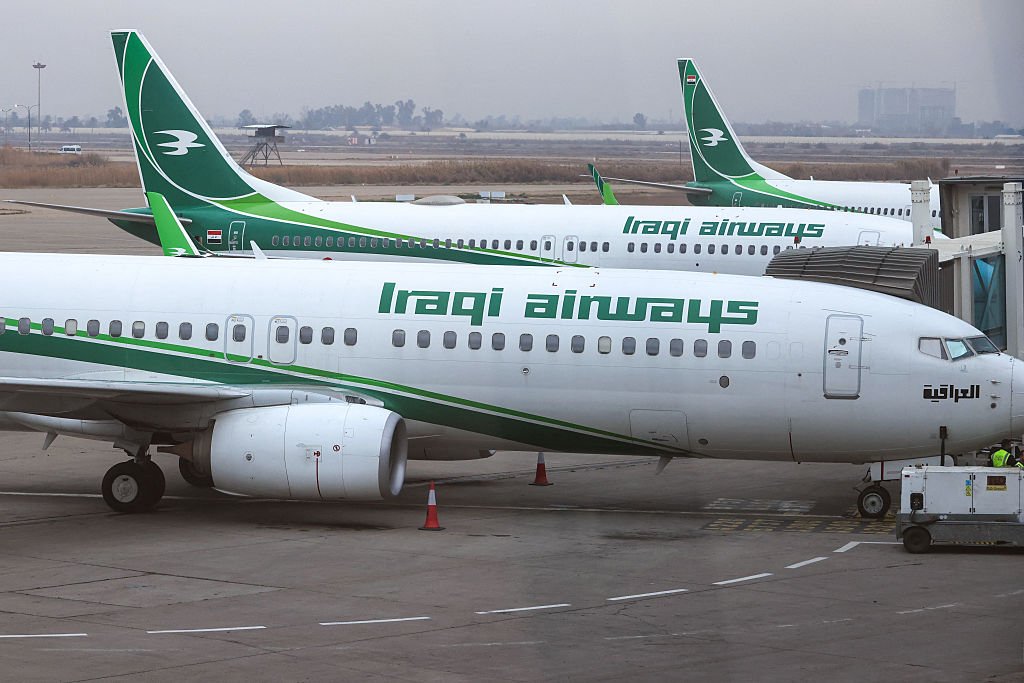
The decision to grant a temporary license for Iran-Iraq Flights reveals the limits of Washington’s sanctions architecture when religious travel and political stability collide with enforcement goals. Treasury’s September 8 designation of 27 Iranian airlines and subsequent suspension of all flights between Iraq and Iran created an immediate backlash among Shiite pilgrims, militia leaders, and Iraqi politicians who depend on access to Najaf. The waiver issued to Iraqi Airways permits only religious passengers and personal baggage until October 28, while explicitly prohibiting cash, military cargo, and sanctioned individuals.
This carve-out is not a concession to Tehran but a recognition that a total ban would impose unsustainable costs on Baghdad as Prime Minister Ali al-Zaidi attempts to disarm Iran-backed militias. The Iran-Iraq Flights exemption also illustrates how economic isolation measures can undermine allied governments when they collide with domestic religious and economic realities.
By allowing limited pilgrim traffic, Washington buys time for Zaidi’s disarmament agenda while maintaining restrictions on military and financial transfers. The broader question is whether such waivers can remain temporary or whether they will become permanent features of a sanctions regime that cannot fully seal a border shaped by geography, faith, and political dependence. This waiver thus exposes the tension between maximum pressure and minimum stability in a region where every enforcement action generates a countervailing cost.
Iran-Iraq Flights Win a Waiver
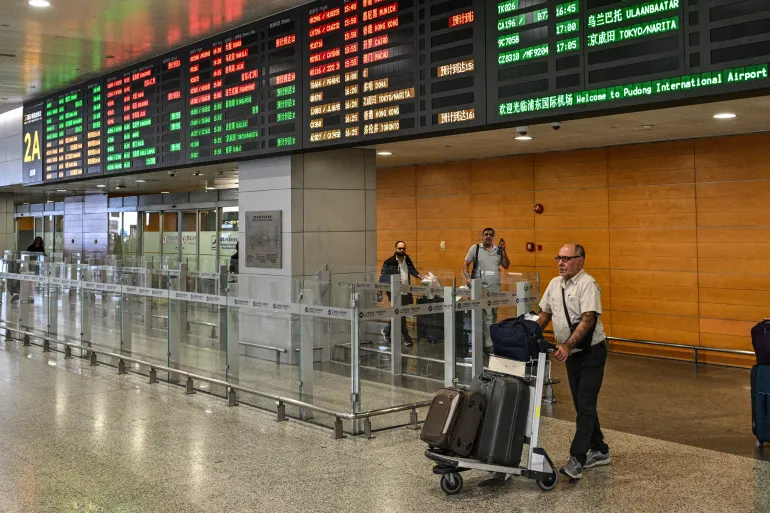
Iraq has received another carve out in Iran-related sanctions.After U.S. Treasury Secretary Scott Bessent said that “all the Iranian airlines will be shut down around the world,” all flights between Iraq and Iran were suspended by September 25. However, the U.S. Treasury has now issued a license to Iraqi Airways permitting flights between Iran and Najaf, a Shiite holy city in Iraq, until October 28, with the possibility of a permanent waiver.
Operation Economic Outcast, the Trump administration’s effort to isolate the Iranian regime, began targeting Iran’s aviation sector in late August for enabling the movement of fighters, weapons, and funds. On September 8, the Treasury Department sanctioned the remaining 27 Iranian airlines that were not previously sanctioned as well as companies that provided ground services for the sanctioned Iranian airline, Mahan Air.
However, many in Iraq objected to the flight suspension, pointing in particular to the disconnection of Iran’s Shiite majority from Iraqi holy cities. By providing this waiver, Washington is easing pressure on Iraqi Prime Minister Ali al-Zaidi as he takes on the challenging and divisive issue of disarming Iran’s proxies in Iraq.
Militia Leaders Object to Suspension of Flights
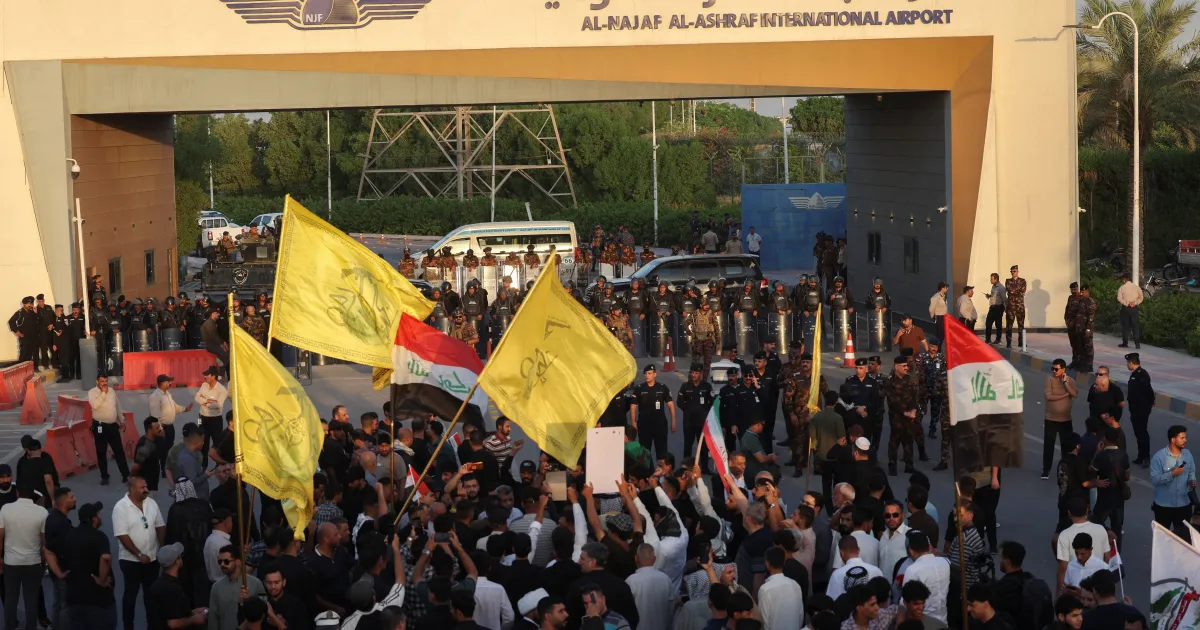
Akram al-Kaabi, leader of the Iran-backed, U.S. designated foreign terrorist organization Harakat Hezbollah al-Nujaba, implicitly criticized Zaidi for the flight suspension. Kaabi described it as an “unjust siege, preventing millions of citizens from both countries from visiting holy sites and harming the country economically and morally.” Qais al-Khazali, leader of the U.S.-designated Asaib Ahl al-Haq and a prominent Shiite political figure, echoed the “siege” language and condemned Iraqi compliance with U.S. measures to block Iranian aviation. Nujaba has refused to disarm, while Asaib Ahl al-Haq agreed to disarm but has not yet done so.
Protestors, some carrying Iranian and Iran-backed militia flags, gathered in southern and central Iraq on September 26. In Najaf, students and professors from the religious seminary protested the suspension of flights. Kaabi also called for sit ins at airports if flights were not resumed.
Exemption Intended To Allow Religious Travel
The license limits the timeframe and destination of flights from Iran to Najaf and only permits the use of one Iraqi airline which “may only carry cargo consisting of personal baggage and items necessary for flight safety, and may only carry Iranian national passengers who are religious pilgrims.” Iranian state media reported that 3.5 million Iranians attended Arbaeen, the annual Shiite pilgrimage to Karbala predominantly beginning from Najaf, in August.
The license also explicitly blocks cargo that could support military operations, including cash, as well as prohibiting the transportation of sanctioned individuals connected to the Iranian government or Iran-backed militias in Iraq. Treasury also requires Iraqi Airways to provide a list of “passenger names and passport numbers, and total funds spent by Iraqi Airways in Iran.” Iraqi airways documenting Iranian spending ensures that payments are only made for necessary ground services.
Can Iran-Iraq Flights Stay Limited
Washington and Baghdad have ambitious goals for countering Iranian influence in Iraq. The two governments may determine that enabling Shiites to access holy cities across the border is a necessary measure to give the Iraqi government leeway to address Iran-backed militias. If so, any further licenses must maintain the existing restrictions. Furthermore, flight manifestos must be scrutinized by American and Iraqi officials to ensure that militia members and Iranian regime or military officials are not traveling or using the flights to move supplies.
Iraq has received multiple waivers or exemptions from American sanctions and restrictions on Iran due to the two countries’ proximity and complex relationship. Another prominent example is Iraq’s waiver to purchase natural gas from Iran which it relies on to meet energy needs. These waivers should be short-term measures while Iraq removes Iranian influence, instead of a perpetual, long-term policy.