
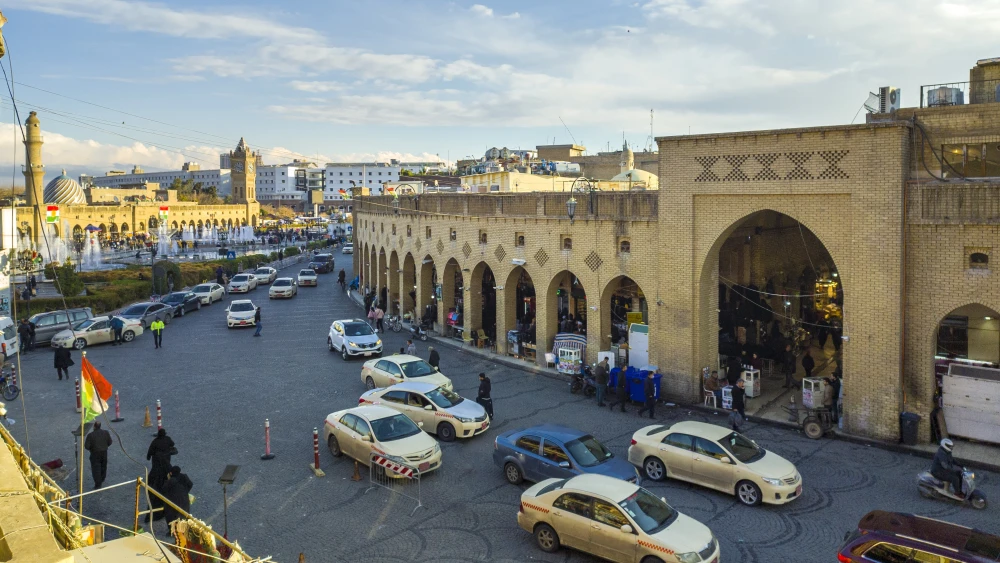
Conflicting Iranian and Iraqi accounts after a joint security meeting expose Baghdad’s weakness. Tehran demands Kurdish opposition groups be removed or handed over, Ankara keeps troops in the north, and Erbil’s fragmentation leaves Iraqi institutions unable to enforce any deal.
Northern Iraq Tests Baghdad’s Sovereignty
Iraq confronts a challenge of managing security demands of two of his neighbors, while preserving control over state decisions that shape its territorial integrity and political independence. Tehran’s demand to remove Iranian Kurdish opposition groups and Ankara’s announcement of continued military presence in northern Iraq raise a question on who determines the security order in northern Iraq. Baghdad is caught between these objectives, constrained by not only external pressure but also its limited capacity to impose a unified security policy across federal Iraq and the Iraqi Kurdistan Region.
The question is no longer whether Baghdad can reach security agreements, but whether it can implement them while retaining control over national security decisions.
Conflicting Accounts Strain Iraqi Credibility
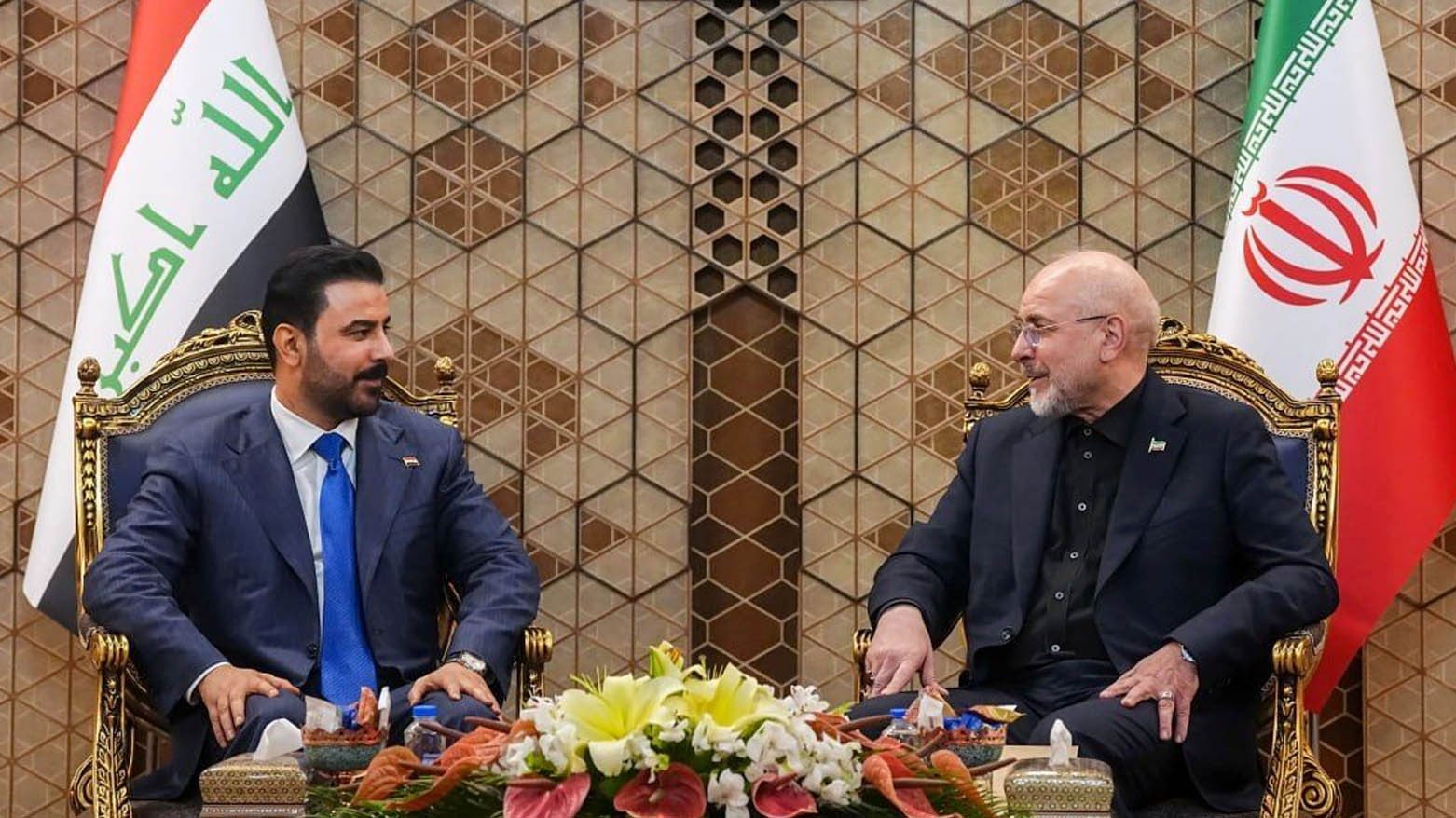
Following a joint Iraqi-Iranian security committee meeting chaired by Iraq’s National Security Adviser Qasim Al‑Aboudi and including Kurdistan Regional Government representatives, the Iranian ambassador to Iraq stated that both countries had agreed to remove Iranian Kurdish opposition groups from Iraq’s Kurdistan Region or hand them over to Iran. Iraq’s official statement, however, described discussions on implementing the 2023 bilateral security agreement and resolving outstanding issues without mentioning expulsion or handover.
Tehran Demands Removal of Kurdish Groups
The conflicting accounts put Baghdad’s credibility at stake. Removing or extraditing opposition groups represents an exercise of state sovereignty that affects Iraq’s internal balance of power and its relationship with its autonomous Kurdish territories. If Baghdad has accepted such measures, it is not merely coordinating with Tehran on shared security threat; it is ceding discretion over how Iraq uses its territory and which groups receive protection within the country’s borders.
The divergence between the Iranian ambassador’s statement and the Iraqi participants’ silence highlights the immediate challenge: whether the Iraqi government can publish an account of what it agreed to, establish the legal status of the proposed relocation, and demonstrate that its policy is not simply a response to foreign military pressure.
Erbil Exposed by Internal Fragmentation
The fact that these arrangements required Kurdistan Regional Government participation suggests Erbil recognized the political cost of non-compliance, but it also reveals the fragility of Baghdad’s institutional capacity to enforce such agreements independently. Over the coming months, the principal question will be whether Baghdad can convert its diplomatic commitments into changes on the ground without triggering a confrontation with the political and armed networks on which its governing arrangements depend. Current trends point toward selective implementation, ongoing bargaining, and targeted pressure rather than a comprehensive resolution.
Flashpoint Over Kurdish Opposition Persists
The Iranian Kurdish opposition issue will remain a major flashpoint. Tehran has demonstrated a readiness to use force against opposition positions inside Iraq, leaving Baghdad and Erbil to face the competing demands of border security, stability, and legal protections for refugees and residents. If relocation arrangements are negotiated without enforceable guarantees, these groups could face continued Iranian strikes even after accepting restrictions on their activities. Conversely, if they reject relocation and maintain armed positions near the border, Iran will retain a justification for further intervention.
Kurdistan Region Balances Rival Neighbors
The Kurdistan Region, and Erbil in particular, is exposed. It maintains close ties with Washington while hosting Kurdish opposition groups that both Tehran and Ankara regard as security threats.
Kurdistan’s exposure is compounded by internal fragmentation. Despite the recently announced cosmetic unification of the rival Iraqi Kurdish forces, Kurdistan Democratic Party and Patriotic Union of Kurdistan still maintain separate political networks and security structures, limiting the Kurdish ability to act as a unified actor. That leaves the region divided on decisions that require a common position.
External actors exploit these political divisions to cultivate distinct relationships with Erbil and Sulaymaniyah. Consequently, Erbil must negotiate from a position of weakness, attempting to balance its relationship with Baghdad, protect opposition groups, and avoid turning its territory into a battlefield between Iran and its opponents.
Northern Iraq Needs Enforceable Institutions
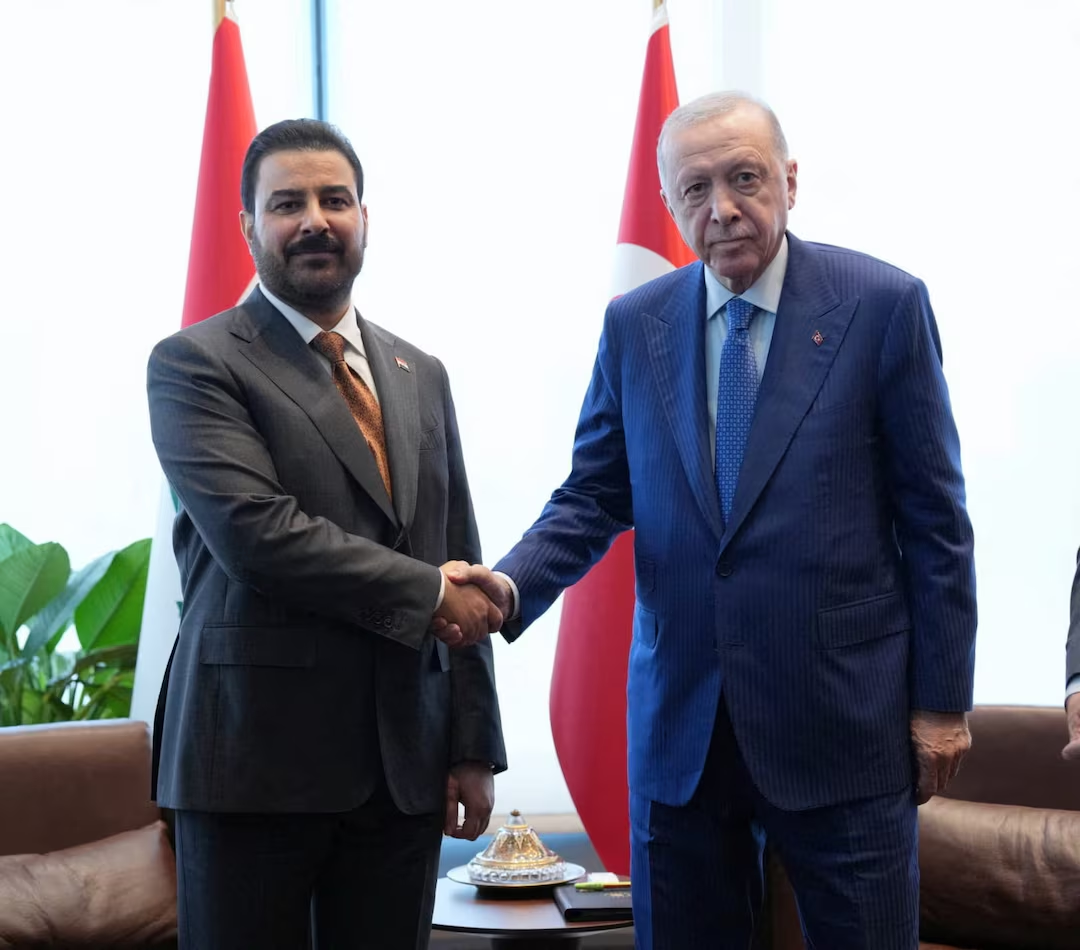
Ultimately, the real test is not whether Iraq can sign security arrangements with Iran or tolerate Turkish military operations, but whether it can translate these diplomatic commitments into enforceable policies through its own institutions, and whether those institutions can function independently of political fragmentation and external coercion. On current evidence, they cannot: Iraq’s National Security Adviser chairs meetings, but Iran and Turkey shape their outcomes.
Until Baghdad builds real state capacity in its borderlands and demonstrates the ability to execute security decisions without external direction, it remains vulnerable to neighboring strategic ambitions. That will determine whether post-withdrawal security cooperation and American investment can endure—or whether regional rivals will shape the strategic environment in which U.S. interests depend. Iraq’s recent agreements with Tehran may temporarily satisfy Iranian security demands, but they do not strengthen the Iraqi state—the only foundation upon which genuine sovereignty can rest.