
Congress intends to end the Iran war by cutting its funding, yet the same money sustains the naval blockade squeezing Tehran’s economy. A broad cutoff could surrender leverage over Iran’s nuclear program while signaling weakness to Moscow and Beijing.
Why Cutting War Funds Signals Resolve
Ideally, President Donald Trump and the incoming Democratic Congress would craft a new bipartisan approach to the Iran War and, more broadly, long-term relations between Washington and Tehran.
After all, while the United States (with Israeli help) has severely degraded Iran’s military capacity and decapitated its political and military leadership, Washington and Tehran remain at war and continue to exchange gunfire, while the United States blockades Iran’s ports and Iran attacks commercial vessels in the Strait of Hormuz.
Meanwhile, Iran is working to restart its nuclear program, vowing not to surrender “even a single particle of enriched nuclear material,” rebuilding its ballistic missiles and conventional weapons, sending funds and arms to help its most important terrorist client (Hezbollah) recover from an Israeli onslaught that killed thousands of its fighters and destroyed most of its rockets, attacking US bases in the region and threatening to attack others far beyond, and targeting our European allies in ever-more creative ways.
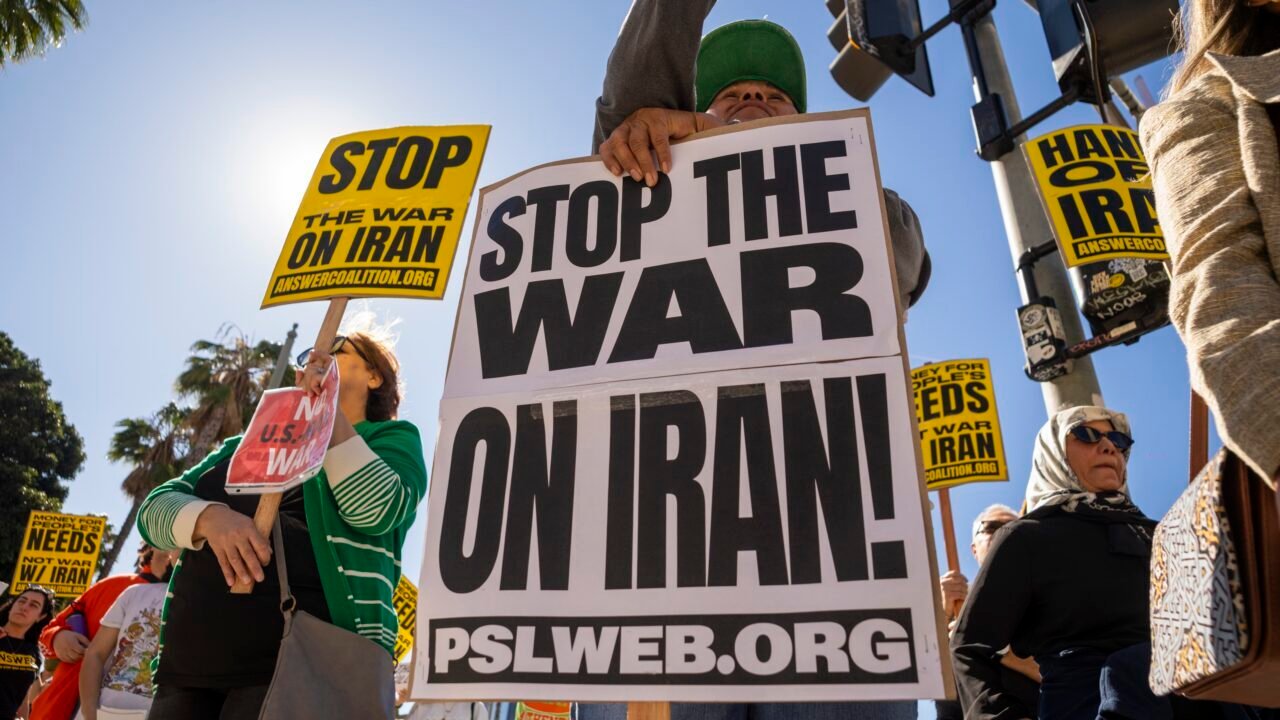
Unfortunately, the White House and the new Congress are headed for confrontation over Iran—with the former insisting that the United States is winning the war and seeking tens of billions of dollars more to continue prosecuting it, and the latter dead-set on ending the war by cutting off its funding.
Democrats are loath to help Trump prosecute the war: he did not consult them before launching it, they believe the US effort is illegal because it lacks congressional authorization, and they complain that the administration has not clearly articulated what US success would look like while rebuffing their requests for information about the war’s progress.
Depending on its scope, however, a funding cut-off could send a dangerous signal about America’s staying power to our expansion-minded adversaries not only in Tehran but in Moscow and Beijing, weakening America’s global standing and raising the prospect of more conflicts on more fronts. It is a reality that lawmakers should keep in mind as they mull a cut-off.
A Bipartisan Approach Remains Elusive
The regime in Tehran, a fiercely anti-US theocracy that seized power in the Islamic Revolution of 1979, has flummoxed Washington ever since. Presidents and congresses of both parties have tried to topple the regime through economic, military, and diplomatic pressure, and they’ve tried incentivizing the regime to ease its hostility and nurture warmer US-Iranian relations—all to no avail.
Because it has successfully defied US pressure while eschewing rapprochement, the regime feels increasingly confident it can weather whatever Washington throws at it. If so, Tehran will remain a thorn in Washington’s side for years to come no matter which US party happens to be in charge—and both parties could benefit from a long-term bipartisan approach to this ongoing geopolitical challenge.
Nevertheless, fresh off the midterm election results that turned in large measure on public opposition to the war and the higher gas prices it helped drive, the incoming majority is focused not on waging that war more effectively but instead—and maybe with Republican help—on ending it by cutting off funding.
What the Blockade Is Doing to Tehran
But before cutting off the funding, which totals about $50 billion to date and for which the administration is seeking another $67 billion, the new Congress should keep a few things in mind.
For starters, and despite Tehran’s confidence in weathering the storm, the US blockade (on top of tighter US sanctions) is wreaking havoc with Iran’s economy by drying up its oil exports, sending its currency (the rial) to record lows against the dollar, and boosting unemployment and poverty.
Thus, were a funding cut-off to include funds to maintain the blockade, it would interrupt an effort that could weaken the regime’s grip on power and eventually enable Iran’s people to seize control over and plot their own future. Considering Iranians’ long-time affinity for the West, a new government with public backing could immediately reshape US-Iranian relations for the better.
In addition, the administration and both parties in Congress generally favor a negotiated settlement over Iran’s nuclear program and, preferably, its ballistic missiles and terror sponsorship as well. A funding cut-off could reduce the chances for success by eliminating a key piece of US leverage: the risk of further US attacks.
Moscow and Beijing Are Watching Closely
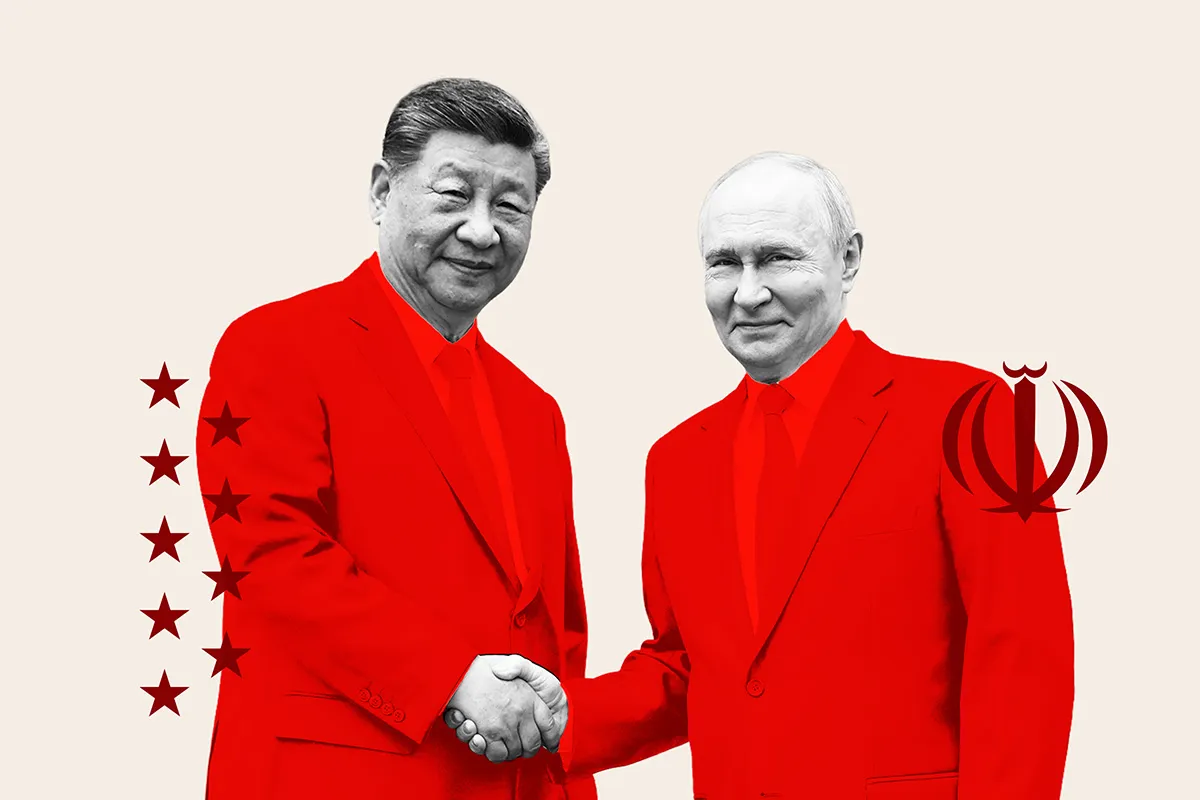
Beyond empowering Tehran to continue undermining US interests in the region, a funding cut-off would also embolden our adversaries in Moscow and Beijing. The former is already testing Western resolve in Europe, while the latter continues to signal its intent to take Taiwan through force.

The Case for Cutting War Funds
Congressional dismay with the Iran War, reflecting broad public opposition due to the war’s impact back home, is hardly surprising in light of Tehran’s continuing resolve and Washington’s strategic incoherence.
Still, Congress should recognize that whether it cuts off war funding—and how broadly it applies that cut-off to US military action—will have huge implications for US interests in the region and far beyond.