
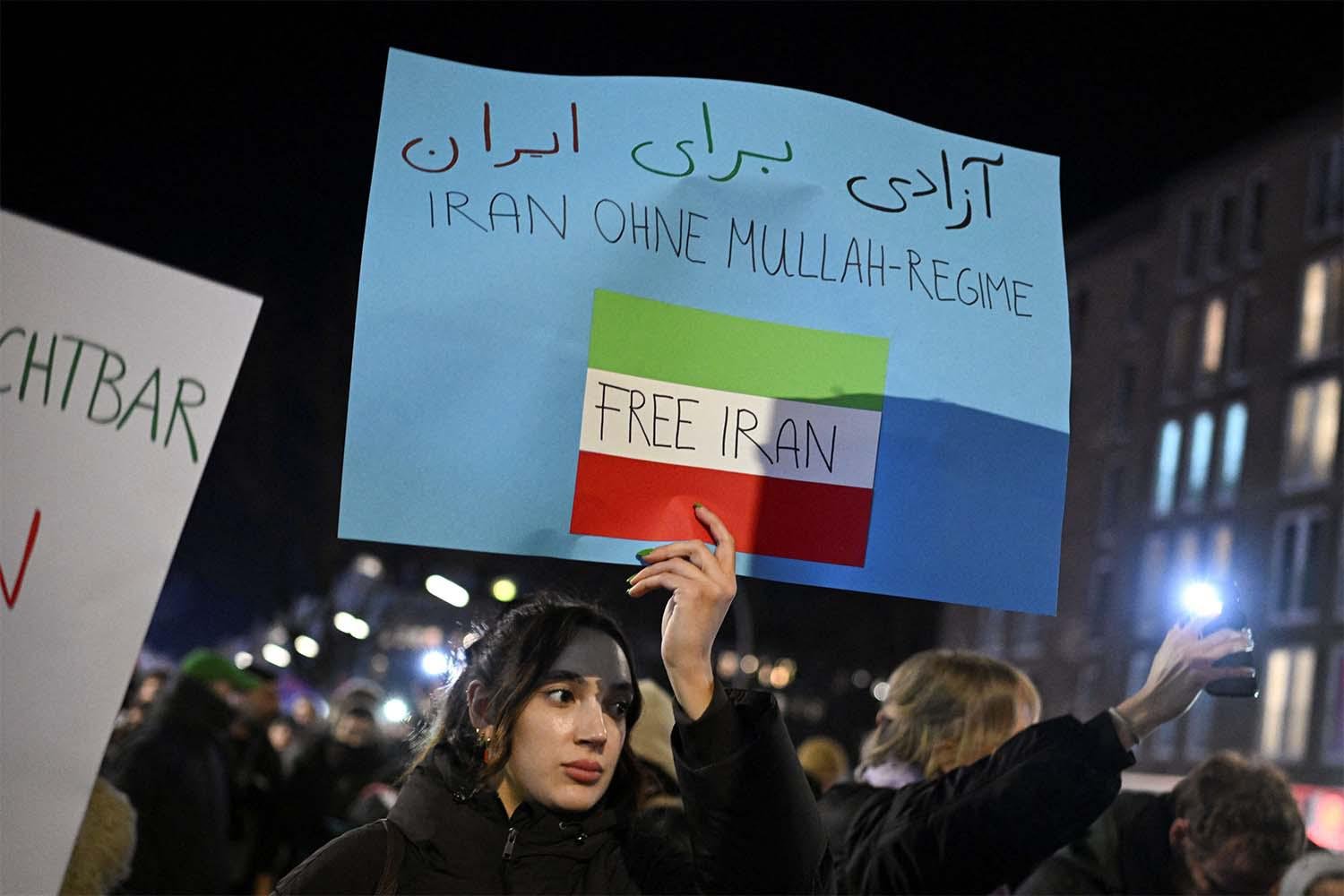
The last ten years have seen Iran convulsed by waves of anti-government protests, each sparked by economic hardship, corruption, or social injustices, and each met with a familiar playbook: restrict information, deploy violence, and deny accountability.
In the shadow of Iran’s towering mountains and ancient cities, a modern tragedy unfolds repeatedly: when the flames of public discontent rise, the regime pulls the plug on the internet, plunging the nation into digital darkness. This tactic, honed over the last decade, isn’t just about silencing voices – it’s a calculated veil for unleashing lethal force on its own people.
As we witness the harrowing events of the 2025-2026 protests, where a nationwide blackout since January 8 has coincided with reports of thousands killed by security forces, it’s clear this pattern is no accident. It’s a systemic tool of oppression that demands global scrutiny and action.
The last ten years have seen Iran convulsed by waves of anti-government protests, each sparked by economic hardship, corruption, or social injustices, and each met with a familiar playbook: restrict information, deploy violence, and deny accountability.
From the 2017-2018 demonstrations to the current upheaval, the regime’s response has escalated, turning blackouts into enablers of mass repression. This isn’t merely poor governance; it’s a deliberate strategy to maintain power at any cost, eroding human rights and isolating Iranians from the world.
Consider the 2019 fuel price protests, a pivotal moment in this grim timeline. Triggered by a sudden hike in gasoline costs amid economic sanctions and mismanagement, demonstrations erupted across over 100 cities. The government’s immediate reaction? A near-total internet shutdown lasting up to a week in some areas, the most extensive in Iran’s history at the time.
Under this cover, security forces unleashed live ammunition, killing an estimated 1,500 protesters, according to Amnesty International reports – many shot in the head or torso at close range.
The blackout not only hampered protesters’ ability to organize but also delayed international awareness, allowing the regime to control the narrative and bury evidence of atrocities. Witnesses later described scenes of chaos: streets littered with bodies, hospitals overwhelmed, and families unable to locate loved ones.
Fast forward to 2022, when the death of Mahsa Amini in morality police custody ignited the “Woman, Life, Freedom” movement. Protests swept through 220 locations in 26 provinces, with activists reporting at least 20 killed and over 990 arrested in the early days.
Again, authorities throttled internet access, imposing restrictions that disrupted social media and messaging apps crucial for coordination.
Security forces responded with tear gas, batons, and live fire, resulting in hundreds of deaths – dozens sentenced to execution in hasty trials.
The partial blackouts amplified the regime’s impunity, as videos of brutality trickled out only after days, often smuggled via VPNs or satellite links.
Now, in 2026, history repeats with terrifying intensity. The 2025-2026 protests, born from economic collapse – soaring inflation, currency devaluation, and resource mismanagement as well as US sanctions – have ballooned into calls for regime change, spreading to nearly 200 cities.
On January 8, as demonstrations intensified, connectivity plummeted to 1% of normal levels, marking one of the most severe shutdowns yet.
Reports from rights groups like Iran International and Human Rights Activists News Agency (HRANA) paint a devastating picture: at least 2,500 protesters killed in just days, many by live ammunition from security forces.
Eyewitnesses describe massacres in Tehran and provinces, with forces storming hospitals, using tear gas, and firing indiscriminately – even at children.
Supreme Leader Ali Khamenei’s orders for lethal force, coupled with the blackout, have created a “coo
این چرخه مکرر حقیقت عمیقتری را فاش میکند: خاموشیهای اینترنتی سلاح نهایی رژیم در جنگ علیه شهروندانش است. با قطع ارتباطات، آنها از مستندسازی واقعی سوءاستفادهها جلوگیری میکنند، اپوزیسیون را تکهتکه میکنند و مرتکبین را از محکومیت فوری جهانی مصون میدارند.
در عصری که رسانههای اجتماعی حرکات را در سطح جهانی تغذیه میکنند، رویکرد ایران الگویی برای کنترل استبدادی است—که در مکانهایی مانند میانمار یا بلاروس نیز طنینانداز است. اما در ایران، این موضوع به طور منحصر به فردی به خشونت فیزیکی مرتبط است: تاریکی اجازه استفاده بیرویه از آتش زنده را میدهد و اعتراضات را به میدانهای کشتار تبدیل میکند.
از منظر جستجوی حقیقت، این موضوع به جانبداری مربوط نمیشود؛ بلکه به پاسخگویی مربوط است. اقدامات رژیم نقض هنجارهای بینالمللی است، از جمله حق آزادی بیان و تجمع طبق اعلامیه جهانی حقوق بشر.
شکایات اقتصادی – که به واسطه فساد، تحریمها و جنگهای نیابتی در یمن، لبنان و سوریه تشدید شدهاند – نارضایتیها را تغذیه میکنند، اما پاسخ همیشه زور به جای اصلاح است. فراخوانهای اولیه رئیسجمهور مسعود پزشکیان برای تمایز قائل شدن بین معترضان و “اغتشاشگران” در میان خونریزیها بیمعنا به نظر میرسد.
تحریمهایی که هدفشان افرادی است که دستور خاموشی و خشونت را میدهند، به همراه حمایت از روزنامهنگاری مستقل، میتواند صدای داخل ایران را تقویت کند. در نهایت، تغییر باید از درون بیاید، اما جهان به ایرانیان بدهکار است که نور را برای افشای بیعدالتی فراهم کند.
در حالی که اعتراضات به هفته سوم خود ادامه میدهد، ممکن است کنترل رژیم آهنین به نظر برسد، اما تاریخ نشان میدهد که شعلههای سرکوبشده اغلب با قدرت بیشتری دوباره شعلهور میشوند. مردم ایران شایسته آیندهای هستند که در آن مخالفت با گلوله در تاریکی مواجه نشود. پرده دیجیتال باید برای همیشه بیفتد.