
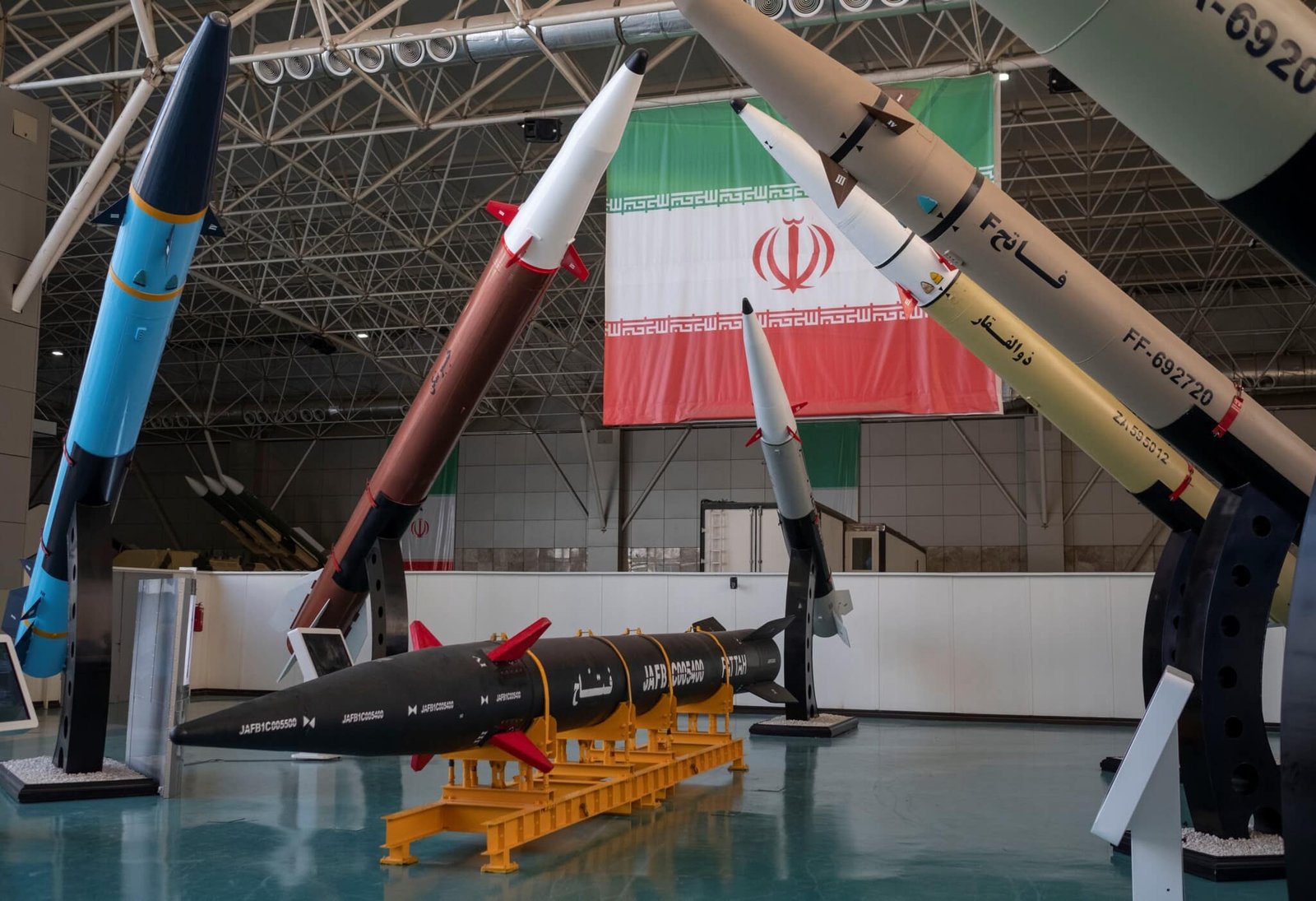
Evaluating the Damage to Iran’s Ballistic Missile Arsenal has become the defining focus of Western intelligence assessments following forty days of intensive aerial bombardment. This systematic degradation has fundamentally altered Middle Eastern deterrence paradigms, forcing Tehran to recalibrate its offensive doctrine away from reliance on heavy precision-guided saturation strategies. As policymakers debate the permanent strategic efficacy of these joint operations, accurately evaluating the Damage to Iran’s Ballistic Missile Arsenal requires a meticulous accounting of both immediate stockpile depletion and the long-term immobilization of the regime’s specialized industrial manufacturing pipeline.
Iran’s Ballistic Missile Arsenal Defanged
Has the Islamic Republic of Iran been defanged, or did the United States and Israel fail to set back the Middle East’s preeminent ballistic missile power? The answer is more complex than headlines indicate.
With news of a potential memorandum of understanding between the United States and Iran around the corner, and 60 more days for nuclear negotiations, press reporting based on leaks and commercially available satellite imagery has contributed to a lopsided debate over the utility of military force. Unfortunately abetting this debate are imprecise definitions, selective reporting, and the fog of war.
That Iran’s ballistic missile threat has been rolled back is not up for debate. Ballistic missiles form the backbone of Iran’s deterrence strategy and have increasingly been used in military operations. They also provide Iran with a delivery vehicle for a nuclear weapon if it decides to build one.
It should be no surprise then that on February 28, when Washington and Jerusalem commenced military operations against Iran, targeting Tehran’s ballistic missile program was among their central objectives.
Since then, nearly 40 days of sustained U.S.-Israeli strikes severely degraded Iran’s ballistic missile capability but did not eliminate it. By the final stretch before the April 8 ceasefire, Iran increasingly relied on drones to maintain a tempo of strikes while conserving its dwindling missile inventory. This was especially true for its attacks on neighboring Persian Gulf states like the United Arab Emirates.
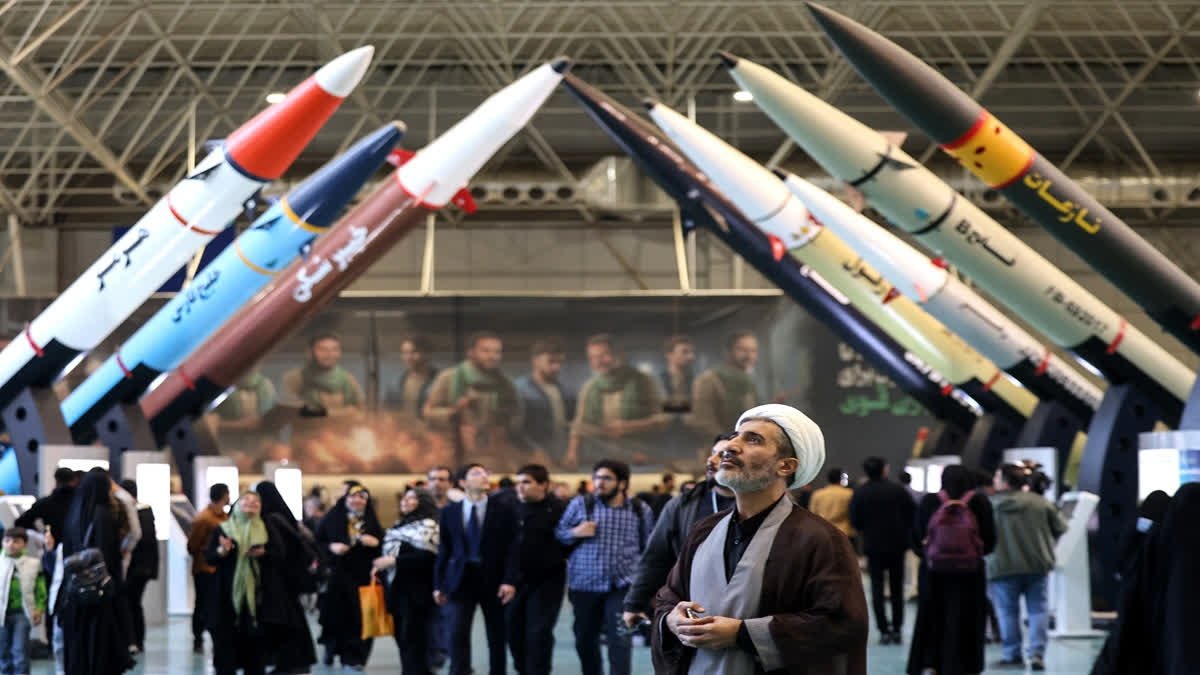
Assessing Iran’s Ballistic Missile Arsenal
One major challenge in assessing the effectiveness of U.S. and Israeli operations is in ascertaining a clear pre-war baseline. For years, the only public number was an assessment of “over 3,000” projectiles of various ranges offered by a former CENTCOM commander in 2022. But between 2024 and 2026, Iran launched anywhere from 2,200-2,400 missiles in four waves of external military operations.
Further complicating this assessment is that Israeli estimates tend to focus only on missiles capable of reaching Israel — such as medium-range systems that can travel up to 2,000 km — rather than Iran’s larger inventory of short-range ballistic missiles that can travel 300-1,000 km and are aimed at U.S. bases and Iran’s Arab neighbors.
According to the IDF, Iran possessed roughly 2,500 missiles capable of reaching Israel at the start of the war. By April 5, shortly before the ceasefire, an Israeli Air Force official estimated that Tehran had just over 1,000 such missiles remaining. If true, this represents a significant degradation of one of Tehran’s most important strategic capabilities.
The picture now emerging is that Iran may have lost roughly a third to half of its ballistic missile arsenal and approximately half of its missile launchers. While we do not know the exact ratio of missiles and launchers destroyed versus damaged or rendered inaccessible, these attacks handicapped Iran’s wartime performance leading to a reduced rate of fire.
Yet some continue to portray Iran’s missile force as largely intact. Citing unnamed U.S. officials sharing a classified intelligence assessment, The New York Times reported on May 12 that Iran “has retained roughly 70 percent of its prewar missile stockpile.” Similar claims citing U.S. intelligence officials were published earlier by The Washington Post.
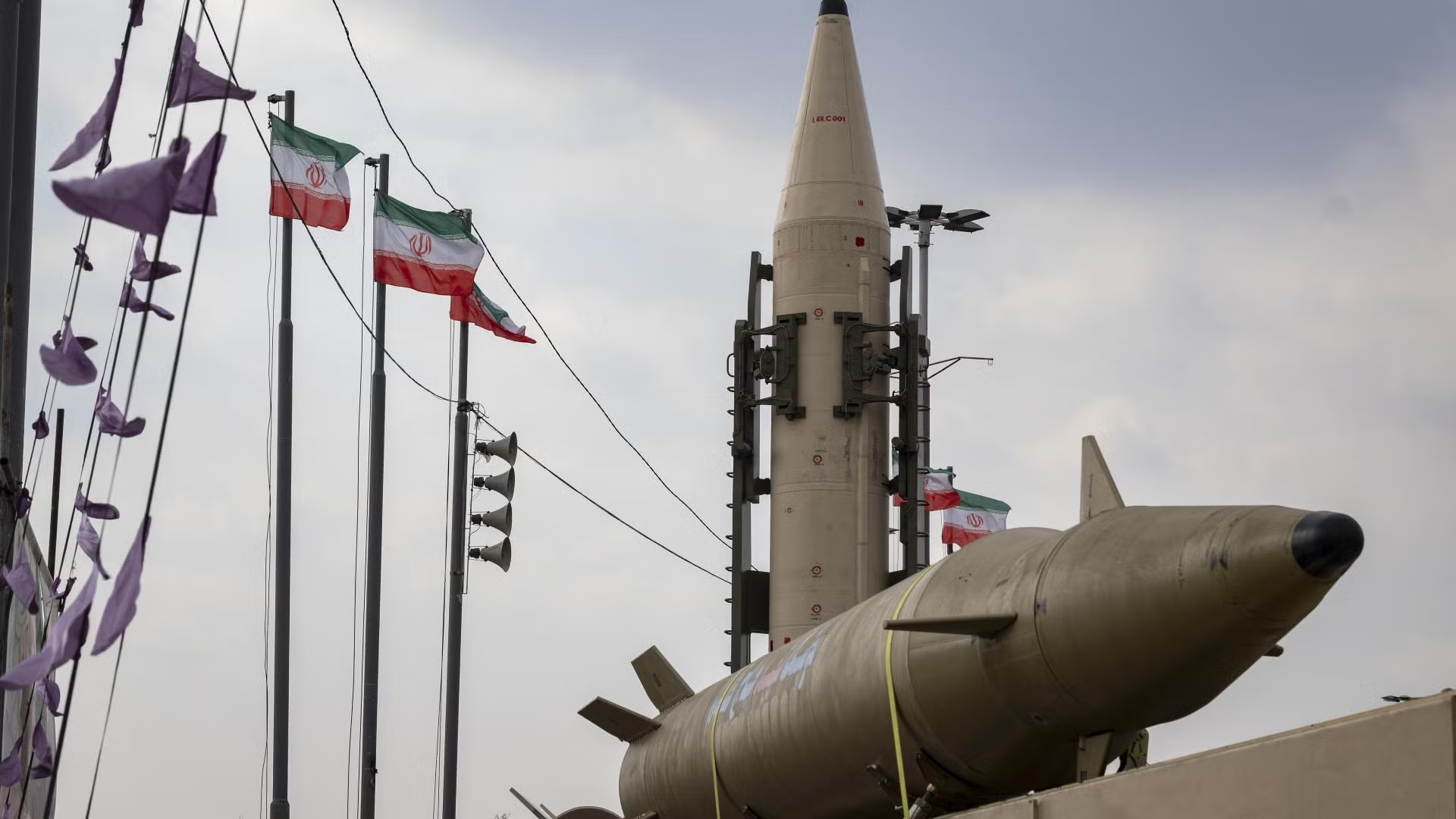
Tracking Iran’s Ballistic Missile Arsenal
Those reports drew unusually direct public pushback from U.S. officials.
Testifying before the Senate Armed Services Committee on May 14, CENTCOM commander Adm. Brad Cooper dismissed the reports as “not accurate,” but failed to offer a countervailing number.
A closer reading of The New York Times’s report reveals additional ambiguity. The newspaper’s accounting reportedly combined ballistic missiles with cruise missiles — two different systems with dissimilar flight-profiles. Combining them into a single headline risks obscuring the extent of the damage to Iran’s most dangerous missiles.
The most consequential damage may not be the missiles already destroyed, but Iran’s sharply degraded ability to replace them. Before the war last June, for example, Israel estimated that Iran was on a trajectory to expand its arsenal to roughly 8,000–10,000 ballistic missiles within two to three years. This would constitute a force large enough to overwhelm missile defenses in Israel and the region through sheer saturation.
Briefing U.S. lawmakers, Adm. Cooper stated that allied operations had “damaged or destroyed over 85 percent of Iran’s ballistic missile, drone, and naval defense industrial base.” That assessment points not merely to losses in existing inventory, but to devastating strikes against the production chain itself.
Iran’s Ballistic Missile Arsenal Crippled
Had Washington or Jerusalem ignored targeting the regime’s defense industrial base, Tehran may well have been able to bounce back much faster than even the U.S. intelligence community or skeptics assessed.
During the war, key production infrastructure such as above-ground solid-propellant fuel and motor fabrication sites were systematically targeted at sites like Khojir, Shahroud, Hakimiyeh, and Parchin. These facilities were the beating heart of Iran’s ballistic missile industry.
The public still lacks a precise accounting of how many missiles remain in Iranian hands — and perhaps more importantly, what types of missiles those are. U.S. and Israeli intelligence agencies, and likely the regime itself, may not yet possess a complete picture. Such uncertainty is inherent to war.
What is beyond dispute, however, is that Iran’s missile program has suffered its most severe setback in decades. Tehran now possesses a diminished arsenal after losing major portions of its launch infrastructure, production facilities, senior military leadership, and other strategic assets.
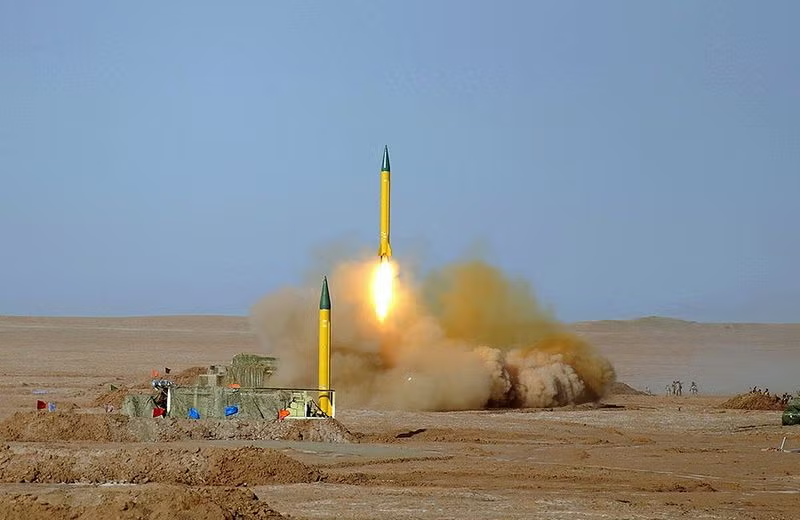
Rebuilding Iran’s Ballistic Missile Arsenal
That reality has significant implications for future military planning. Despite the deal, there is still a strong argument that renewed military operations against storage facilities and subterranean bases could further degrade what remains of Iran’s missile threat before the regime can rebuild.
Iran’s remaining missile force may increasingly serve less as a warfighting asset and more as a tool of terror to insure regime-survival. Should the Islamic Republic decide to employ them in another round of fighting or pre-emptively launch them, it would be leading with its chin and beget a strategic dilemma of its own making.
Despite the ideological nature of the regime in Tehran, the war has taught its hardened military leaders a brutal reality: without access to critical industrial inputs, every missile fired is one that may not be replaced anytime soon. If Washington turns a blind eye to this fact, it would willingly be choosing accommodation against a sworn adversary who is keen to rebuild.