
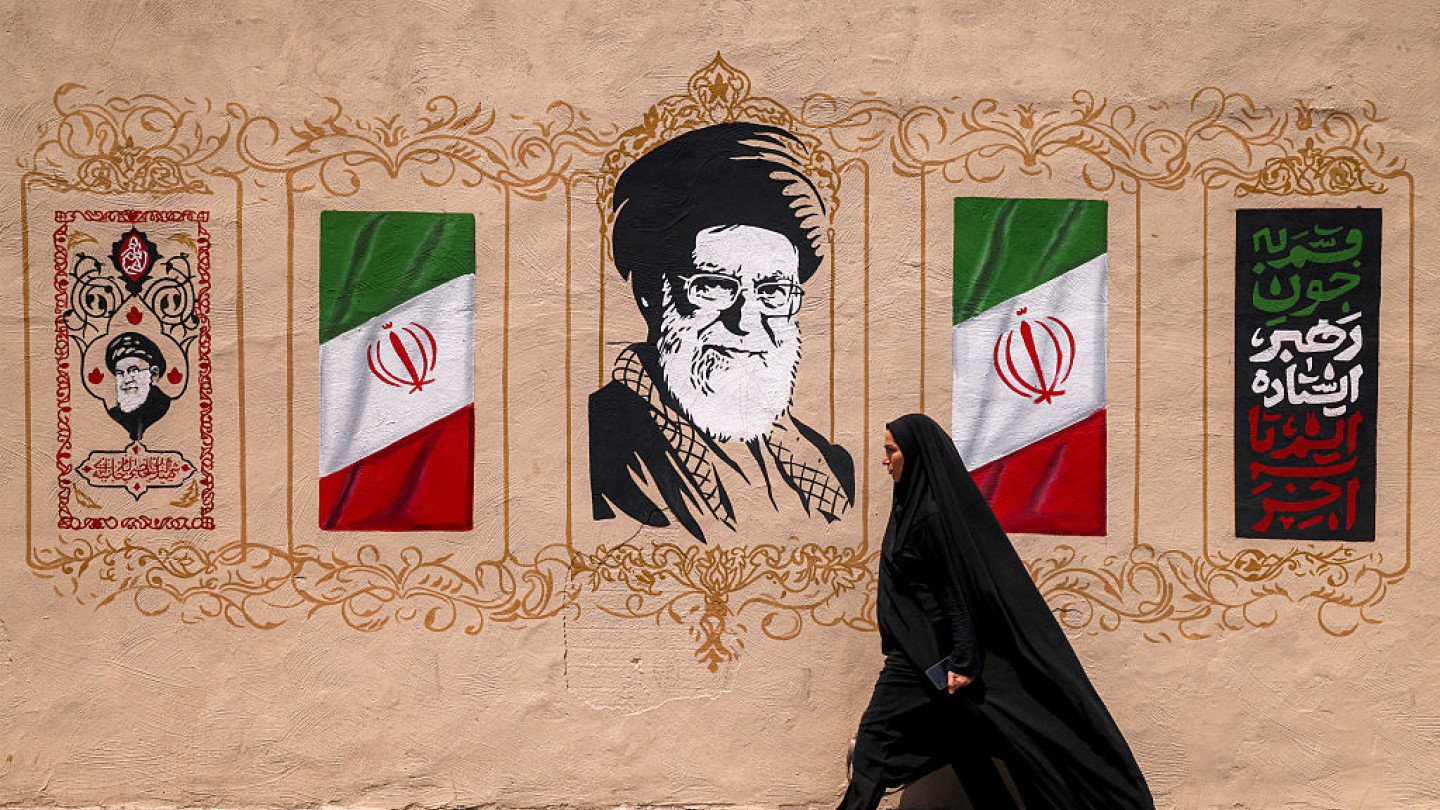
Khamenei appoints Mohsen Rezaei to lead the Supreme National Security Council and confirms Ahmad Vahidi as IRGC commander, strengthening hardline voices while economic pressure from the US blockade continues to grow
Supreme Leader Mojtaba Khamenei’s first major security reshuffle since the outbreak of the Iran-US war signals a deliberate redistribution of authority among rival camps. The elevation of Mohsen Rezaei to lead the Supreme National Security Council, alongside the retention of Saeed Jalili as a hardline voice, places confrontation with Washington at the centre of Iran factional politics.
This development does not settle the debate over the Iran-US Memorandum of Understanding; rather, it strengthens the bloc that rejects diplomatic concessions while the state still faces severe economic strain from the ongoing naval blockade. Khamenei’s simultaneous confirmation of Ahmad Vahidi as IRGC commander and his call for offensive operations indicate that wartime readiness remains a priority.
At the same time, parliamentary leaders and President Masoud Pezeshkian continue to push for de-escalation, creating an unresolved tension inside Iran factional politics. The appointment strategy appears calibrated to prevent any single faction from consolidating control, a familiar pattern in the Islamic Republic’s elite management. Yet the long-term consequences may extend beyond the current conflict, shaping Iran’s capacity to re-enter regional diplomacy and secure sanctions relief after the war.
How Iran factional politics shapes Khamenei’s moves
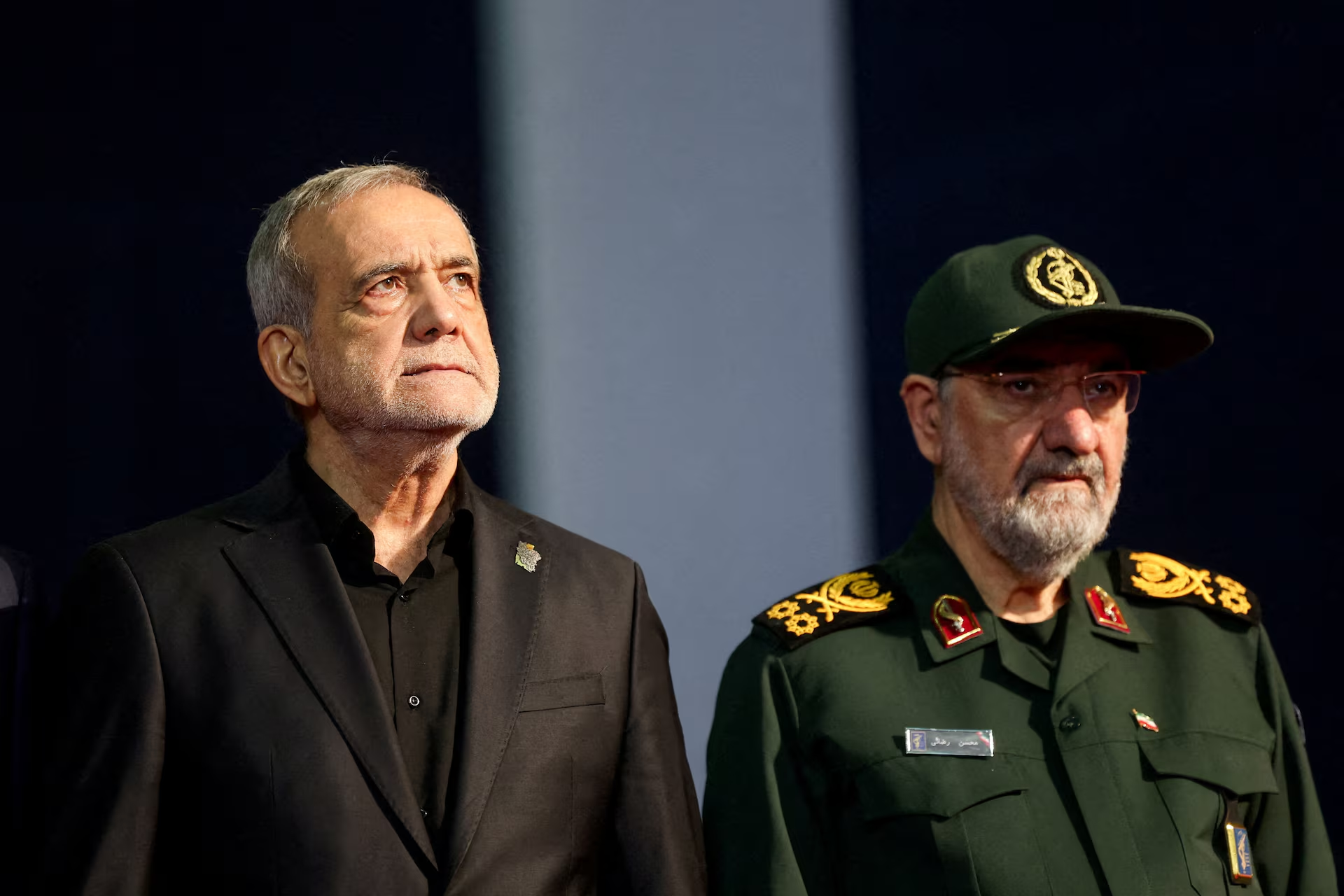
As the Iran-US war continues, Iran’s Supreme Leader Mojtaba Khamenei has announced a series of senior political and military appointments.
These changes come amid ongoing attempts to revive the Iran-US Memorandum of Understanding (MoU) and bring both sides back to the negotiating table.
Against this backdrop, the appointments offer an early indication of how Iran’s factional politics are evolving under its new leader – and how those shifts could shape the country’s approach to the war and beyond.
Shifting balance of power
Iranian officials have announced several new political appointments in recent days, seemingly formalising shifts in Iran’s factional politics. On 9 August, Mohsen Rezaei – who previously served as commander in chief of the IRGC for 16 years – was appointed secretary of Iran’s Supreme National Security Council (SNSC).
A decree from Supreme Leader Mojtaba Khamenei on the same day appointed Rezaei as one of his official representatives on the SNSC.
These appointments mark Supreme Leader Mojtaba Khamenei’s first major intervention in Iran’s political landscape since the outbreak of the war and appear designed in part to balance power between competing factions.
Such balancing acts – aimed at preventing any single faction from dominating Iran’s political and security institutions – have long been a feature of elite management in the Islamic Republic.
In this instance, Mohsen Rezaei’s appointment as head of the SNSC ends a just four-month tenure of Mohammed Bagher-Zolghadr, who is reportedly close to Mohammed Bagher Qalibaf, Iran’s parliament speaker and a key figure in the Iran-US negotiations.
Zolghadr was nevertheless retained as a political adviser to Supreme Leader Mojtaba Khamenei, suggesting his removal from the SNSC represents a redistribution of influence, not his wholesale marginalisation.
Renewed US-Iran confrontation
Beyond balancing power, Mohsen Rezaei’s appointment suggests Iran’s new Supreme Leader may favour giving more weight to figures advocating a confrontational stance towards the US.
The former IRGC Commander in Chief has expressed opposition to the Iran-US Memorandum of Understanding (MoU), and last week stated that Iran “will never permit the opening of a second corridor in the Strait of Hormuz”.
Such a stance, if adhered to in Tehran, would likely further complicate ongoing Omani, Qatari, and Pakistani attempts to bring Iran and the US back to the negotiating table.
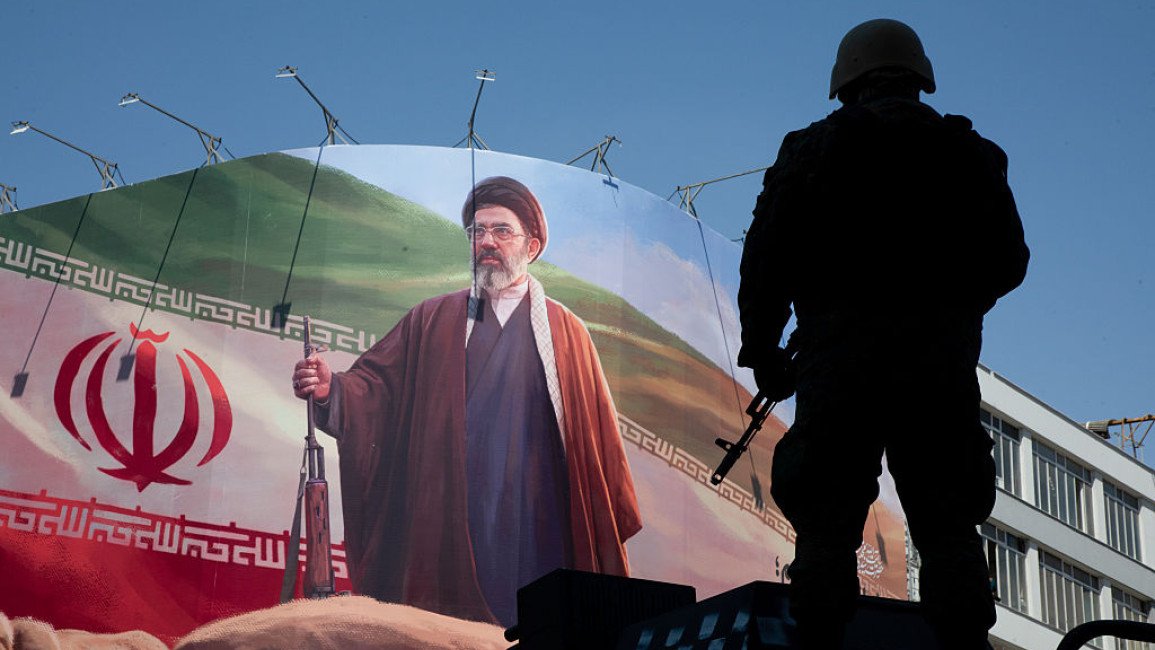
Rezaei’s stance appears to mirror that of Saeed Jalili, the other representative of the Supreme Leader on the SNSC. Jalili, a prominent figure in the hardline Paydari Front, has historically opposed any negotiation with the US, and appears to see any sort of concession to the West as a red line.
Of note, Iranian state media has reported that Jalili was the only member of the 13-person SNSC to vote against the signing of the MoU in June.
IRGC command prepares for offensive operations
Following Rezaei’s appointment, Supreme Leader Mojtaba Khamenei also appointed six senior commanders across Iran’s security forces.
This included the confirmation of Ahmad Vahidi as commander in chief of the IRGC, officially succeeding Mohammad Pakpour, who was killed in February at the outset of the Iran-Israel-US war.
In a further sign that Tehran views the war as ongoing, Khamenei in his appointment decree also called on Vahidi to prepare to carry out “powerful offensive operations against the enemy”.
Can economic pressure force negotiations?
Still, a renewed full-scale war with the US is not a foregone conclusion. Iranian officials, including President Masoud Pezeshkian and Mohammed Bagher Qalibaf, have called for de-escalation and the resumption of negotiations with the US.
Both individuals seem to view this as necessary to resolve Iran’s dire economic situation and maintain domestic stability.
Additionally, the continued US blockade of Iranian ports and declining oil revenues could have an economic impact significant enough to bring even more hardline figures to the negotiating table.
The impact of the blockade so far has already been so severe that Majidreza Hariri, head of the Iran-China Joint Chamber of Commerce, has said that the effect of a continued blockade could surpass that of the multi-year sanctions regime imposed on the country.
In the short term, this may push Tehran to seek an understanding with Washington that would secure an end to the naval blockade and ease some economic pressures on Iran, without resolving the wider points of contention between the two sides.
Tactical survival or a new regime?
It remains to be seen whether the appointment of these figures is in preparation for a short-term conflict with the US or represents Mojtaba Khamenei’s long-term vision for the Islamic Republic.
However, the distinction may become increasingly difficult to make. Even if these appointments are primarily a response to the prospect of renewed full-scale confrontation, the strengthening of hardline voices within Iran’s political and security apparatus could have consequences that outlast the immediate conflict.
Iran factional politics after the war
The consequences could be particularly significant for Iran’s foreign relations. A scenario including renewed, sustained attacks on Gulf states, and the further mobilisation of Iran-linked groups in Yemen, Lebanon and even Iraq, for example, would make a diplomatic and economic rapprochement with Gulf states after the war all the more difficult.
Similarly, further rounds of sustained confrontation with the US, particularly if key issues remain unresolved, would likely undermine Iran’s ability to obtain US sanctions relief in the medium term.
Continued international isolation will only exacerbate Iran’s economic crisis, potentially fuelling further public discontent.