
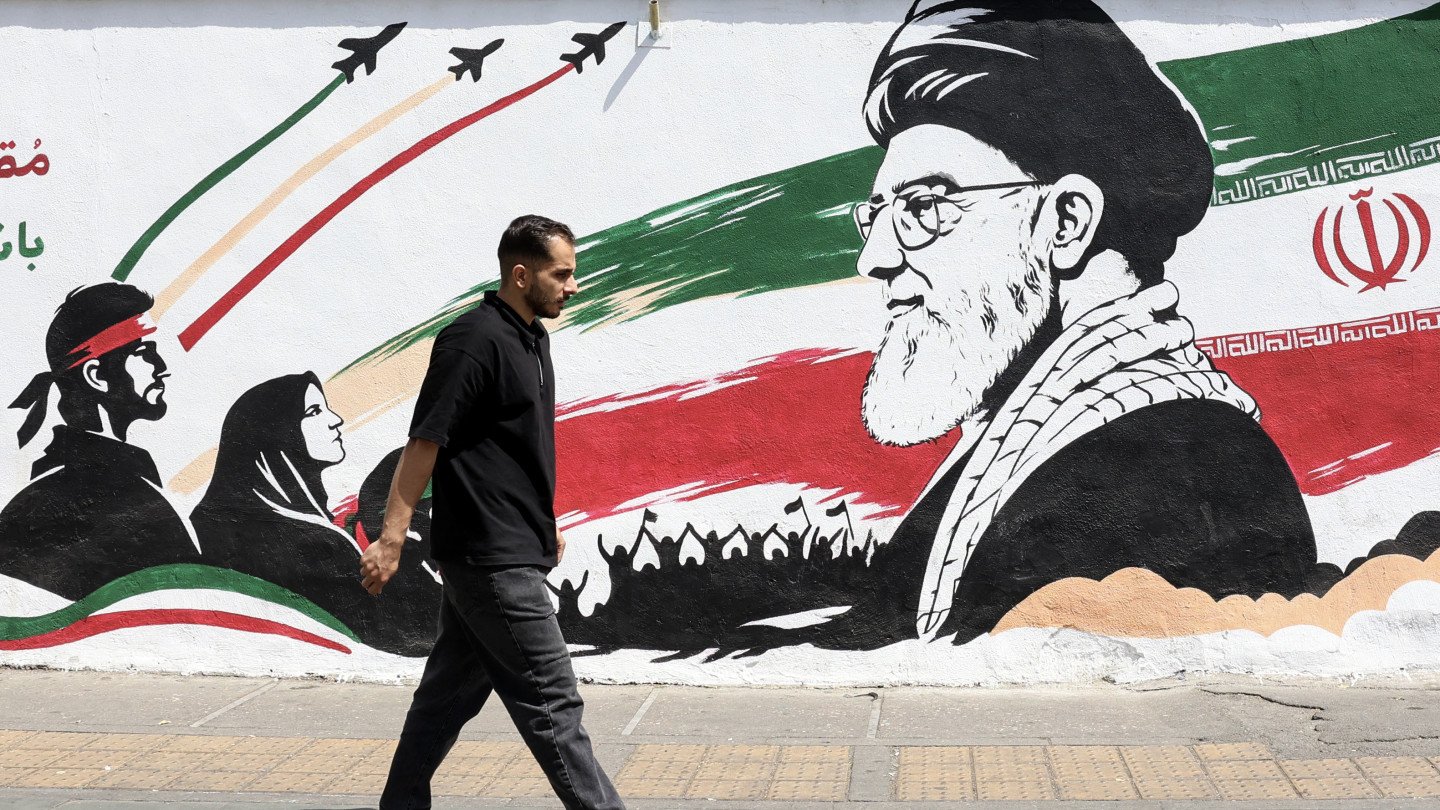
Postwar Iran is pursuing regional economic and security integration while managing Gulf divisions and persistent militia influence. Gulf states remain cautious, balancing engagement with Tehran against unresolved security concerns over armed groups and economic ties.
Postwar Iran is not retreating into isolation but is actively testing whether regional capitals will accept a revised security and economic architecture shaped by Tehran. The emerging contest is not simply between Washington’s containment vision and Iranian cooperation rhetoric; it is a struggle over who defines the region once direct hostilities subside.
Gulf governments, Iraq, and Turkey are responding to Iranian overtures with caution, competition, and selective engagement. Tehran’s emphasis on economic integration and security dialogue offers a pathway for reintegration, yet persistent influence over armed groups in Iraq, Lebanon, and Yemen complicates any durable bargain. Postwar Iran must therefore manage a fundamental tension: offering partnership to Gulf states while preserving militias that those same states see as threats.
The order being negotiated is highly uneven, marked by divergent Saudi and Emirati priorities, Turkish opportunism, and unresolved questions about militia autonomy. Regional states are not rejecting Iran outright, but they are also not prepared to trade security dependence on Washington for uncertain guarantees from Tehran. Economic cooperation, maritime security, and security-sector reform will determine whether this order stabilizes or fragments further.
Postwar Iran Seeks New Role
In recent months, both US President Donald Trump and leading Iranian officials have spoken of competing visions of a new political and security order in the Middle East.
During a July meeting with Iraq’s new prime minister Ali al-Zaidi, President Trump stated that “the Middle East is coming together like it’s never come together before” as a result of Iran’s declining influence in the region.
A month later, during an official state visit to Iraq, Iran’s parliament speaker Mohammad Bagher Qalibaf said that Tehran aims to strengthen “the new order in the region” and accelerate “cooperation between all countries in the region without foreign interference”.
Against this backdrop, what kind of political, security and economic architecture is Tehran attempting to build, and how receptive are other regional capitals to this?
From isolation to cautious integration
During his official visit to Iraq, Parliament Speaker Mohammad Bagher Qalibaf stated that “the Islamic countries of the region should pursue deep security interactions and relations” that are “made sustainable through economic cooperation”. He added that Iran is “ready” for both.
Although to differing extents, regional capitals appear prepared to engage with this framework. This stands in contrast to some Gulf states’ attempts to isolate and contain Iran during the first Trump administration.
The clearest example of such collaboration is the ongoing Oman-Iran discussions over how to manage the Strait of Hormuz.
For other states, both the nature and scale of such cooperation remain to be seen.
Gulf States Split on Engagement
“Saudi Arabia and the UAE remain the two most influential Arab powers in the Gulf, but they are pursuing somewhat different visions of regional order. Saudi Arabia has focused on de-escalation with Iran while also investing in new security arrangements through the expanded Mecca Pact with partners such as Turkey and Pakistan,” Neil Quilliam, an Associate Fellow at Chatham House, told The New Arab.
“The UAE has continued to pursue a more networked approach, maintaining close ties with the US and deepening its relationship with Israel while preserving channels of communication with other regional actors,” he added.
Turkey also seems receptive to the prospect of Iran’s regional reintegration. Speaking at a joint press conference in Istanbul with Pakistani Prime Minister Shehbaz Sharif on 4 July, Turkish President Recep Tayyip Erdoğan welcomed the US-Iran Memorandum of Understanding and argued that “no solution that does not draw strength from the will and contribution of regional countries can be permanent”.
Still, Ankara has been one of the principal beneficiaries of the contraction of Iranian influence, gaining room for manoeuvre in both Syria and Iraq.
“Ankara’s relationship with Tehran is one of cautious neutrality, delicately balancing strategic competition with shared interests,” Tarik Ata, Director of Geopol Report, told The New Arab.
“Türkiye does not want Iran to collapse, but rather a weakened and contained Tehran that cannot dominate the region. At the same time, Ankara seeks to exploit the resulting strategic vacuum to advance its own regional and energy ambitions.”
What appears to be emerging, then, is less a shared vision of a regional order than a growing consensus that regional powers should play a greater role in shaping it, even as they continue to compete over the distribution of influence within that system.
The militia question
The future of Iran-linked groups in the region has shaped the trajectory of the Iran-US war and will almost certainly shape the emerging post-war regional order.
Article 1 of the Iran-US Memorandum of Understanding, signed on 18 June to provide a framework for ending the war, explicitly calls for a permanent end to military operations on all fronts, including in Lebanon.
Yet Iran condemned a later US-backed agreement between Israel and Lebanon to disarm Hezbollah as a violation of the MoU, indicating Tehran’s continued resistance to efforts to dismantle its regional network of armed allies.
In a similar vein, during his recent visit to Iraq, Qalibaf emphasised the enduring importance of the “Resistance” – a reference to Iran-linked armed groups there.
These groups therefore complicate not only Washington’s vision for the post-war regional order, but also Tehran’s own efforts to deepen ties with Gulf states, where Iran-linked armed groups have long been viewed as destabilising non-state actors.
Saudi Strikes Test Iran Ties
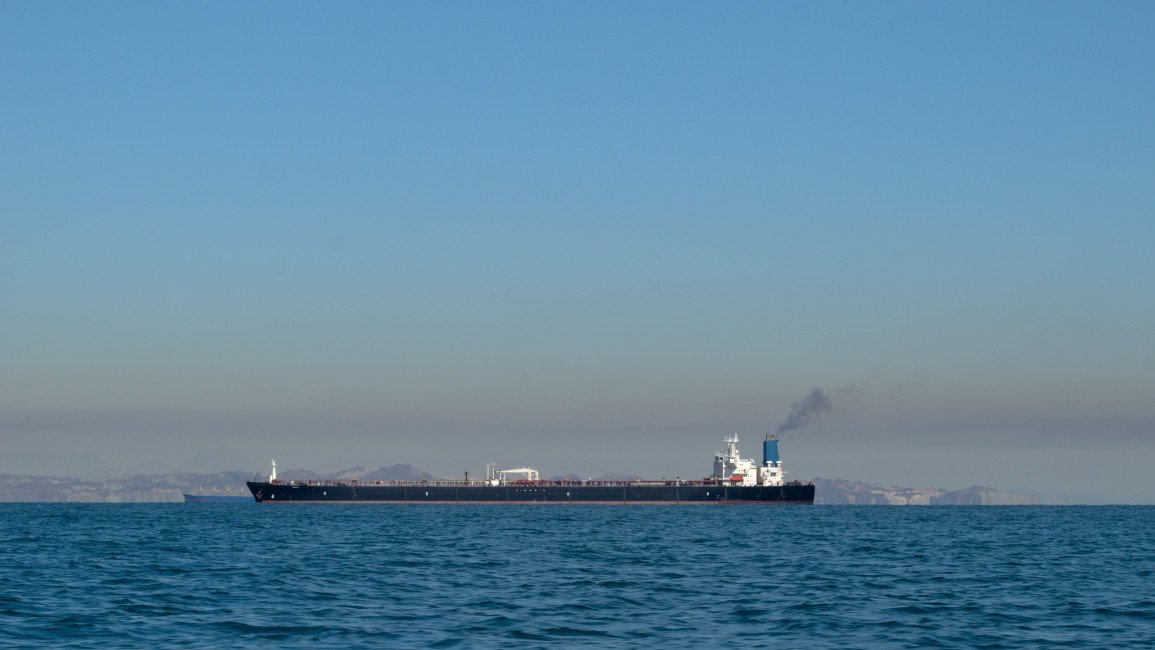
That tension became particularly visible in late July. On 29 July, Saudi Arabia launched joint airstrikes with the US against Iran-linked militia positions in Iraq, after Riyadh said Iraqi armed groups had carried out attacks on Saudi oil facilities.
The strikes came as Saudi Arabia was also facing renewed pressure from Yemen’s Houthi movement, which had announced a maritime blockade targeting Saudi oil exports through the Red Sea earlier that month.
The question, then, is how far regional states are willing to deepen political, economic and security ties with Iran while these groups retain significant military autonomy from the states in which they operate.
Just as importantly, it remains unclear how far Tehran is prepared to accept security-sector reforms – particularly those currently underway in Iraq – that could reduce its influence over the armed groups that have long formed an important part of what Tehran says is its deterrence capability.
Economic cooperation
Qalibaf’s recent statements in Baghdad suggest that Iran sees regional economic integration as a guarantor of long-term security cooperation across the region.
Whether other regional states are receptive to this model remains to be seen, and engagement is unlikely to be uniform across the Gulf.
As the US-Iran war continues, some Gulf states have voiced opposition to further US economic measures designed to isolate Iran. Qatar’s foreign ministry spokesperson Majed al-Ansari said on 25 August that these sanctions were “unilateral” and contrasted them with Doha’s commitment to de-escalation.
Postwar Iran Faces Economic Hurdles
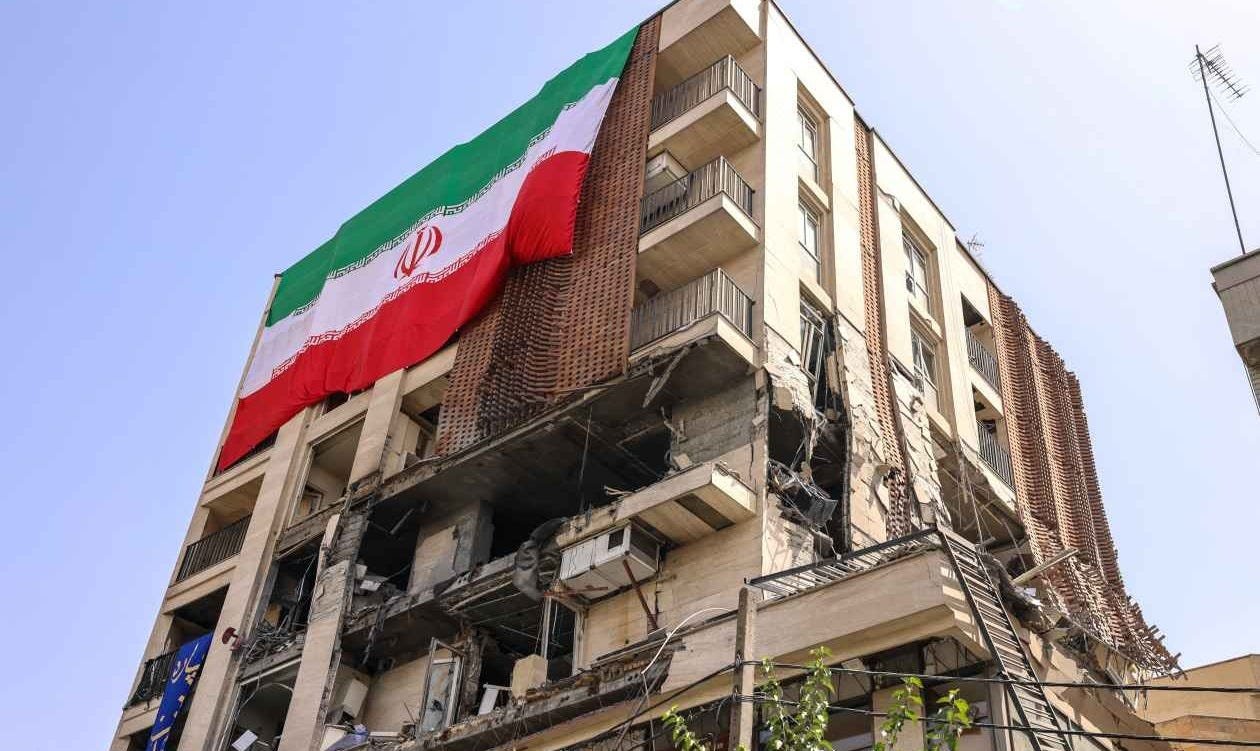
Meanwhile, the UAE announced on 18 August that it would halt all trade and banking cooperation with the Islamic Republic “indefinitely”, a day before Trump warned on Truth Social that countries continuing to provide Iran with economic lifelines would face “tremendous economic consequences” under what he called an “economic D-Day”.
“Recent Emirati moves to suspend trade and financial ties with Iran suggest that security concerns are beginning to outweigh some of the economic benefits of engagement,” Quilliam said.
Ultimately, how this model develops appears to depend both on what security concessions Iran is willing to make and on whether trust between Tehran and Gulf capitals can be restored.