
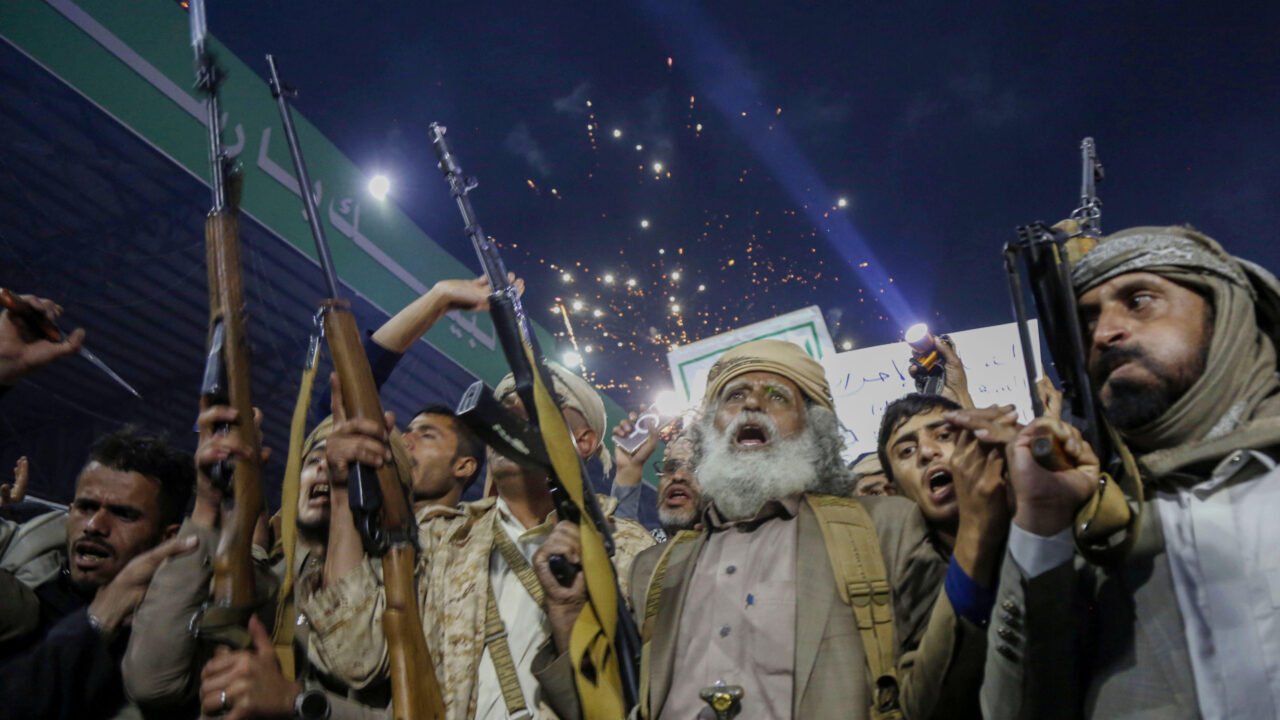
Houthi missile attacks on Saudi tankers and Aramco assets threaten crude exports through the Red Sea. As Tehran pressures Riyadh by demanding a blockade at Bab al-Mandab, Saudi leaders evaluate expanding military options alongside American forces to secure critical trade routes.
Houthi missile strikes against Red Sea tankers have shattered Riyadh’s fragile neutrality, placing the severe Saudi dilemma front and center for regional security. As targeted attacks hit Aramco energy assets and disrupt critical export routes, Gulf leaders realize diplomatic insulation cannot shield their economy. This escalating pressure exposes the core Saudi dilemma: accept crippling maritime blockades or launch direct military counterstrikes alongside American forces.
Saudi dilemma threatens energy routes
The next phase of the war between the US and Iran may be decided not in the Gulf but in Yemen. The Houthis’ decision to blockade Saudi Arabia in the Red Sea—including by attacking two Saudi ships as well as Aramco’s oil infrastructure—could become a turning point in the wider conflict. Such escalation could force Riyadh to reconsider the diplomacy-first strategy that has defined both its response to the Iran war and its handling of Yemen after a costly military intervention failed to uproot the Houthis.
Staying out of the war
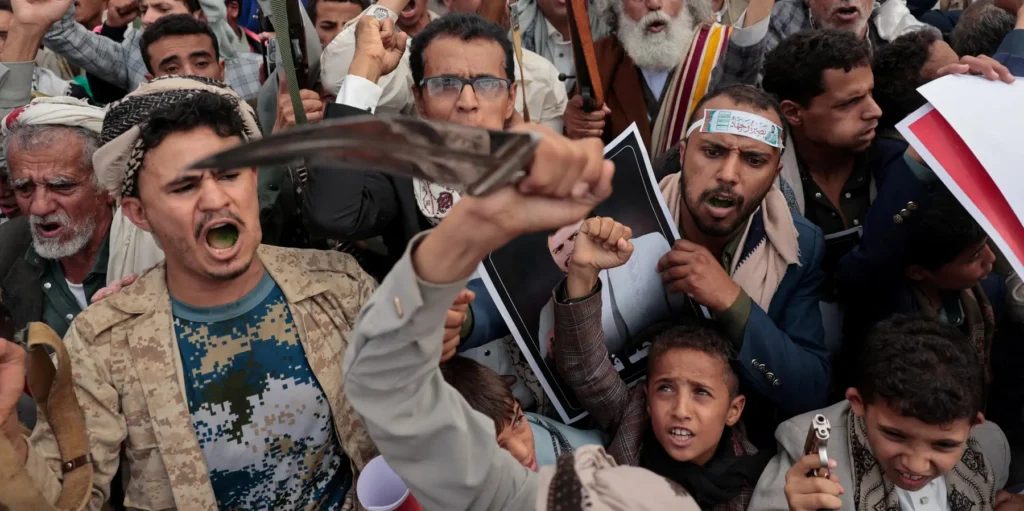
Since the Iran war began in February, Riyadh has maintained channels with Tehran and urged Washington to pursue de-escalation, diplomacy and an end to the war. This strategy stems from Saudi Arabia’s exposure to prolonged turmoil and its determination to avoid being dragged into a war.
The Saudi dilemma deepens daily
There is also a more immediate Saudi calculation. By keeping lines open with Tehran, Riyadh sought, with partial success, to persuade Iran to spare the kingdom the kind of retaliation it directed at the UAE, whose support for the US-led war has been overt. Restraint has also strengthened Saudi diplomacy with the Houthis and helped preserve an uneasy truce.
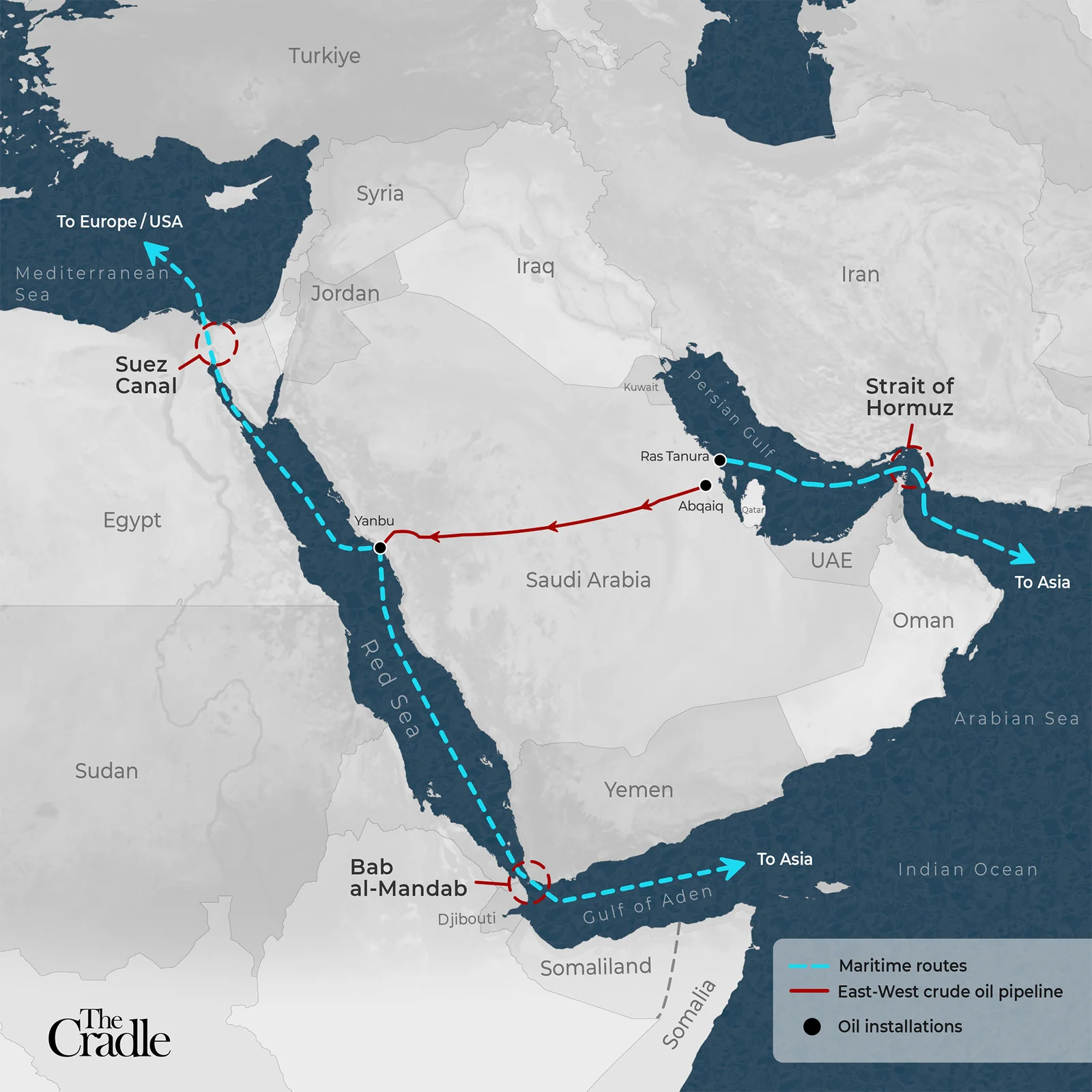
This diplomatic approach has also allowed Riyadh to keep exporting oil even as Hormuz remained closed. Crude continued to flow through the East-West Pipeline from the Eastern Province to Yanbu on the Red Sea, preserving access to Asian markets, which account for up to 70% of Saudi crude exports. While the route still handles only a fraction of export volumes during peacetime, it provided Saudi Arabia with an economic lifeline while easing pressure on global markets.
Escalation deepens the Saudi dilemma
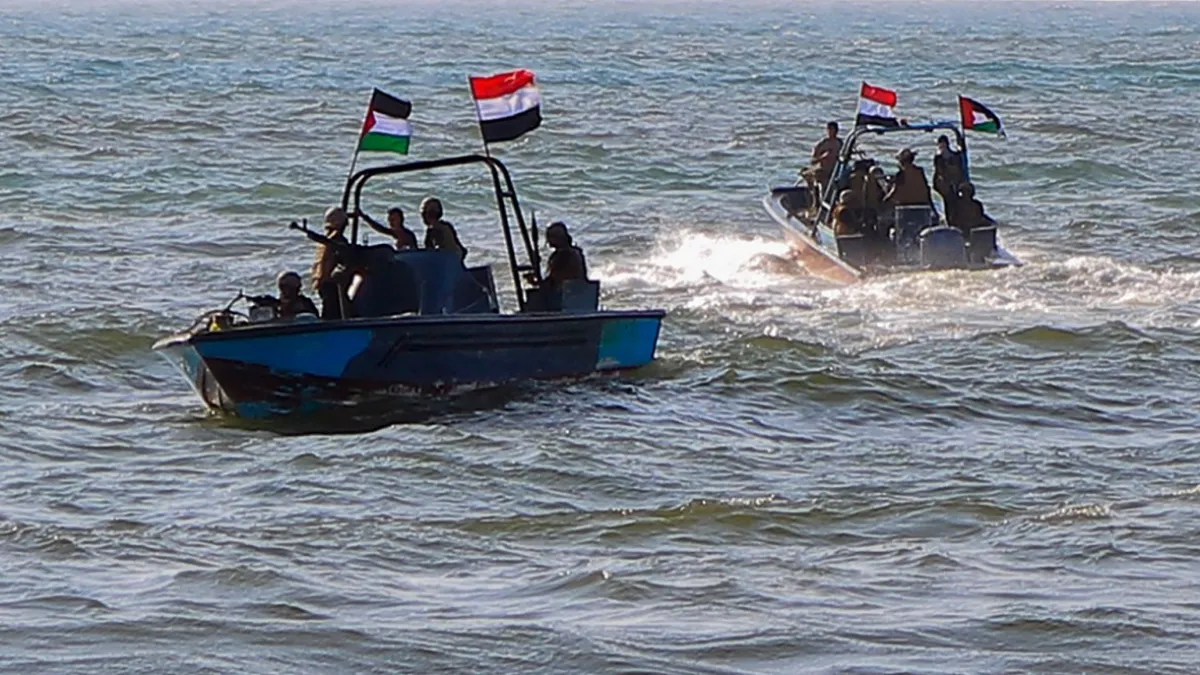
That arrangement is now under strain. After Saudi-backed forces in Yemen struck the runway at Sana’a airport to prevent Iranian aircraft from landing (arguing they were enforcing a no-fly embargo on military supplies), the Houthis launched ballistic missiles and drones at southern Saudi Arabia, ending a four-year truce.
The attacks appear to reflect a shift in Iran’s strategy towards the kingdom. As the US expanded its attacks on Iranian infrastructure, Tehran has reportedly asked the Houthis to prepare to close Bab al-Mandab and threatened the East-West Pipeline directly, declaring a “port against port” doctrine under which Gulf infrastructure hosting American operations would become targets. By threatening both Hormuz and the Red Sea, Tehran appears to seek to raise the global cost of the American campaign—while again overestimating Riyadh’s ability to press Washington for de-escalation.
Saudi dilemma forces tough choices
Riyadh’s choice
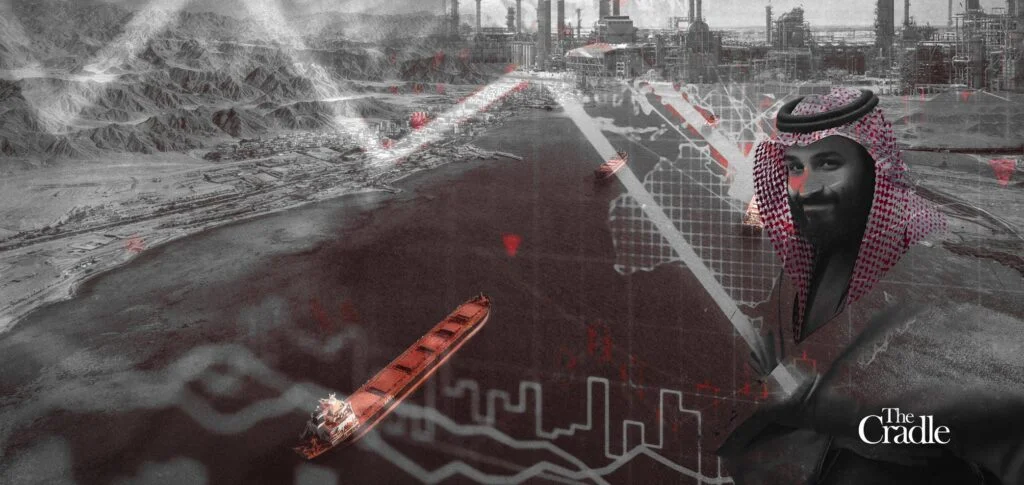
Saudi Arabia must now decide how to respond. If the Houthis fail to cause meaningful disruption at Yanbu and the East-West Pipeline, it may seek a new exclusion agreement with the group and Iran. Under such an arrangement, Saudi tankers, ports and infrastructure would be removed from their target list in exchange for restrictions on refuelling American aircraft and on intelligence support for American operations, as well as tighter controls on the Saudi-backed Yemeni forces.
Tehran would also expect Riyadh to keep pressing the White House for de-escalation. The Houthis would likely demand concessions of their own too, such as resumed flights to Sana’a, access to the port city of Hodeidah, salary payments and a more formal recognition of their authority in northern Yemen.
If, however, the Houthis continue to block Saudi exports while attacking Yanbu, the East-West Pipeline or other critical infrastructure such as Aramco facilities, Riyadh may conclude that diplomacy has become a mechanism for managing its own strangulation. At that point, accommodation could be more dangerous than escalation. Saudi Arabia could then move closer to the American campaign against Iran while also reviving its own war against the Houthis. That would draw the Arab world’s most influential state directly into the conflict, making it far harder to contain.
Riyadh would first try to deal with the Houthis. Saudi Arabia has already struck Houthi sites at the port of Hodeida and on Kamaran island. The next steps would likely involve coordination with the UAE. Abu Dhabi has long argued that Riyadh’s accommodation with the group was doomed to fail. After their public split around Yemen, the two Gulf powers now have a shared incentive to confront a common enemy. The UAE-backed forces in the south have already mobilised alongside the Saudi-backed internationally recognised Yemeni government, attacking Houthi missile and drone launch sites as well as weapons depots in Marib and Al-Jawf.
Resolving the Saudi dilemma globally
Avoiding a wider war
Such an escalation would be an enormous gamble for all sides. Iran would end up facing a broader coalition. Saudi Arabia would be joining an American military campaign that is yet to deliver a decisive blow against Iran, while reopening a conflict in Yemen that it previously failed to settle. Iran has already demonstrated that it can keep Hormuz closed despite US strikes, showing it retains highly dispersed missile and drone systems able to sustain a prolonged war at a very low cost. The Houthis can do much the same in the Red Sea. Meanwhile, a renewed ground war in Yemen could reignite the country’s longstanding civil war.
Europe has every interest in preventing that outcome. A prolonged closure of Bab al-Mandab would disrupt the Suez route, increase energy and shipping costs and heap further pressure on the European economy. If Saudi Arabia abandons restraint against Iran and the Houthis, the chances of a diplomatic settlement that addresses both Hormuz and the region’s wider security architecture would diminish significantly.
The EU is now considering expanding the mandate of Operation Aspides to include minesweeping, amid concerns that Iran or the Houthis could use naval mines to keep Bab al-Mandab closed even after de-escalation. But naval and economic plans should support, not replace, diplomatic efforts. Europeans should use their channels with mediators, including Pakistan, Qatar and especially Oman to dissuade Iran from opening new fronts in Bab al-Mandab and against Saudi Arabia, while also pressing Trump to hold back from widening American attacks to core Iranian infrastructure.