
The collapse of the US-Iran ceasefire has reignited the Strait of Hormuz crisis, driving up oil prices and shipping risk as Washington and Tehran trade strikes without crossing into full-scale war, leaving major importers like India exposed to renewed energy volatility.
The collapse of the June 2026 ceasefire has plunged the Strait of Hormuz crisis back into the center of global strategic attention, with Iran’s closure threat and renewed US strikes exposing how quickly crisis-management arrangements can unravel without deeper political resolution. What distinguishes this flare-up from earlier confrontations is the scale of exposure it reveals: nearly a fifth of global petroleum liquids and a major share of LNG exports transit this single chokepoint, meaning localized military exchanges now translate almost instantly into rising Brent crude prices, shipping delays, and inflationary pressure worldwide.
For major energy importers like India, the episode underscores a structural vulnerability that years of supplier diversification have reduced but not eliminated. The deeper question the crisis raises is whether Washington and Tehran are managing a temporary flare-up or signaling that Gulf stability will remain permanently contingent on unresolved nuclear diplomacy.
The Strait of Hormuz Crisis Follows Ceasefire Collapse
The fragile ceasefire reached between the United States and Iran in June 2026 has effectively collapsed, bringing the Strait of Hormuz back to the centre of one of the world’s most consequential geopolitical confrontations. Renewed military exchanges underscore a familiar reality: despite repeated attempts at de-escalation, the strategic logic driving both Washington and Tehran remains fundamentally unchanged.
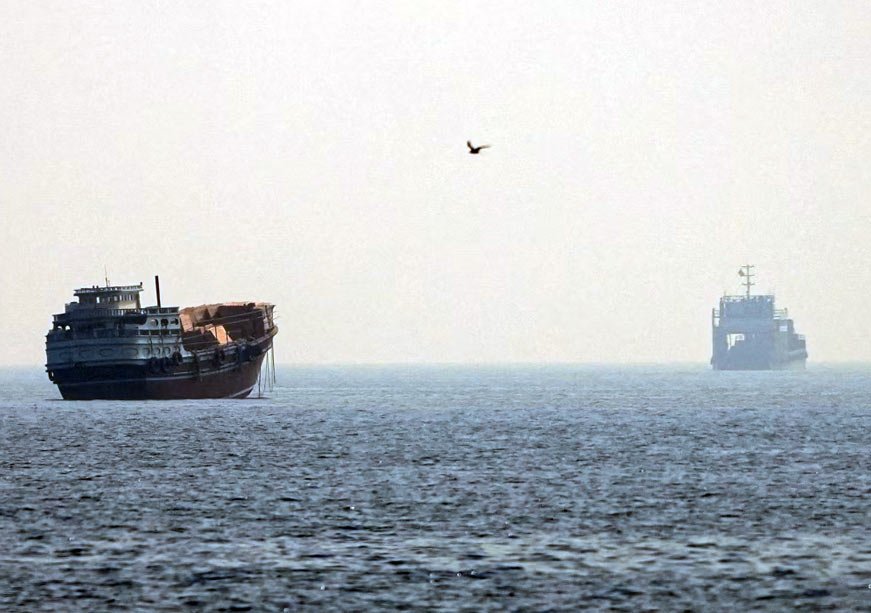
The latest crisis was triggered after Iran’s Islamic Revolutionary Guard Corps (IRGC) Navy announced that the Strait of Hormuz would remain “closed until further notice” following attacks on commercial shipping, including a Cyprus-flagged container vessel. Tehran justified its actions by accusing external powers of destabilising the region and demanding that all maritime traffic comply with Iranian security protocols.
Washington responded with calibrated but sustained military operations targeting Iranian missile infrastructure, drone facilities, naval assets, ports, and air defence systems. The US Central Command described the strikes as necessary to degrade Iran’s capacity to threaten international shipping while reaffirming the principle of freedom of navigation. US President Donald Trump has simultaneously floated the possibility of reinstating elements of a maritime blockade and imposing transit fees for secure passage, even as he has insisted that the waterway must remain open to global commerce. Tehran, in turn, has warned Gulf Arab states against supporting American operations.
The immediate consequence has been a sharp slowdown in maritime traffic through one of the world’s most critical energy corridors. Shipping delays, rising insurance premiums, and heightened military deployments have once again exposed the fragility of global supply chains. Although diplomatic channels remain open, the pattern of limited strikes and retaliatory actions suggests that both sides are seeking to establish deterrence without crossing the threshold into a full-scale regional war.
Why the Strait of Hormuz Crisis Matters Globally
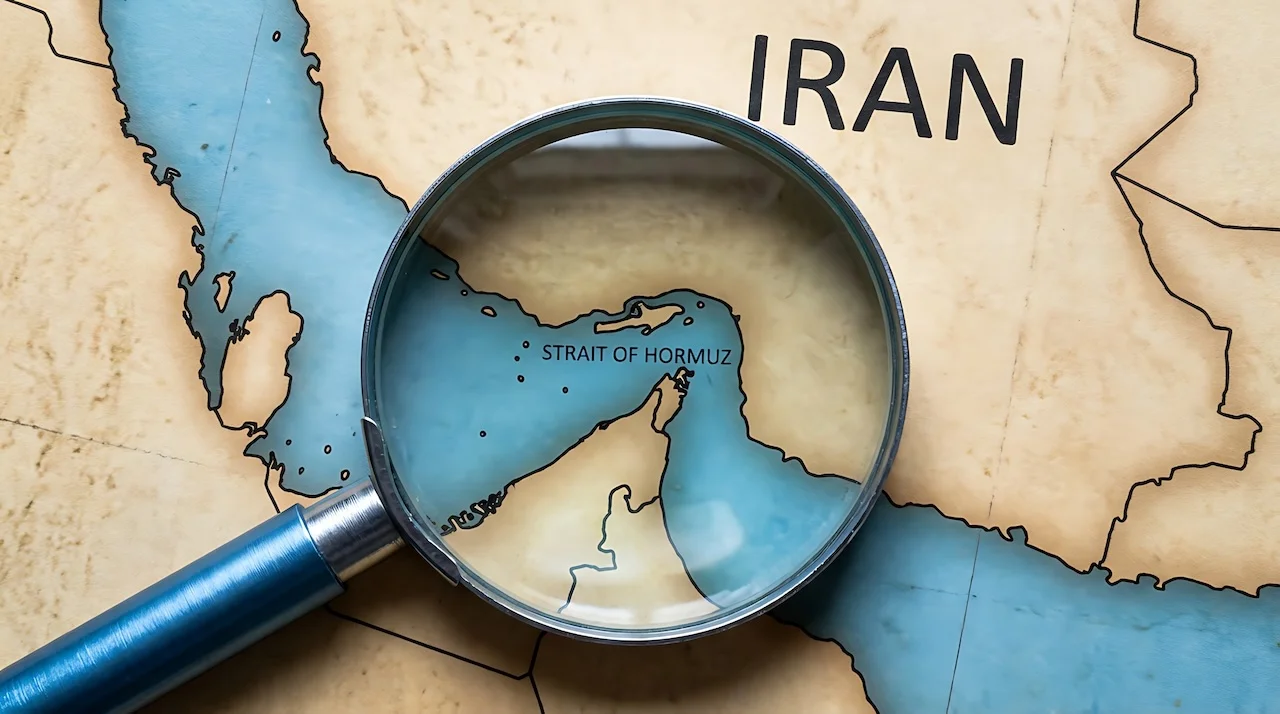
The Strait of Hormuz occupies an outsized position in international politics because of its strategic geography. Connecting the Persian Gulf with the Gulf of Oman, it facilitates the transit of nearly one-fifth of global petroleum liquids and a significant proportion of the world’s liquefied natural gas exports, particularly from Qatar. Any disruption to this narrow maritime passage has immediate global consequences.
For Iran, the Strait represents its most potent strategic lever. Even without sustaining a prolonged closure, Tehran can generate significant economic and political pressure through threats to commercial shipping, naval harassment, mining operations, or attempts to impose transit regulations. This capability has long served as a critical instrument of deterrence, particularly during periods of sanctions or military confrontation.
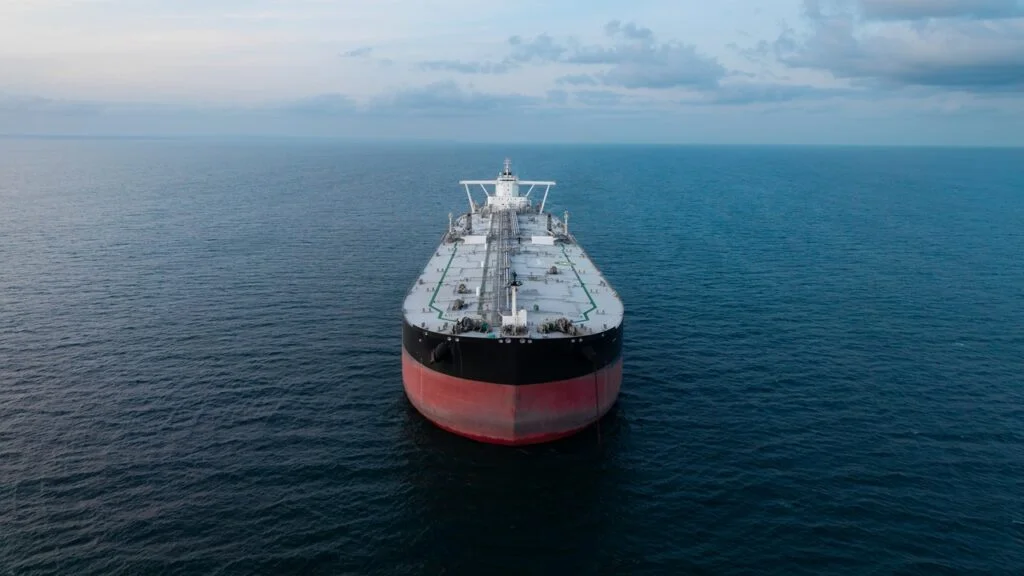
For the United States and its regional partners, maintaining freedom of navigation is a strategic imperative. Secure access through the Strait underpins the stability of global energy markets, reassures Gulf allies, and protects international commercial shipping. Any prolonged disruption risks triggering energy price shocks, inflationary pressures, and broader geopolitical instability.
How the Strait of Hormuz Crisis Fits a Wider War
The present confrontation cannot be viewed in isolation. It represents the latest phase of the wider 2026 conflict that witnessed US and Israeli strikes on Iranian military infrastructure, Tehran’s attempts to challenge maritime access in the Gulf, and subsequent American naval deployments. The June ceasefire was intended to halt hostilities, reopen the Strait, and create space for renewed nuclear diplomacy. Its collapse demonstrates the limited durability of crisis-management arrangements in the absence of deeper political accommodation.
The conflict increasingly reflects a contest over strategic signalling as much as military capability. Iran seeks to demonstrate that external military pressure will carry significant economic costs, while the United States aims to reinforce the credibility of its regional security commitments and deter further challenges to international maritime norms.
Global Markets Feel the Strait of Hormuz Crisis
The implications extend well beyond the Gulf. Energy markets remain particularly vulnerable. Brent crude has already moved above US$79 per barrel, with the possibility of sharper increases should disruptions persist. Sustained uncertainty would affect global inflation, shipping costs, and industrial supply chains at a time when many economies remain sensitive to energy price volatility.
From a security perspective, the risks of miscalculation remain high. Continued exchanges could draw additional regional actors into the conflict while further militarising one of the world’s most heavily trafficked maritime corridors. The crisis also raises broader questions about the resilience of international norms governing freedom of navigation.
Diplomatically, renewed hostilities further complicate prospects for nuclear negotiations while reinforcing the growing fragmentation of regional security arrangements. The Gulf continues to illustrate how unresolved political disputes increasingly intersect with the vulnerabilities of the global economy.
India Weighs Fallout From the Strait of Hormuz Crisis
For India, developments in the Strait of Hormuz have direct strategic and economic consequences. As the world’s third-largest importer of crude oil, India remains heavily dependent on energy supplies transiting the Strait. A substantial proportion of its crude oil, liquefied natural gas, and LPG imports pass through this corridor, making prolonged disruption a significant concern for energy security.
Higher global oil prices would inevitably translate into increased fuel costs, elevated transportation expenses, inflationary pressures, and a widening current account deficit. These developments could complicate macroeconomic management and place additional pressure on public finances.
Over the past few years, India has sought to reduce these vulnerabilities through diversification of energy imports, greater reliance on suppliers such as Russia, the United States, Brazil, and West African producers, expansion of strategic petroleum reserves, and investments in port infrastructure capable of handling very large crude carriers. These measures enhance resilience but cannot fully insulate the Indian economy from prolonged instability in the Gulf.
What Comes Next in the Strait of Hormuz Crisis
The current crisis demonstrates that the Strait of Hormuz remains one of the world’s most consequential strategic chokepoints, where regional rivalries and great-power competition converge with the functioning of the global economy. While both Washington and Tehran appear intent on avoiding an all-out war, the continued cycle of coercion and retaliation significantly raises the risks of miscalculation. For India, as for much of the international community, the central challenge will be navigating an increasingly uncertain regional security environment while safeguarding long-term energy and economic interests.