
Consecutive US strikes failed to reopen the Strait of Hormuz, where Iranian coastal missiles and fast attack craft threaten 20% of global oil shipments. Geographic constraints neutralize conventional naval superiority and spike insurance costs across energy markets.
Washington’s tactical strikes against Tehran have failed to force open the Strait of Hormuz, exposing severe limits in Western power projection. Through low-cost coastal defenses and swarming mine layers, Iran asymmetric warfare now holds global energy security hostage while imposing catastrophic insurance risk on commercial shipping.
Iran Asymmetric Warfare Disrupts Strategic Shipping Lanes
The United States launched strikes against Iranian targets for a sixth consecutive night on Thursday, suggesting to observers that the war is far from settled. Although US and Iranian negotiators agreed to a 14-point memorandum of understanding in June, backlash to that agreement in Washington appears to have led the Trump administration to resume the war in the hope of reaching a better deal.
The resumption of the war appears to have once again sealed off the Strait of Hormuz, in spite of Trump’s insistence that the US Navy could be used to escort ships in and out. It may seem strange to some observers that the United States, operator of the world’s strongest navy, cannot simply escort oil tankers through the strait, guaranteeing free passage through one of the world’s most important waterways. Indeed, the United States did exactly that during Operation Earnest Will in 1987–88, during the final stage of the Iran–Iraq War.
For various reasons, this is no longer possible. On paper, the United States dwarfs Iran in terms of naval power. Yet discrepancies in fleet size can’t account for Iran’s geographical advantages, which Iran has further exploited through the intentional exploitation of asymmetric means.
The Strait of Hormuz Is an Asymmetric Nightmare for America Connecting the Persian Gulf to the Arabian Sea via the Gulf of Oman, the Strait of Hormuz is the throughway for roughly 20 percent of the world’s oil. Major users of the strait include Saudi Arabia, Iran, Iraq, Kuwait, the United Arab Emirates, and Qatar, whose oil fields all lie behind the critical chokepoint. Because of the fungibility of oil, any disruption to the flow of exports through Hormuz has an immediate effect on global energy markets, even markets thousands of miles away from the Middle East with no obvious connection.
Coastal Chokepoints Expose Iran Asymmetric Warfare Strengths
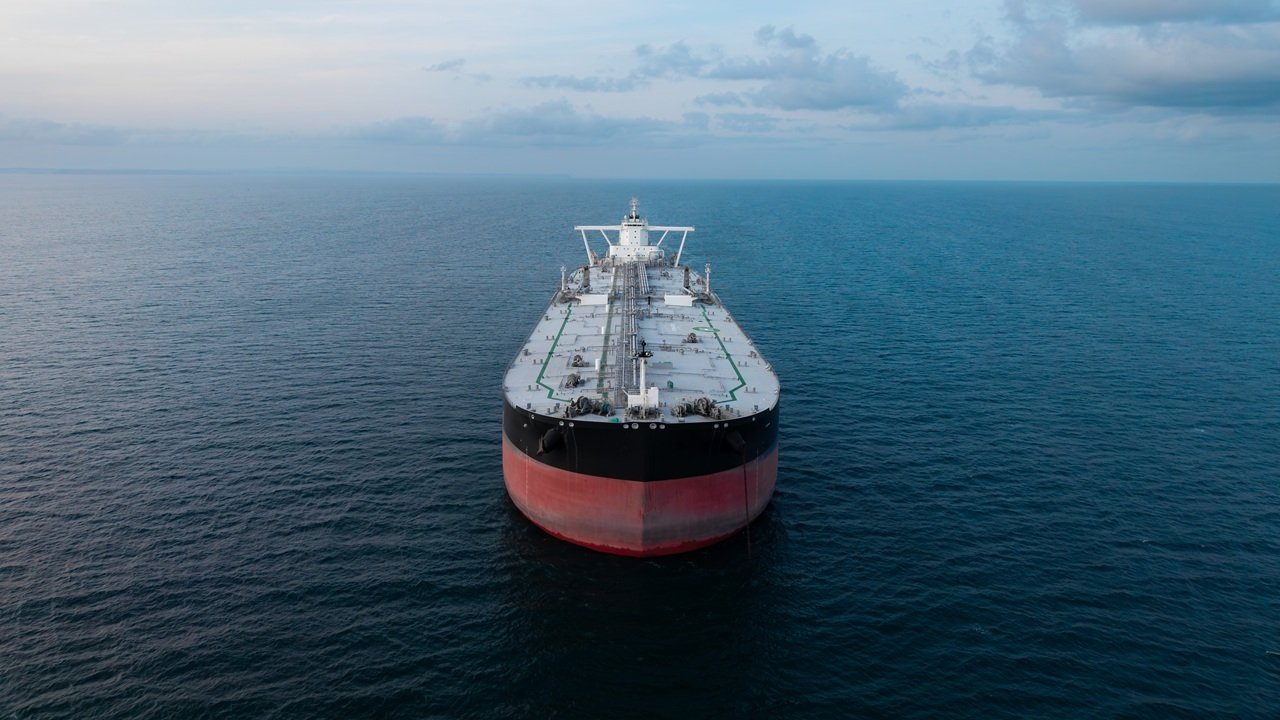
Because of the strait’s geography, Iran is positioned to dictate access. The narrowest point of the strait is only about 21 miles wide. Commercial tankers pass through the strait in designated shipping lanes—an inbound and outbound lane, each about 2 miles wide and separated by a buffer zone. The purpose of these restrictions is to ensure a clear environment, relatively free of dangers like hidden rocks, where all tankers know where all others are at any given time. However, in military terms, this environment makes the huge crude carriers sitting ducks: in their lane, they are predictable and slow-moving targets that cannot zig-zag or easily evade threats.
Iran understands this problem, and has attempted to exploit it for geopolitical advantages. Iran cannot defeat the US Navy in an open fight, but it does not need to; it does not need to attack US aircraft carriers, merely relatively weaker oil tankers, in order to grind oil traffic through the strait to a halt and deal a catastrophic blow to the US economy.
Iran has focused its entire coastal defense strategy for this purpose; it has hidden coastal anti-ship cruise missiles along the mountainous shore, prepositioned mobile launchers in dispersed firing positions, and set up underground “missile cities” resistant to US bombing. The terrain plays to Iran’s advantage; its mountainous northern coastline provides concealment, elevated firing positions, and natural protection from air attack.
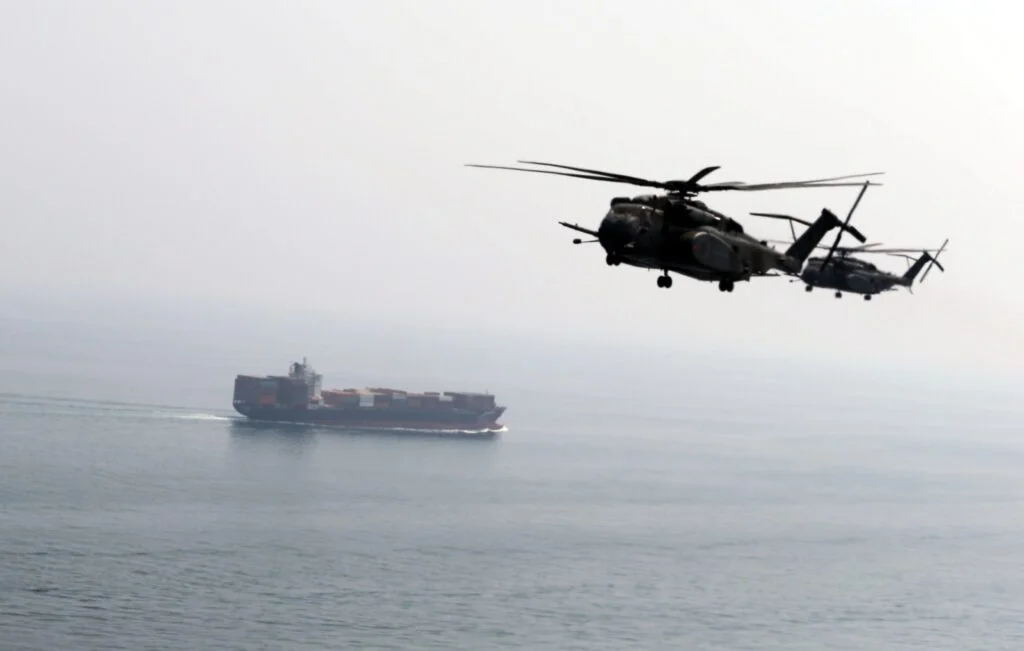
In addition to its vast missile stockpile, Iran’s other major threat is its swarm of fast attack boats, which can quickly approach from multiple directions, fire missiles and drones, lay naval mines, and retreat into the rocky coastline before the United States can respond. Rather than defeating a large US Navy vessel outright, these systems complicate operations and force the US to defend on several axes simultaneously. America Is Playing Whac-a-Mole with Iran’s Naval Capabilities From the US Navy’s perspective, the frustration with this style of warfare is palpable.
The US can destroy, and to a large extent has destroyed, much of Iran’s conventional fleet. But this does not mean it is safe for ships to pass through Hormuz. Iran can continue threatening commercial traffic with hidden missile batteries, mines, and drones. Crucially, Iran does not even need to deploy any weapons; merely the threat of doing so is enough to raise insurance costs of vessels through the strait. Even a 1 percent chance of losing a $100 million oil tanker and its cargo is enough to make most shipping companies balk.
Conventional Dominance Fails Against Iran Asymmetric Warfare
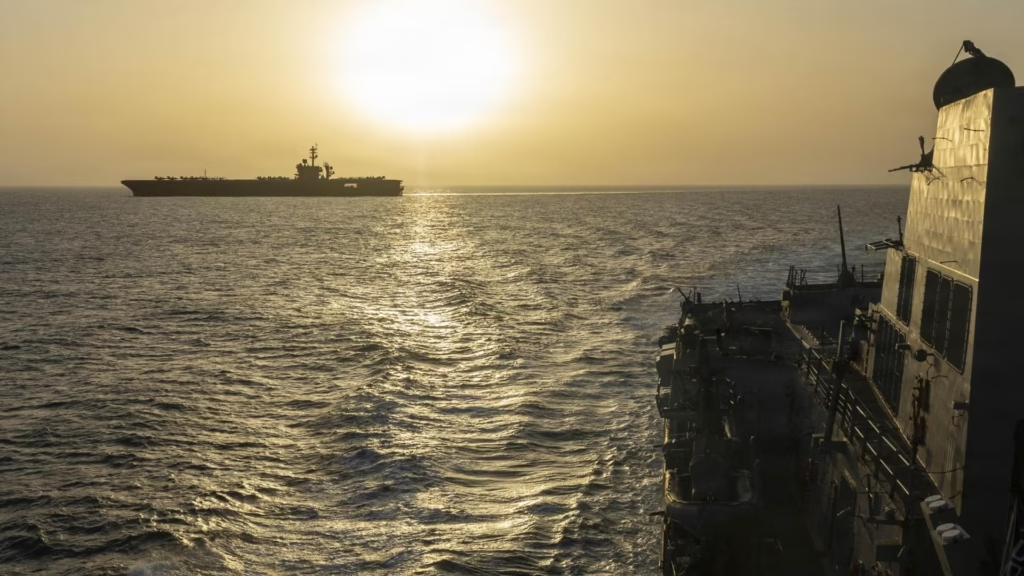
The Strait of Hormuz demonstrates the enduring importance of geography in warfare. And the US, despite owning an overwhelming blue-water naval advantage, is forced to operate at a notable disadvantage within the littoral chokepoints of the strait. The result is economic and political pressure that ripples throughout the world—a template for conducting war against great powers without impressive conventional forces.
Iran Asymmetric Warfare Limits Fleet Dominance
From the US Navy’s perspective, the frustration with this style of warfare is palpable. The US can destroy, and to a large extent has destroyed, much of Iran’s conventional fleet. But this does not mean it is safe for ships to pass through Hormuz. Iran can continue threatening commercial traffic with hidden missile batteries, mines, and drones. Crucially, Iran does not even need to deploy any weapons; merely the threat of doing so is enough to raise insurance costs of vessels through the strait.
Naval Dominance Mitigated By Iran Asymmetric Warfare
Even a 1 percent chance of losing a $100 million oil tanker and its cargo is enough to make most shipping companies balk. The Strait of Hormuz demonstrates the enduring importance of geography in warfare. And the US, despite owning an overwhelming blue-water naval advantage, is forced to operate at a notable disadvantage within the littoral chokepoints of the strait. The result is economic and political pressure that ripples throughout the world—a template for conducting war against great powers without impressive conventional forces.