
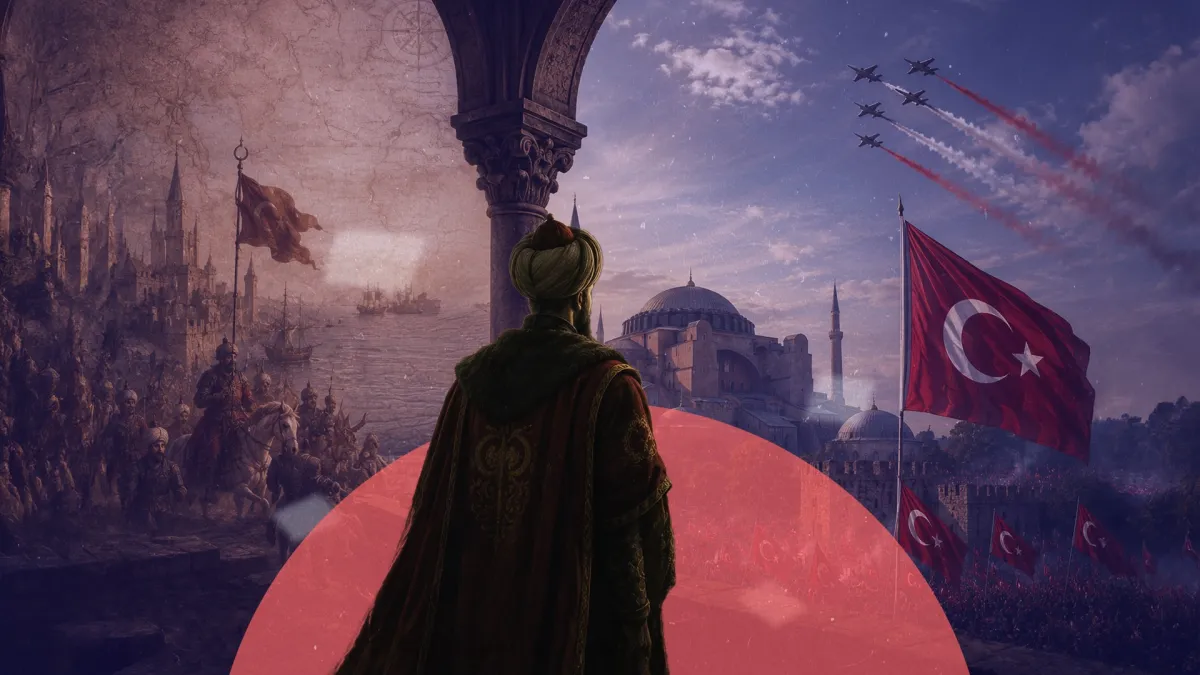
Turkey’s Conquest Celebrations project Ottoman might, yet ignore the empire’s pragmatic pluralism. Sultan Abdülhamid II banned victory parades to spare Greek grief. Recovering this forgotten governance model could resolve modern Turkish nationalist tensions and minority relations.
Turkey’s annual Conquest Celebrations reveal a state leaning heavily into Ottoman grandeur, yet this political theater masks a deep strategic irony. The Ottoman pluralism that once sustained a vast, multi-faith empire is absent from today’s nationalist pageantry, a model of governance that might resolve modern cultural tensions. Reclaiming this forgotten Ottoman pluralism offers Ankara a pathway from triumphalism toward sustainable domestic cohesion.
Ottoman pluralism Demands Restraint
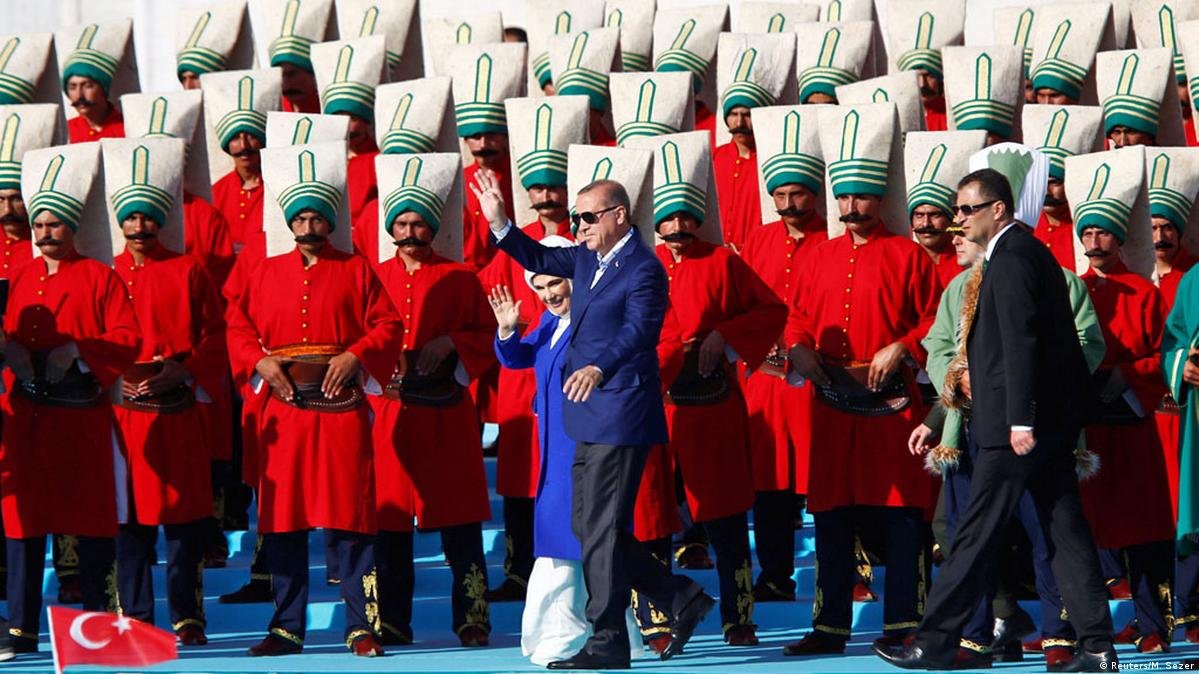
On May 29, Turkey’s greatest city, Istanbul, became the stage for a major spectacle: the “Conquest Celebrations,” marking the 573rd anniversary of the Ottoman capture of the city from Byzantium in 1453, and with it, the final extinction of the great Roman Empire. Thousands marched from the historic Fatih district accompanied by traditional military bands. Military jets streaked overhead, fireworks lit up the Bosphorus, and historical reenactments dramatized the historic siege.
The overall message was unmistakable: The Ottoman conquest of Constantinople was not merely a historical episode but a living pillar of Turkish national identity – which, in Erdoğan’s conservative version, is predominantly defined by Islam.
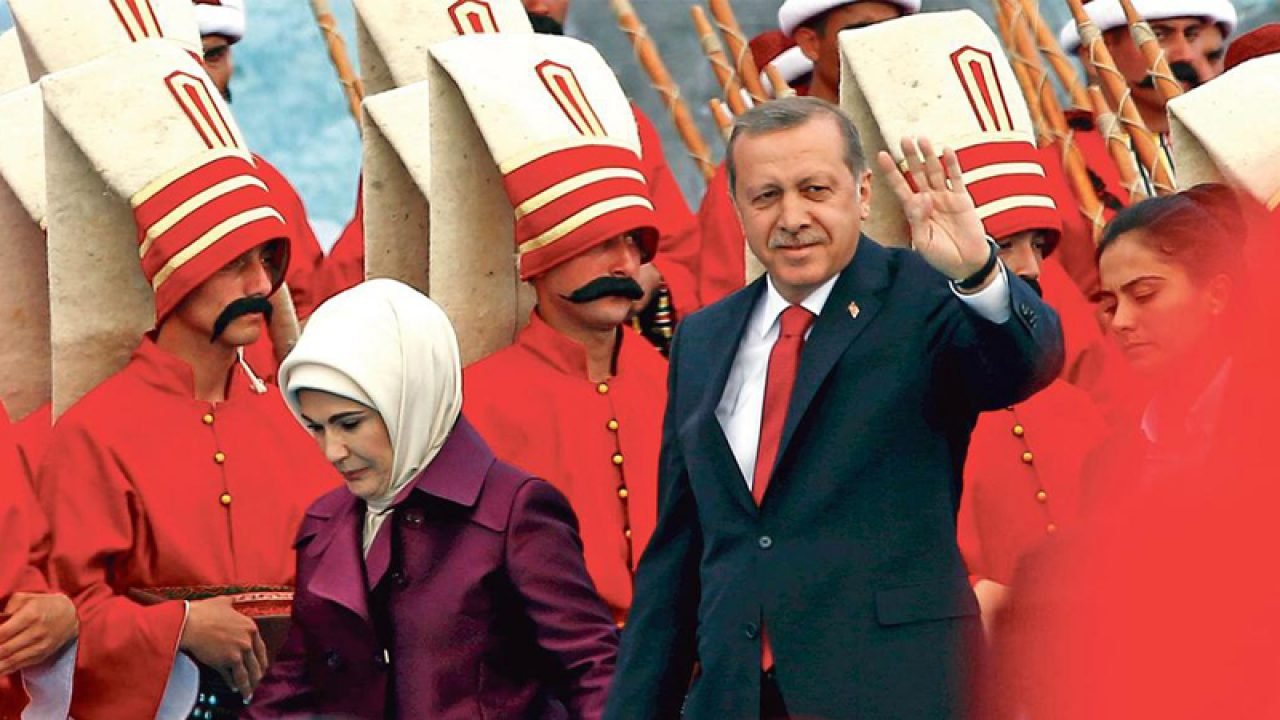
Meanwhile, President Recep Tayyip Erdoğan attended Friday prayers at Hagia Sophia, the Byzantine cathedral that was converted to a mosque after the Ottoman conquest, turned into a museum in 1935, and reconverted back to a mosque by Erdoğan in 2020. Later, he also spoke at a conference titled, “From the Conquest of Istanbul to the Conquest of Hearts,” where he hailed Ottoman Sultan Fatih Mehmed, the “glorious commander who conquered Istanbul at the age of 21,” as prophesied by none other than the Prophet Muhammad.
The overall message was unmistakable: The Ottoman conquest of Constantinople was not merely a historical episode but a living pillar of Turkish national identity – which, in Erdoğan’s conservative version, is predominantly defined by Islam.
Across the Aegean Sea, however, other eyes were watching – and not with admiration. Greek media described the commemorations, particularly the ceremonies at Hagia Sophia and the nationalist rhetoric surrounding them, as “provocative.” On social media, Greek nationalist accounts posted about how the fall of Constantinople was a dark episode marked by “violence, enslavement, and looting.” A Greek scholar, who often condemns “Turkish fascism,” criticized the conquest celebrations themselves as evidence of Turkey’s “dominant political culture steeped in anti-Western sentiment.” An analyst from Lebanon had a similar view, depicting the annual celebrations as “periodic reminder that Turkey is a civilizational enemy of the West.”
This annual ritual of grievance and celebration is familiar by now. Every May 29, both sides slip into their assigned roles – the triumphant and the bereaved, the celebrant and the mourner – in parallel narratives that seem hard to reconcile.
Yet there is a deeper irony lurking beneath these conflicting narratives, one that implicates both sides: The Ottomans themselves were more restrained, and more considerate of the sensitivities of others, than their self-proclaimed heirs are today.
The Sultan’s Wisdom on Ottoman pluralism
One piece of evidence comes from a little-known episode involving Sultan Abdülhamid II (who reigned from 1876 to 1909). The last Ottoman sultan to exercise genuine authority over a still-functioning empire, he still occupies a peculiar place in contemporary Turkish politics. He is enthusiastically championed by Erdoğan’s supporters and the broader Islamist-nationalist movement as a model of Muslim leadership. Across the Muslim world, too, he is widely respected as the last great caliph who defended Muslim lands against colonial encroachments.
Yet, in the real world, Abdülhamid II was considerate of not just Muslims but also the millions of non-Muslims – including Greeks – who were subjects of his vast empire. We get a glimpse of this from the memoirs of his private physician, Atıf Hüseyin Bey, published by Turkish historian M. Metin Hülagü in 2003 in Sultan II.
Abdülhamid’in Sürgün Günleri (Sultan Abdülhamid II’s Days of Exile). Accordingly, the aged sultan – deposed by the nationalist Young Turks in April 1909 and kept under house arrest until his death in 1918 – shared many thoughts with his doctor, including deep concerns about the empire’s affairs. In June 1914, he lamented that “things are not going well with the Greeks,” stressing the importance of maintaining good relations with the Greek Ecumenical Patriarchate. He then said:
We seized Istanbul from the Greeks. On the day of the Conquest, they wish to mourn. If we hold celebrations, we wound their feelings. During my reign, they once wanted to hold a ceremony on the day of the Conquest of Istanbul. Taking this matter of sentiment into consideration, I did not permit it. These are the wisdoms of governance. For the government must strive not to wound the feelings of all its subjects. For some reason, we create problems for ourselves.
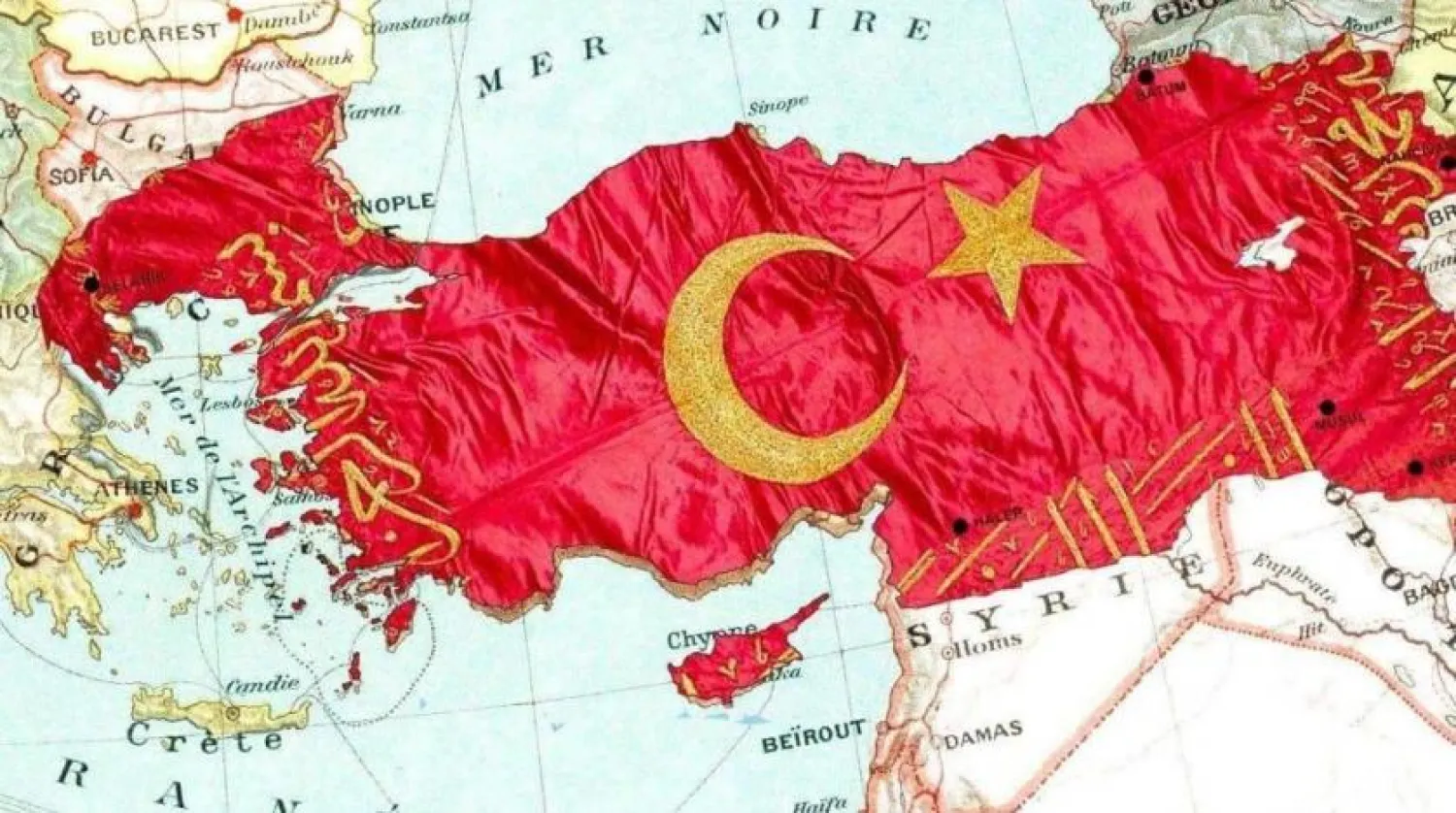
This was not merely diplomatic pragmatism. It reflected a fundamentally different philosophy of rule from what some of Sultan Abdülhamid II’s admirers practice today. Even in the age of Mehmed the Conqueror, the Ottoman Empire was not a nation-state in any modern sense. It was a multi-ethnic, multi-religious polity stretching from the Balkans to Yemen, encompassing Muslims, Christians, Jews, Armenians, Arabs, Kurds, Bulgarians, and Greeks. The survival of that vast enterprise depended, in part, on managing extraordinary diversity with a sense of respect for pluralism.
What Ottoman pluralism Truly Meant
Such pluralism had deep roots in the Ottoman Empire’s millet system, which recognized Christians and Jews as distinct “nations” within the empire, alongside Muslims. True, this was a hierarchical system in which Muslims were politically and legally dominant.
But by the reign of Abdülhamid II, much progress was made towards müsavat, or “equality.” Liberal reforms – launched with the Tanzimat edict of 1839, deepened by the Islahat edict of 1856, and crowned by the Constitution of 1876 – had proclaimed the legal equality of all Ottoman subjects regardless of religion. Discriminatory measures such as the poll tax on non-Muslims were abolished, and Christian and Jewish communities gained the right to maintain and expand their own educational and religious institutions, to enter the bureaucracy, and even to serve in the Ottoman parliament.
One of the relics of this reform era was the Halki Seminary, which the Ecumenical Patriarchate opened in 1844 on a small island in the Sea of Marmara to train its clergy. Another was Robert College – the first American college established abroad – founded in 1863 by Protestant missionary Cyrus Hamlin and New York philanthropist Christopher Robert. (It also happens to be my own alma mater.) Yet another was the famous Ottoman red fez, which was popularized in the 1830s as a universal hat to be worn by all Ottoman men regardless of ethnicity or religion.
In other words, the “Ottomanism” of the late Ottoman Empire had little to do with Turkish nationalism – a post-Ottoman ideology that emerged in the twentieth century to establish and consolidate a nation-state for the Turks, themselves reconstructed from the Muslim remnants of the empire. Ottomanism was rather embodied in the famous words attributed to Sultan Mahmud II, the father of the Tanzimat era, and the grandfather of Abdülhamid II:
I recognize my Muslim subjects in the mosque, my Christian ones in the church, and my Jewish ones in the synagogue. There is no difference between them. My love and justice toward all of them are equal.
Yet, despite all its achievements, nineteenth-century Ottomanism tragically collapsed in the first quarter of the twentieth. What destroyed it – and ultimately replaced it – was a bloody arena of competing nationalisms that tore apart an ancient ethnic and religious mosaic, each movement reshaping the fragments to fit its vision of a homogeneous nation.
Balkan Christians (Greeks, Serbs, Bulgarians) established their nation-states, a triumph for them, but not for the Turks, Bosnians, Albanians, and other Muslims (and sometimes, Jews, too) that they ethnically cleansed. The same is true of the Turks, who established their own nation-state in 1923, but only at the horrific expense of Anatolian Armenians or Assyrians – who were violently expelled and massacred – and to some extent Kurds, who remained but were forced to assimilate.
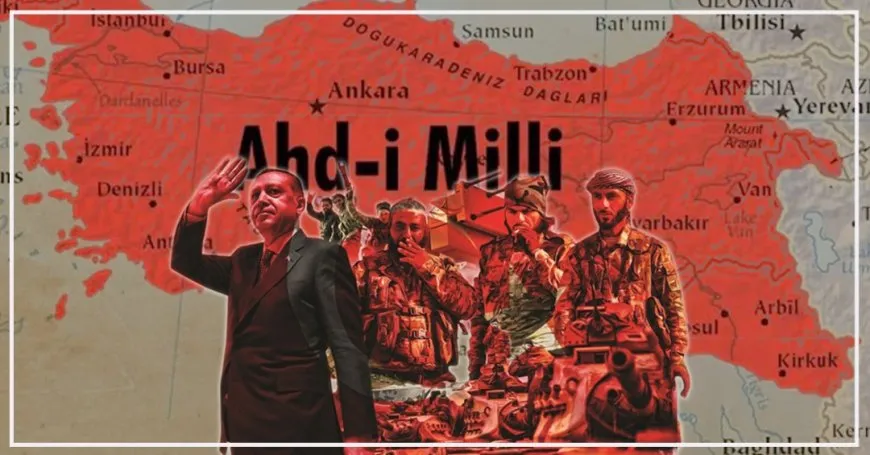
Ottoman pluralism Faces Neo-Ottomanism
In the aftermath of World War I, war hero Mustafa Kemal Atatürk founded the Turkish Republic in 1923, built on a deliberate rejection of the Ottoman legacy. Western observers often praised this new republic for being staunchly secularist while criticizing it for being rigidly nationalist – not always realizing that the two traits were opposite sides of the same coin.
Yet history does not simply go away, and may come back with a surprise. Since the 1980s, there has been a neo-Ottoman revival in Turkey, which peaked in the 2000s under Erdoğan. But while this revival is largely about Muslim power and glory, it often lacks a realistic understanding of the Ottomans themselves – and their far more pluralist sense of the world.
To be fair, Erdoğan’s governments have at times invoked the pluralist side of the Ottoman heritage. They enacted reforms benefiting Christian foundations in the early 2000s, and restored the historic Grand Synagogue of Edirne, one of the largest in Europe, in 2015. There are also reports that Halki Seminary, shuttered in 1971 by the secular-nationalist establishment, may finally be reopened – which would be long overdue, but great news nonetheless. And even while celebrating the “Conquest of Istanbul” last weekend, Erdoğan at least praised it for ushering “tolerance toward people of different backgrounds and beliefs.”
Reclaiming True Ottoman pluralism
Such all-encompassing tolerance – if not outright acceptance – is the spirit that Turkey and all its post-Ottoman neighbors most need today, instead of the repression of minorities, paranoid xenophobia, and pointless chauvinism that have marred so much of their modern histories.
It is a spirit that also calls for the recognition that what we celebrate as a “conquest” or a “liberation” may be someone else’s tragedy. And, as the last great Ottoman sultan understood, there is no wisdom in provoking other people’s sensitivities just to feel a little better about ourselves.