
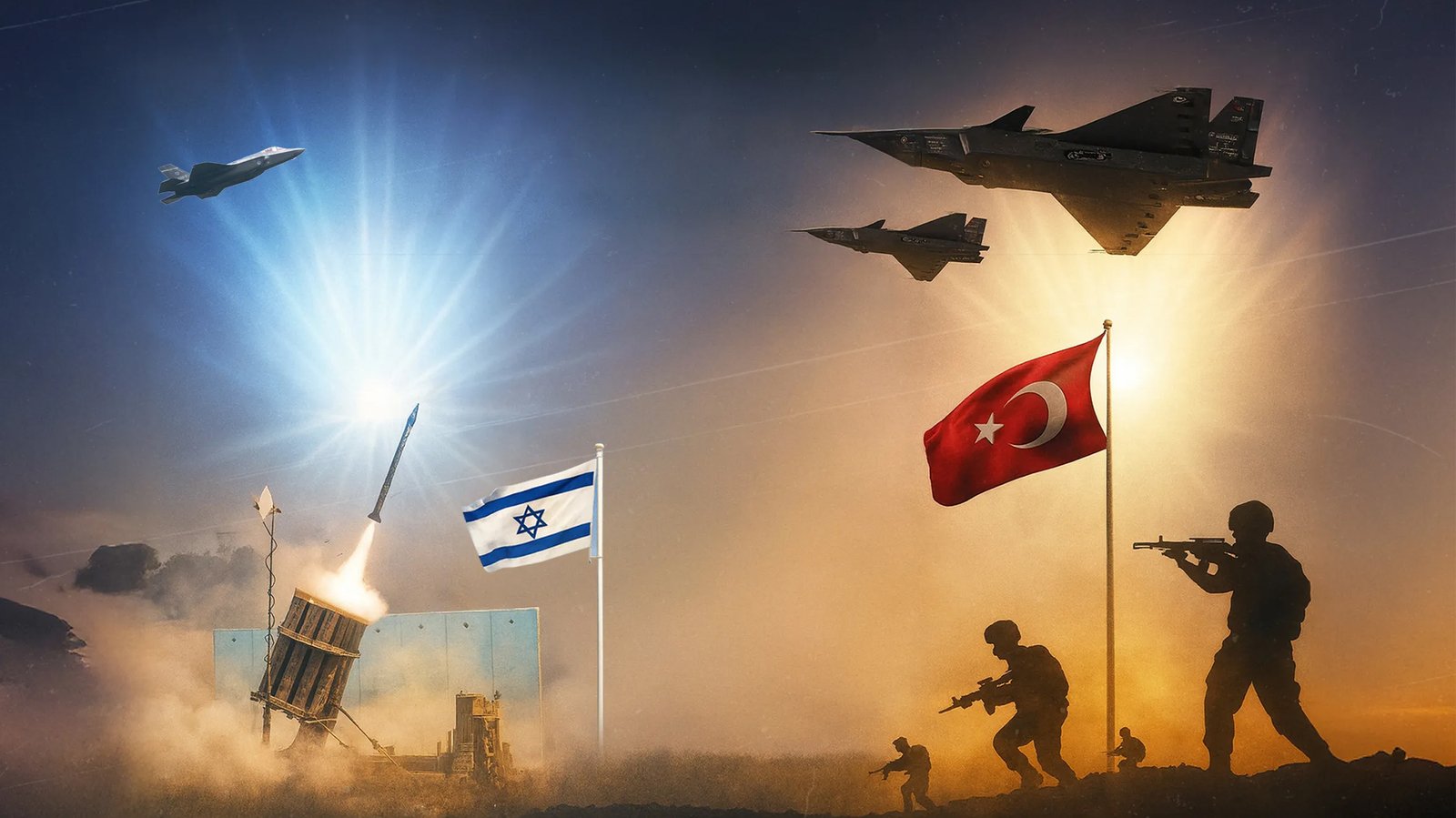
Turkey and Israel’s rivalry has expanded from Gaza to Syria, energy corridors and the regional balance of power, reflecting structural shifts in both states’ security doctrines rather than a passing diplomatic dispute, even as full-scale war remains unlikely.
Turkey and Israel have moved from occasional friction to a rivalry that touches nearly every pillar of Middle Eastern power politics — Gaza, Syria, energy corridors, and the contest for regional dominance after Iran’s recent setbacks.
What distinguishes this phase of the Turkey Israel rivalry from earlier disputes is its structural character: it is rooted not in personalities or a single crisis, but in two states whose expanding definitions of national security now overlap and collide across multiple fronts at once. Ankara’s post–Cold War pivot toward deeper Middle Eastern engagement and Israel’s post-Hezbollah push to reshape the regional order have set the two powers on a collision course that neither side can easily reverse. Yet the same structural weight that makes reconciliation unlikely also caps the ceiling of confrontation — both governments have far more to lose from open war than from continued, calibrated competition across every other domain.
Turkey Israel Rivalry Enters a New Phase
Relations between Turkey and Israel have entered a significantly more confrontational phase, evolving from periodic diplomatic disputes into a deeper strategic rivalry driven by competing regional interests and security concerns. Although tensions have frequently surfaced over the past two decades, particularly following the Gaza war that began in October 2023, the current deterioration reflects broader geopolitical transformations rather than temporary political disagreements or personal animosity between leaders.
The recent escalation has been marked by increasingly hostile rhetoric from senior officials in both countries. Israel has accused Turkey of pursuing aggressive regional ambitions and expressed concern over any enhancement of Turkish military capabilities, including the acquisition of advanced American fighter aircraft. Turkey, meanwhile, has condemned Israeli military operations in Gaza, Syria and Lebanon, warning that Israeli policies threaten not only neighbouring states but also Turkey’s own national security. Diplomatic exchanges have become increasingly confrontational, while economic and political relations have deteriorated sharply. Trade has largely been suspended, tourism has declined dramatically, diplomatic representation has been downgraded, and public hostility has intensified.
The Palestine Question Fuels Turkey Israel Rivalry
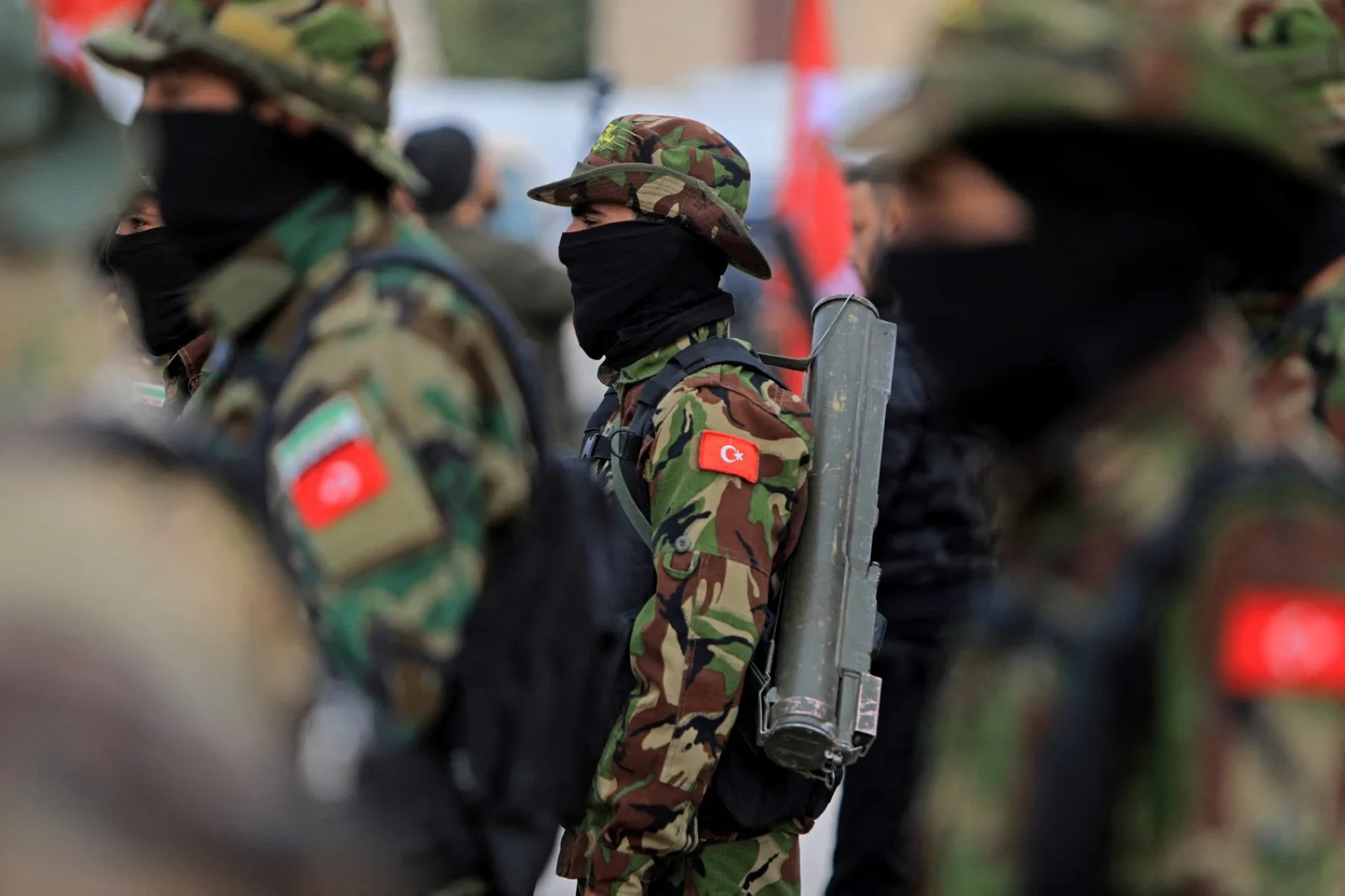
Four principal areas now define the conflict between the two countries. The first is Palestine, which remains the most enduring source of disagreement. Contrary to the perception that Turkey’s support for Palestine began with the Justice and Development Party (AKP), Turkish commitment to the Palestinian cause has much deeper historical roots.
It reflects both the Ottoman legacy and the experiences of the early Turkish Republic, whose leaders viewed Palestine as an important part of their historical and strategic environment. Israel increasingly views Turkey as Hamas’s primary external supporter, alleging that Turkey hosts senior Hamas officials, facilitates the movement’s financial activities, and channels humanitarian assistance in ways that strengthen Hamas’s influence in Gaza. Consequently, Israel has opposed any significant Turkish role in future security arrangements for the Gaza Strip.
Turkey Israel Rivalry Deepens Over Syria
The second major point of contention is post-Assad Syria. Israel welcomed neither the emergence of Syria’s new Islamist-led government nor Turkey’s expanding influence there. While Israel continues military operations aimed at limiting potential threats inside Syria, Turkey has become one of the new Syrian government’s closest allies by helping rebuild its armed forces and expanding military cooperation. Reports of Turkish military training, equipment transfers, and possible new military bases have heightened Israeli concerns that Ankara seeks to establish a long-term strategic presence capable of limiting Israeli freedom of military action, particularly in operations directed against Iran or within Syrian territory.
Energy Corridors Sharpen Turkey Israel Rivalry
Energy and regional infrastructure projects constitute a third major area of conflict. Turkey strongly opposes Israeli-backed initiatives to transport Eastern Mediterranean natural gas and electricity through Greece and Greek Cyprus while excluding Turkish Cypriot claims. Israel, in turn, views Turkey’s Development Road project with Iraq as a rival to transportation corridors linking the Gulf with Israeli Mediterranean ports. Additional friction has emerged in the Horn of Africa, where Turkey views Israel’s growing ties with Somaliland and reports of possible Israeli military facilities near the Bab el-Mandeb Strait as direct challenges to Somalia’s territorial integrity and to Turkey’s own strategic interests in the region.
Turkey Israel Rivalry Reshapes the Power Balance
A fourth and increasingly significant issue concerns the broader balance of power in the Middle East. Following military successes against Hezbollah and increased pressure on Iran, Israel sought to reshape the regional strategic landscape in its favour. Turkey responded by strengthening cooperation with Pakistan, Saudi Arabia and Egypt while promoting the idea of a regional security framework based primarily on major Muslim powers. Although Ankara presents this initiative as a mechanism for regional stability, Israeli policymakers increasingly interpret it as the formation of a regional coalition intended to counter Israeli influence and prevent Israeli strategic dominance.
Historical Roots of the Turkey Israel Rivalry
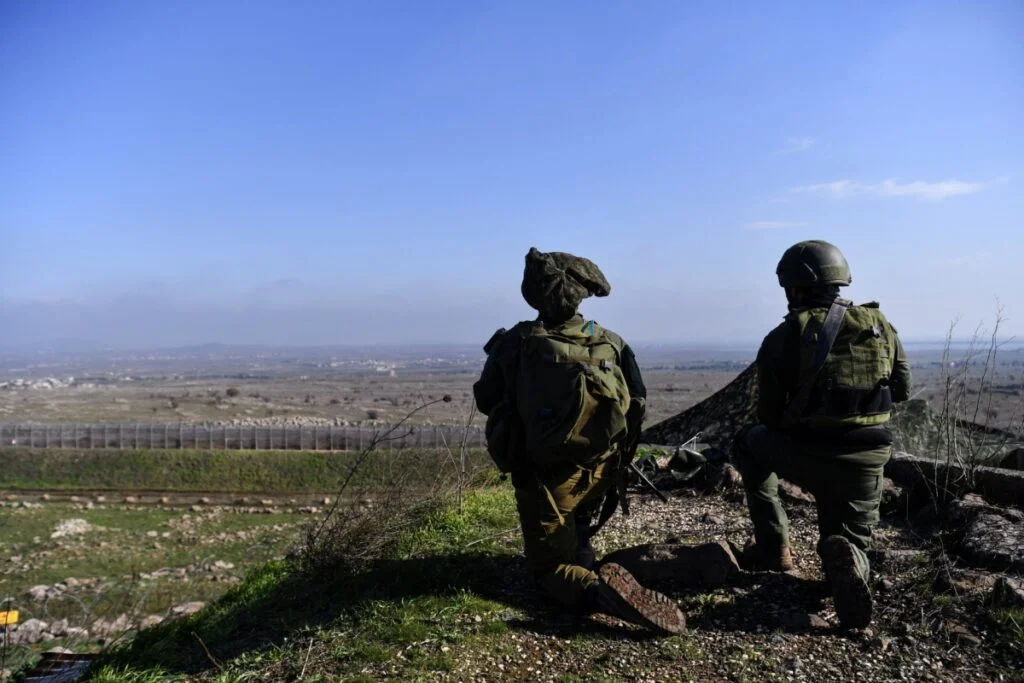
These growing disagreements reflect long-term changes in Turkish foreign policy rather than recent political developments. During much of the Cold War, Turkey pursued close alignment with the Western bloc and maintained cooperative relations with Israel. However, several developments—including tensions with Western allies over Cyprus, frustrations with European integration, and changing regional realities—gradually encouraged Turkey to redefine its strategic priorities. Successive governments expanded political, diplomatic and economic engagement with the Middle East while increasingly viewing regional stability as inseparable from Turkish national security. The AKP accelerated these trends but did not fundamentally create them.
As Turkey deepened its involvement in regional affairs, its interests increasingly collided with Israel’s. Turkey came to define its national security in broader terms that encompass not only territorial defence but also regional trade routes, energy security, transportation networks, refugee movements, and the stability of neighbouring Arab and Muslim states. From Ankara’s perspective, Israeli military actions in Palestine, Syria, Iraq and Iran, as well as its partnerships in the Eastern Mediterranean, have direct consequences for Turkish security and economic interests. Israel, meanwhile, perceives Turkey’s expanding regional influence and military partnerships as an emerging strategic threat.
Despite the growing rivalry, a direct military confrontation remains unlikely. Turkey recognises that neither regional nor international conditions currently favour war, while Israel understands that confronting a powerful NATO member would entail considerable military and political risks. Instead, competition is expected to continue through diplomatic pressure, economic measures, strategic alliances, military partnerships and efforts to shape the regional balance of power. The relationship has therefore evolved beyond recurring diplomatic crises into a long-term strategic competition rooted in conflicting visions for the future political and security order of the Middle East.