
Severe bilateral friction between Israel and Turkey risks a direct military clash in the Levant. Stabilizing the frontier requires a Washington-led strategic dialogue establishing firm geographic red lines and mutual recognition of the al-Sharaa government.
A new flashpoint in Washington sparks immediate risk across the Levant as bilateral friction between Israel and Turkey threatens to destabilize shared borders. Airpower technology disputes and regional proxy maneuvers now demand a pragmatic diplomatic buffer to keep Israel and Turkey from a direct military clash.
Israel and Turkey manage border crisis
Relations between Israel and Turkey are at one of their lowest points, and the rhetoric between the two countries continues to escalate. The latest point of friction came during Donald Trump’s visit to Ankara during the NATO Summit, when the American president went out of his way to praise his Turkish host, signalling his intention to lift sanctions and possibly sell Ankara F-35 fighter jets.
Israel’s Prime Minister Benjamin Netanyahu quickly responded in an interview with CNN, calling on Trump to refrain from giving Turkey the stealth fighters, which Israel’s air force already uses. Netanyahu thinks this would erode Israel’s aerial superiority by levelling the playing field technologically. This effectively places Israel’s qualitative military edge at the centre of strategic US-Israeli discussions—the kind that should be addressed in Washington, not in public.
Rivals face real Israel and Turkey standoff
Although relations between Israel and Turkey had already cooled before Hamas attacked southern Israel on 7 October 2023, they have deteriorated dramatically ever since. Their disagreements now extend across virtually every arena and are largely rooted in Ankara’s perception that Israel wants to be the regional hegemon. Turkish leaders cite Israel’s war against Iran, and its continued military presence in Syria and Lebanon as evidence. The strategic partnership between Israel, Greece, and Cyprus has likewise attracted attention in Ankara.
Turkey now considers Israel to be very different from the state it knew and dealt with in previous years, yet there is a similar perception shift changing the view of Turkey in Tel Aviv, after Ankara’s unprecedented economic boycott of Israel, its appeals to international judicial institutions over what it sees as Israeli genocide in Gaza, Turkish leaders’ increasingly hostile rhetoric, and their support for Hamas, not least from Turkey’s President Recep Tayyip Erdoğan. All this bumps Turkey up the perceived threat list facing Israel, with some commentators even placing it alongside Iran.
Despite all this, diplomatic relations have not been severed, even though neither capital currently hosts ambassadors. Moreover, Erdoğan has consistently signalled that he has no intention of cutting relations altogether. The central and most pressing question is whether, and how, the current crisis can be contained to prevent a direct confrontation, which may come about through miscalculation.
Ironically, the close relationship between Presidents Trump and Erdoğan may be one of the strongest safeguards against such a dangerous escalation. Israel is naturally uncomfortable with this dynamic, yet it may ultimately help prevent a loss of control. Trump’s influence over both governments is substantial and highly effective.
Containing flashpoints around Israel and Turkey
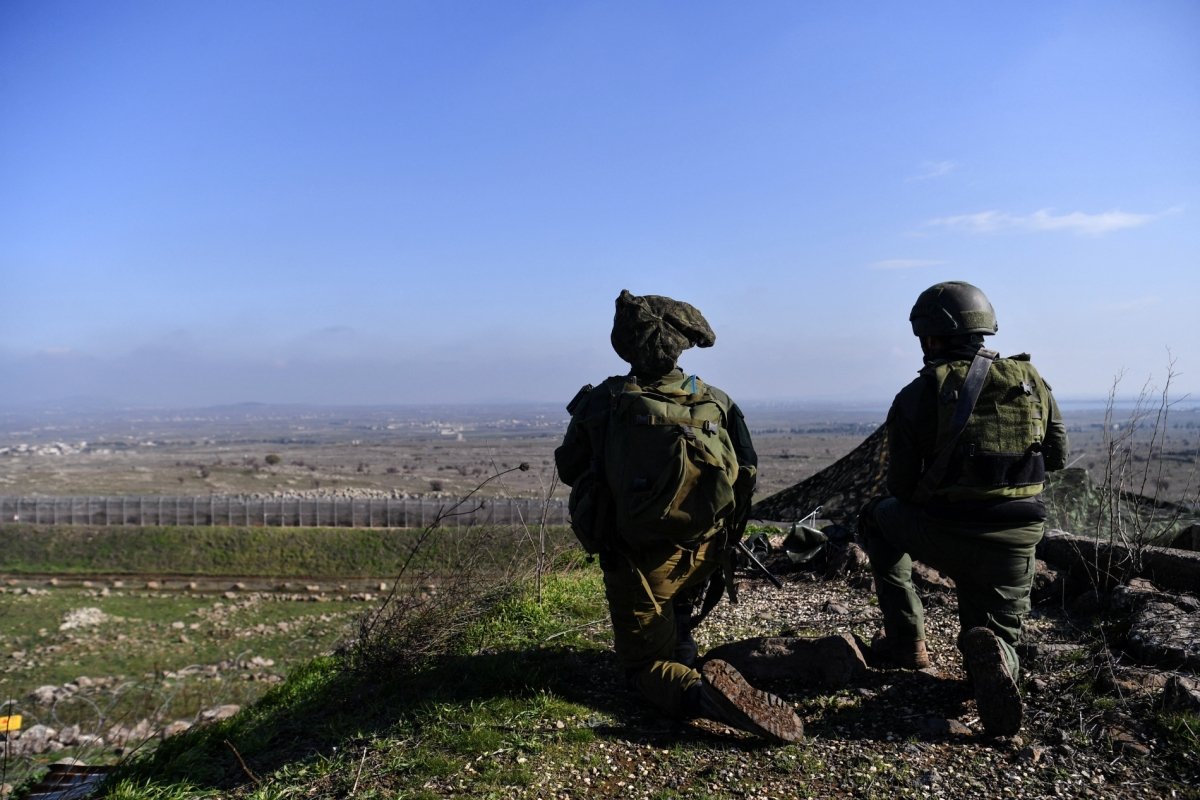
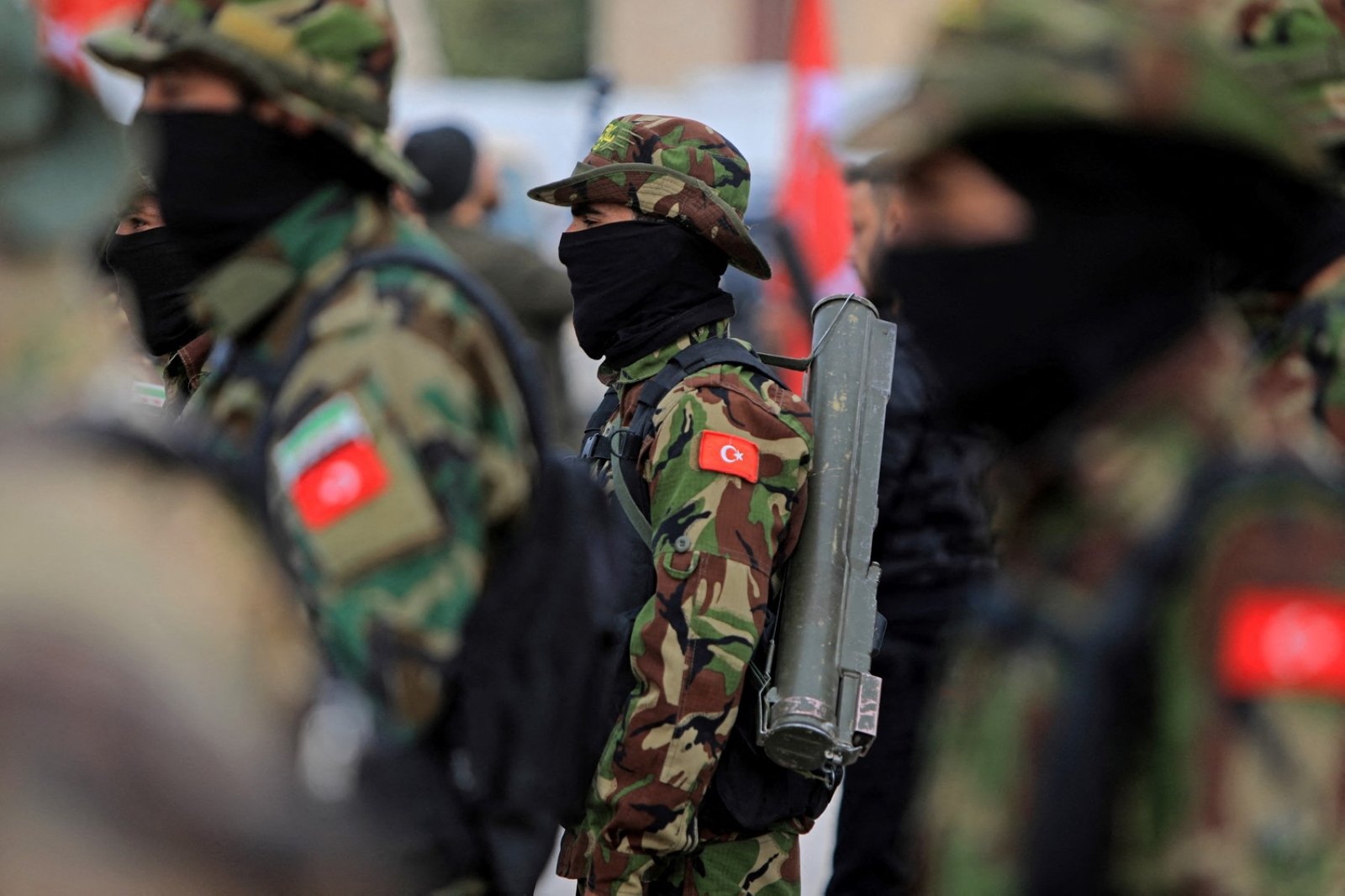
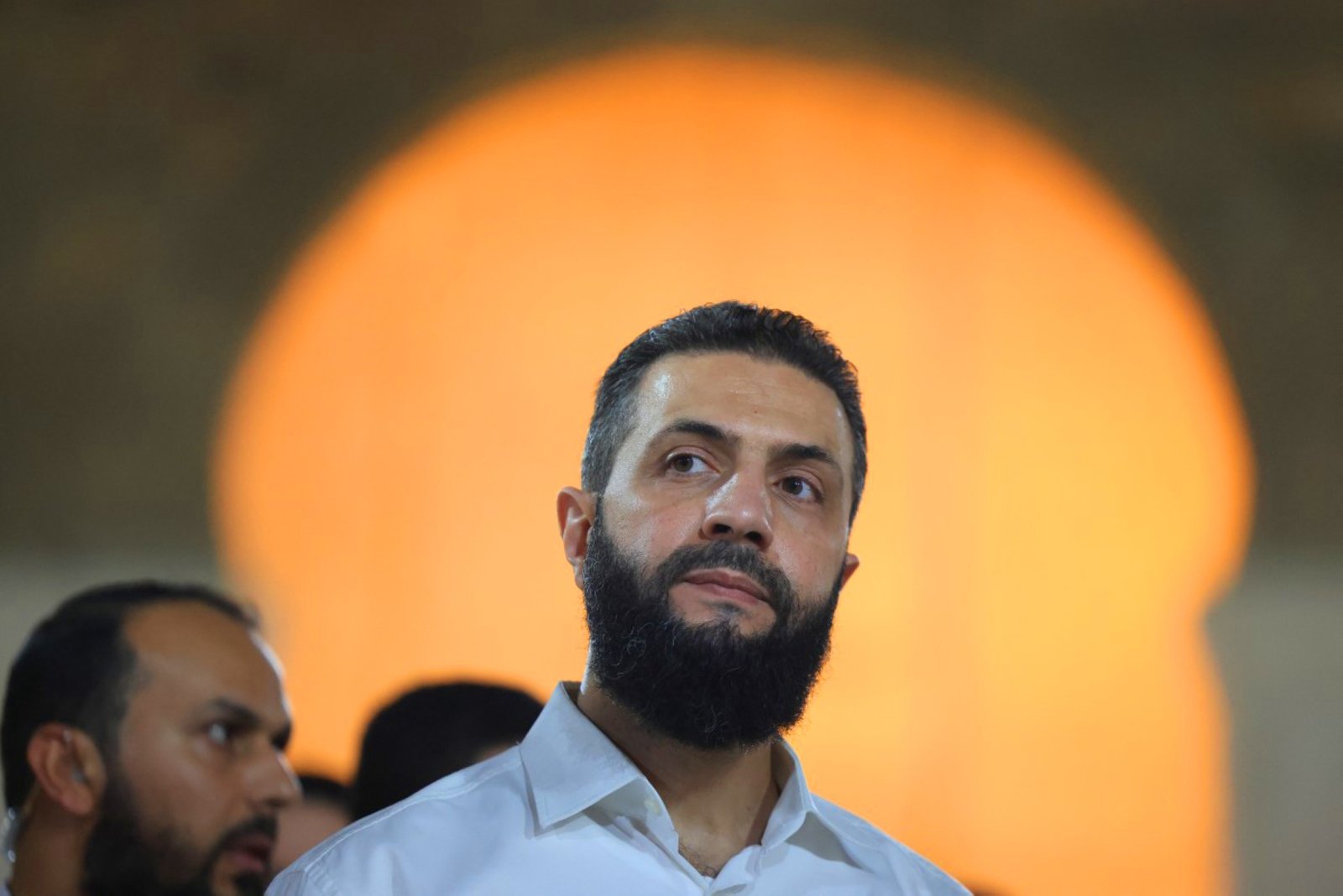
The arena with the greatest potential for escalation is Syria. For both countries, developments there directly affect core national security interests. From Turkey’s perspective, armed Kurds in north-east Syria remain a paramount concern. For Israel, southern Syria holds equivalent strategic importance. The Syrian government of Ahmad al-Sharaa is another point of disagreement, although Israel appears to have gradually adapted to the new reality in Damascus (while still harbouring serious reservations).
Israel and Turkey seek red lines
Under these circumstances, efforts should focus on formulating a set of ‘red lines’ or mutual understandings in Syria that could prevent dangerous miscalculations. Washington should lead both parties toward a discreet dialogue and, if necessary, do so with clear diplomatic resolve. The objective should be to establish a set of agreed principles that may represent areas of general agreement between both countries.
These may include support for a unified and effective central government in Damascus (and specifically for the current al-Sharaa administration); a shared commitment to limiting the involvement of external actors in Syria (particularly Iran); a mutual clarification that neither country seeks hegemony or dominance over Syria; mutual recognition of Syria’s territorial integrity; and a mutual understanding of each state’s strategic interests (namely northern Syria for Turkey and southern Syria for Israel).
Washington buffers raw Israel and Turkey friction
These principles are general but may represent common ground, which may in turn help guard against misconceptions and miscalculations. Under the current circumstances, especially with elections in Israel in October and domestic unrest in Turkey, expectations should remain modest, not least because the harsh rhetoric from Ankara, particularly over Palestine and Gaza, is likely to continue.
The purpose of a set of shared understandings is not to solve all disagreements but to prevent escalation in Syria, which neither country wants or needs. These understandings may remain discreet and informal, perhaps not even committed to paper, but they would significantly reduce the risk of miscalculation, while also demonstrating the United States’ ability to facilitate constructive diplomacy. Such a process is therefore of critical importance, and should be launched urgently.