
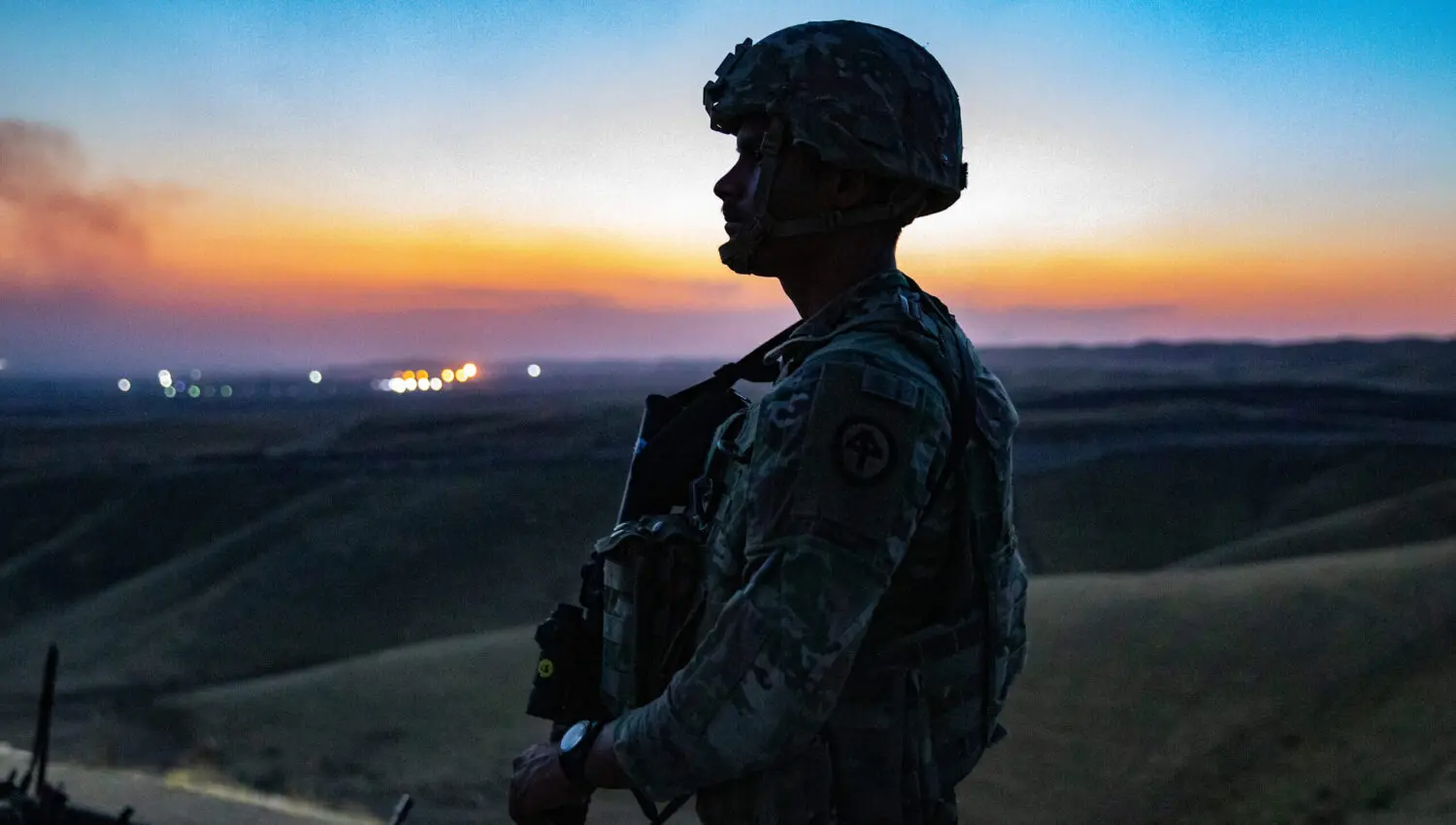
US troops left Iraq by September 30, ending a military presence but not strategic ties. Washington must sustain diplomacy, security cooperation, and commerce to counter Iran’s influence and prevent renewed instability.
US-Iraq Engagement Must Outlast Withdrawal
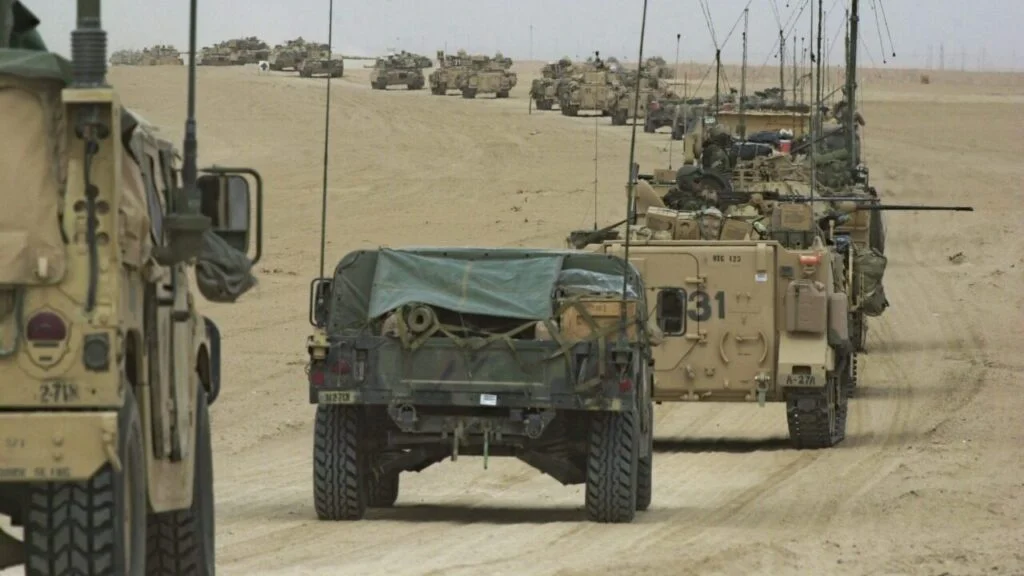
By September 30, US troops had left Iraq, ending more than two decades of US military presence. Since the 2003 invasion, the US-Iraq relationship had been defined by this American troop presence. The departure of US troops represented an opportunity to turn the page on the United States’ complicated history in Iraq, but it did not lead to an end of American engagement with Iraq.
Although the Trump administration was implementing the agreement to depart, the timeline for the end of Operation Inherent Resolve, the international military coalition to defeat the Islamic State of Iraq and al-Sham (ISIS), was negotiated by the Biden administration and announced in September 2024. We were both part of the small US negotiating team that worked for nearly a year to reach an agreement with Baghdad that allowed for a phased drawdown of the operation and a transition to bilateral security cooperation.
The administration took this approach in an effort to avoid a repeat of the 2011 withdrawal from Iraq and subsequent ISIS takeover of nearly a third of Iraqi territory. We believed that maintaining an ongoing US security presence was critical to American strategic interests and that the United States needed sustained security cooperation with or without Operation Inherent Resolve.
Why Iraq mattered then
In the United States, Iraq fatigue had long set in after years of heavy US military engagement, billions of dollars spent, and thousands of American and Iraqi lives lost. For many Americans, Iraq was one of the original “forever wars,” and the US withdrawal from Iraq aligned with President Donald Trump’s vision of reducing the overall US military footprint in the Middle East.
The milestone was celebrated by many Iraqis and by the Iranians, who had long sought the departure of US troops from Iraq and the region. The US invasion that toppled Iraqi dictator Saddam Hussein removed Tehran’s greatest regional nemesis and paved the way for Iran to increase its influence in Iraq economically, politically, and militarily. Iraq’s Iran-backed militias grew in strength and numbers in the years that followed, providing a potent tool for Iran’s asymmetric defense. Iraq’s prime minister at the time, Ali al-Zaidi, had pledged to disarm these rogue militias—a tall but not insurmountable task, if the United States and key regional powers were ready to play the long game in Iraq.
The argument for remaining engaged in Iraq was about more than the US “blood and treasure” already spent in Iraq; it was about long-term US strategic interests. For more than a decade, each US president had attempted to pivot to Asia and reduce US focus on the Middle East. Each administration had found itself drawn back as a result of regional crises. Whether it was the return of US troops to defeat ISIS, regional escalation following Hamas’s October 7, 2023, attacks, or the US-Israel war with Iran, the United States had enduring interests in the Middle East that had kept and would continue to keep the US engaged in the region.
What the US should have done next
That this withdrawal came amid a protracted US conflict with Iran highlighted the very reasons that the United States should not have disengaged from Iraq. Earlier that month, Iran-backed Iraqi militias had attacked a Saudi pipeline, and they had launched numerous attacks on US personnel and bases in the region throughout that war. These attacks were an important reminder that what happened in Iraq did not stay in Iraq.
Whether it was the first Gulf War, the Iraq War, or the fight against ISIS, Iraq’s stability had always had a broader regional impact. With its 45 million people and enormous oil and gas resources, Iraq was going to be a player in the region’s economy and could be a force for stability… or instability.
US-Iraq Engagement Beyond Troops
Some in Washington might have argued that Iraq was already lost to Iran. They argued that continued US engagement would yield only limited gains. We didn’t see it that way. Even as Iraq had faded from the American consciousness, the United States remained top of mind for Iraq’s political class, which viewed the United States as a pivotal counterweight to Iranian overreach and a critical economic lifeline. The United States did not need thousands of troops to shift the balance.
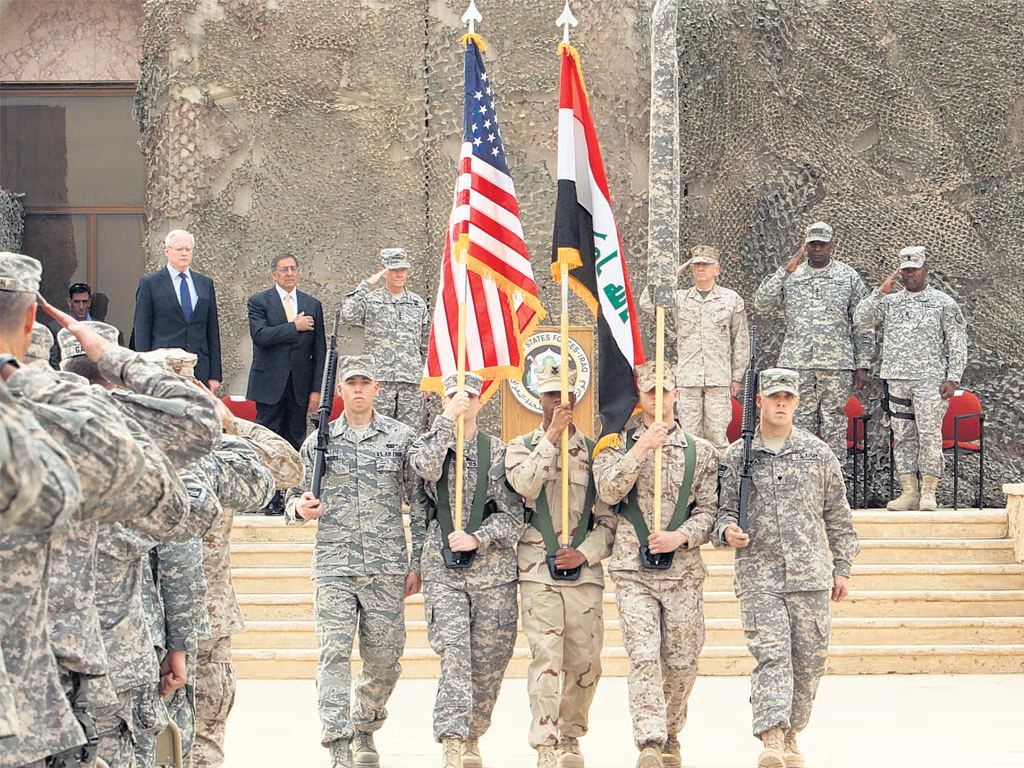
The US could advance its bilateral security cooperation with a small but capable team of security advisers, a robust US diplomatic presence—including a confirmed ambassador—and an active effort to expand US commercial ties in the country. The days of weekly calls between the American president and Iraqi prime minister were long over, but continued high-level touchpoints from senior US officials were sufficient to further US priorities. In an era when US policymakers were focused on more cautious accounting of risks and rewards, a modest investment of US time and attention could produce significant dividends for US interests.
Shia Leaders Have Their Own Interests
We had both engaged extensively with Iraq’s most senior politicians—Shia, Sunni, and Kurd. There was broad support for the relationship with the United States across the political spectrum, even from those with the closest political and economic ties to Iran. Iraq’s Shia leaders may have had religious and political linkages to Iran, but they also had their own distinct interests. While Iraq’s political leaders had not always acceded to US demands, they had made decisions that advanced Iraqi interests, even when those decisions were at the expense of Iranian interests.
With consistent US engagement and a modest commitment of resources, the United States could use its substantial influence in ways that would advance American interests and help reshape Iraq’s political orientation in the region away from Iran and more toward Iraq’s own interests. That meant maintaining an active security partnership, investing economically, and continuing to show up diplomatically.