
Iran Nuclear Threat Outpaces Bombing
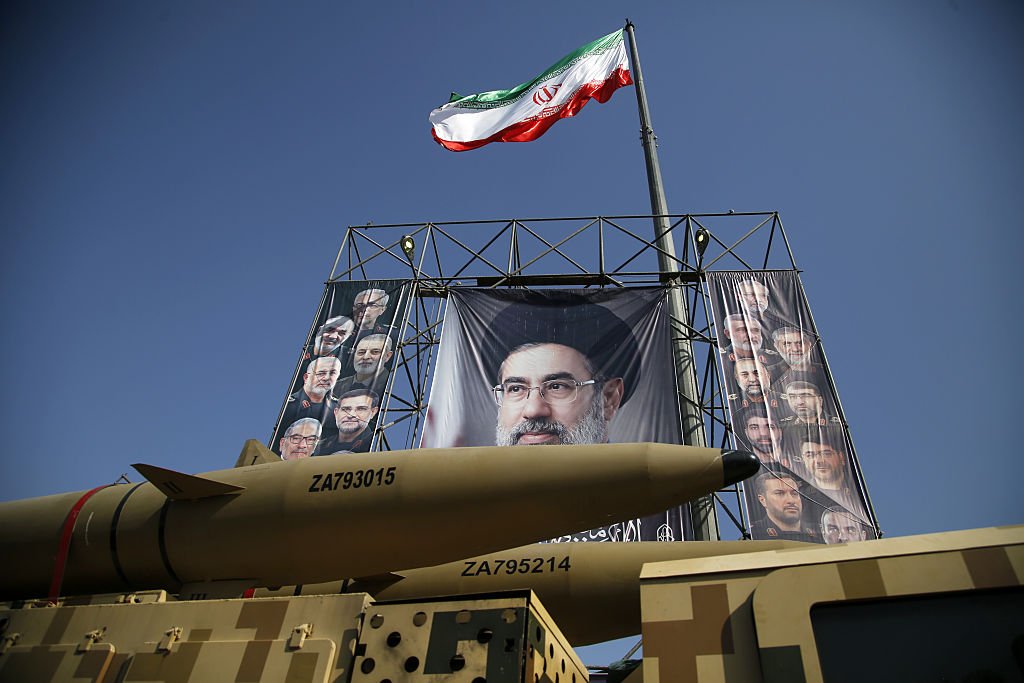
“It’s a necessity more important than bread.”That’s how Iran’s rulers regard their drive to acquire nuclear weapons, an activist hard-liner recently declared.
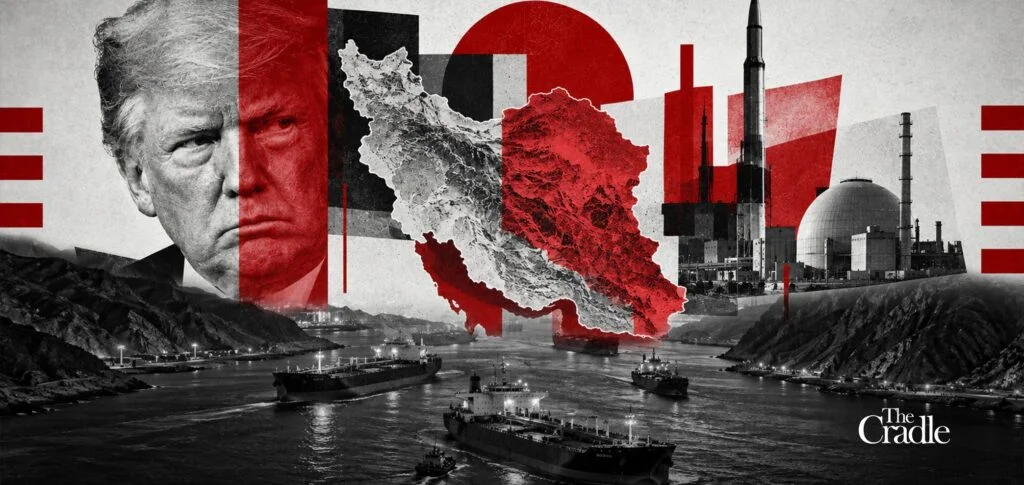
Secretary of War Pete Hegseth’s surprise visit to Israel this week, leaks about US and Israeli military preparations, and remarks by President Donald Trump and Israeli Prime Minister Benjamin Netanyahu suggest Washington and Jerusalem are seriously weighing fresh strikes on Iran — largely to disrupt a nuclear rebuild that Tehran is now openly admitting.
The regime’s unbending pursuit of nuclear weapons and its refusal to make peace remind us why it’s so dangerous — and why a new, limited round of military strikes may be necessary.
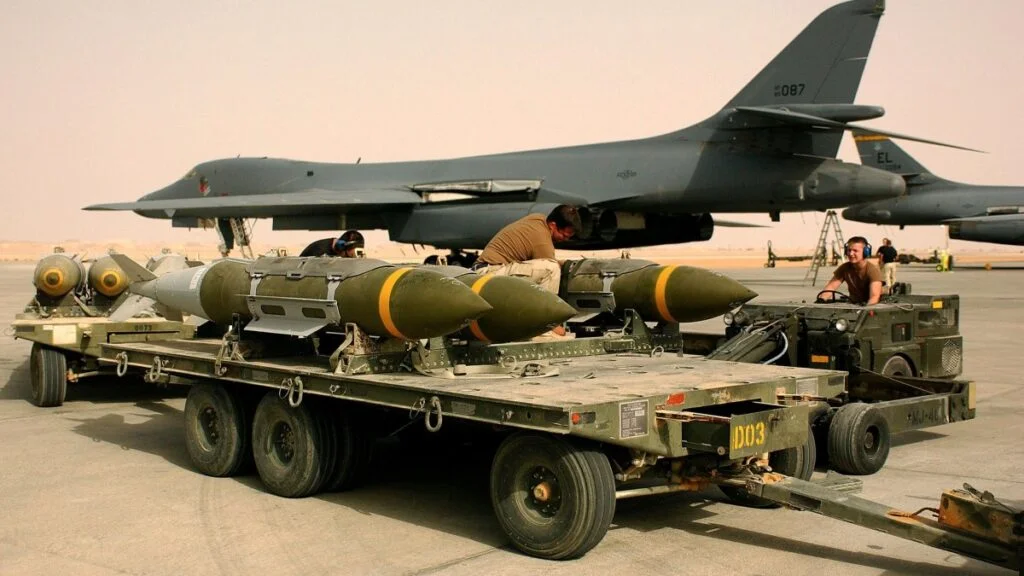
One option reportedly under discussion: dropping the largest conventional bomb in the US arsenal, the GBU-43/B Massive Ordnance Air Blast bomb — the “mother of all bombs” — to destroy access to Iran’s deeply buried Pickaxe Mountain complex.
Trump said last week he may have to strike the site, because any Iranian push for nuclear weapons is intolerable.
“They would use it,” he warned.
US and Israeli strikes in 2025 and 2026 set Iran’s nuclear program back by more than two years.
Now the Islamic Republic is attempting to make up for lost time by rebuilding its nuclear-weapons option underground.
Rebuilding Spreads Across Four Sites
In addition to Pickaxe, Tehran is openly reconstituting its program at several sites that should top the US target lists.
At Minzadehei, a facility where a key nuclear component was manufactured, the Institute for Science and International Security spotted rapid rebuilding activity in satellite images from September and October.
class=”ds-markdown-paragraph”>以色列部队在三月袭击并几乎摧毁了该地点。
在 Taleghan 2 正在进行一项并行重建工作,Taleghan 2 是一个长期被国际原子能机构与高爆作业和弹头试验联系在一起的地上掩体。
以色列在2024年10月和2026年3月袭击了 Taleghan 2,此前的一次重建恢复了一个高爆遏制容器。
维修工作在6月恢复:伊朗封堵了炸弹命中处的贯穿孔,增加了混凝土防爆保护,加固了结构,并在施工机械运作时用帆布遮盖以掩盖进一步活动。
在 Shahid Boroujerdi 也正在进行进一步的重建,Shahid Boroujerdi 是另一个与过去铀金属用于核武器堆芯工作有关的隧道综合体。
本周外交政策研究所发现那里有新的施工活动,以及运输集装箱的存在。
截至九月,伊朗也在修复 Malek Ashtar 大学的建筑,以色列今年袭击该校以阻止政权在那里进行的核武器化工作。
Can Any Bomb Reach Pickaxe
无论伊朗是在进行回收还是重建工作,这些地点的工作进度都应引起警觉。
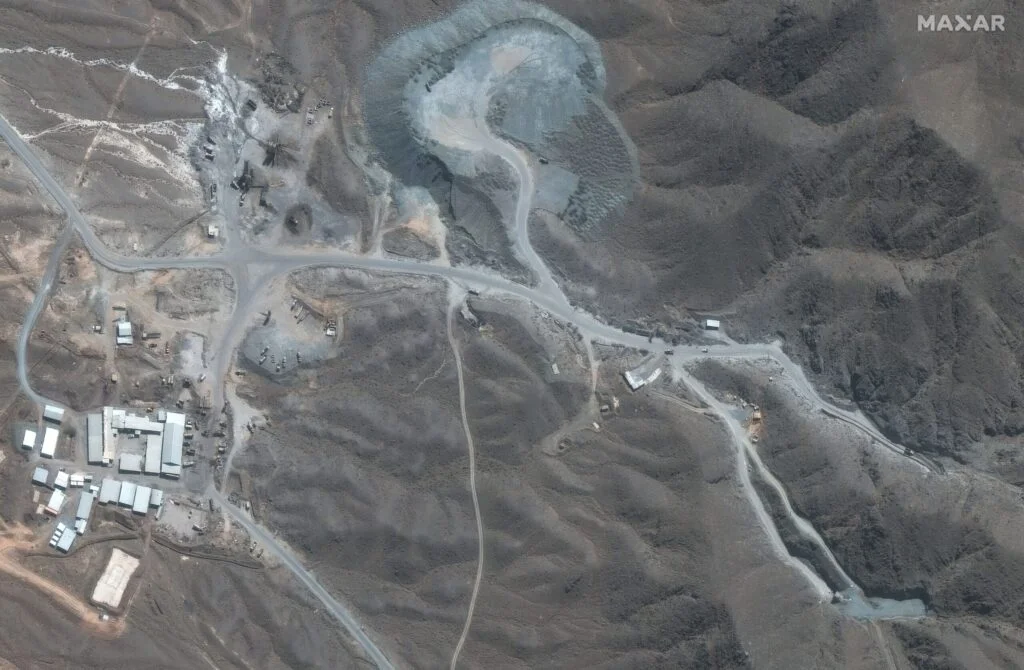
在 Pickaxe Mountain,位于 Natanz 以南的300英尺深隧道综合体,伊朗人似乎已停止额外建设,转而加固该地点以承受未来轰炸——但可能随时恢复工作。
美国和以色列已将 Pickaxe 列为潜在的未来浓缩和武器化地点,报道称它是存放在2025年袭击中幸存的铀浓缩离心机的藏匿处。
尽管该综合体可能超出用于Fordow和Natanz浓缩设施的重型穿透炸弹 bunker-busters 的有效打击范围,但一枚 MOAB 或战斧导弹 可阻断伊朗通往 Pickaxe 的通道,并便于更好地监视该政权在那里进行的活动。
为阻止德黑兰进一步展开恢复行动,对所有这些地点的打击必须继续作为选项保留。
铀库存才是真正的目标
美以的打击已阻断伊朗获得现成的核武器燃料——构建军备最难且最耗时的部分。
约9,000公斤的丰度铀仍被掩埋或无法获取,足以最终生产大约22枚武器。
但如果伊朗能够重建此前行动所破坏的设施,目前的停顿就不可持续。
一项连贯的政策必须超越单纯扰乱重建。
封锁、秘密行动与新型炸弹
这需要持续的美方海上封锁和经济压力,以削减德黑兰的军事预算,以及针对科学网络和核采购链的秘密行动。
华盛顿还必须部署能够到达像 Pickaxe Mountain 这类地点的新一代穿透炸弹,并与以色列合作采用如地下注钻等方法,从上方使隧道综合体坍塌。
五角大楼还必须继续准备防御沙特油设施免受伊朗反击——德黑兰已经威胁若美以对 Pickaxe 采取任何行动将做出反制。
伊朗核威胁只有随政权终结才会消失
归根结底,伊斯兰共和国不会停止寻求核武,直到政权本身终结为止。
为真正终结这一严重威胁,美国与以色列应准备支持伊朗人民推翻其压迫者。