
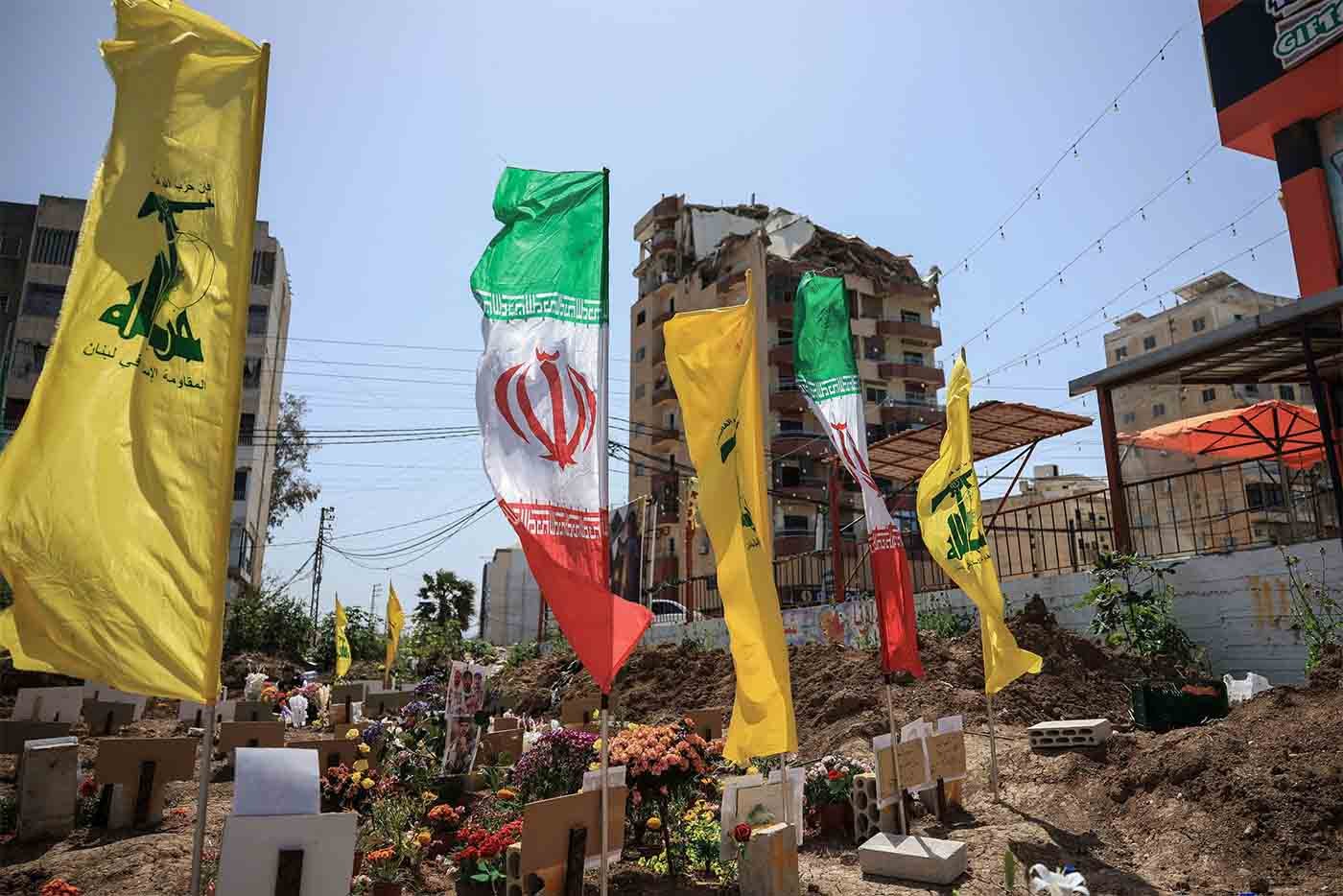
For years, the Iranian regime has denied direct control over armed groups operating across the Middle East, claiming that organizations in countries such as Lebanon, Iraq, and Syria act independently. However, recent remarks by senior Iranian insider Mohammad Hassan Akhtari provide a rare public acknowledgment that the transnational Iranian proxy network has long operated under the direct strategic guidance of Ali Khamenei.
Akhtari is not a minor official. He has served as chairman of the Supreme Council of the Ahl al-Bayt World Assembly, former Iranian ambassador to Syria, deputy for international affairs in the office of the Supreme Leader, and a central figure in cultivating ties with Hezbollah. Because of these positions, his statements carry particular significance. Speaking on Iranian state television, Akhtari described a command structure in which Khamenei personally oversaw Iran’s foreign proxy network.
Command and Control: The Illusion of Independence
According to Akhtari, all major reports and files related to these groups were delivered directly to the Supreme Leader. He said Khamenei had complete awareness of developments involving organizations in multiple countries and personally issued definitive strategic guidance. While local groups retained the appearance of independence, their broader political and military direction originated from Tehran.
This explicit command model allowed the clerical regime to navigate global pressure while keeping its asset networks strictly aligned with the Islamic Republic’s core geopolitical ambitions.
Plausible Deniability and Centralized Strategic Planning
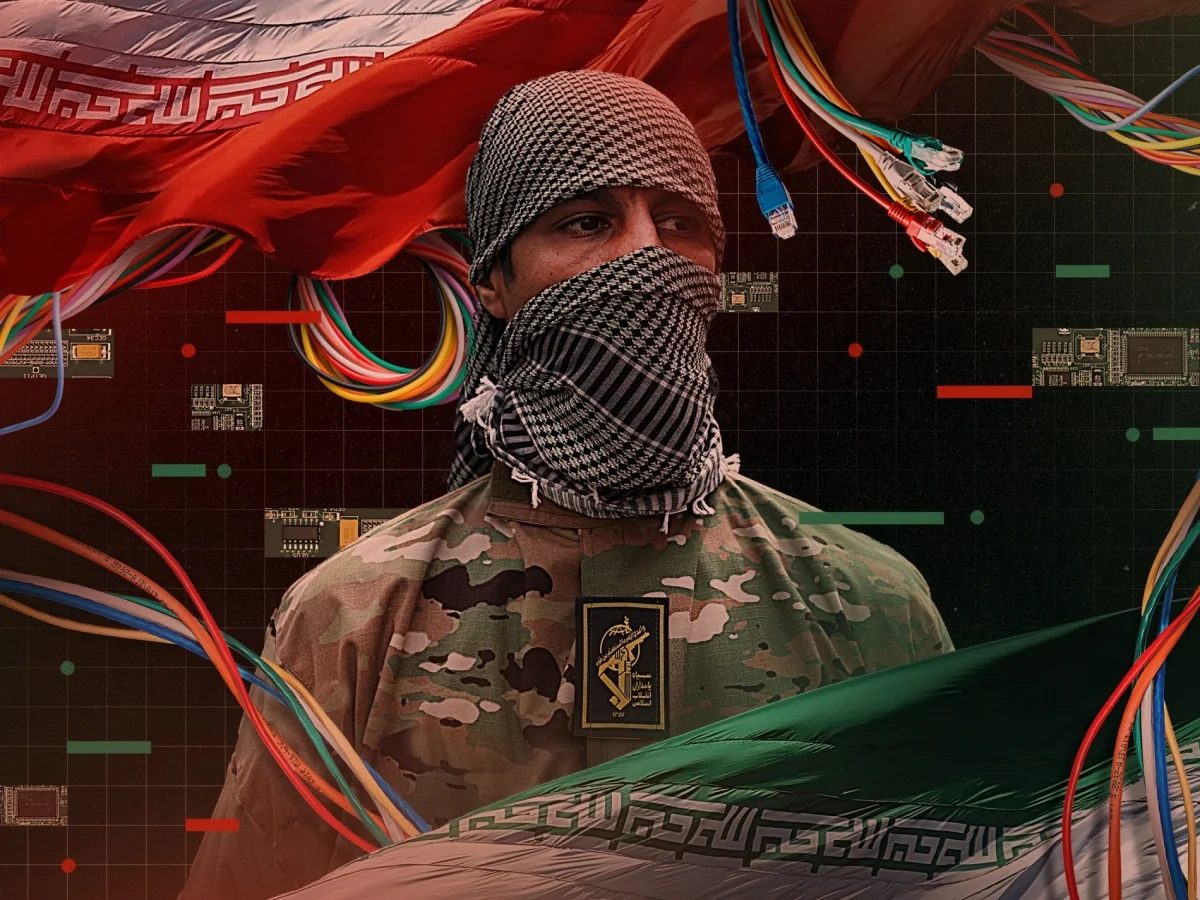
This operational blueprint, according to Akhtari’s remarks, allowed Iran to maintain structural plausible deniability. Tehran could publicly claim that organizations such as Hezbollah or Palestinian Islamic Jihad made their own decisions, while still ensuring that their long-term objectives aligned with Iranian interests.
Rather than micromanaging every battlefield move, the regime appears to have relied on ideological influence, funding, weapons support, and rigorous centralized strategic planning. This hybrid command structure ensured that the Iranian proxy network could project power cohesively without leaving an explicit paper trail linking daily tactics to the leadership in Tehran.
Transnational Reach: Shifting Regional Alignments
Akhtari specifically named groups and movements connected to Iran’s regional network. These included Hezbollah in Lebanon, Palestinian Islamic Jihad, Shiite political and militia factions in Iraq, armed factions in Afghanistan, and other groups as far away as Mali. His comments suggest that Iran’s influence extended well beyond its immediate borders and was organized through a coordinated transnational structure.
He also referred to the ideological roots of some of these movements. Akhtari said Fathi Shaqaqi, founder of Palestinian Islamic Jihad, was inspired by Ruhollah Khomeini. This illustrates how Iran has combined revolutionary ideology with material support to cultivate loyal partners abroad.
Regarding Iraq, Akhtari described contacts with Iraqi Shiite leaders before the fall of Saddam Hussein. He suggested that Tehran encouraged Iraqi allies to shape events after Saddam’s collapse while preventing a long-term American presence. These comments align with years of accusations that Iran used militias and allied political groups to shape post-2003 Iraq.
The Axis of Resistance: Syria, Iraq, and Ideological Messaging
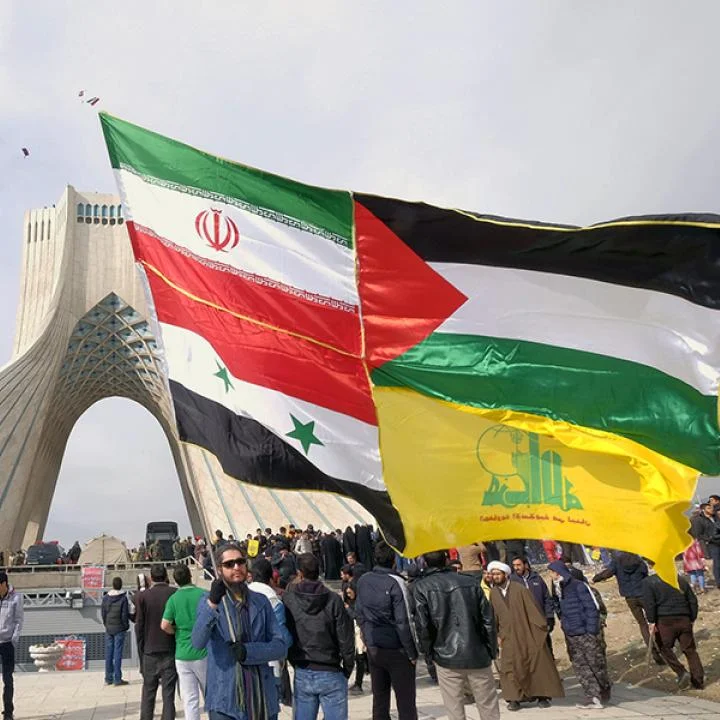
Akhtari also spoke about Syria and the late president Hafez al-Assad. He said Assad respected Iran’s leadership and shared its anti-American outlook. He further indicated that military cooperation and weapons assistance existed between the two governments, reflecting the long-standing Tehran-Damascus alliance.
Another revealing aspect of his remarks involved Iran’s international outreach system. Akhtari said representatives linked to the Supreme Leader’s office focused on four audiences worldwide: non-Muslims, Muslims, Shiites, and Iranians abroad. This indicates that Iran’s strategy has not been limited to military proxies, but has also included persistent ideological messaging, political networking, and influence operations.
Conclusion: The Centralization of Regional Asymmetric Power
Taken together, Akhtari’s statements amount to one of the clearest internal acknowledgments that Ali Khamenei has stood at the center of a wide regional network of proxy organizations. The remarks reinforce longstanding concerns that Tehran has relied on non-state armed groups as a key instrument of foreign policy—using them to expand influence, pressure rivals, and shape political outcomes across the Middle East and beyond.