
A sophisticated analysis of contemporary US-Syrian relations, exploring the strategic limits of top-level personal diplomacy and outlining the structural, institutional reforms required to anchor bilateral cooperation beyond individual executive terms.
The geopolitical opening between Damascus and Washington represents a fragile breakthrough engineered by transactional diplomacy rather than structural alignment. This highly personalized rapprochement faces immediate obsolescence unless the underlying states cultivate institutionalized channels capable of surviving leadership transitions. By analyzing structural blockages, we see that dynamic Syria-US ties must transcend temporary executive alignment to withstand long-term systemic friction. In truth, sustainable Syria-US ties require deep bureaucratic integration, shifting the relationship away from erratic personal chemistry toward predictable statecraft.
Syria-US ties exposed by personalized diplomatic arrangements
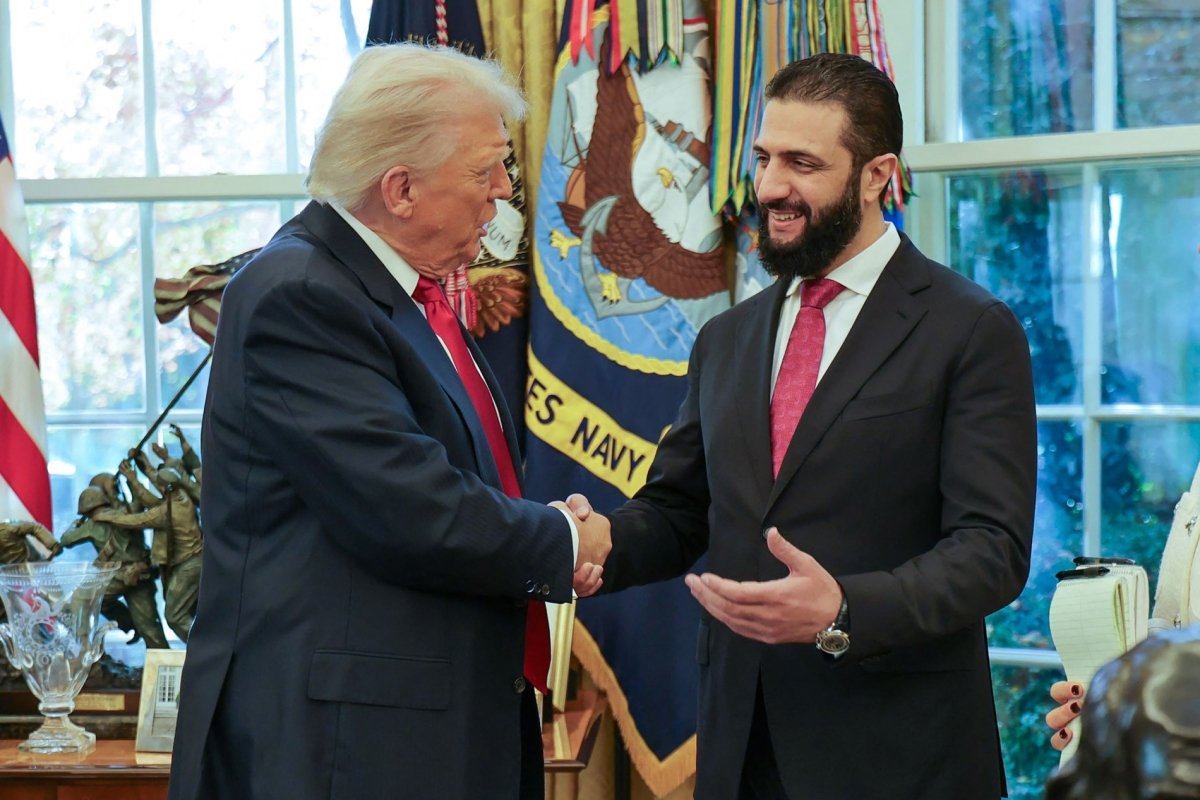
“Some meetings leave an impression; ours apparently left a fragrance.” With that line, Syrian President Ahmed al-Sharaa thanked US President Donald Trump for sending him a refill of cologne. On its surface, the exchange was light, even playful. At a deeper level, it captured the astonishing speed and intensely personal nature of the new US-Syria opening, something close to a diplomatic miracle. The relationship between Trump and al-Sharaa has helped produce an opening few could have imagined just two years ago.
It shows what personal diplomacy can do when formal channels are frozen, distrusted, or too cautious to move first. A direct relationship between leaders can create momentum, soften hostility, and give governments room to attempt what their bureaucracies might otherwise resist. Yet the personal diplomacy that opened this door also leaves it exposed. So far, the relationship depends too heavily on the rapport between the two presidents.
Diplomatic talks, security coordination, and economic discussions have begun, but they remain limited in scope and reliant on a small number of individuals. That may be a useful starting point, but it is not a durable foundation. Personal rapport can alter the tone of a relationship, but only institutions can give it staying power.
To preserve the opening, both governments need broader channels of communication, regular mechanisms for handling disputes, and bureaucratic routines capable of sustaining cooperation beyond the current political moment. If Damascus wants this opening to survive beyond Trump’s term ending in 2028, it must move quickly to build that foundation. Otherwise, the relationship could dissipate as quickly as the fragrance that has come to symbolise it.
Fragility rooted in personal Syria-US ties paradigm
Personal diplomacy The fragility is rooted in the highly personal way the opening came together. The Trump administration, like its predecessor, initially approached post-Assad Syria cautiously, setting conditions for deeper sanctions relief, including progress on counterterrorism, the destruction of chemical weapons, and the handling of foreign fighters. Then Trump abruptly accelerated the process.
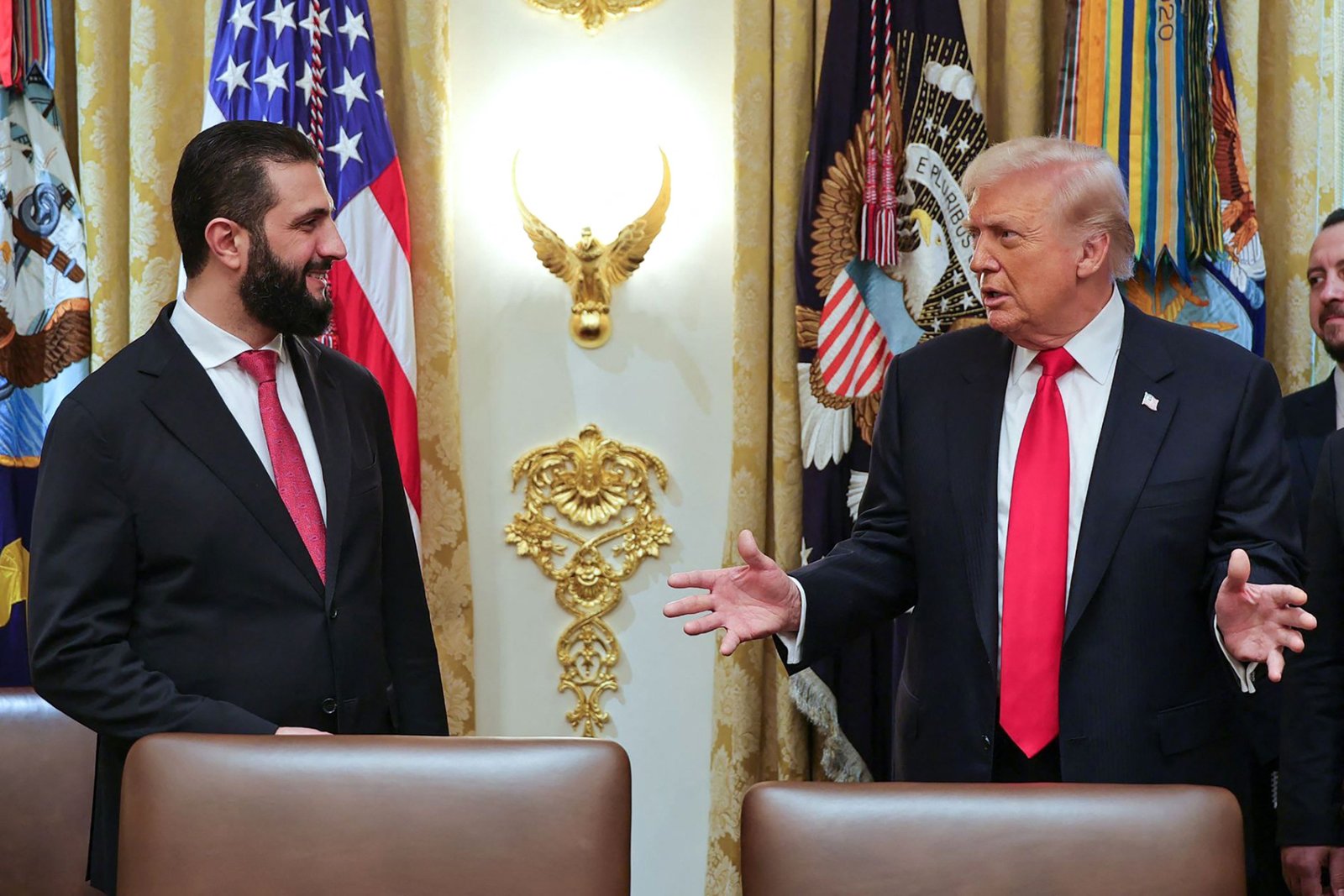
Encouraged by key regional leaders, especially in Saudi Arabia, he moved faster than the US bureaucracy, announcing sanctions relief in May 2025 after meeting al-Sharaa in Riyadh. The decision left many senior US officials as surprised as the audience watching it unfold. Trump said al-Sharaa was a “young, attractive guy” and a “tough guy”. This paved the way for his historic visit to the White House, the first by a Syrian president (where Trump gave him the original bottle of cologne).
The opening was not driven purely by regional pressure or Trump’s instincts; Syria also helped create the moment through a disciplined foreign policy campaign, al-Sharaa’s diplomatic charm, and his deliberate break with the past, both his own and that of the Assad regime. Still, while al-Sharaa and other Syrian officials have met members of Congress and senior US officials, the relationship remains concentrated in a narrow circle of individuals.
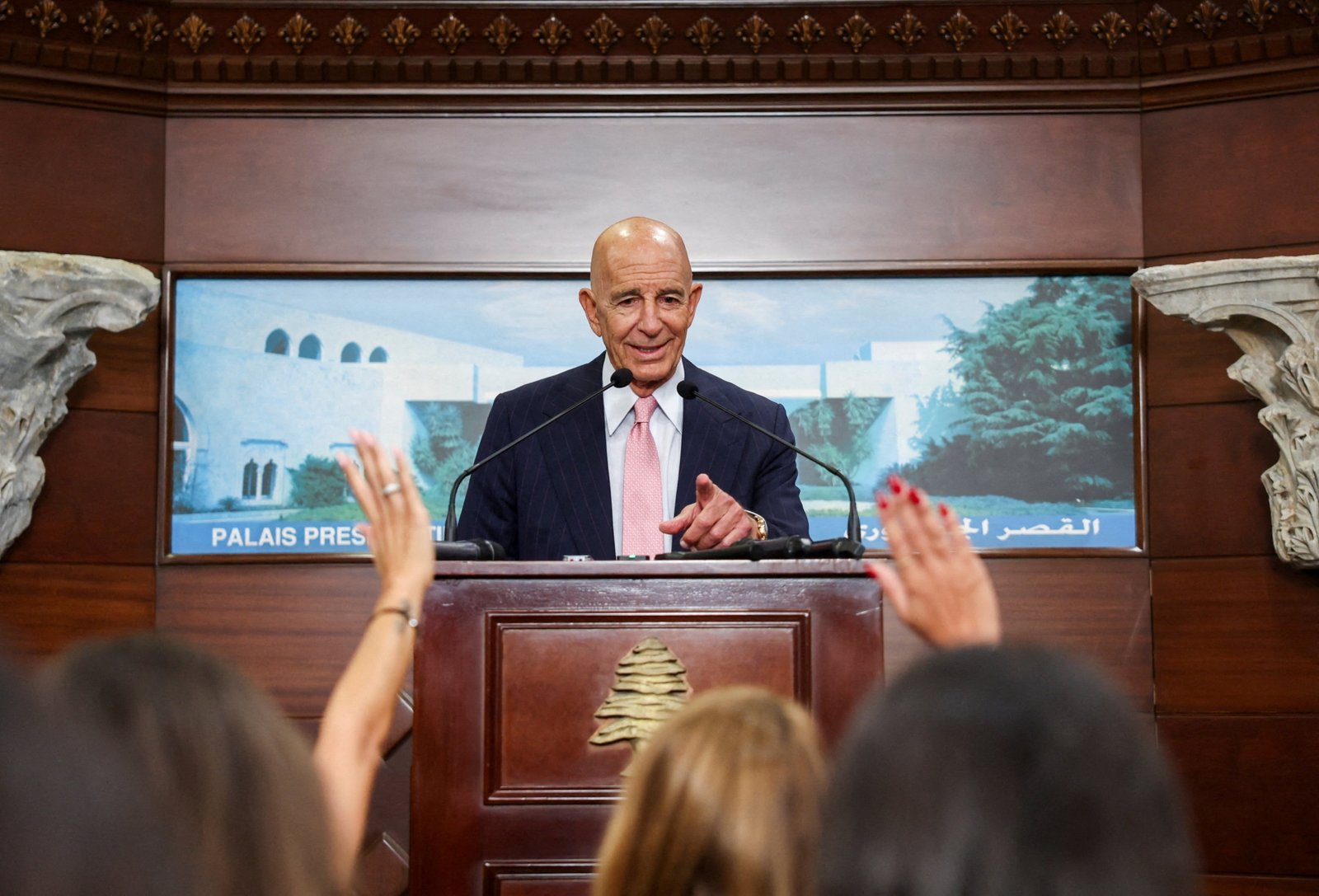
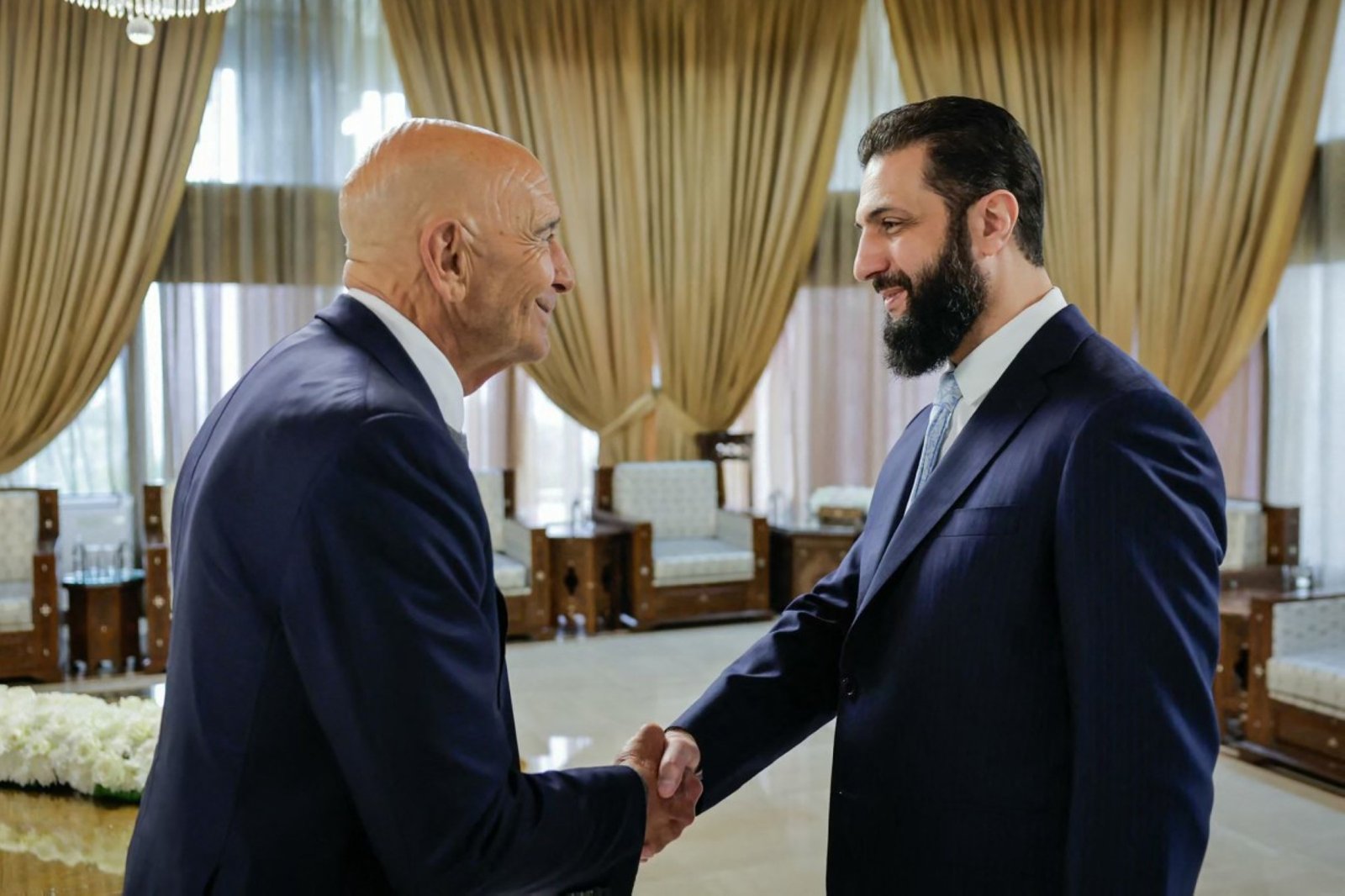
That reflects how both governments currently operate. Trump’s reliance on personal diplomacy is not unique to Syria. Across several files, he leans heavily on trusted special envoys drawn from his circle of loyalists, often allowing them to bypass traditional bureaucratic channels. On Syria, the most important of these figures is special envoy Tom Barrack. Damascus’s own bottlenecked management style has reinforced this dependence. Many Syrian officials and institutions lack the authority and autonomy needed to build sustained cooperation with their US counterparts. As a result, much of the relationship still runs through a small number of individuals managing multiple urgent files at once. That concentration slows progress and makes the entire opening more vulnerable to disruption.
Institutional limits hinder durable Syria-US ties
The institutional gap Even in areas that have advanced faster than others, institutional progress remains limited. Damascus’s decision to join the international coalition against Islamic State (IS) has allowed counterterrorism coordination to move forward and created an opening to work together. But Syria’s role remains narrow. So far, its participation has been limited to coordination with the US on select operations. Beyond this, institutional cooperation in defence and intelligence remains minimal.
Financial coordination has progressed but not yet produced a strong foundation for cooperation. Discussions on monetary and financial reform have taken place but they have advanced slowly, partly because the reforms needed to build confidence have not yet materialised. Some of the obstacles are structural and will take time to overcome.
Syria is still burdened by outdated laws, an inactive legislative body, and years of sanctions and opaque financial practices. The problem is not just technical. Reported divisions inside the Syrian authorities over the pace and scope of monetary, governance, and transparency reforms have also slowed institutional cooperation. The reopening of Syria’s diplomatic mission in Washington was supposed to help deepen and formalise the renewed relationship, but it has not.
Damascus has not helped matters by appointing Mohammad Qanatari as chargé d’affaires—an official with little diplomatic experience and limited familiarity with US institutions or Washington’s diplomatic environment. His selection was widely viewed as a loyalty-driven appointment, rather than one based on diplomatic expertise. Rather than strengthening the institutional bridge between the two capitals, the appointment has therefore highlighted how narrow that bridge remains.
Syria-US ties threatened by future leadership transitions
Risk of change The central risk is not that personal diplomacy has achieved too little (it has achieved a great deal) but that the individuals who made this relationship possible may not be able to sustain it, and the relationship may not survive the end of Trump’s term in 2028. It is impossible to predict how the next US administration will approach Syria but the risks posed by political change are already clear.
A Democratic president may not be hostile to Damascus or indifferent to Syria’s stabilisation, but a Democratic administration would likely distance itself from the highly personal diplomatic channels on which the current US-Syria relationship has been built. That is where the absence of strong institutional ties would be felt most sharply.
Durable channels between ministries, agencies, diplomats, and technical officials are what allow relationships to survive changes in leadership. Without them, a new administration would inherit a relationship shaped less by policy process than by personal ties. That would make it easier to review, slow, or reverse.
A Democratic administration might also shift the emphasis of US policy. Where the Trump administration has prioritised stability, counterterrorism, and regional alignment, Democrats may place greater weight on democratisation, inclusivity, and human rights, issues that have not been central to al-Sharaa’s domestic agenda. If they move to the centre of Washington’s agenda, they could quickly become a source of tension.
Closing narrow windows for Syria-US ties integration
The risks are not limited to a Democratic victory. A future Republican administration may not attach the same importance to Syria that Trump has. It may also be less willing to overlook the difficult episodes of Syria’s transition or less inclined to invest political capital in sustaining the opening. The next administration will also take office near the end of Syria’s five-year transitional period. By then, Washington will expect more than diplomatic momentum; it will look for measurable progress.
Syrian authorities have advanced on some files prioritised by the US, including the destruction of chemical weapons and the fight against the Islamic State, but other issues have moved more slowly, including the status of foreign fighters and financial and monetary reform. That means Damascus has little time to turn political goodwill into institutional depth.
Narrow window The opening between Washington and Damascus is real, and it matters. It has moved farther and faster than almost anyone expected but it has advanced at the top far more than through the institutions needed to sustain it. That can still be fixed. Goodwill remains and both sides still have reasons to cooperate, but the window is narrow and Damascus needs to move now.
Institutionalisation should be treated as a strategic priority, not a bureaucratic afterthought. Damascus needs to empower capable officials with the authority to negotiate, implement agreements, and carry out the reforms needed to make cooperation credible. It also needs credible, experienced diplomats who understand Washington and can build channels that survive shifts in politics and personnel.
The goal is simple: a US-Syria relationship strong enough to outlast the personal chemistry that launched it, and durable enough not to depend on who sits in the White House. Personal diplomacy opened the door. Only institutions can keep it open.