
A profound evaluation of the precarious US-Syria normalization framework, highlighting its reliance on transient personalities, impending partisan shifts ahead of the 2028 US election, and the critical structural deficits hampering Damascus’ long-term lobbying success.
The fragile normalization between Damascus and Washington hinges precariously on a transient coalition of political figures rather than institutionalized bilateral agreements. As imminent electoral transitions threaten to disrupt this alignment, Damascus must urgently anchor Syria’s Washington Window before shifting political tides in the United States permanently close it.
Syria’s Washington Window Demands Anchors
Few foreign policy decisions by President Donald Trump have generated the kind of rare bipartisan consensus that his removal of sanctions on Syria and normalization of relations with Damascus has.
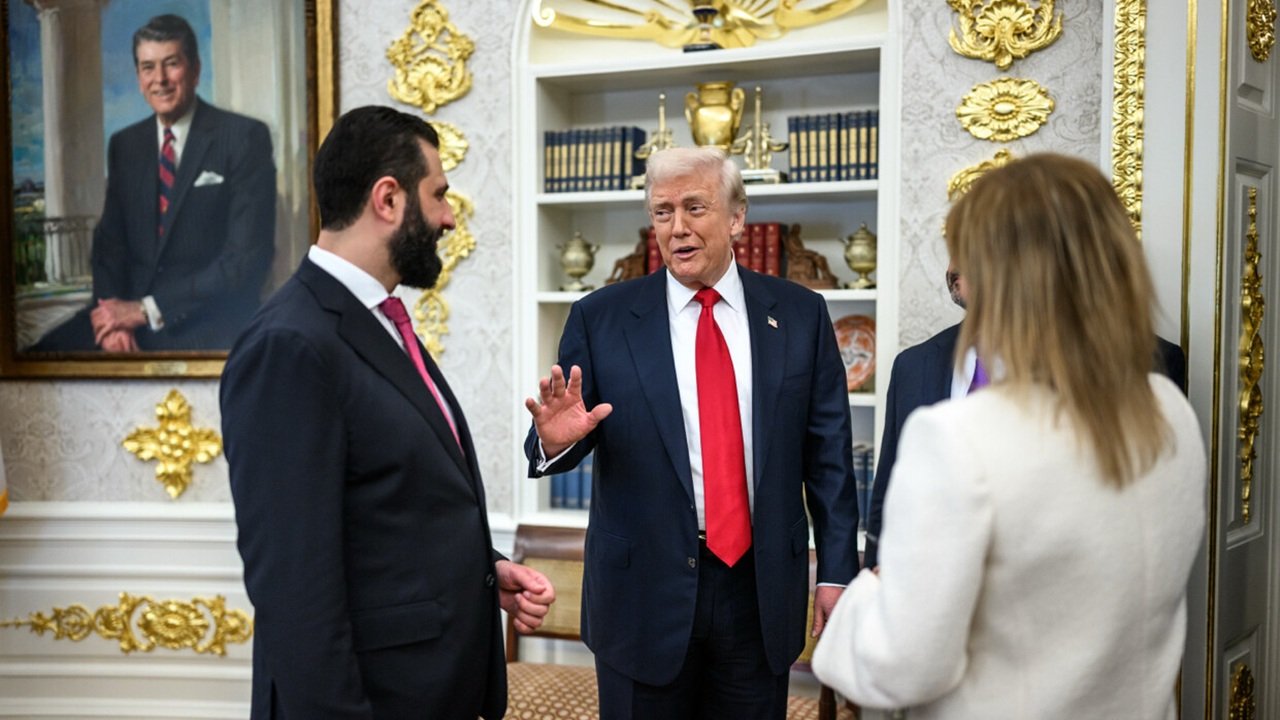
That decision was welcomed by leaders of both parties on the Senate Foreign Relations Committee and backed by otherwise ideological opposites in the House, from progressive Democrats to hardline Republicans. When Syrian President Ahmed al-Sharaa made his historic visit to the White House to meet with President Donald Trump—the first such visit by any Syrian head of state since the country’s independence in 1946—he also traveled to Capitol Hill and met with Senate Foreign Relations Committee Chairman Jim Risch (R-ID) and Ranking Member Jeanne Shaheen (D-NH), who declared that under Sharaa’s leadership, Syria was “becoming a US partner.”
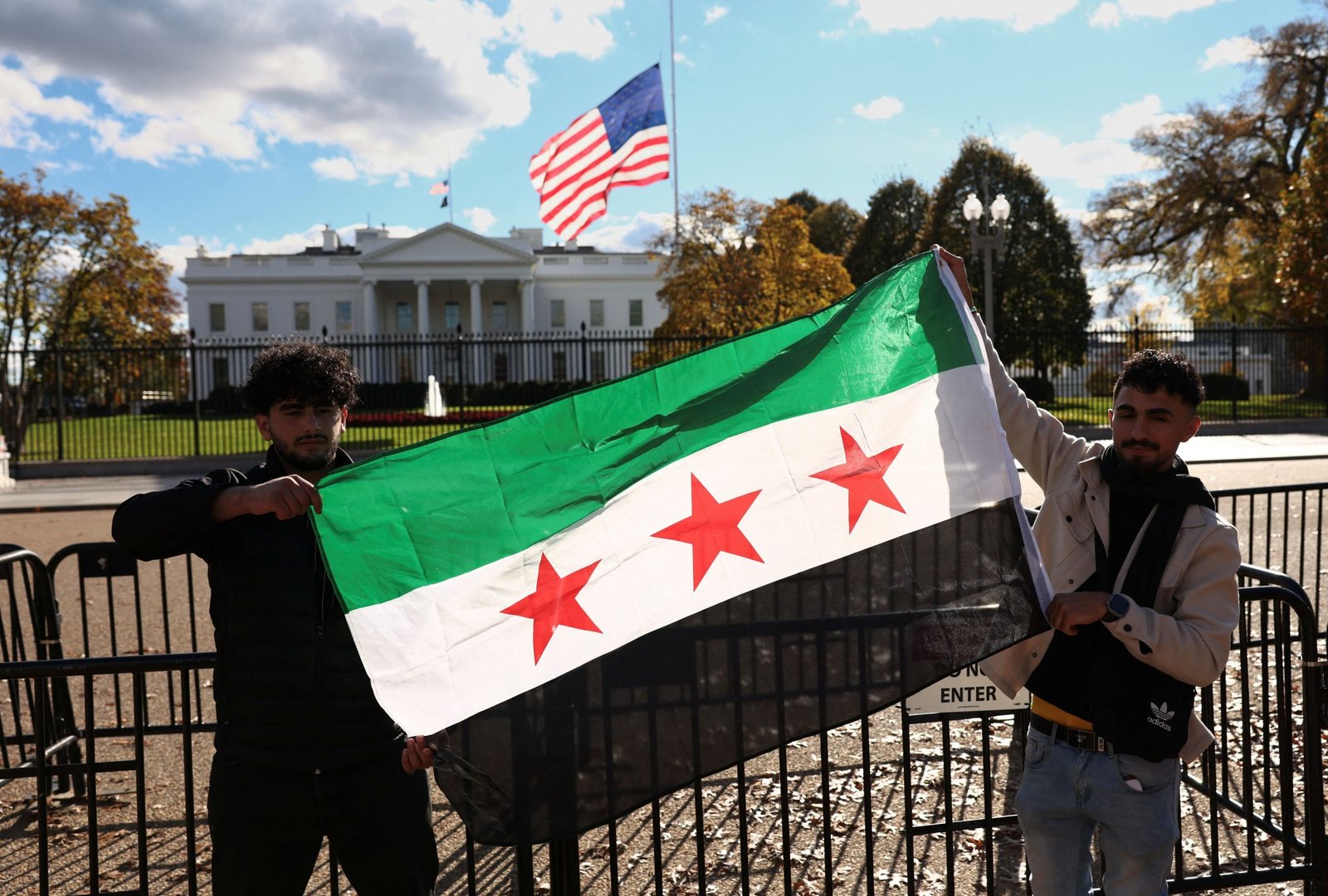
The mood outside the White House, where Syrian-Americans waved flags and cheered Sharaa’s motorcade as it passed, captured something genuinely historic in the air. Just as importantly, it was a reflection of how quickly Washington’s posture toward Damascus had shifted from deep suspicion to open friendship.
Erosion Stalks syria’s Washington Window Now
Despite the goodwill on both ends, Syria’s newly cordial relationship with the United States rests on a remarkably small number of individuals rather than any durable institutional foundation. Worryingly for Damascus, that foundation is already beginning to erode.
Trump, of course, is term-limited. Special Envoy Tom Barrack, whose personal diplomacy was instrumental in securing the Caesar Act’s repeal and has helped guide Damascus through the ups and downs of the post-Assad era, will not hold that position indefinitely. Sen. Shaheen, arguably the most high-profile and consistent ally Syria has had within the Democratic Party, is retiring in January. Other pro-Syria voices on Capitol Hill are facing problems of their own: Rep. Cory Mills (R-FL) is under investigation by the House Ethics Committee, and Rep. Joe Wilson (R-SC) has been dealing with health issues.
Syria has accumulated immense goodwill and relatively little hostility in Washington since December 2024, not an easy feat. What it has not built is a relationship that can survive the departure of the people who made that goodwill possible. Personal relationships are how these things start. They are not how they last. What Will the Democrats Think of Syria in 2028?
Threatening Realities Facing Syria’s Washington Window
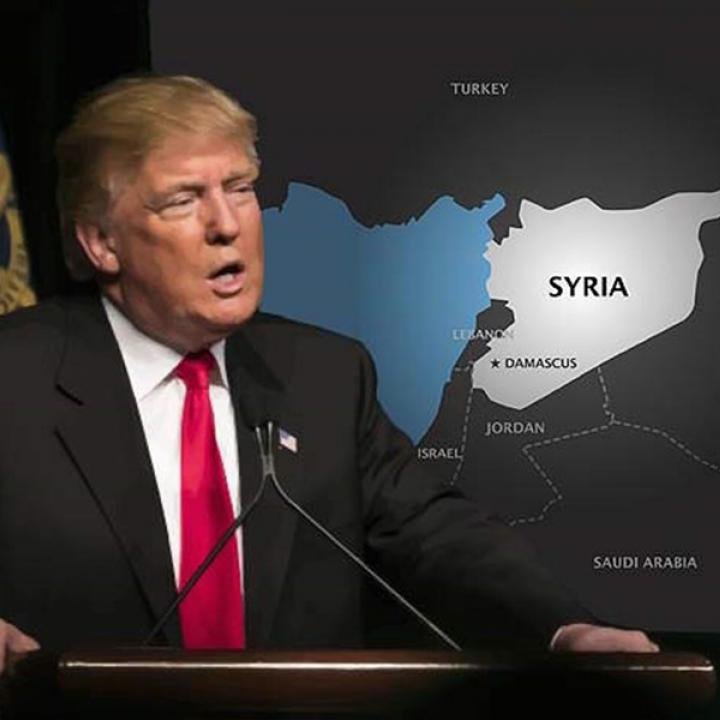
Rumored Democratic presidential candidates may not be as keen on providing Syria with the same grace or importance that the current administration has. Beyond the inclination of many Democrats simply to oppose Trump’s Middle East policy out of reflexive opposition to Trump’s policies in general, Democratic lawmakers have repeatedly criticized the Gulf Cooperation Council (GCC) states for their financial ties to the orbit of the current administration.
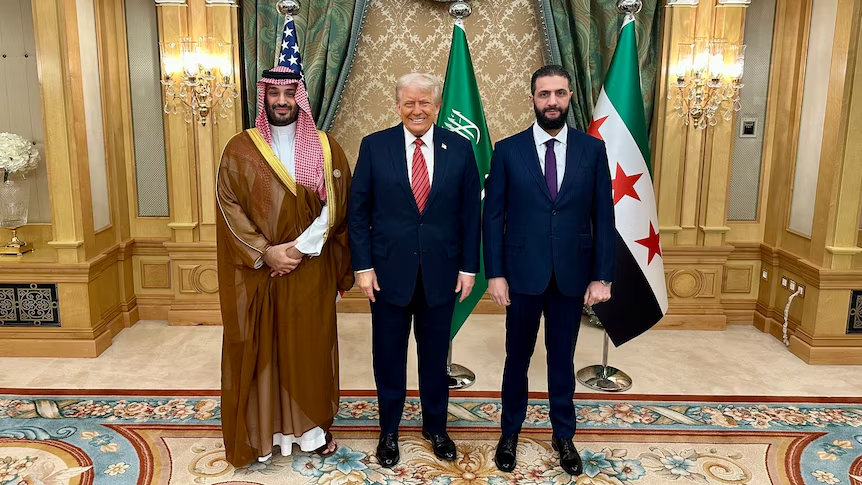
It should not be lost on Damascus the instrumental role that Saudi Arabia’s Crown Prince Mohammad bin Salman al-Saud and Qatar’s Emir Tamim bin Hamad al-Thani played in boosting Sharaa’s relationship with Trump. In other words, Damascus has benefited directly from the goodwill of the very governments that Democratic voices are now casting as eager participants in geopolitical corruption. The general trajectory of the Democratic 2028 field is trending towards more skepticism of Gulf state relationships, not less; a future Democratic president would arrive in office in 2029 having spent years railing against Gulf arms deals, Gulf jet gifts, and Gulf crypto investments.
This has ominous consequences for Syria. The risk is not primarily that a Democratic president would be hostile or indifferent to Damascus. It is rather that the entire basis of the existing US-Syria relationship was built through channels that the next administration will want to distance itself from on Day 1. As a complicating factor, Democrats tend to prioritize democratization and inclusivity when considering diplomatic engagement around the world; despite its strides in improving Syrians’ living conditions and preserving peace, the Sharaa government has not given real priority to either item in its domestic agenda.
Syria’s Washington Window Requires Cohesion
Syria Needs Better Voices in Washington The various organizations of the Syrian-American diaspora, which proved effective in building pressure against the Assad regime and rallying bipartisan support for the Caesar Act’s repeal, have yet to find their footing in this new chapter. Today, the Syrian-American movement is fractured by competing organizations and internal jockeying for influence in both Washington and Damascus, and has been too willing to echo Damascus’ talking points rather than develop an independent advocacy posture that serves Syrian-Americans first.
That dynamic weakens Syria’s hand in Washington precisely when a coherent, credible diaspora voice matters most. A future administration, be it Republican or Democrat, trying to recalibrate its Syria policy will look for interlocutors beyond Damascus. If the Syrian-American community cannot speak with a coherent and independent voice, that vacuum will be filled by others with their own agendas. This is a growing concern as many regional spoilers and US organizations sympathetic to Iran or the ousted Assad regime are jostling for influence and lobbying Congress to reimpose sanctions.
Missteps Peril syria’s Washington Window Structure
Damascus has not helped itself on this front. The selection of Mohammad Qanatari as Syria’s chargé d’affaires in Washington raises serious questions about whether the Syrian government understands the environment it is trying to navigate and the seriousness of the situation it faces. This is Qanatari’s first diplomatic appointment, and he was likely selected due to his loyalty to the new government, not his experience in Washington’s political, social, and diplomatic landscape. One hopes Qanatari exceeds every expectation; Syria needs him to. However, sending a junior diplomat on his first international posting to manage the most consequential bilateral relationship in Syria’s modern history is not a risk Damascus can afford.
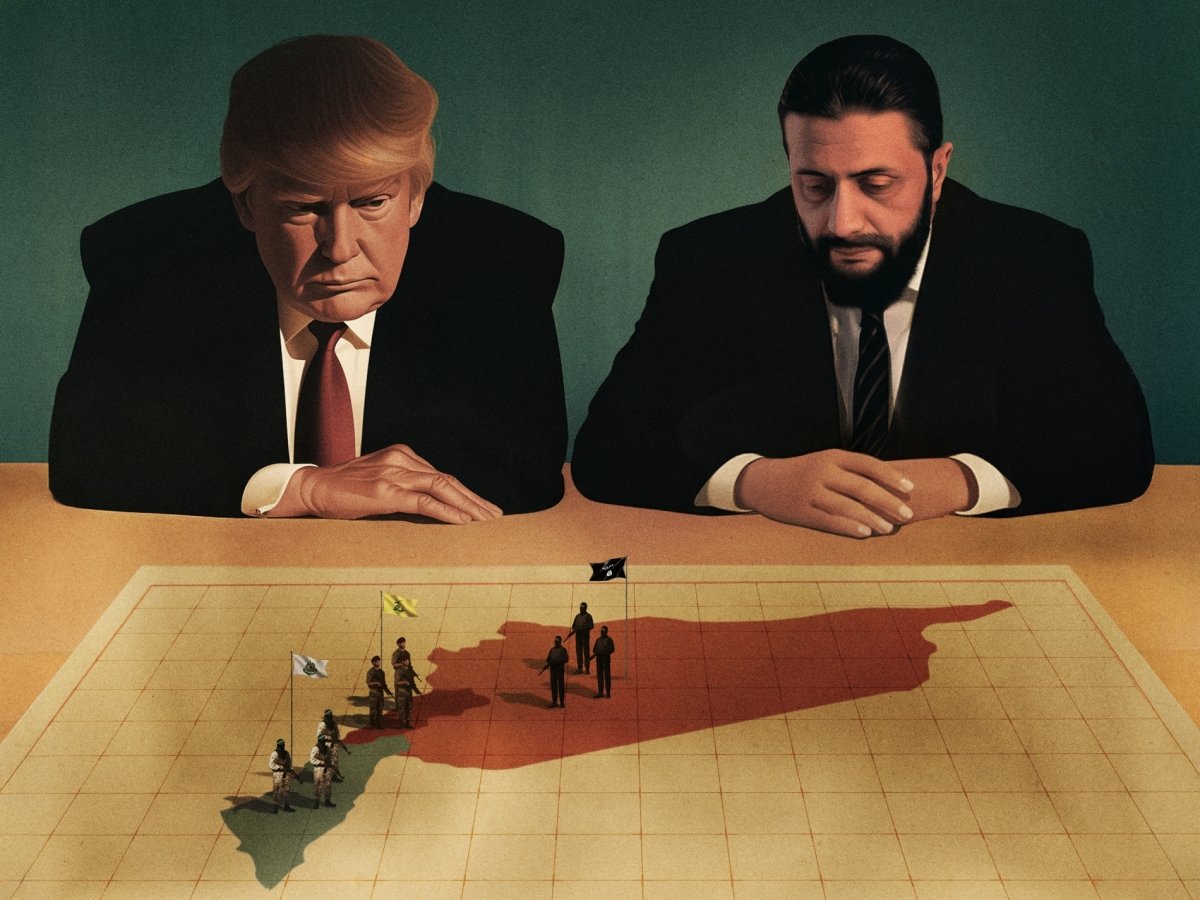
Washington is not a city that rewards learning on the job: the relationships, institutional knowledge, and political fluency required to operate effectively take years to build. Syria does not have years to spare. The next American presidential election is in November 2028, and the earliest presidential campaigns may be announced as early as the end of this year. In other words, the window of the current administration’s enthusiasm for Syria is, at most, two years long. There is still time to correct course, but not much.
Syria must immediately begin cultivating relationships with members of Congress who may not agree with all of the new government’s policies or background but understand what a stable, post-Assad Damascus means for countering Iranian influence, deterring ISIS, and anchoring a more coherent regional order in the Levant. It means actively courting American businesses and investors who have a direct financial stake in Syria’s reconstruction; a commercial constituency in Washington is one of the few forms of diplomatic leverage that will survive a change in administration.
It means drawing on Syria’s competent technocratic class rather than only awarding posts to loyalists. Finally, it means appointing diplomats with established relationships across the aisle, including with committee staffers and policymakers, who can help build a sustainable US-Syria relationship grounded in institutional ties rather than personal diplomacy.