
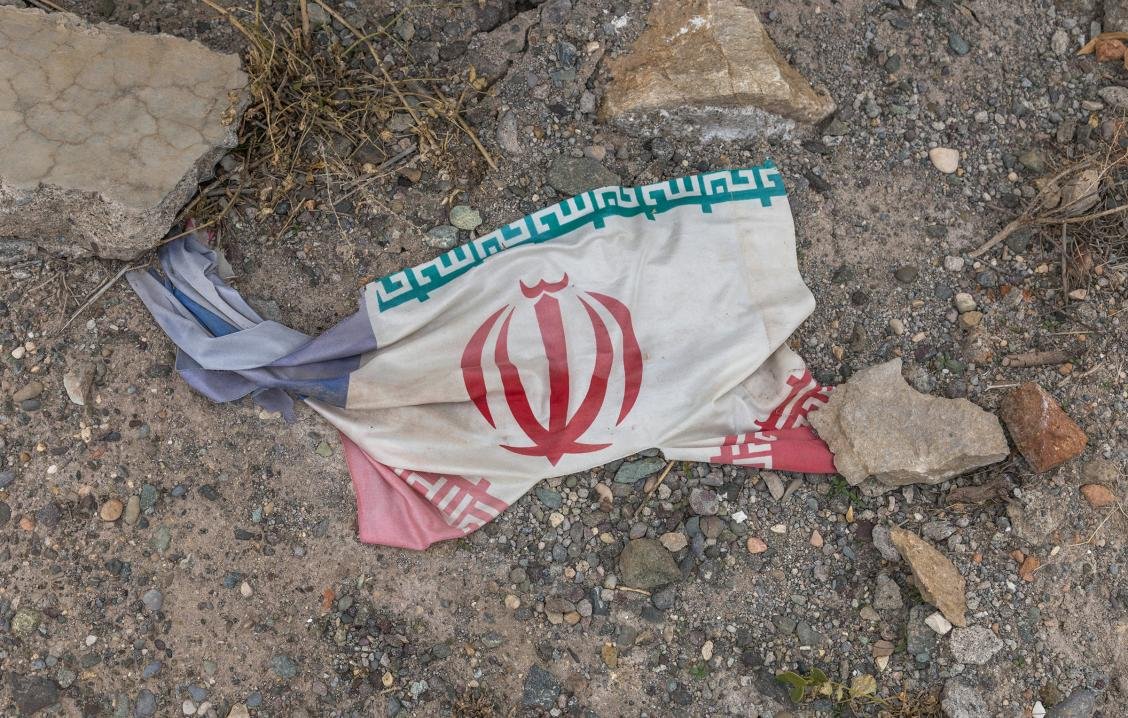
The U.S.-Israeli strikes on Iran since Feb. 28, 2026, have forced over 3 million internal displacements and hundreds of thousands of cross-border movements. Lebanon faces 1 million displaced as regional humanitarian systems near collapse under rising costs and closed aid channels.
The joint U.S.-Israeli military campaign that began on Feb. 28, 2026, has not only inflicted civilian casualties but triggered a seismic displacement crisis across Iran and Lebanon. Middle East conflict now forces over 3 million Iranians from their homes while straining neighboring states already brittle from years of economic collapse and refugee fatigue. This Middle East conflict demands urgent examination of cross-border movements and internal flight patterns that redefine regional stability.
Middle East Conflict Sparks Iran Exodus
Rising Human Impact in Iran and Lebanon
Since the start of joint U.S.-Israeli strikes on Iran on Feb. 28, 2026, a new cycle of displacement has unfolded across the Middle East. The greatest impact has been felt in Iran, where more than 1,000 people have been killed and millions of civilians forced to flee bombardment. While most remain in the country, some are seeking safety across international borders. Countries around the world, including the U.S., have urged their nationals residing in the Gulf Cooperation Council (GCC) states, Israel, and Mashriq countries such as Iraq and Jordan to evacuate to avoid Iranian drone and missile strikes.
While many of the strikes have been intercepted, Israel, the GCC states, Syria, and Iraq have collectively reported dozens of civilian casualties. In Lebanon, hundreds have been killed and hundreds of thousands internally displaced, as Israel has intensified its military operations and bombardment. This commentary examines the region’s current instances of mass displacement and the human toll of the conflict to date.
Inside the Middle East Conflict Displacement
Displacement Within Iran
Over the last two weeks, Iran has been struck at least 168 times, resulting in approximately 1,200 civilian deaths. More than 3 million people are internally displaced, primarily fleeing from the capital city of Tehran, which has borne the majority of strikes, toward smaller urban and rural areas in the north. These figures are likely underestimates, given frequent internet blackouts and limited communication inside the country. Residents who could afford to flee Tehran described congested roadways and scarce fuel as hundreds of thousands attempted to reach safer areas.
Iran has also long been a key host for Afghan refugees and migrants, with approximately 4 million living in the country. The United Nations High Commissioner for Refugees (UNHCR), which oversees refugee operations for Iran, has registered only 1.65 million official refugees, while many others remain in a precarious undocumented status. Iran’s worsening economic situation — including high inflation and rising costs of living — had already made life difficult for Afghans prior to the current conflict. With the new threat of violence and the destruction of civilian infrastructure, some Afghans have attempted to return to Afghanistan, despite the reinstitution of Taliban rule in 2021.
So far, Iranians have not left the country in large numbers. When conflict erupts, the number of internally displaced people typically outpaces the number of refugees who cross international borders. However, many neighboring countries are preparing for the possibility that — if strikes continue — Iranians with the resources to do so may also attempt to leave the country.
Escalating Middle East Conflict
Cross-Border Movements From Iran
As of early March, several hundred Iranians had crossed into Armenia, where there is an already established Iranian Christian diaspora and the government has been preparing to provide relief near the border if necessary. More than 1,000 evacuees from Iran also crossed into Azerbaijan, though most of these individuals were foreign nationals.
Estimates indicate that approximately 1,500 individuals have crossed into Turkey each day since the start of the war, though crossings have reportedly been limited both by Iranian authorities, who control exits, and by Turkish authorities, who aim to minimize entry. Turkey already hosts more than 3 million Syrians, in addition to other nationalities, and has long faced refugee fatigue. Nonetheless, the government is making contingency plans, including a possible buffer zone or the establishment of camps near the border, should large numbers of Iranians attempt to cross.
Iranians from Kurdish areas also began crossing into Iraqi Kurdistan after the border reopened on March 15, primarily to access cheaper goods and use reliable internet to contact family members. Several thousand individuals have crossed into Pakistan’s Balochistan region, most of whom were Pakistani nationals returning home, though some were Iranians.
Middle East Conflict Hits Lebanon Hard
Escalating Conflict in Lebanon
The Iran war has intensified fighting between Israel and Hezbollah in Lebanon, displacing more than 1 million Lebanese civilians, or nearly one-fifth of the country’s population. After Hezbollah fired several rockets across Israel’s northern border in early March — reportedly in response to the U.S. and Israel’s killing of Iran’s Supreme Leader Ayatollah Ali Khamenei — Israeli authorities conducted successive attacks across the country. Authorities issued mass displacement orders for more than 100 villages and towns in southern and eastern Lebanon, as well as the entirety of Beirut’s southern suburbs. This scenario is quickly approaching the scale of upheaval in 2024, when 1 million residents fled their homes.
To escape the bombing of cities, residents in Lebanon have been sleeping in tents or their cars along roadsides. Shelters for displaced families across the country are beyond capacity, with some government-run facilities turning away Syrian refugees who have been forced to flee a second time. More than 100,000 Syrians — and even some Lebanese citizens — have also crossed from Lebanon to Syria to escape the intensified fighting.
Regional Ripple Effects of Middle East Conflict
Regional and Global Ripple Effects
Those killed or displaced have borne the greatest brunt of this conflict thus far, but the humanitarian reverberations will extend far beyond Iran and Lebanon. Disruptions to shipping through the Strait of Hormuz from Iran’s attacks on transiting ships are increasing the cost of oil and fertilizer, which in turn increases the cost of food production and aid delivery. Global aid was already at a critical juncture before the start of the conflict, due in part to the Trump administration’s closure of USAID in early 2025.
The ongoing conflict is likely to worsen the already dire aid situation faced by millions of displaced people worldwide who rely on assistance. If the conflict continues, the number of refugees worldwide could increase while the cost of supporting them also rises. Broader impacts on the region and on populations already facing vulnerabilities will become clearer as the situation unfolds.