
US trade offensives and the military campaign in Iran have disrupted global markets without forcing quick capitulations. With European allies resisting territorial demands and China deploying retaliatory export controls, Washington faces a severe, costly strategic gridlock.
Washington faces a stark reckoning as rapid tactical victories give way to protracted global entanglements. The administration’s aggressive operations now hit a wall of resilient adversaries, exposing the limits of unilateral pressure. Navigating this gridlock requires sustained diplomacy rather than transactional deals, forcing a critical shift in how Trump’s foreign policy confronts entrenched rivals.
Trump’s foreign policy hits reality
When President Donald Trump launched the Iran war in late February, he promised a rapid, stunning triumph. This week, he was forced to renew a conflict of unknown duration, with uncertain prospects, to break Iran’s chokehold on the Strait of Hormuz and undo the damage his war has caused.
That’s a daunting endeavor — and an apt symbol of the state of Trump’s foreign policy. Eighteen months into his presidency, Trump is running out of chances for the easy wins he prizes. There are mostly hard problems and dug-in adversaries left.
“Shock and awe” was the tale of Trump’s first year. He entered office determined to remake America’s global position; he was willing to flex US muscle in fierce, aggressive ways. Trump launched trade wars against friends and rivals while demanding fundamental changes in the terms of US alliances. He plunged into presidential peacemaking in numerous conflicts, even as he brawled militarily with an assortment of rivals and rogues. The president even talked about adding new lands to the US.
Far from retreating into isolationism as many people expected, Trump embraced a frenetic, all-directions activism. He wagered that America’s unmatched power would deliver quick, dramatic gains.
How Trump’s foreign policy failed
This approach never worked well against hostile countries with the determination and resources to resist US demands. Russian President Vladimir Putin brushed aside Trump’s peacemaking in Ukraine. Xi Jinping’s China blunted Trump’s tariff offensive — and forced him into an embarrassing retreat — with reciprocal duties and export controls on critical minerals. But what made Trump’s first year so disconcerting, to many global leaders, was how often he got his way against weaker or more dependent powers.
European allies desperate to retain US protection acceded to Trump’s calls for vastly higher defense spending. Punishing trade wars secured unequal deals from countries that rely on US markets and the US security umbrella.
The European Union swallowed hard and accepted asymmetric tariff levels. South Korea, Japan, Taiwan and other countries promised huge investments in the US. And as Trump routed American allies, he also roughed up rogue actors: The Pentagon smashed Iran’s nuclear facilities in June 2025 and snatched Venezuela’s Nicolás Maduro in a midnight raid in January 2026.
Miscalculations derail Trump’s foreign policy
That raid was a strategic coup, in addition to a stunning display of strength: It effectively converted an adversarial government into a US vassal. It was also the high before the fall. An immaculate regime-change operation in Venezuela seemed to leave Trump in a state of strategic intoxication. It appears to have convinced him that US power was almost limitless. He then made two glaring, costly mistakes.
First, Trump shifted into high gear in his quest to claim Greenland. He backed down after meeting firm, united European opposition, but not before deeply scarring NATO by making the US — not Russia, not China — the greatest threat to the sovereignty of one of its members.
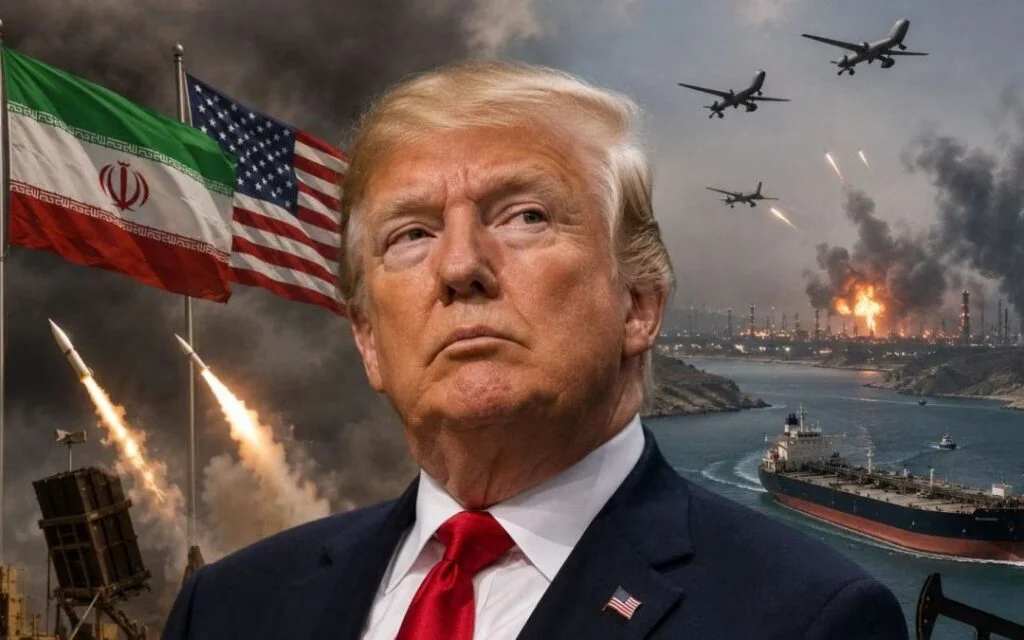
Then, Trump attacked Iran, with little understanding of what he was unleashing and little plan for what to do if the regime in Tehran didn’t immediately fold. The result was a Middle Eastern mess that has revealed the limitations of US military dominance — and may deplete American power globally for some time.
So far, the major geopolitical events of 2026 have made Trump’s America look reckless, weak and predatory. That’s a tough comedown from Trump’s first year — and a worrying precedent, given what is coming next.
Trump’s foreign policy faces gridlock
Yes, there are opportunities to regain momentum. Ukraine is doing better on the battlefield while battering Russia’s economy with long-range strikes. Trump is dialing up pressure on another longtime US antagonist in Latin America — the Cuban regime — as part of his signature Donroe Doctrine. But don’t expect a parade of victories: Trump is mostly facing complex challenges and tenacious foes.
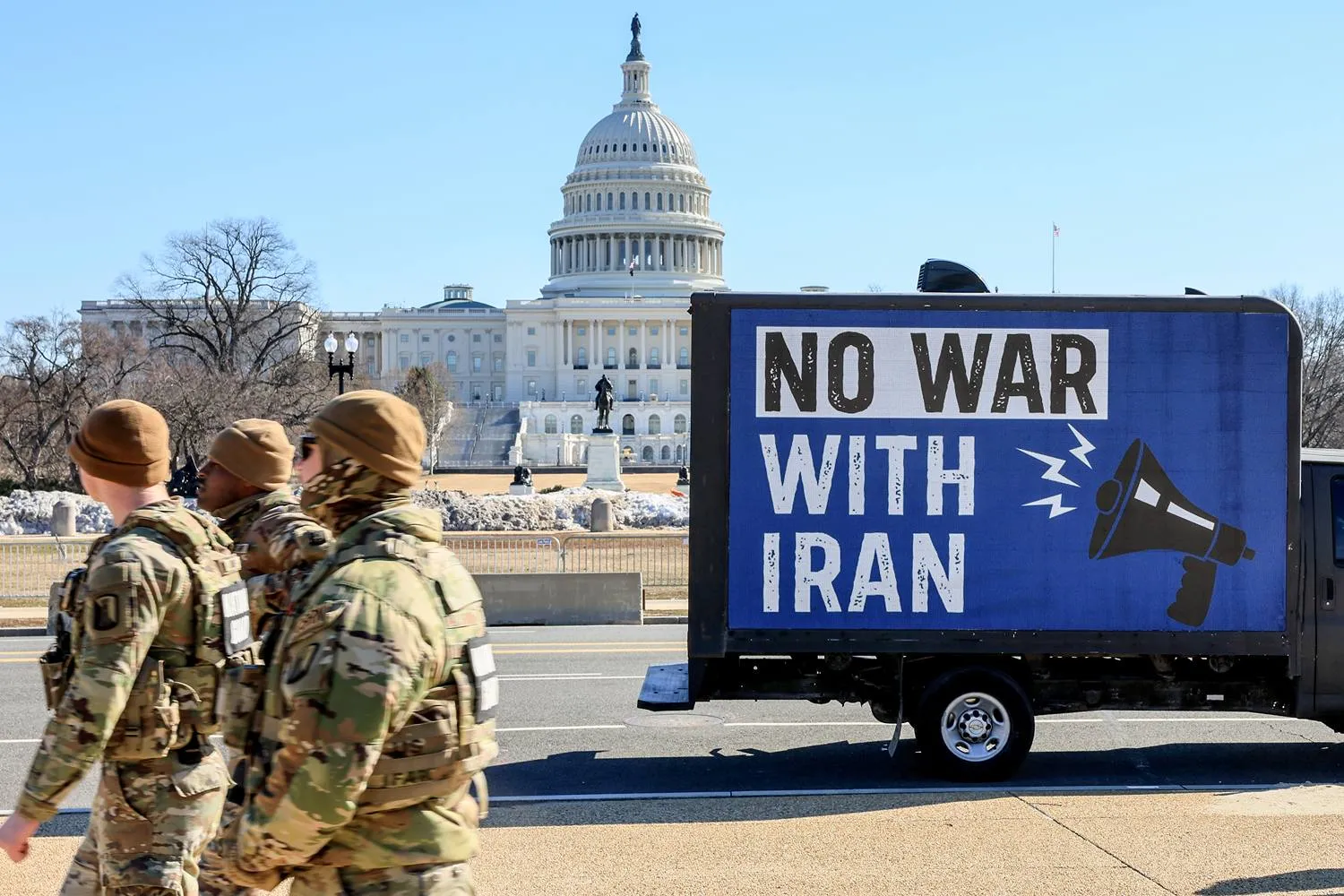
Trump must find a resolution to the Iran war that doesn’t break the world economy, become a black hole for US power or give Tehran lasting control over Hormuz. He will have to build and sustain the multilateral pressure that might eventually force Putin to accept a ceasefire in Ukraine. He’ll need to push back against a confident, assertive China even as he carries on diplomacy with its leader, Xi Jinping.
Not least, his administration must firm up the foundations of US power — by strengthening the defense industrial base, securing critical mineral supply chains and finding an approach to AI regulation that reduces the risk of disaster without thwarting innovation.
Rebuilding Trump’s foreign policy execution
None of these problems suit Trumpian statecraft, with its blustery rhetoric, improvisational character and perpetual search for quick fixes. They will require the patient spadework — systematically developing leverage against Xi and Putin, working with allies to increase collective resilience, devising a strategy to prevail in a protracted confrontation with Iran — that this president often spurns. They will also require Trump to fight his most damaging instincts, including his temptation to trash allies for his own strategic missteps and his desire to walk away from problems he can’t readily solve.
This would be a very different style for Trump. Still, it’s hard to deny the necessity of a change. It has been a rough six months for the shock-and-awe president. If Trump doesn’t shift his statecraft in a world full of stubborn challenges, there will be more damage and disappointment ahead.