
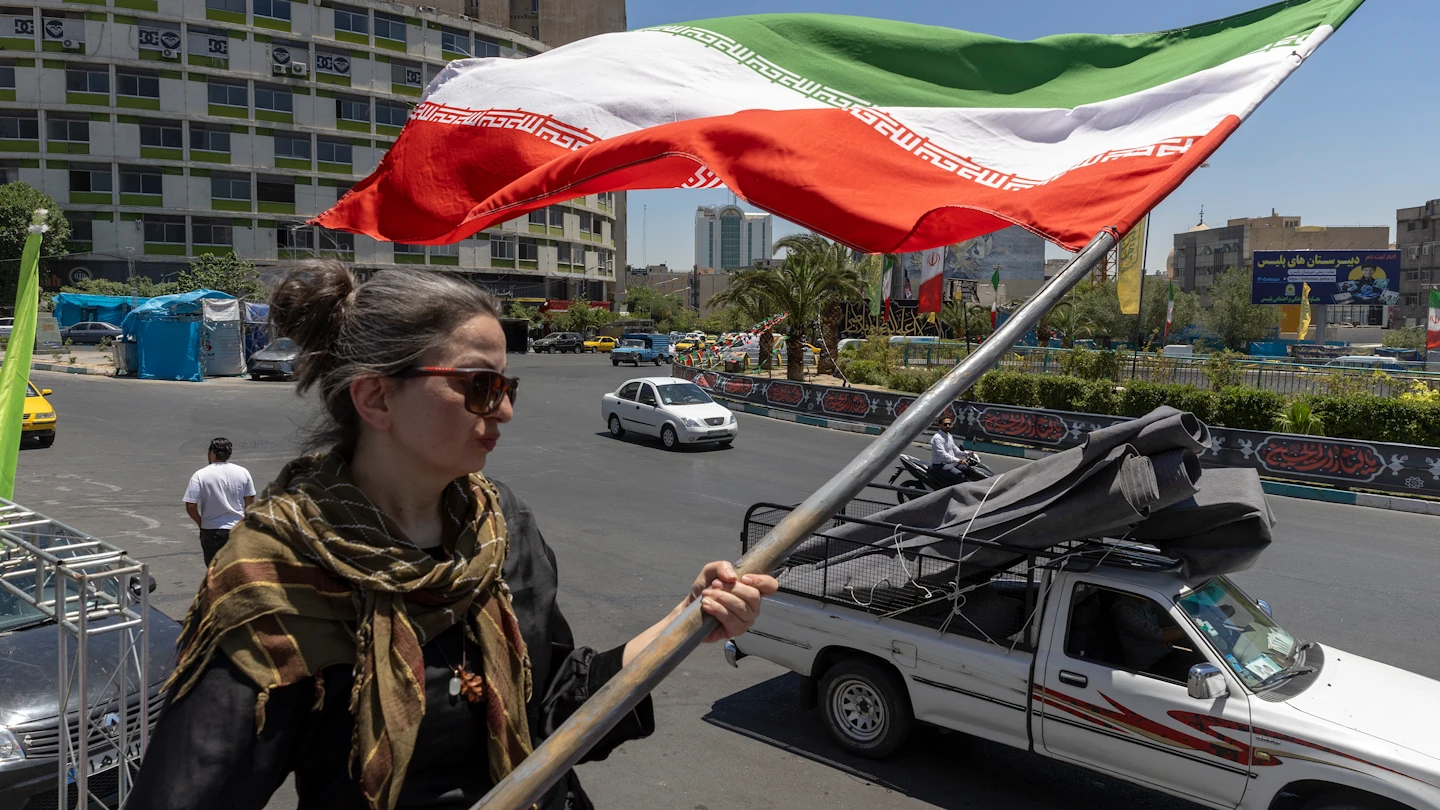
A high-level strategic brief evaluating Iran’s post-conflict leverage over the Strait of Hormuz, the structural fragility of the U.S.-Iran MOU, and the economic and military risks associated with Tehran monetizing global maritime chokepoints.
The geopolitical resolution within the Persian Gulf has shifted profoundly, illustrating that the core strategic calculus hinges entirely on how Tehran manages its newfound leverage over international shipping lanes. This delicate postwar reality proves that while tactical military survival alters immediate power dynamics, securing long-term economic stability requires an entirely different diplomatic framework. By holding the global energy supply chain hostage, the regime risks transforming a temporary defensive victory into a permanent state of economic isolation and renewed military vulnerability. Ultimately, if the Islamic Republic prioritizes short-term monetization over structural security guarantees, it will inevitably undermine the very geopolitical position it fought to preserve, forcing its adversaries to permanently restructure regional trade architectures.
Iran Won the War: A New Strategic Frontier
When the United States and Israel launched their war on Iran in late February, the regime in Tehran was in an unprecedented position of weakness. It faced existential economic and environmental crises, diminished defensive capabilities, and internal turmoil and external scrutiny following a brutal January crackdown on protests that killed thousands of its own people.
But after 40 days of war and two months of shaky cease-fire, the Islamic Republic has emerged intact, emboldened, and armed with a new deterrent that appears even more powerful than all the weapons its adversaries damaged with airstrikes: its control over the Strait of Hormuz. In late April, U.S. Secretary of State Marco Rubio acknowledged that the strait had become Iran’s “economic nuclear weapon.” The world now understands that if Iran is attacked, it will shut the strait, disrupting energy markets worldwide.
Put plainly, U.S. President Donald Trump lost both the war and the negotiations to end it. But if Tehran overplays its hand, it could lose the peace that follows. The memorandum of understanding signed by Iran and the United States postpones the resolution of most of the difficult issues (including restrictions on Iran’s nuclear program) to a 60-day negotiating period.
But the situation in the Strait of Hormuz will be far more difficult to finesse than most realize. The MOU will provide for the safe passage of commercial vessels at no charge for 60 days while Iran and, presumably, the United States seek to define the strait’s postwar administration. But whether a final deal is struck or not, Iran has made clear that it intends to impose new restrictions and fees on commercial vessels transiting the Strait after the negotiation period ends. Iran’s lead negotiator, Speaker of the Parliament Mohammad Ghalibaf, said outright that “the Strait of Hormuz will never return to its previous condition” and “naturally, we will charge fees in return for the services we provide.”
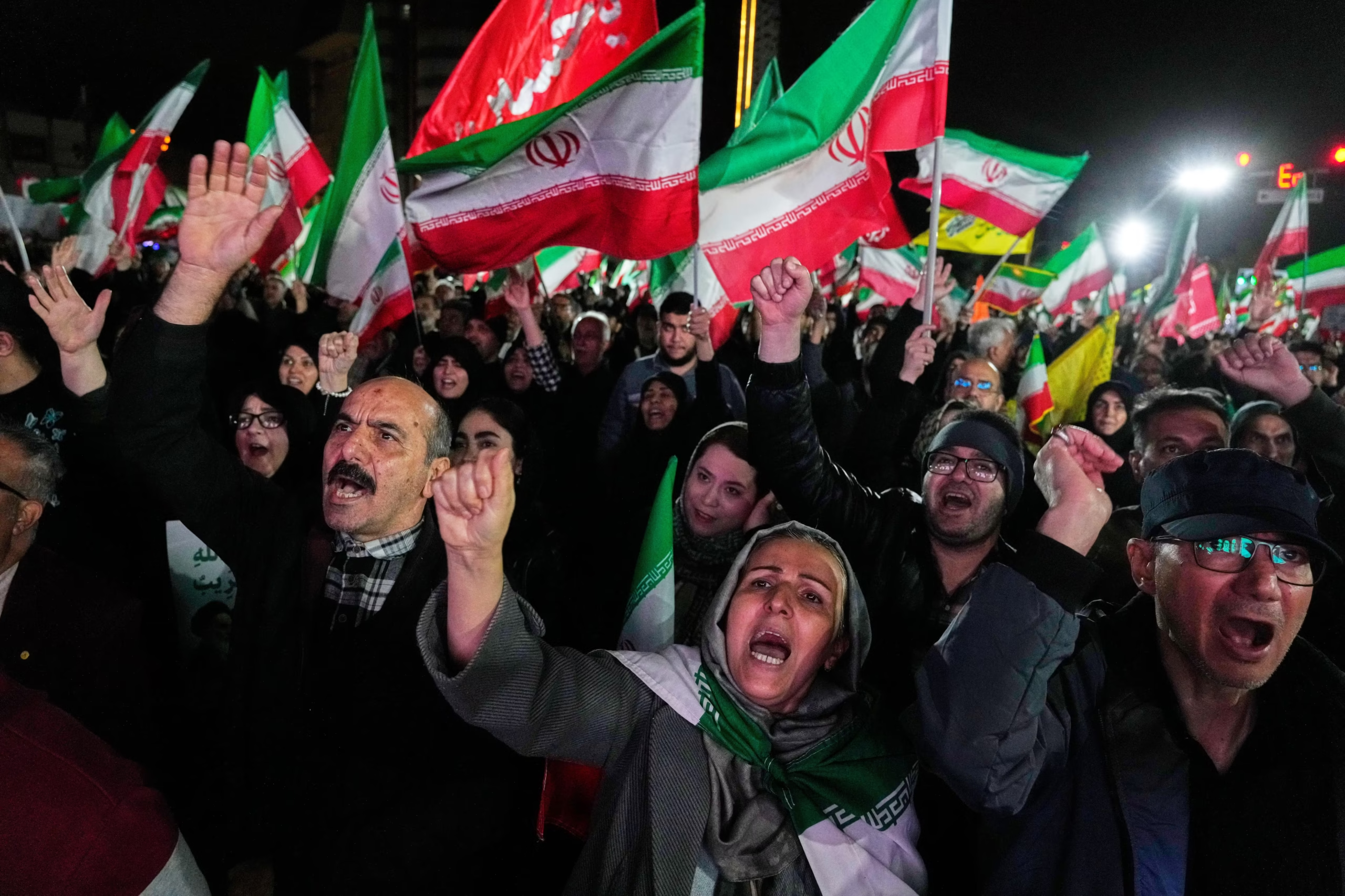
Postwar Diplomacy Framing Iran Won the War Imperatives
It is understandable why such an arrangement would tempt Iran. The country suffered immense economic damage during the war, and it is eager to quash any lingering notions that it is weak. But pressing for a status quo that does not fully open the Strait of Hormuz to all maritime traffic without fees or tolls risks undermining Iran’s newfound deterrence and makes a return to conflict more likely.
It could upend global shipping permanently and, by accelerating the world’s effort to find alternative routes, lower the costs Iran’s adversaries face in launching a future war. The Strait of Hormuz could thus become the locus of postwar instability. And just as Trump overestimated his strategic advantage when he launched the war, Tehran could be poised to make the same mistake now that the war has ended.
DEAL OR NO DEAL
The 14-point U.S.-Iranian MOU codifies the tenuous cease-fires in Iran and Lebanon, affirms that Iran will not pursue nuclear weapons, and pledges that the United States will immediately end its naval blockade and issue Treasury Department waivers, permitting Iran to sell its oil. It also outlines the parameters of a hypothetical final deal, including full sanctions relief in return for the disposition of Iran’s highly enriched uranium and an unspecified understanding related to future Iranian enrichment.
But although the document mentions a resumption of shipping from the Persian Gulf to the Sea of Oman, nuclear concessions by Iran, and sanctions relief, it leaves the details to be determined. And substantial obstacles make it unlikely that a final agreement will be reached within 60 days—or ever. Washington has not demonstrated the patience necessary to complete a complicated nuclear deal that requires new monitoring and verification measures. The United States’ current sanctions regime against Iran, designed during Trump’s first term, was expressly conceived to prevent a return to a nuclear deal by employing overlapping sanctions designations under multiple authorities, intentionally creating legal and bureaucratic complexities. It will take creativity to unravel.
Dissecting the Fragile Landscape of Iran Won the War
Iran’s new leaders also may not want anything beyond a small, transactional deal with the United States. They do not trust Trump’s commitment to a large deal, given his 2018 withdrawal from the Joint Comprehensive Plan of Action three years after its establishment and the fact that the United States and Israel killed Supreme Leader Mojtaba Khamenei’s father, mother, wife, and son. The MOU’s terms favor Iran, but the gulf between the final conditions Tehran and Washington are willing to accept may be so large that a full deal becomes impossible. Finally, Israel may use its influence to block or undermine a broader deal, especially if the terms are as disadvantageous to it as reporting suggests.
But looming over all of these is the status of the Strait of Hormuz. If the understanding regarding the Strait of Hormuz is not firmed up, war could easily resume. The failure to return this international waterway to its unimpeded prewar status quo is unsustainable.
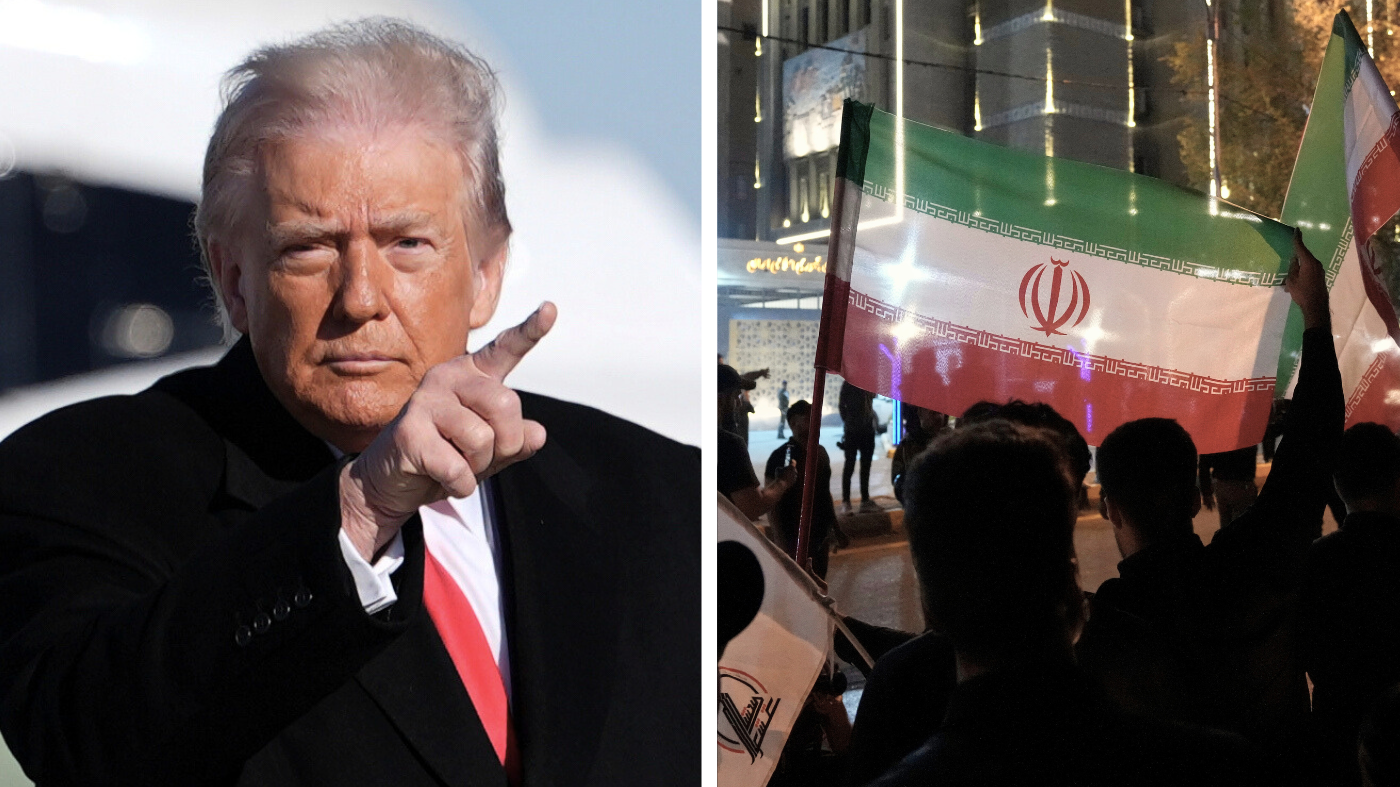
PLAYING WITH FIRE
Iran will not relinquish its newfound control over the Strait of Hormuz for nothing. In May, Iran established a new mechanism, the Persian Gulf Strait Authority (PGSA), to manage the Strait of Hormuz. As a part of this process, Iran unilaterally declared that it controlled a vastly expanded maritime zone (one that encroaches on Omani and Emirati territorial waters), mandated that ships obtain prior authorization to move through the strait, and indicated that unfriendly military vessels are not welcome to transit it. Iran has also consistently expressed a strong interest in monetizing the strait.
Iran Won the War: Monetizing Global Maritime Access
None of these conditions existed before the war began. Trump has repeatedly declared that he will not permit Iran to toll the Strait, but Iranian leaders have told media outlets and foreign partners that the country intends to start collecting revenues through environmental and service fees following the 60-day, post-MOU negotiation period. Iran has proposed that the PGSA be jointly administered with Oman, which also abuts the strait. The United States recently sanctioned the PGSA for its connections to the Islamic Revolutionary Guard Corps (IRGC). Yet via the MOU, Washington may acquiesce, in the long term, to a Strait of Hormuz essentially run by the IRGC.
If Iran imposes fees on the Strait of Hormuz, it would not only have severe consequences for global shipping, it would backfire on Tehran, too. U.S., European, and other foreign companies will be hesitant to pay or even coordinate with an entity sanctioned by Washington. More Broadly, the PGSA is associated with the IRGC, which is itself sanctioned by the European Union, Australia, Canada, and other major countries.
Even if Oman joins the PGSA and the United States ultimately approves a fees scheme, one of the world’s busiest maritime chokepoints could still become effectively accessible only to Iran’s network of illicit vessels, known as the “ghost fleet,” and vessels impervious to U.S. and European sanctions. This is an unacceptable endgame for the Gulf states as well as much of Asia and Europe. A European diplomat recently told me he would not hesitate to engage China to pressure Iran against implementing such a mechanism.
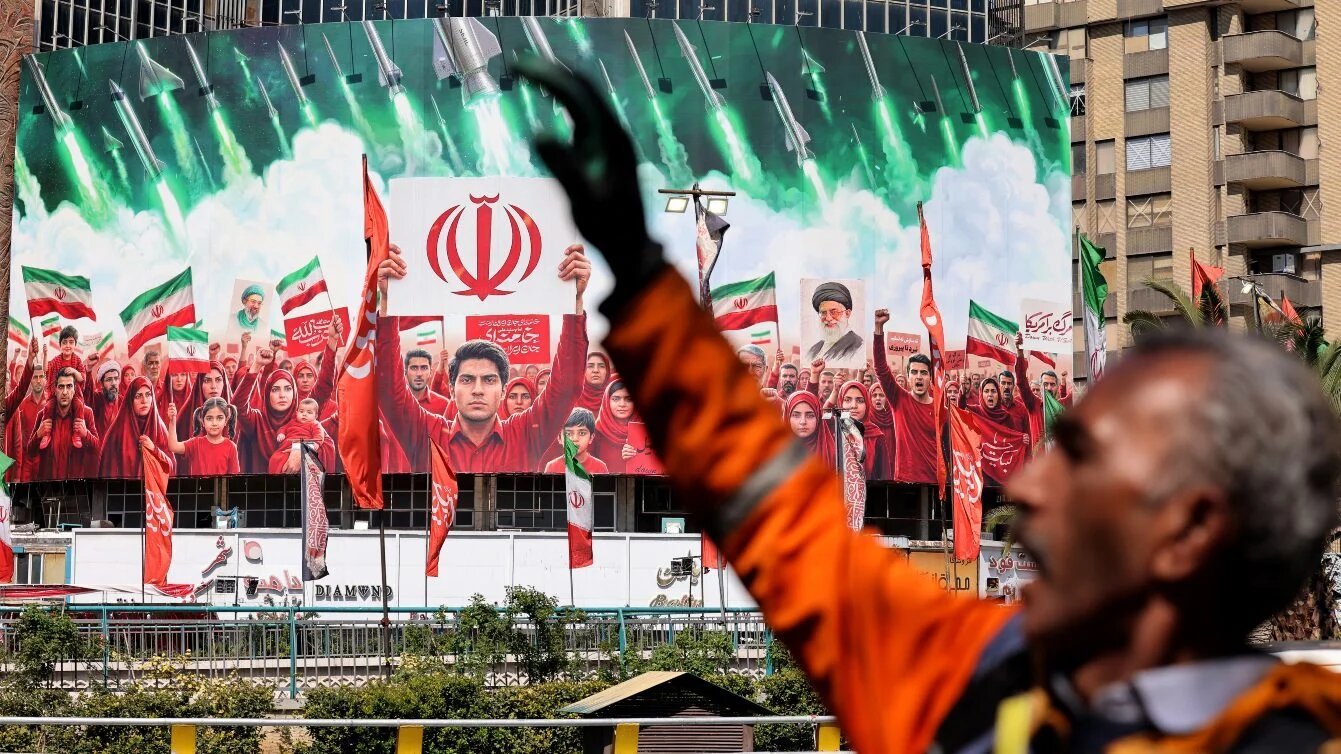
Unraveling Regional Instability Beyond Iran Won the War
This dynamic would accelerate the region’s efforts to find alternate pathways to avoid the Strait—a time-consuming and costly undertaking, but a necessary one if the strait is not fully open. Although the war has shown the difficulty of finding alternate paths, the Gulf states will be motivated to develop new energy infrastructure that bypasses the strait. Likewise, Iran’s opposition to military vessels transiting the strait is also untenable. The United States and France both have major naval bases in the Persian Gulf that can only be reached via the strait and are essential for regional security.
STRAIT RAZOR
Iran faces a stark choice. Either it can use the Strait of Hormuz as a tool to make money or as a security guarantee. But it probably can’t do both. The strait’s deterrent value depends entirely on the credibility of the threat to close it. The moment Iran attempts to monetize passage or otherwise hampers the free flow of commerce through it, it weakens the strongest argument against war: the associated cost of attacking Iran. And by charging fees, Iran will provide rhetorical fodder to the sizable constituency of Iran hawks in the United States and Israel that would welcome a return to conflict and see Iran’s monetization and control of the strait as an unacceptable final outcome.
The Strait of Hormuz is not the only issue that will shape postwar Iran. As a signatory to the Nuclear Nonproliferation Treaty, Iran must adhere to its commitments and allow the International Atomic Education Agency to reestablish a presence to ensure that it is not covertly pursuing a nuclear weapon.
It must begin rebuilding relationships with the neighbors that it unfairly targeted in a war they did not want. And Iran must address the political, economic and social grievances of its people or risk the systemic unrest that has plagued the country for the past thirty years. If the regime in Tehran treats trumping the United States in negotiations as a victorious endpoint, it will be making a grave mistake—the truth is that a MOU and even a broader U.S.-Iranian deal are only its first steps on a challenging road.
Six months ago, Israel and the United States were in an enviable position. No matter how weakened it was, Iran was never going to capitulate completely to Trump’s demands, including that it entirely dismantle its nuclear program. But it might well have considered a broad deal that avoided war and provided much-needed sanctions relief in return for significant concessions on its nuclear program and regional behavior.
But instead of capitalizing on the military achievements of the 12-day war in June 2025 to create long-term strategic gains, the United States and Israel recklessly escalated—and landed in a worse position. Now, Iran is at a similar crossroads; it believes it won the recent war and will likely be tempted to press its advantage. But it could easily set itself back.
Most of the world wants the Strait of Hormuz reopened without tolls and fees. But unfettered maritime traffic flowing through the strait is in Tehran’s interests, too. Iran needs to take a page from U.S. history and follow President Abraham Lincoln’s directive to his generals after the Confederacy’s surrender at Appomattox: “Let them up easy.
” In other words: resist the temptation to extract maximum punishment. If Iran’s overconfidence leads it to seek to punish the United States in the Strait of Hormuz, it cannot establish the sustainable terms that it needs to maximize its chances of survival. The ability to shut the strait is the most powerful security guarantee the Islamic Republic has ever possessed—more durable, more credible, and more immediately usable than a nuclear deterrent. The wisest thing Tehran can do right now is not use it.