
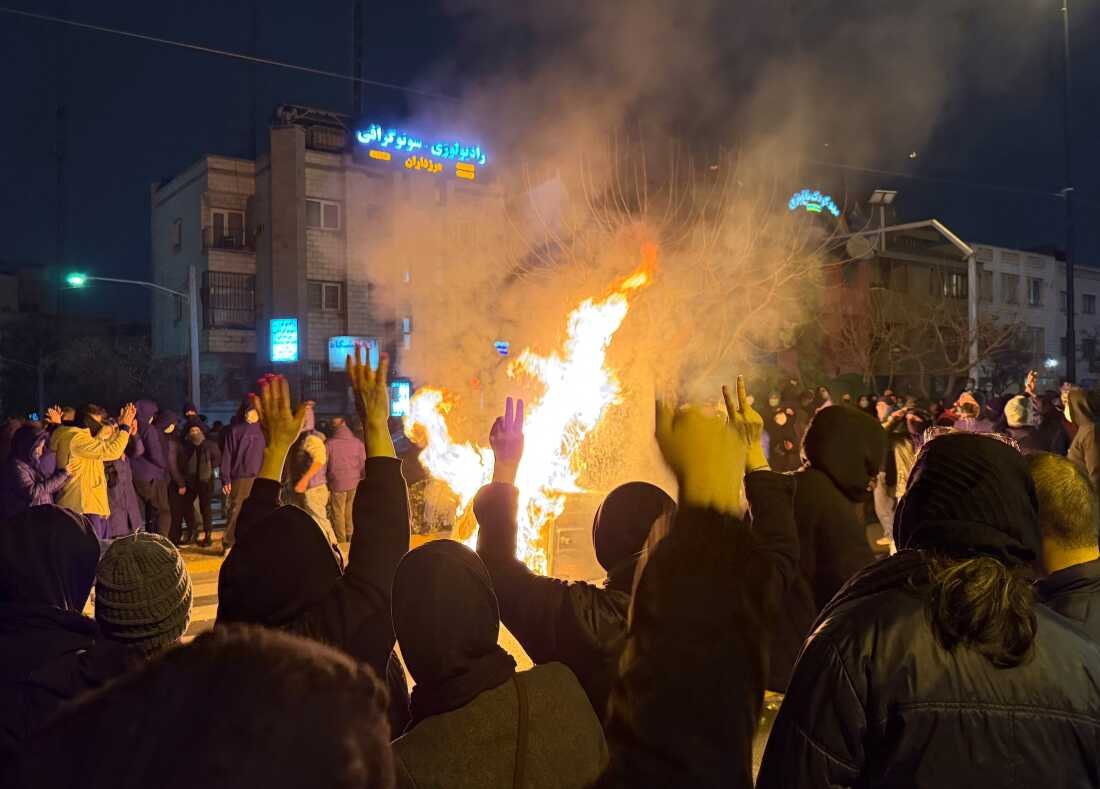
Iran faces unprecedented systemic instability as food inflation exceeds 134 percent and the rial hits record lows. Coupled with severe environmental degradation leaving 35 million citizens short of water, rolling 5-hour power blackouts are pushing public outrage past historical baselines.
White House planners must anticipate immediate domestic flashpoints inside Tehran as economic and environmental pressures push the population to a breaking point. While the naval blockade chokes the regime’s fiscal apparatus, building systemic pressure from below relies entirely on the civilian populace. If Washington wants to capitalize on this volatility, American strategy must align with popular grievances, as widespread Unrest in Iran stems directly from structural collapse rather than external military pressure alone.
Unrest in Iran Looms Large
The United States has reimposed its naval blockade against Iranian ports while striking the Islamic Republic’s military assets for a full consecutive week, all in response to Tehran’s repeated violations of the two countries Memorandum of Understanding. President Donald Trump also threatened to bomb Iran’s power plants and bridges “unless they [the regime] get to the table and negotiate.” Regime media claimed on July 17 that the United States had already struck some of this infrastructure.
Washington is right to maximize leverage by increasing domestic unrest inside Iran. But civilian infrastructure is the wrong target. Iran’s population is already confronting converging economic, electricity, and environmental crises. The greatest leverage against the regime is not a weakened Iranian society, but an empowered one that poses an existential threat to the Islamic Republic.
That means degrading the regime’s repression apparatus that kills, jails, and tortures dissidents.
Economic Misery Fuels Unrest in Iran
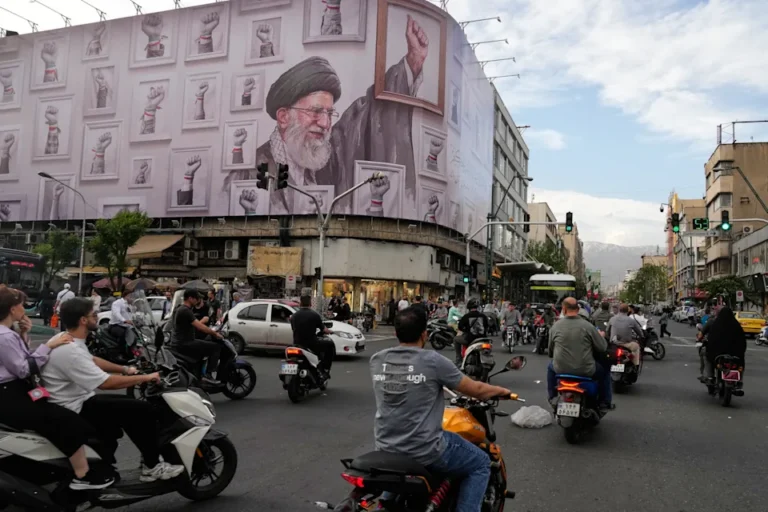
Monthly inflation averaged 7.1 percent in the first half of 2026, nearly double the 3.6 percent average during the previous nine months. By June, annual inflation had reached 62 percent, point-to-point inflation 88.6 percent, and food inflation more than 134 percent. The Iranian rial fell to a new record low on the unofficial market, with the U.S. dollar trading at roughly 1.9 million rials.
Around two-thirds of Iran’s 66 million working-age people are unemployed, leaving the rate at 37 percent compared to the global employment average of 58 percent. Net job creation fell from 298,000 to just 34,000 in one year, 800,000 people left the labor force, and the recent conflict reportedly eliminated another million jobs.
A leaked, alleged internal regime report found that over 90 percent of Iranians want political change, with 63.6 percent conveying anger towards the regime. For comparison, this exceeds the highest level ever recorded by Gallup in any country. The report also found that 81 percent of Iranians struggle to afford food.
Climate Crisis Sparks Unrest in Iran
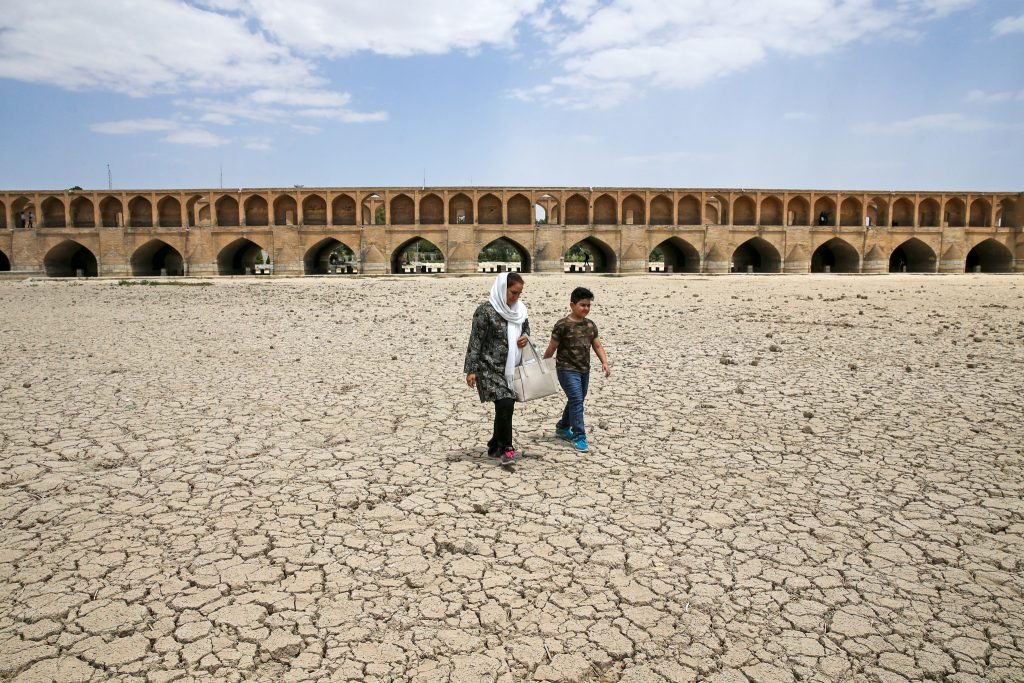
Authorities have accelerated Iran’s overlapping environmental crises through corrupt industrial projects that enrich insiders while disrupting natural water flows and depleting groundwater. The result is worsening water scarcity, land subsidence, dust storms, and climate-driven internal migration.
Iran’s renewable water resources have fallen 75 percent in recent years, compared to a global average decline of 61 percent. About 35 million people face water shortages. Rainfall is below normal in 11 provinces, with some facing “water bankruptcy.” Several cities go for days without running water.
Unrest in Iran Shakes Cities
Electricity outages, lasting up to 5 hours a day and sometimes overnight, also shut off running water because apartment buildings rely on electric pumps. They also disrupt internet access, damage appliances from voltage fluctuations, and spoil refrigerated food. Meanwhile, factories now face blackouts several days a week, further reducing output and contributing to job losses.
Even regime media acknowledges that this recurring crisis stems from decades of underinvestment in new power plants, failure to diversify electricity generation through renewables despite Iran’s vast solar potential, and poor coordination between the electricity and gas sectors. Authorities also blame the recent conflict, saying it cut available generating capacity by 4,200 MW, about 4 percent of reported installed capacity.
Security Targets Halt Unrest in Iran
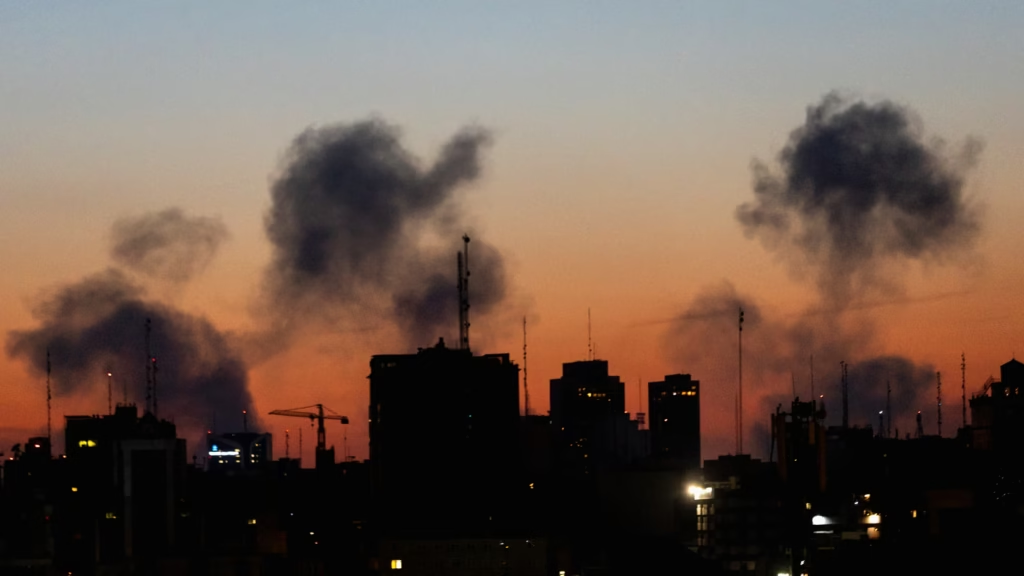
In addition to striking the regime’s military assets, Washington should learn from effective operations in the early stages of the war by targeting bases belonging to the Islamic Revolutionary Guard Corps, Basij, Law Enforcement Command, and Revolutionary Courts that imprison and sentence dissidents.
The campaign should be paired with a media effort aimed at ordinary Iranians to undermine the regime’s image of omnipotence, following Israel’s example when it published footage of hyperlocal strikes on security checkpoints across the country. The approach generated anti-regime momentum on the ground, with ordinary Iranians aiding the campaign by sharing intelligence on the locations of regime personnel through social media.