
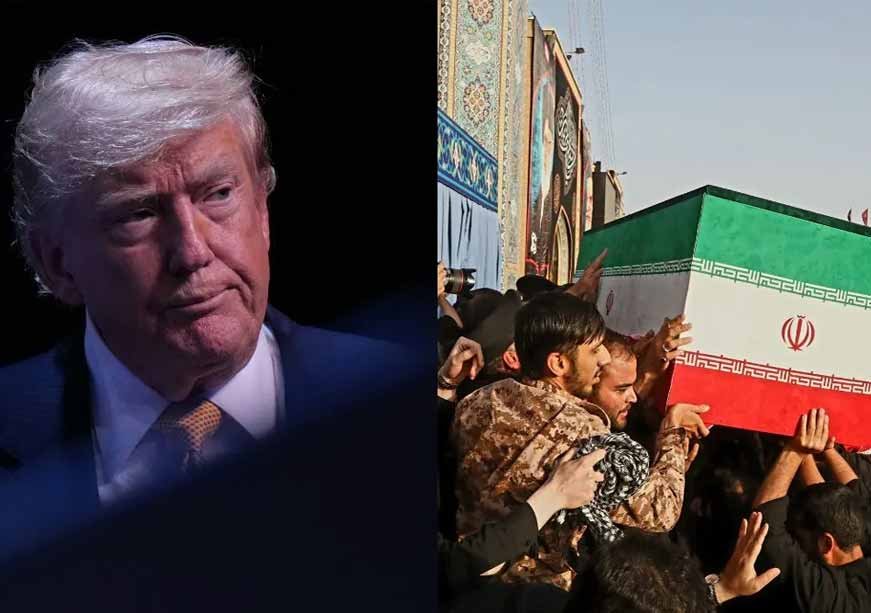
Iran resumed shipping attacks in the Strait of Hormuz following the collapse of the MoU. While US and Israeli military strikes heavily degraded Iran’s conventional infrastructure and leadership, the lack of robust nuclear and proxy verification mechanisms triggered rapid diplomatic unraveling.
The rapid collapse of the mid-June regional accord offers a textbook look at a failed ceasefire undone by structural mistrust. While Washington and Tehran sought a tactical pause after months of direct military strikes, this brief failed ceasefire ultimately proved that temporary security frameworks cannot survive without resolving core disputes over nuclear enrichment and critical shipping corridors.
Failed Ceasefire Structural Weaknesses Exposed
The US-Iran Memorandum of Understanding (MoU), concluded mid-June, represented more of a tactical pause in an intensifying regional conflict than a peace agreement. After months of unprecedented military escalation — including direct US and Israeli strikes on Iran starting in late February, the assassination of Supreme Leader Ali Khamenei, and extensive damage to Iran’s military and nuclear infrastructure — the agreement sought to stabilise an increasingly combustible security environment. Yet within weeks, the arrangement had effectively unravelled, exposing the structural weaknesses that have long plagued US-Iran engagement.
The MOU was the culmination of a prolonged deterioration in US-Iran relations centred on Iran’s advancing nuclear programme, expanding ballistic missile capabilities, and sustained support for regional proxy networks collectively referred to as the “Axis of Resistance”. Diplomatic efforts throughout 2025 failed to bridge fundamental differences over uranium enrichment, sanctions relief, and regional security. Israeli military operations launched in June 2025, followed by coordinated US-Israeli strikes in early 2026, marked a decisive shift from coercive diplomacy to direct military confrontation, particularly after the International Atomic Energy Agency’s findings about Iran’s non-compliance and growing stockpile of highly enriched uranium.
Against this backdrop, the MoU was conceived as an interim framework, seeking to halt further escalation while creating political space for more substantive negotiations. The principal provisions included the reopening of the Strait of Hormuz to commercial shipping, a temporary ceasefire accompanied by the lifting of the US naval blockade, limited sanctions relief in exchange for negotiations on Iran’s nuclear programme within a 60-day period, and confidence-building measures on regional flashpoints, including Lebanon and Hezbollah.
The MoU’s collapse was driven not by a single violation but by the absence of strategic trust and the persistence of unresolved core disputes. By early this month, both Washington and Tehran accused each other of breaching the agreement.
How Failed Ceasefire Fuelled Instability
Iran resumed coercive activity in the Strait of Hormuz, threatening and attacking commercial vessels, including a Qatari LNG tanker. These actions reflected Tehran’s attempt to reassert control over one of the world’s most critical maritime choke points while leveraging its geographic advantage to extract political and economic concessions. Iranian officials justified the moves as responses to alleged US and Israeli violations elsewhere, particularly continued Israeli operations against Hezbollah in Lebanon.
Washington has responded with strikes at Iranian missile installations, naval assets, and port infrastructure. President Donald Trump subsequently declared the agreement effectively “over”, reimposed sanctions targeting Iranian oil exports, and expressed scepticism about future negotiations, even while leaving open the possibility of renewed diplomatic engagement. At a deeper level, the agreement suffered from fundamental design flaws. Critical questions, including the future of Iran’s nuclear programme, the operational framework governing the Strait of Hormuz, the sequencing of sanctions relief, and the management of Iran’s regional proxies, remained deliberately ambiguous.
The MoU didn’t resolve strategic disagreements, but merely postponed them. Hardline constituencies in both countries viewed compromise as politically unacceptable, while Israel openly questioned provisions relating to Lebanon and Hezbollah. Unsurprisingly, both sides quickly began testing the limits of the agreement, transforming a fragile ceasefire into another episode of competitive post-war bargaining.
The collapse of the MoU underscores that the central drivers of US-Iran confrontation remain unchanged.
Foremost is the unresolved dispute over Iran’s nuclear ambitions. Tehran continues to view nuclear capability as central to deterrence and regime survival, while Washington insists that any sanctions relief must be accompanied by verifiable and enforceable restrictions on enrichment activities.
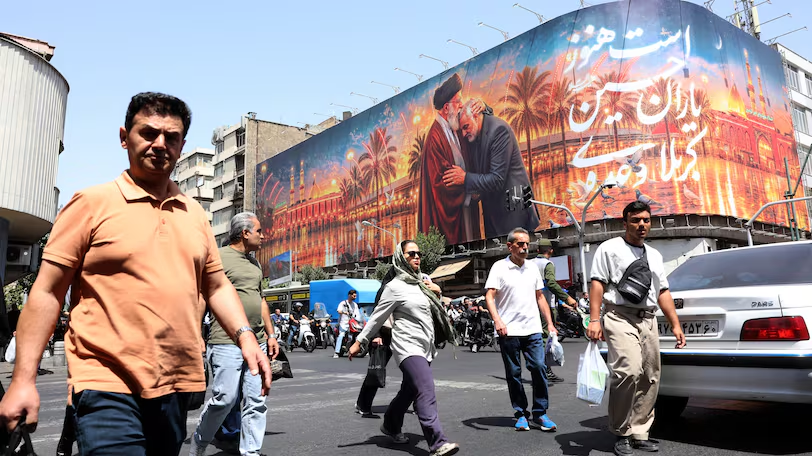
Unresolved Disputes Cause Failed Ceasefire
Equally significant is the strategic importance of the Strait of Hormuz, through which roughly one-fifth of global oil supplies transit. For Iran, control over Hormuz remains one of the few asymmetric tools capable of imposing costs on its adversaries despite its conventional military disadvantages. For the US and its regional partners, uninterrupted freedom of navigation remains a non-negotiable strategic objective.
Regional proxy conflicts posed further complications. Continued Israeli military pressure on Hezbollah and Iran’s enduring support for allied non-state actors ensured the regional security environment remained unstable.
Domestic political dynamics also constrained diplomatic flexibility. Iranian hardliners viewed concessions as evidence of weakness following devastating military losses, while political pressures in Washington reinforced a preference for coercive measures. The agreement’s vague language only accelerated mutual accusations of non-compliance, allowing both parties to claim adherence while accusing the other of bad faith.
Much like the collapse of the Joint Comprehensive Plan of Action after the US withdrawal in 2018, this illustrates how limited confidence-building measures are unlikely to succeed without a broader political understanding capable of addressing underlying sources of rivalry.
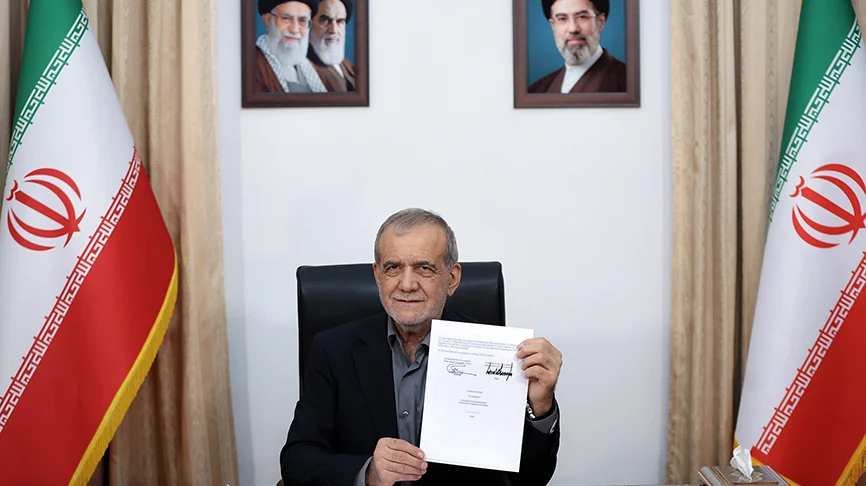
Failed Ceasefire Restricts American Strategic Leverages
For the US, the episode demonstrates both the effectiveness and the limitations of military power. While US and Israeli operations significantly degraded Iran’s military leadership and nuclear infrastructure, military coercion alone proved insufficient to generate a durable political settlement. The renewed confrontation also reinforces the reality that Washington’s long-articulated strategic pivot towards the Indo-Pacific cannot entirely diminish West Asia’s enduring importance.
Continued instability in the Gulf carries substantial financial costs, heightens risks of regional escalation, and exposes the US to asymmetric retaliation through maritime disruption and proxy warfare. Rising energy prices and renewed concerns over regional conflict could also generate domestic political pressures. For Iran, the conflict has exposed significant conventional military vulnerabilities while highlighting the continued relevance of asymmetric capabilities. Although the regime has suffered severe damage to its leadership, military assets, nuclear facilities, and broader economy, its ability to threaten maritime commerce and global energy flows continues to provide strategic leverage. Nevertheless, renewed sanctions, military pressure, and economic isolation deepen long-term structural weaknesses, even if temporary spikes in oil prices offer limited short-term relief.
Global Trade Repercussions After Failed Ceasefire
The broader international consequences are equally significant. Repeated disruptions in the Strait of Hormuz generate volatility in energy markets, disrupt shipping networks, fuel inflationary pressures, and disproportionately affect energy-importing economies across Asia. The possibility of wider regional escalation involving Hezbollah, the Houthis, and Gulf states raises the prospect of a broader West Asian conflict with substantial humanitarian consequences. The failure of another high-profile diplomatic initiative further erodes confidence in negotiated conflict resolution, making future agreements politically and strategically more difficult to sustain.
The collapse of the MoU illustrates a recurring pattern in US-Iran ties: tactical agreements cannot substitute for strategic accommodation. Temporary ceasefires may reduce immediate risks, but they remain vulnerable when fundamental disagreements over nuclear capability, regional influence, sanctions, and security architecture remain unresolved. Lasting stability will require a far more comprehensive framework supported by robust verification mechanisms, credible enforcement provisions, and sustained political commitment from all major stakeholders. Given the depth of mutual distrust and the competing strategic objectives of regional actors, however, such an outcome remains difficult to achieve in the foreseeable future.