
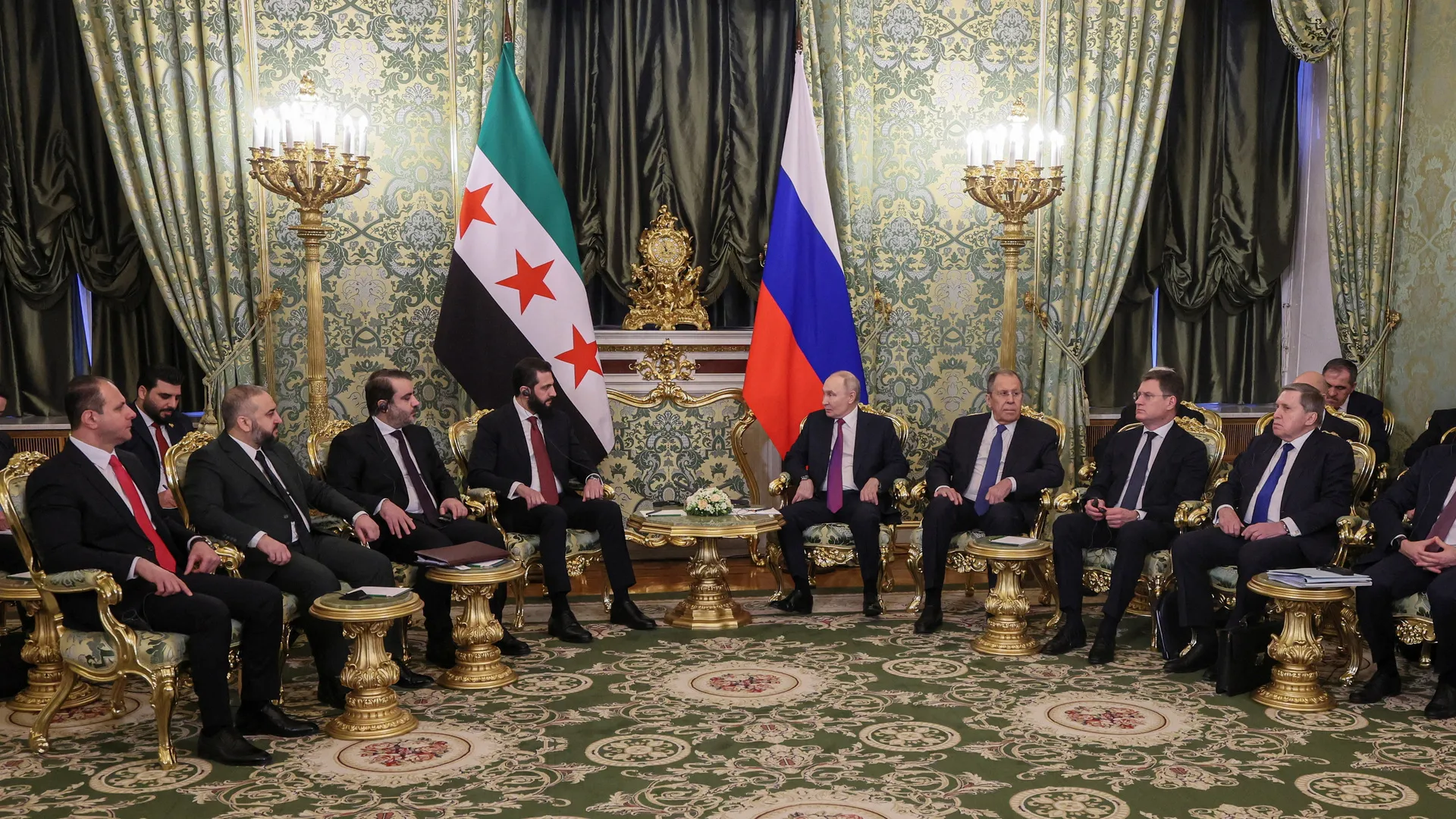
Syria agreed to drastically cut Russian oil imports under U.S. pressure, yet Moscow retains military bases at Tartus and Hmeimim, and has supplied grain stolen from Ukraine, underscoring a complex dependency.
The trajectory of Syria Russia relations now hinges on more than energy supply lines and military leases. Since the fall of the Assad regime, Moscow has exploited Damascus’s acute fuel shortages to embed itself as an indispensable provider, delivering crude and diesel aboard sanctioned tankers in a transaction that blurs the line between relief and control.
This dependence gave the Kremlin economic leverage precisely when Syria’s new leadership sought international legitimacy and relief from American sanctions. Washington’s intervention—tying Syria’s removal from the state sponsors of terrorism list to a sharp cut in Russian oil imports—has exposed the fragility of that arrangement. Yet the raw arithmetic of barrels per day fails to capture the full architecture of influence.
Russia still operates two military installations on Syrian soil, transforming Hmeimim Air Base into a training hub for Syrian forces and resupplying it via cargo vessels, while Damascus remains ambiguous about the terms of any long-term presence. The bilateral relationship has also expanded into agricultural plunder, with Russian ships offloading wheat stolen from occupied Ukrainian territories at Tartus. This multifaceted dependency—fuel, grain, and security cooperation—signals that any reconfiguration of Syria Russia relations will require dismantling not merely an oil-for-political-cover deal, but an entire ecosystem of coercion and collaboration that has outlasted the dictator who first invited it in.
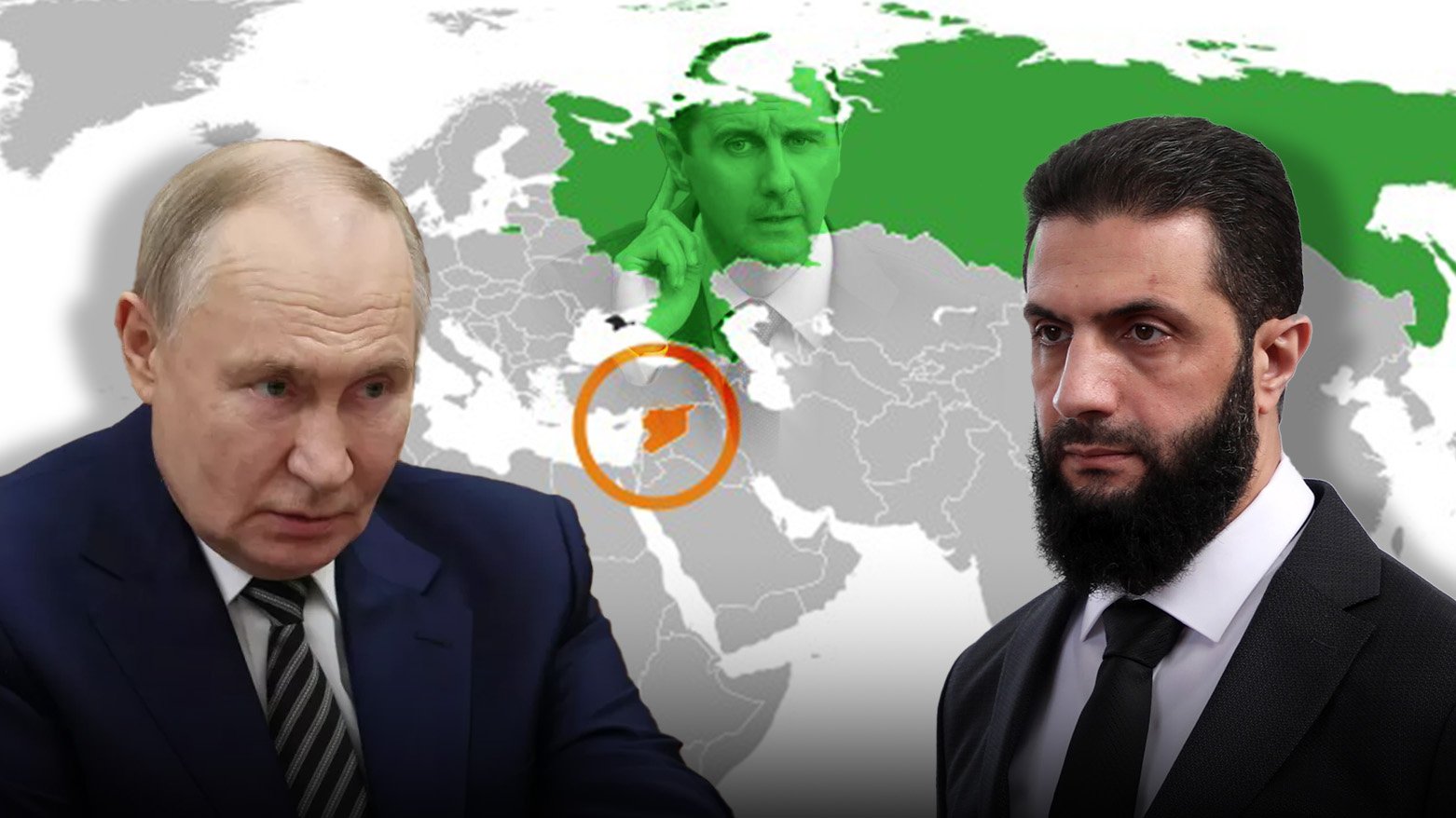
Syria Russia Relations at an Energy Crossroads
Syria’s current leaders and Russia once stood on opposite sides of the battlefield. Yet since the overthrow of former Syrian President Bashar al-Assad, Moscow’s longtime ally during the Syrian civil war, the government of President Ahmad al-Sharaa has relied heavily on Russia to meet Syria’s critical energy needs.
In May, Russian oil deliveries to Syria reportedly reached roughly 60,000 barrels a day, all transported aboard U.S.-sanctioned vessels. Now Damascus appears prepared to loosen that dependence.
Reuters reported that the Syrian government agreed to “drastically reduce imports of Russian oil” after Washington made the issue part of negotiations for removing Syria from the U.S. list of state sponsors of terrorism — the last major American sanctions regime still imposed on the country.
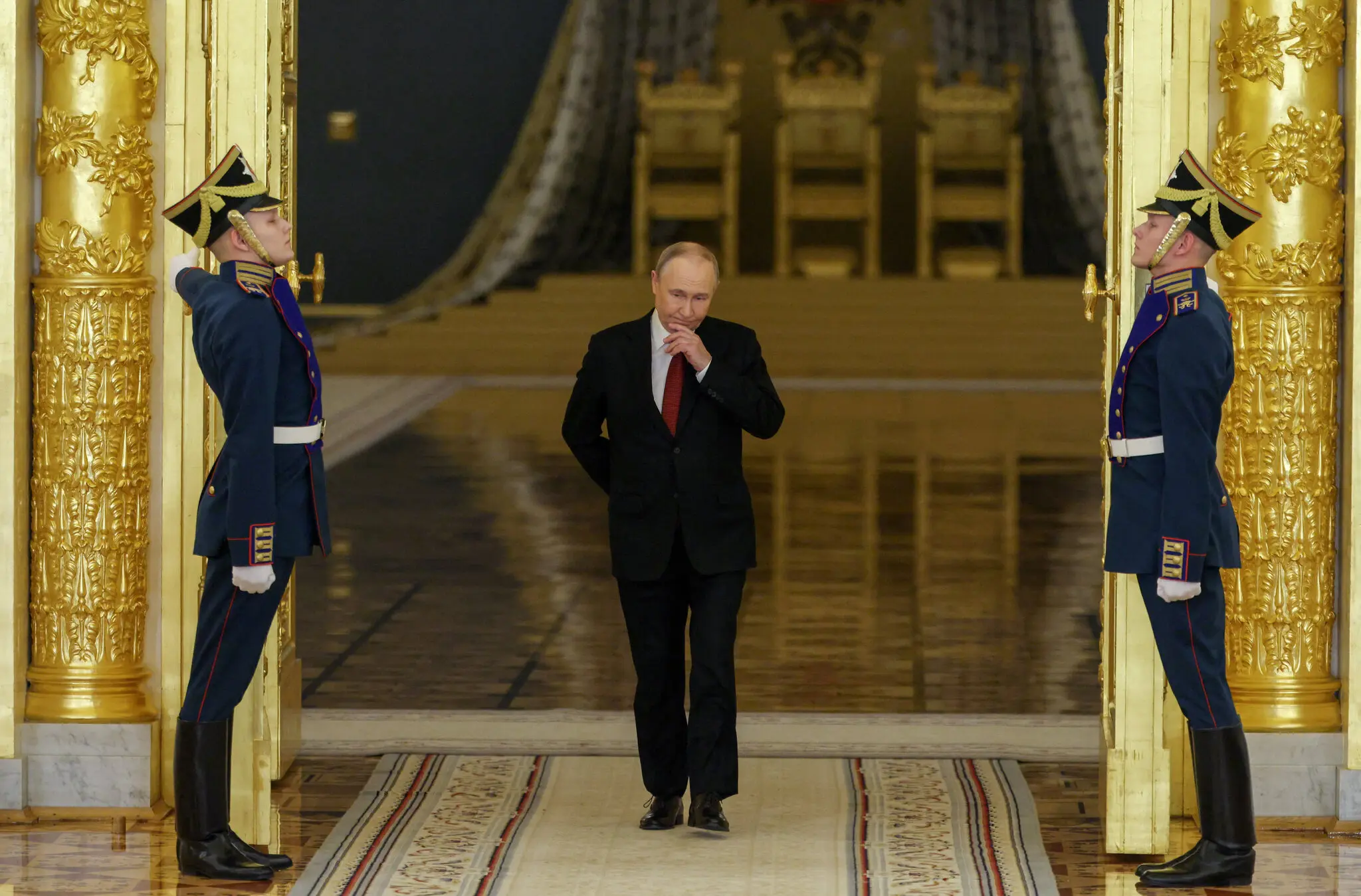
Pulling Syria From Moscow’s Grip
Pulling Syria out of Russia’s sphere of influence would be an important step in aligning it more closely with American goals, especially after the diplomatic engagement and sanctions relief that the United States has extended to Damascus over the past year. Moscow has long used Syria’s economic dependence to preserve its foothold in the country. But reducing that dependence will not, by itself, remove Russia’s influence over the country. Russia still retains access to its two principal military facilities on Syria’s coast, the naval facility at Tartus and Hmeimim Air Base in Latakia.
Moscow’s Oil Lifeline to Damascus
Domestic energy production in Syria has been limited since the fall of the Assad regime. Domestic oil production stands at around 35,000 barrels per day, while national demand has reached 150,000 barrels per day. That gap gave Moscow an opening, and Russia became Syria’s principal foreign energy supplier.
Russia has supplied Syria with approximately 16.8 million barrels of oil in 2025, covering approximately two-fifths of Syria’s estimated daily requirements and exceeding the country’s production by nearly two to one. In March 2025, Russia delivered diesel to Syria aboard the sanctioned tanker Prosperity. Days later, two additional sanctioned tankers, Aquatica and Sakina, offloaded Russian oil at Syria’s Baniyas port in Western Syria. The most recent identifiable delivery involved the Russia-flagged AKHILL, a U.S. sanctioned tanker that arrived at Baniyas on July 22.
Grain Plundered From Ukraine
Syria’s dependence on Moscow has also extended to grain stolen from Russian-occupied territories in Ukraine. In April, a Russian bulk carrier loaded 27,400 tons of wheat in Crimea before docking and unloading at Tartus.
Military Bases Become Training Hubs
While Moscow’s current military relationship with Damascus is not comparable to the extensive relationship between the Assad regime and Russia, both countries have actively worked on sustaining a Russian military presence in the country. Arab media reports have claimed that the Syrian Ministry of Defense is transforming the Hmeimim Air Base into a training facility for the Syrian army staffed by Russian advisers. The Wall Street Journal separately reported that Moscow had begun sending cargo ships from Russia to Syria to resupply the airbase, where it has retained hundreds of personnel.
Sharaa has remained deliberately ambiguous about the future of Russia’s military presence. In his latest interview with the Qatari-owned broadcaster Al Jazeera, the Syrian leader said negotiations over the bases were still ongoing but acknowledged that Damascus had agreed to preserve Russia’s “deployment at Hmeimim Air Base and part of the base in Tartus.”

Congressional Push on Syria Russia Relations
Some members of Congress, however, have expressed concern that was reflected in the House National Defense Authorization Act report language directing the Pentagon to examine options for reducing Russia’s military presence in Syria. Although Damascus is seeking to reduce its dependence on Russian oil, Washington should also press Syria to stop purchasing grain seized from Ukraine. The United States should make clear that Syrian entities purchasing from, or otherwise materially supporting, Russian actors involved in the war against Ukraine could themselves face U.S. sanctions.