
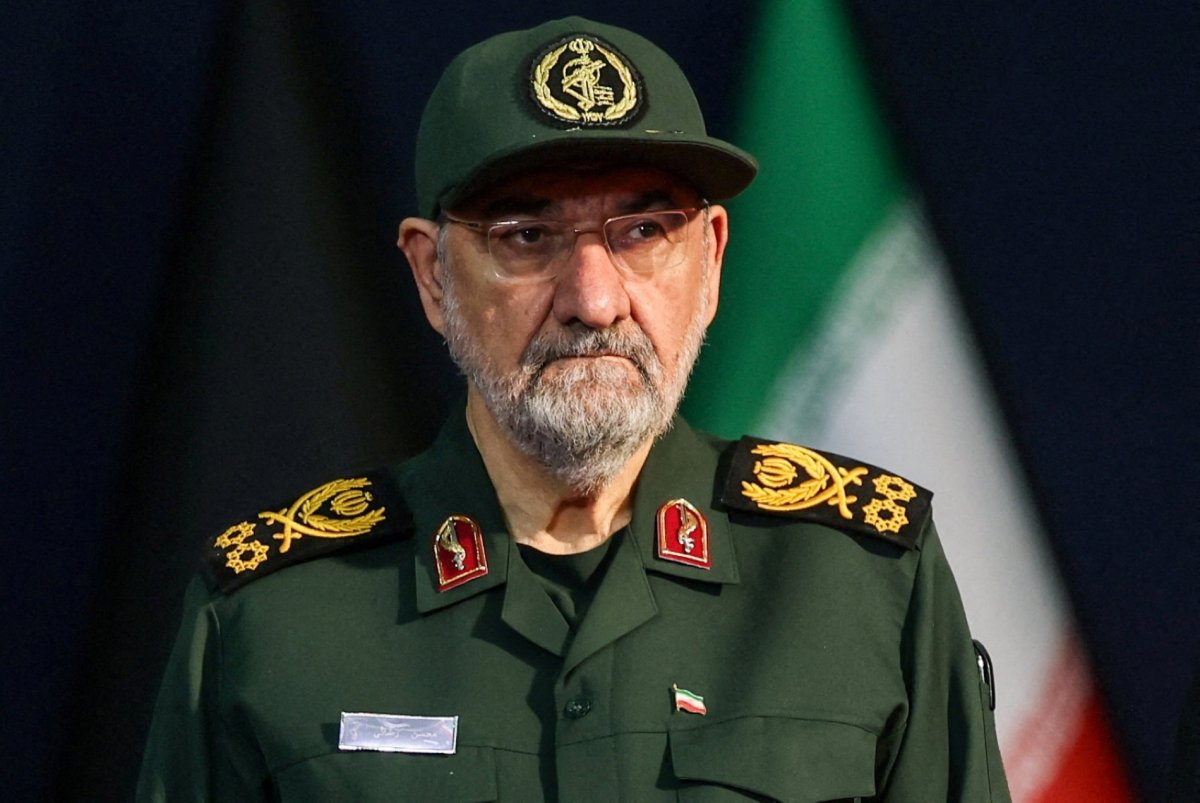
Mohsen Rezaei’s appointment as secretary of Iran’s Supreme National Security Council has led Western officials to treat him as a potential peacemaker. His career shows a transactional operator who preserves relationships across factions but resists concessions without tangible gains.
Why US-Iran Talks Misread Rezaei
After decades of political setbacks, Iran’s former Revolutionary Guards commander has returned to the centre of power. Is he an incidental beneficiary of war, or have observers underestimated him all along?
In 1981, a 27-year-old revolutionary named Mohsen Rezaei was appointed commander of Iran’s Islamic Revolutionary Guard Corps (IRGC). The appointment was hardly unanimous. With the intervention of Ayatollah Khomeini’s son Ahmad, Rezaei got the job.
Forty-five years later, another leadership crisis has returned Rezaei to the centre of Iranian power. Now 72, the former general is secretary of the Supreme National Security Council, the principal coordinating body for national security. US Vice President JD Vance has addressed him directly in a letter seeking renewed negotiations. In Washington, intelligence officials reportedly regard him as the man best positioned to deliver an Iranian agreement.
It is an extraordinary comeback for someone whose presidential ambitions never took off and whose economic prescriptions faced public ridicule. Yet Rezaei has survived political reversals, military controversies and changes of leadership that ended many other careers. His return raises a larger question about today’s Islamic Republic: does influence come from public legitimacy, or from having accumulated the right relationships over decades? In Rezaei’s case, it’s largely the latter.
From shepherd to general
Born into a Bakhtiari family in Khuzestan in 1954, Rezaei’s own memoirs recount how, as an eight-year-old shepherd, a stranger persuaded him to attend night school. The encounter became part of his preferred political narrative: a poor provincial boy who rose through education, revolutionary struggle and personal determination.
He joined the underground Islamist group Mansouroun before the 1979 revolution and helped establish the Guards’ intelligence apparatus afterwards. His early colleagues included Ali Shamkhani, another Khuzestan revolutionary who would become a major security figure.
Under Rezaei, the IRGC evolved from a loosely organised revolutionary force into a military institution with its own ground, naval and air capabilities. The Iran-Iraq War gave him extraordinary authority and an enduring network of commanders whose careers developed under his leadership. These included men who would later occupy some of the most powerful positions in the security establishment, among them Qasem Soleimani. The relationships forged during the war would prove more politically durable than Rezaei’s command itself.
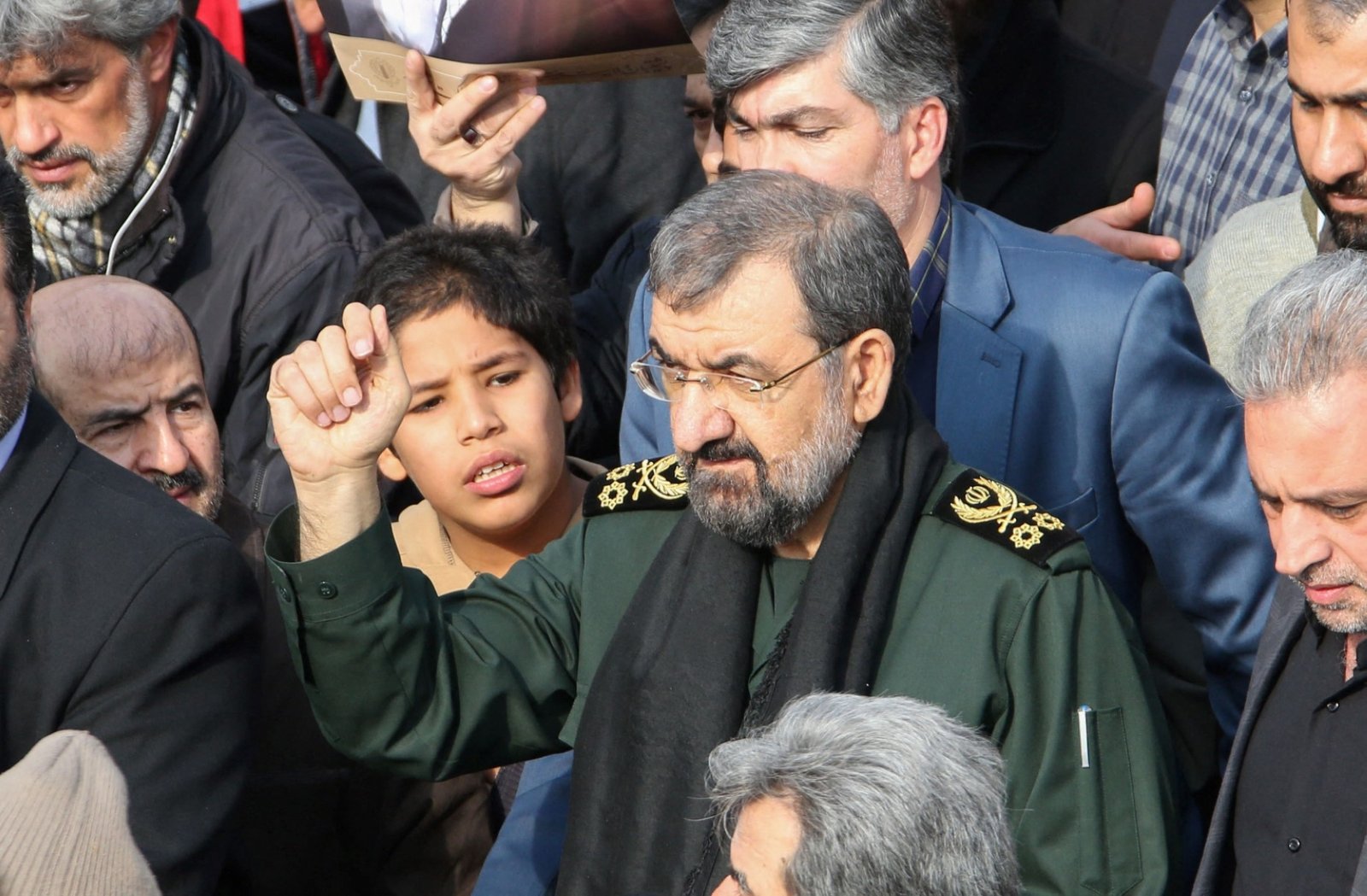
But wartime command also produced rivalries. Rezaei frequently clashed with Akbar Hashemi Rafsanjani and Hassan Rouhani over military strategy, resources and the relationship between the Guards and civilian authorities. He also competed with regular army commanders over operational control.
The disastrous Karbala-4 offensive in December 1986 remains among the most controversial episodes of his command. Decades later, his suggestion that the operation had served as a deception against Iraq provoked outrage among veterans and families of the dead. Critics accused him of retrospectively rationalising costly military decisions.
Still, his legacy was not simply one of battlefield command. His tenure helped establish the IRGC as an institution capable of projecting power beyond Iran. The early deployment to Lebanon in 1982, which contributed to the making of Hezbollah, nominally occurred under his command. He belonged to the generation that began turning revolutionary ideology into regional military influence.
Ali Khamenei replaced Rezaei with Yahya Rahim Safavi in 1997, which came shortly after reformist Mohammad Khatami’s unexpected presidential victory. He had supported Khatami’s hardline opponent, Ali Akbar Nateq-Nouri, and his removal was widely interpreted as a political setback. But his departure also exposed the depth of his support within the Guards. Thirty-four commanders signed a letter praising him, effectively protesting his removal. Among the signatories was Soleimani, whose subsequent rise would give the old wartime network even greater significance.
Khamenei, however, did not exile him from power. Instead, Rezaei became secretary of the Expediency Council, an institution involved in resolving legislative disputes and shaping long-term policy. He remained there for 24 years.
This distinction matters. Rezaei lost command of the organisation he had helped build, but retained an institutional position, access to the leadership and connections across the establishment. He also developed an increasingly ambitious interest in economic management.
Shift to economics
He returned to university studies and obtained a doctorate in economics from Tehran University in 2000. The degree itself is documented, although the circumstances surrounding his academic training became politically contentious. During a 2021 presidential debate, former central bank governor Abdolnasser Hemmati accused him of receiving preferential academic treatment, including having professors come to his office for examinations.
Rezaei presented himself as an economist capable of rescuing Iran from chronic mismanagement. His proposals included economic federalism, generous cash subsidies and ambitious promises about Iran’s currency. During the 2021 campaign, he pledged monthly payments of 450,000 tomans to 40 million citizens and suggested he could make Iran’s currency one of the region’s strongest.
Such promises attracted considerable mockery. So did his repeated attempts to become president. He withdrew shortly before the 2005 election and ran and lost in 2009, 2013 and 2021. In the last contest, the number of invalid ballots exceeded his approximately 3.4 million votes.
Nevertheless, electoral defeats did not destroy his ambitions. Ebrahim Raisi appointed him vice president for economic affairs in 2021, although his tenure ended in 2023 without the economic transformation he had promised.
The contrast was unmistakable: Rezaei struggled to persuade Iranian voters that he could govern, yet successive leaders continued finding positions for him. Perhaps it was safer to keep an ambitious former commander inside the regime’s tent than risk having him outside it.
Renewed prominence
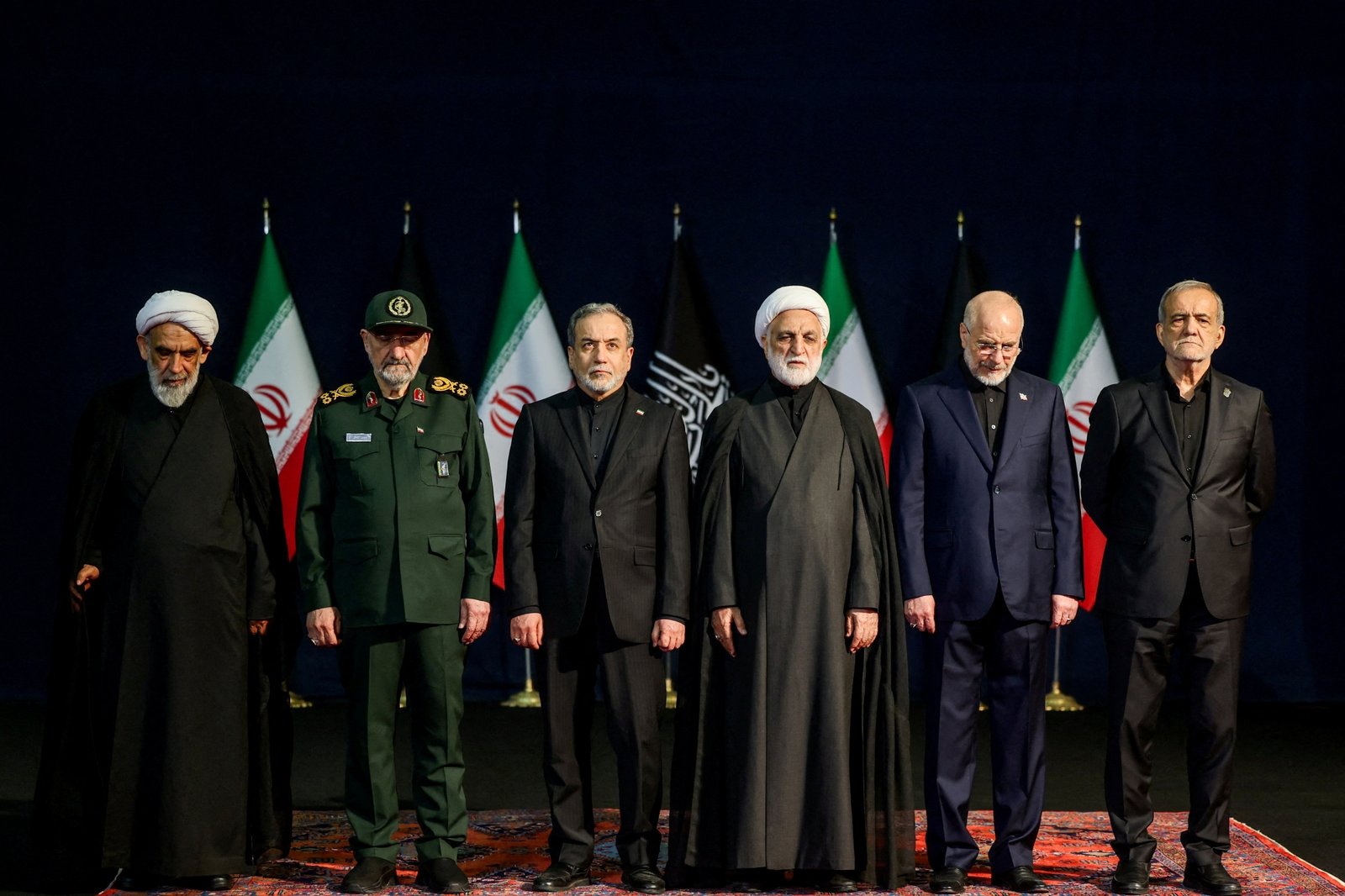
His renewed prominence cannot be understood without the destruction of much of Iran’s senior leadership during the 2026 war. Ali Khamenei, Shamkhani, Hossein Salami, Ali Larijani and numerous senior commanders were killed. The surviving political establishment suddenly faced a shortage of figures with institutional memory and experience managing national crises.
Rezaei possessed both. In March, Mojtaba Khamenei appointed him a military adviser. In August, he made Rezaei his representative on the Supreme National Security Council. President Masoud Pezeshkian subsequently appointed him council secretary in keeping with the established practice of combining the secretaryship with a representative’s seat, although the order of these appointments was unusual: Mojtaba acted first, and Pezeshkian followed.
Western reporting increasingly describes Rezaei as close to Mojtaba Khamenei. There is evidence of political trust, including these appointments and their reported recent communications. What is less clearly established is the depth of any longstanding personal relationship between them.
Rezaei’s value to Mojtaba may be more institutional than personal. The new supreme leader needs experienced figures capable of connecting the Guards, civilian government and competing factions. Rezaei’s decades inside these networks make him a potentially useful intermediary. His ability to survive the removal of his contemporaries has also made him an unusually valuable repository of relationships and institutional memory.
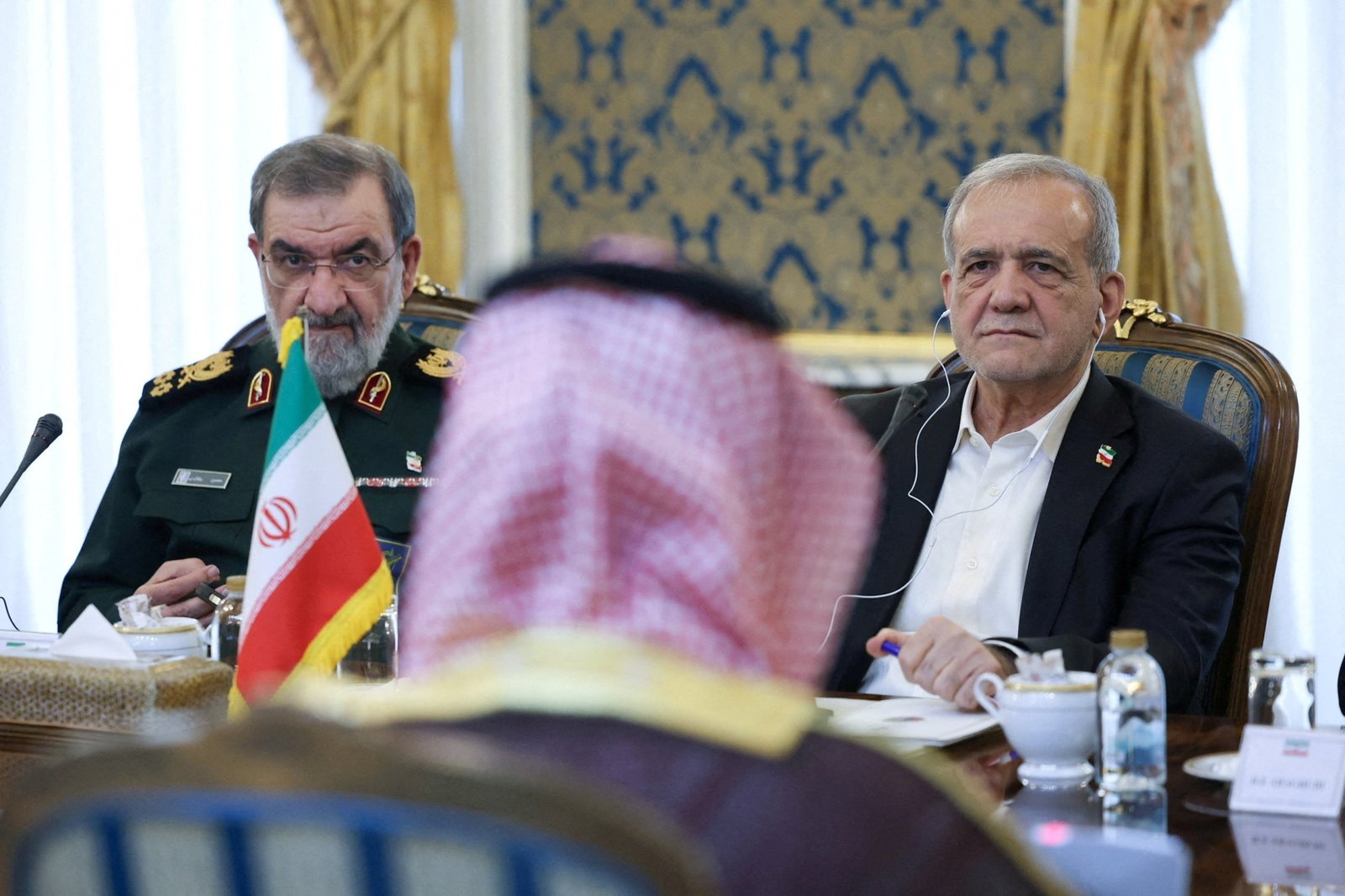
His relationship with Pezeshkian is similarly pragmatic. The president formally chairs the security council, but Rezaei controls its secretariat and holds one of the supreme leader’s two representative seats, the other belonging to hardliner Saeed Jalili. Their cooperation reflects the need for coordination in wartime rather than necessarily a shared political outlook. Rezaei can shape the council’s agenda and coordinate implementation, but he cannot independently determine national security policy. The supreme leader retains final authority.
The Speaker of the Majlis, Mohammad Bagher Ghalibaf, represents a more complicated relationship. Once a subordinate in the Guards, Ghalibaf became a competitor for political prominence. Yet Rezaei supported his presidential bid in 2024. Their rivalry is therefore neither permanent nor straightforward.
The tensions are now unmistakable. Hardline Raja News has welcomed Rezaei’s rise while fiercely attacking Ghalibaf’s handling of negotiations with Washington. Ghalibaf’s defenders accuse these critics of opposing negotiations only when he leads them.
The irony is that some of the same political voices that condemned Ghalibaf’s diplomacy as capitulation now welcome Rezaei’s involvement in negotiations. This suggests that the dispute concerns not merely whether Iran should talk to Washington, but who gets to conduct the talks and claim political credit.
These divisions reveal the political capital behind Rezaei. He may not have an uncontested faction of his own, but he has connections across several. Some supporters see him as a trusted revolutionary veteran; others find him useful precisely because his advancement can weaken their rivals.
Russia and China relations
Rezaei has long cultivated ties with China’s ruling Communist Party. In 2019, he hosted a senior delegation led by Song Tao and advocated a strategic relationship extending across economics, politics and defence. He regards China’s economic strength as evidence that international sanctions can be made ineffective through domestic production and economic resilience.
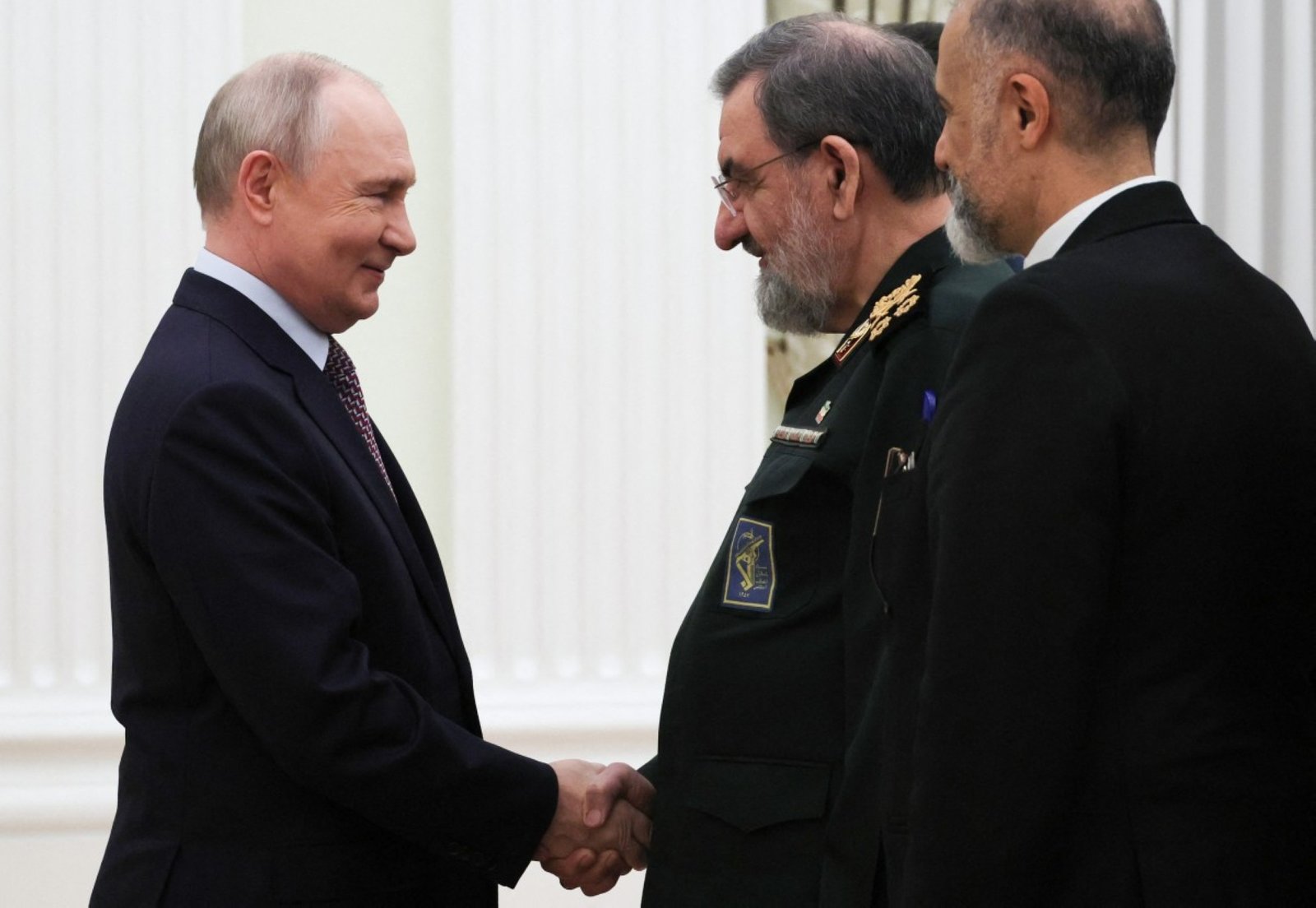
Russia is a more complicated partner. Rezaei has repeatedly rebuked Moscow over its positions on the disputed Gulf islands and the Zangezur corridor in the South Caucasus. In 2023, he warned that Iran would not return to the era of Qajar or Pahlavi dependence, insisting that friendship with Russia did not give Moscow the right to exploit Tehran. Yet on 2 November, he spoke directly by telephone with Vladimir Putin and reaffirmed strategic cooperation. It was another demonstration of his growing diplomatic stature, but also of his transactional approach to foreign partnerships.
US-Iran Talks Hinge on Concessions
A diplomatic hardliner
Rezaei’s worldview remains rooted in the Iran-Iraq War. He regards Western pressure as a permanent feature of Iran’s strategic environment and believes military strength is essential to preserving political independence.
But portraying him as a lifelong opponent of negotiations would be misleading. During the talks that produced the 2015 nuclear agreement, Rezaei publicly defended Iran’s negotiators, arguing that they enjoyed Khamenei’s oversight. His support came with reservations: any agreement had to preserve Iran’s nuclear capabilities and undergo proper institutional scrutiny. He subsequently warned that renewed American sanctions would invite Iranian retaliation.
His criticism of the June 2026 Islamabad memorandum has been sharper. Rezaei argues that the agreement contained dangerous ambiguities concerning the Strait of Hormuz and the release of Iranian funds. He objects particularly to arrangements that would give Washington immediate benefits while leaving Iran dependent on promises of future relief.
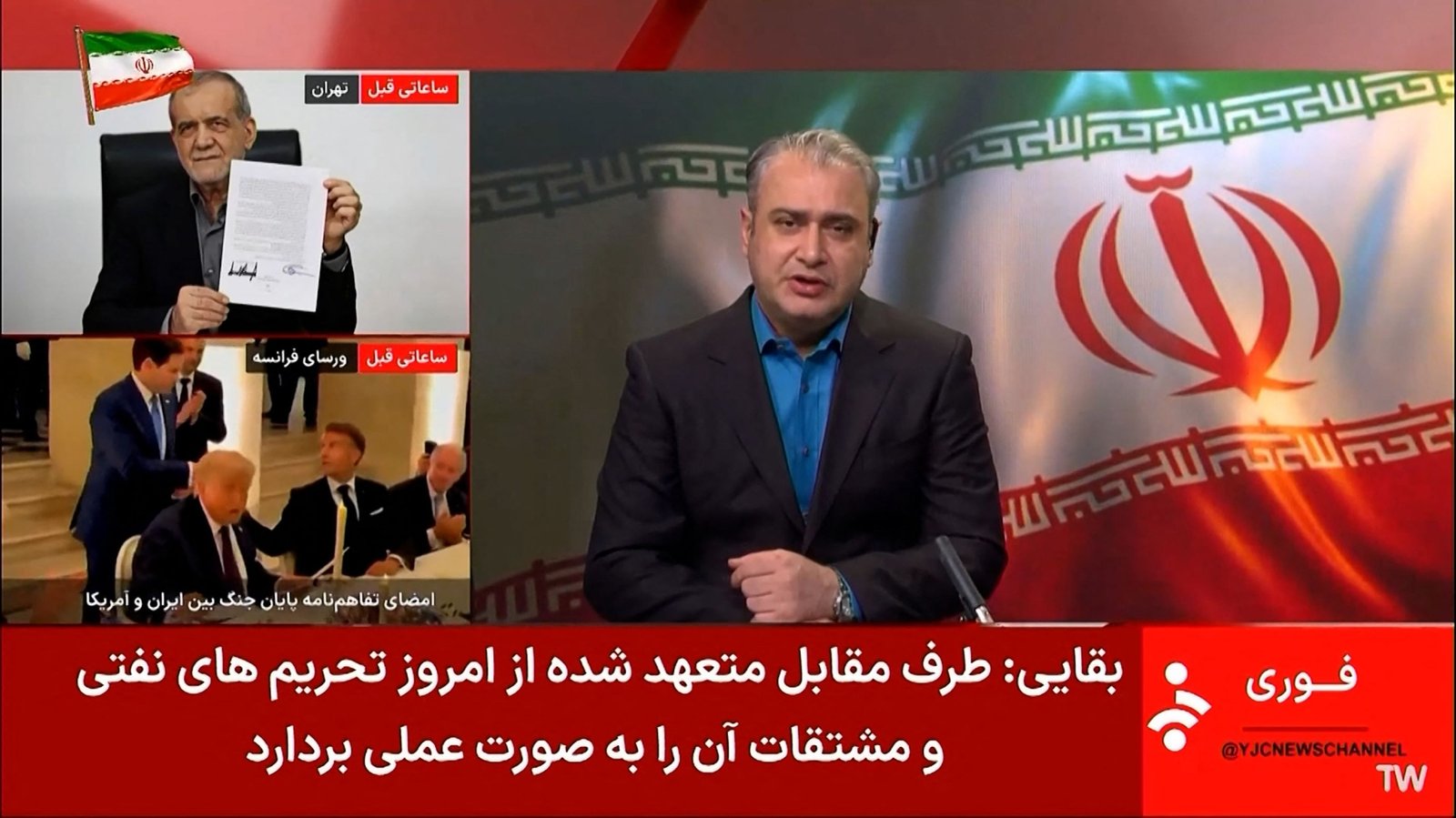
His seven conditions for renewed diplomacy are intended to eliminate those ambiguities. This is an argument for negotiating from greater leverage, rather than necessarily an argument against negotiations themselves.
His regional thinking follows the same logic. He supported Iran’s intervention in Syria, arguing that losing Damascus would endanger strategic investments extending toward the Mediterranean. He has long defended forward defence, asymmetric warfare and the importance of denying adversaries uncontested regional superiority.
Yet his thinking is not limited to confrontation. Following the 2026 war, Rezaei has increasingly emphasised a regional security order managed by Middle Eastern states rather than external powers. He sees diminishing American influence as a strategic opportunity, but his enthusiasm for cooperation with China and Russia should not be mistaken for unconditional loyalty.
His recent meetings with senior Saudi, Turkish and Pakistani officials suggest an effort to translate Iran’s wartime leverage into a new diplomatic role. He argues that Iran must participate in any new regional security arrangement and that the Arab states cannot rely indefinitely on American protection. Whether these governments share his assessment is another matter.
He wants negotiations, if they happen, to proceed from what Tehran considers a position of strength. His insistence on sanctions relief, an end to the American blockade and guarantees against further attacks reflects this approach. He has also said Iran has made no formal decision to change its nuclear doctrine.
His rhetoric can be bombastic. He recently threatened that Iran would break America’s horns if war resumed. Europe has not escaped his anger. In late October, he accused European governments of applauding Israeli military operations while complaining about the enormous economic consequences of the war. His message was that Europe’s support for the conflict now came with a price it would have to pay. But reducing him to such remarks misses his underlying strategic calculation: that Washington must accept the costs of confronting Iran before it can be persuaded to negotiate seriously.
Western interest
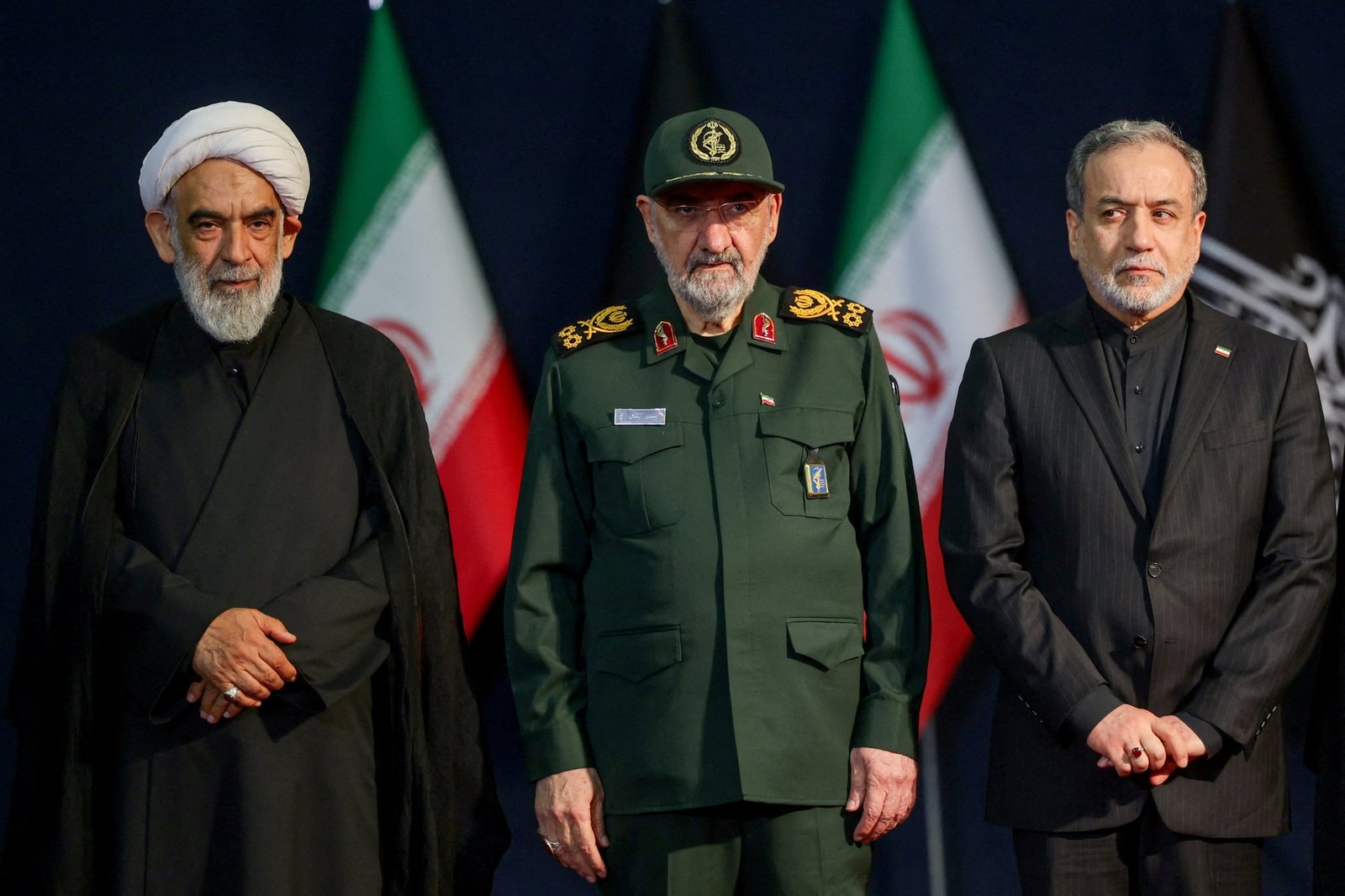
The sudden Western interest in Rezaei is revealing. David Ignatius reported in the Washington Post that American officials view him as the essential Iranian contact capable of producing agreement across Tehran’s competing institutions.
They may be right about his access, but access is not the same as authority to compromise. Receiving Vance’s letter does not mean he has displaced Ghalibaf as Iran’s chief negotiator. Iranian officials have insisted that the existing negotiating structure remains intact.
Indeed, Rezaei’s response to Vance illustrates the contradictions surrounding his new reputation as a potential peacemaker. He acknowledged receiving the letter and welcomed its more respectful tone, yet insisted that Washington must first accept Iran’s conditions. According to an unconfirmed report by the Emirati outlet Erem News, he also rejected a Qatari proposal to establish direct contact between American diplomats and an Iranian delegation in Doha. If accurate, the episode suggests that his newfound prominence does not necessarily translate into greater Iranian flexibility.
There is another complication. Rezaei remains subject to an Interpol Red Notice connected to the 1994 bombing of the AMIA Jewish community centre in Buenos Aires. He and the Iranian government reject the accusations. His international reputation is therefore inseparable from controversies that Washington cannot simply overlook.
The more important question is whether Rezaei can reconcile Iran’s competing demands for security, economic recovery and revolutionary credibility. His rise is partly the consequence of a leadership vacuum created by war. But it is also the result of a political career spent preserving relationships and remaining useful to successive supreme leaders.
The man who repeatedly failed to become Iran’s elected president has gained influence through an institution where elections barely matter. Rezaei may never have been the brilliant politician he believed himself to be. Yet he understood something essential about the Islamic Republic: presidents come and go, political fashions change, but revolutionary credentials and institutional relationships retain their value.
For Washington, the danger is mistaking his prominence for a willingness to deliver concessions. For Tehran, the test is whether a survivor of yesterday’s wars can help prevent the next one.