
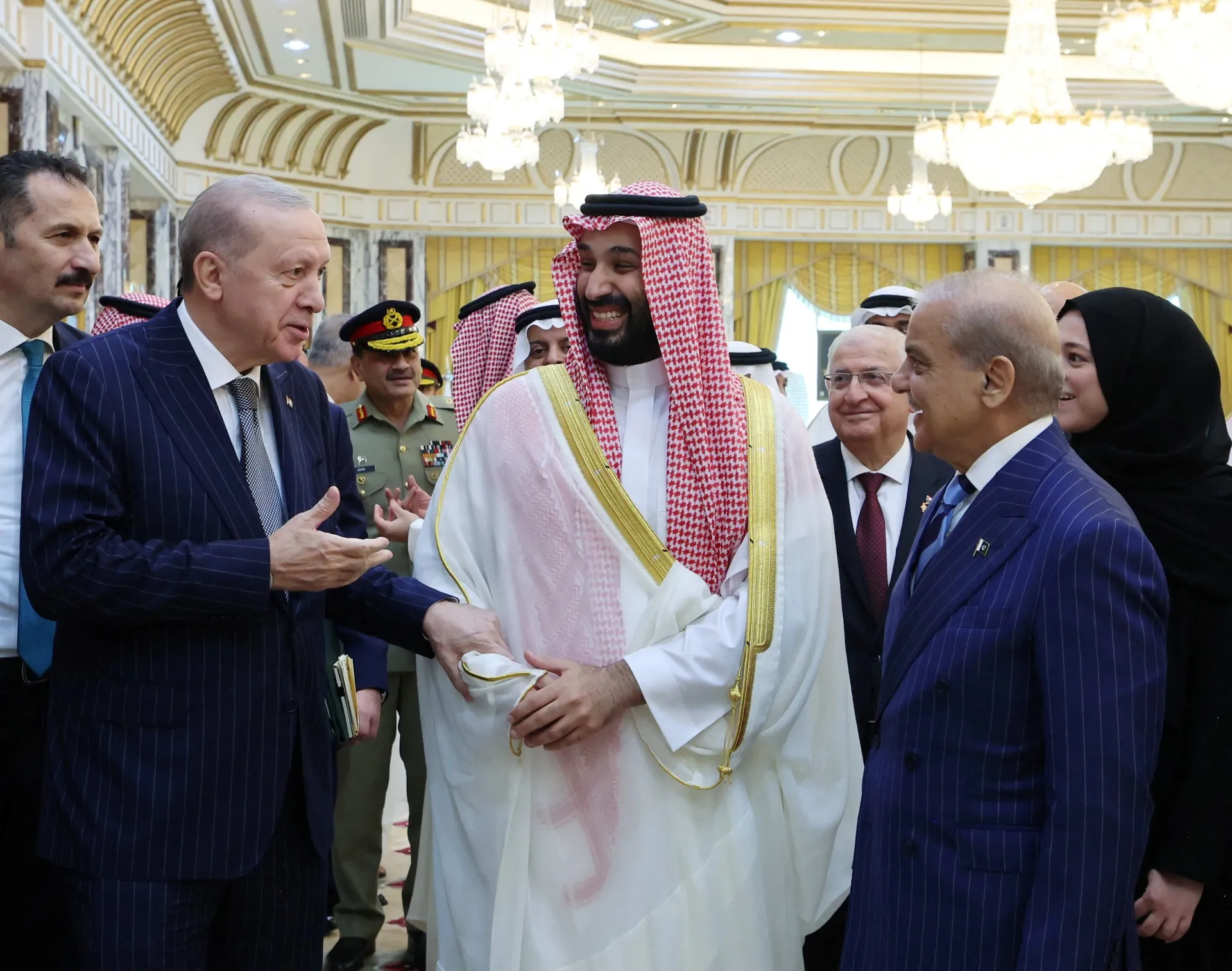
The article examines why arms purchases and investment flows do not guarantee strategic loyalty, using Turkey and Pakistan’s refusal to subordinate national interests to Gulf expectations as case studies, and argues for indigenous Gulf defense integration.
The transactional character of Gulf alliances reveals a persistent misconception: that capital and arms purchases secure loyalty from states with divergent calculations. Across the Middle East, relationships warm with investment and cool when missiles fly, exposing the gap between commercial partnership and security commitment.
Turkey and Pakistan exemplify this pattern, eagerly pursuing defense contracts and financial support without subordinating their national calculus to Gulf expectations. Ankara balances arms sales with a pragmatic Iran relationship; Islamabad’s refusal to join the Yemen war showed that fraternal rhetoric does not override strategic imperatives. This forces a reassessment of what Gulf alliances deliver.
Buying advanced weaponry and hosting exercises create a veneer of strategic depth without political will to act in a crisis. Security remains fragile, contingent on suppliers’ shifting priorities with no obligation to sacrifice their interests. The Gulf’s lucrative defense market has not produced a credible deterrent. True security demands integrated regional capabilities—missile defense, intelligence fusion, indigenous production—keeping survival in Gulf hands. Until that shift, Gulf alliances remain exercises in hope, not instruments of power.
Gulf alliances mask a hard truth
The Middle East has a peculiar kind of alliance: relationships that warm as investment rises, become fraternal when contracts are signed, then rediscover the virtues of neutrality and restraint when missiles start falling.
Turkey and Pakistan offer useful lessons for the Gulf. Both are important partners. Neither is an enemy. But neither should be mistaken for a security guarantee. Their policies are driven, as serious foreign policies usually are, by national interest.
When the Gulf grows anxious, the calculators come out.
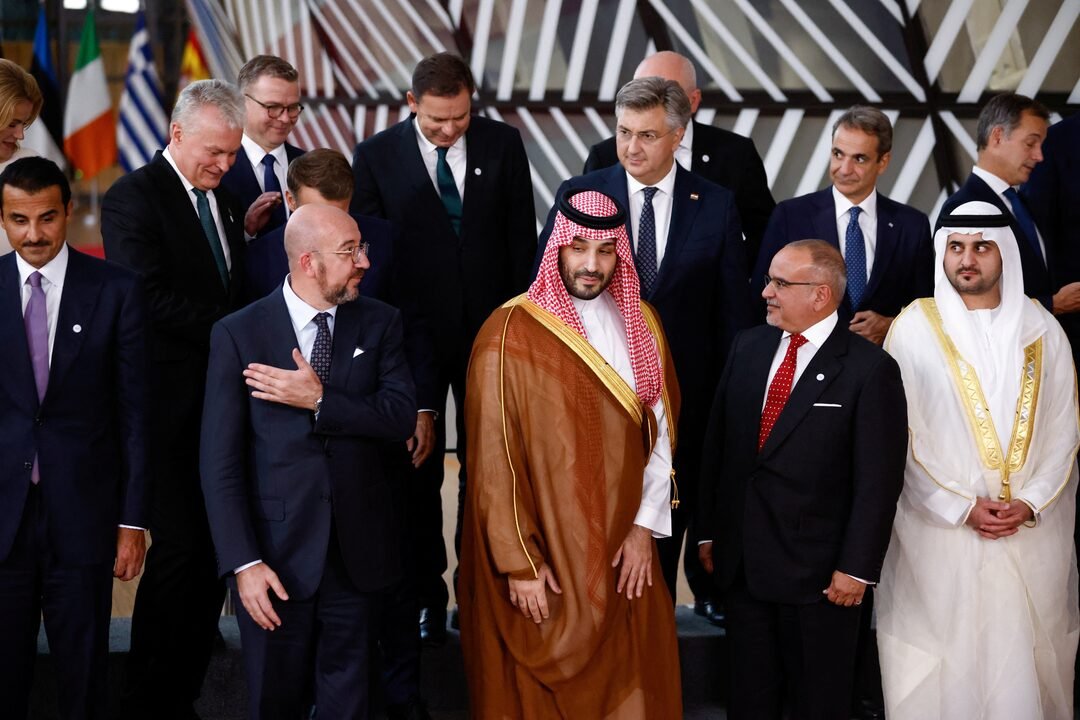
Turkey’s balancing act offers no guarantees
Turkey wants to sell weapons, drones and technology, attract Gulf capital and expand the reach of its companies. At the same time, it wants a stable working relationship with Iran. There is nothing unusual about that.
What is unusual is the assumption that buying Turkish weapons somehow aligns Turkish strategic interests with those of the Gulf.
Ankara has never promised to sacrifice its interests for the Gulf. The emotional clause is one we sometimes add to a commercial agreement after the fact.
Turkey competes with Iran in Syria, Iraq and the Caucasus, while trading with Tehran, coordinating on security and energy, and keeping political channels open. It then sells weapons to Gulf states.
From Ankara’s perspective, there is no contradiction. The contradiction arises only when the buyer assumes the seller has become an ally.
Pakistan chose neutrality over brotherhood
Pakistan presents a similar, if more sensitive, case. It is a nuclear power with a large professional military and deep historical ties to the Gulf. But it also knows where its obligations end.
The Yemen war offered a clear example. In 2015, when Pakistan was asked to join the Saudi-led military campaign, appeals to historic brotherhood were not enough. Pakistan’s parliament chose neutrality.
That was not betrayal. It was national interest.
And that is the point.
If Islamabad was unwilling to subordinate its regional calculations and its relationship with Iran to the wishes of a major Gulf partner when military participation was required, there is little reason to assume it would behave differently in a future crisis.
Iran borders Pakistan.
Iran borders Turkey.
Geography matters more than rhetoric.
Once the ceremonial visits end, interests return to the negotiating table.
Why defense contracts never equal loyalty
A Gulf Crisis Is Also a Market
The Gulf has become one of the world’s most lucrative defense markets. The greater the fear of Iran, the greater the commercial opportunity.
American companies want to sell.
European companies want to sell.
Turkish companies want to sell.
Pakistan wants a share.
There is nothing improper about this. Defense is a business, and an enormous one. The mistake is to confuse a supplier with an ally.
A country that sells you fighter jets is not necessarily prepared to send its pilots into combat. A company that sells you missiles has no obligation to fire them on your behalf.
Money can buy capability.
It cannot buy political will.
Still less can it buy blood.
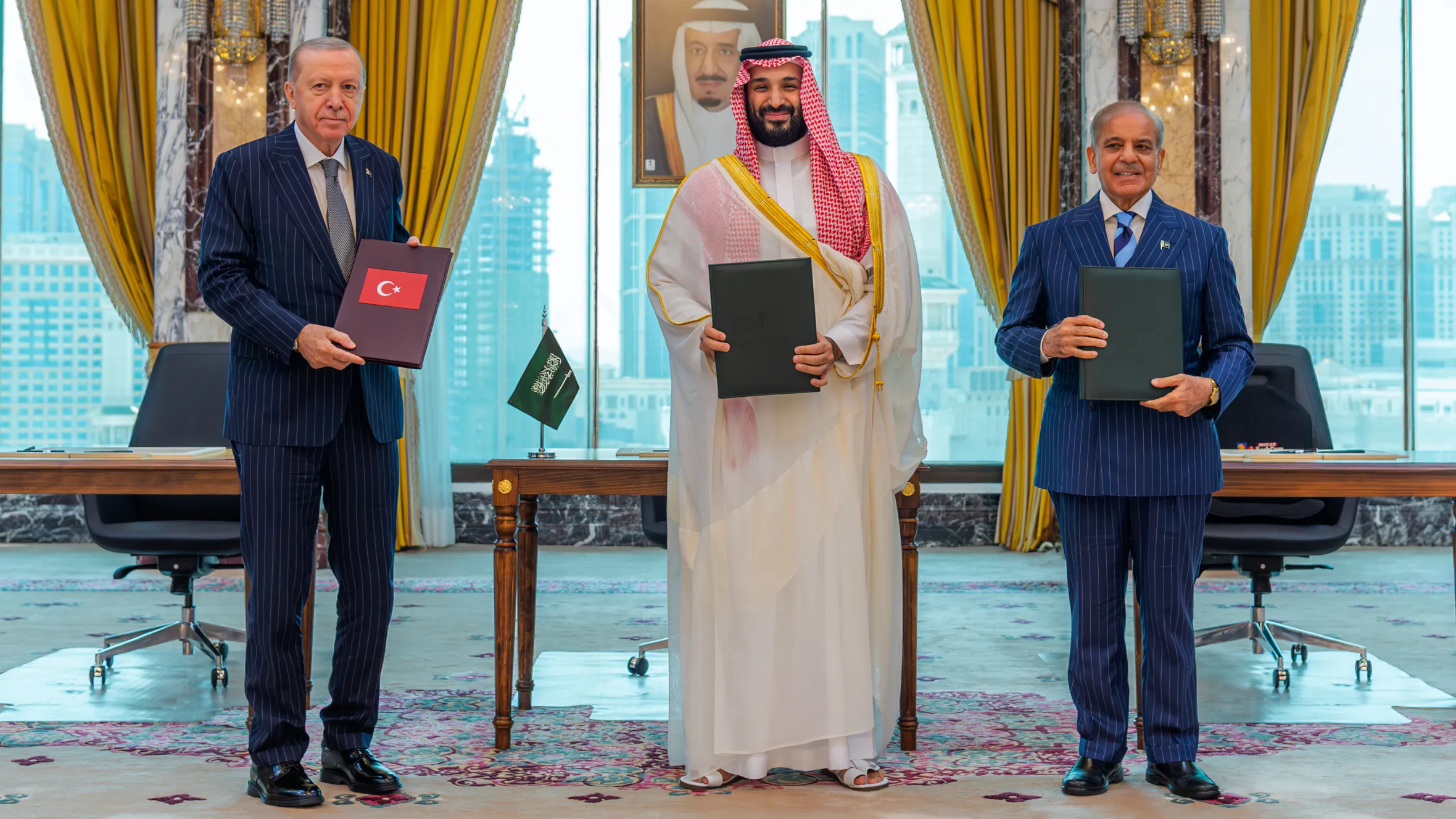
Every state puts its own interests first
Turkey’s Permanent Interest
Turkey is among the region’s most effective practitioners of strategic balancing.
It belongs to NATO and talks to Russia.
It competes with Iran and trades with it.
It clashes with Israel, then recalibrates when circumstances require.
It projects military, diplomatic and economic influence across Syria, Iraq, Libya, the Caucasus and the Eastern Mediterranean.
This is not inconsistency. It is pragmatism. Turkey does not need permanent friends. It needs permanent options. The Gulf is one such option: capital, trade, tourism, real estate and defense contracts.
Iran is another. Ankara cannot ignore it because of geography, trade, energy and regional security. Why, then, should Gulf states expect Turkey to sacrifice its relationship with Iran for theirs?
It will not.
Nor, from Turkey’s perspective, should it.
Pakistan Puts Pakistan First
Islamabad’s calculations are equally straightforward. Pakistan needs Gulf investment, energy, markets and financial support. The relationship is economically vital.
But national security operates on another level.
Pakistan must account for Iran, India, Afghanistan, China and its own domestic political constraints.
No amount of Gulf investment can erase those considerations or turn Pakistan’s military policy into an extension of decisions made in Riyadh, Abu Dhabi or elsewhere in the Gulf.
Nor is there any need to exaggerate the case by claiming Pakistan is somehow aligned with Israel. It does not formally recognize Israel. The stronger argument requires no embellishment.
Pakistan puts Pakistan first.
Turkey puts Turkey first.
The United States puts America first.
Every serious state does the same.
The Gulf should, too.
Gulf alliances require self-reliance first
Stop Buying Strategic Illusions
The problem is not Turkey or Pakistan. The problem is the belief that large investments automatically purchase strategic loyalty. Invest $10 billion, and the relationship becomes a “strategic alliance.” Buy combat aircraft, and it becomes a “defense partnership.” Hold joint exercises, and suddenly there is talk of a “shared destiny.” Then a real crisis arrives, and the supposed ally issues a statement urging “all sides to exercise restraint.”
By then, the Gulf may have paid for the weapons, the investment, the projects and perhaps the financial deposits as well. The alliance was not included in the price.
This does not mean the Gulf should distance itself from Turkey or Pakistan. Quite the opposite. Relations should deepen where interests overlap. Gulf states should buy competitive weapons, pursue profitable investments, and expand economic and political ties. But they should do so without romanticism.
An arms contract is a contract.
An investment is an investment.
An alliance is something else.
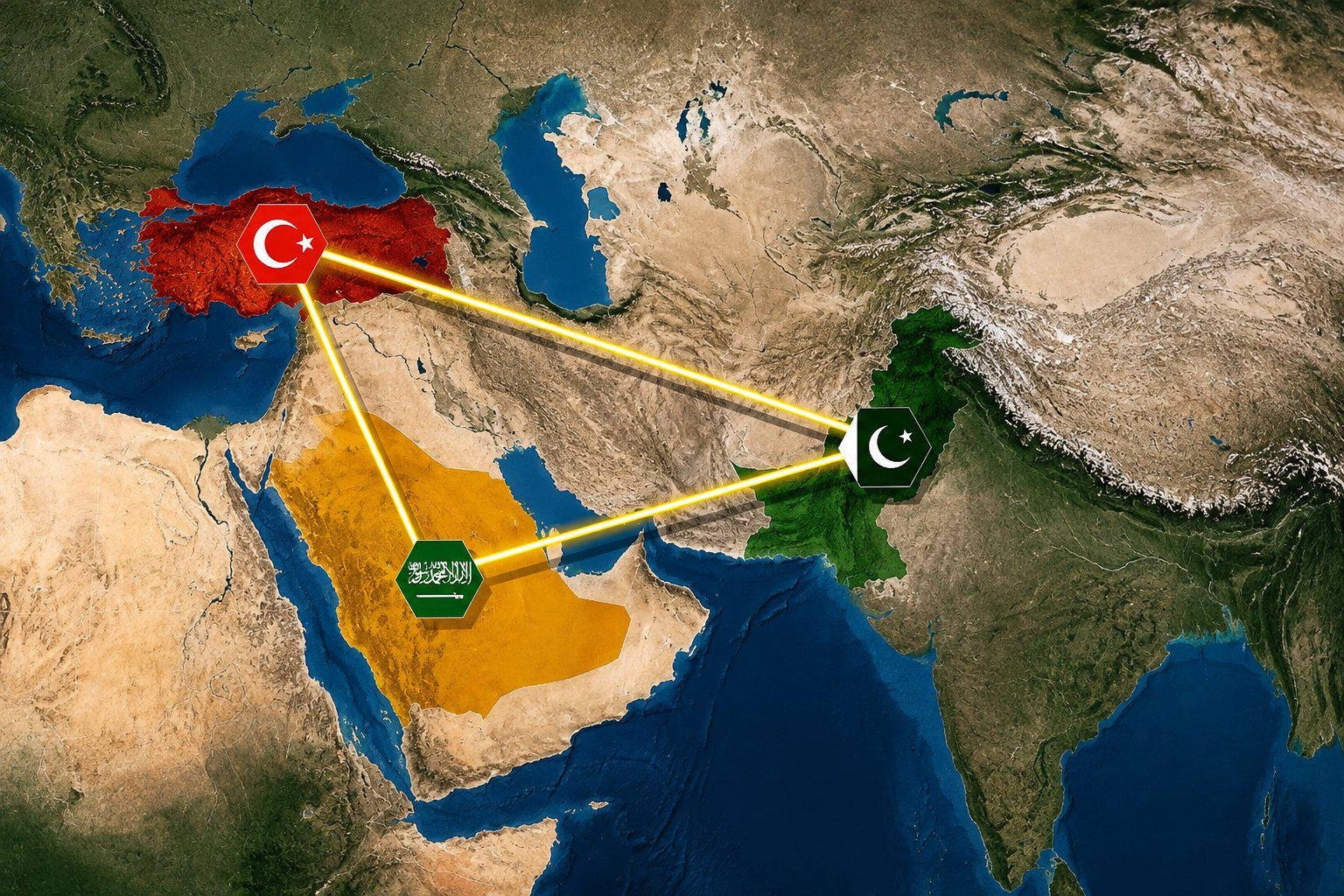
Can the Gulf stop buying strategic illusions?
The Gulf’s First Ally Must Be Itself
Real security begins when Gulf states can defend their own airspace, waters, energy infrastructure and cities without waiting for a decision in Washington, Ankara or Islamabad. That means an integrated Gulf air and missile defense system.
A unified command-and-control structure.
Deeper intelligence sharing.
Domestic production of missiles, drones, and ammunition.
Common cyber defenses.
And a credible deterrent strong enough to force Iran, or any other adversary, to calculate the cost of an attack before launching one.
Then the Gulf can work with everyone.
Turkey.
Pakistan.
The United States.
Europe.
China.
India.
It can buy from all of them, trade with all of them, and invest wherever its interests are best served. But the key to Gulf security should remain in Gulf hands.
International politics offers no permanent friendships, only permanent interests.
Turkey understands that.
Pakistan understands it.
Iran understands it.
Israel understands it.
The major powers certainly understand it.
The question for the Gulf is whether it does.
When will it stop trying to buy allies and start building the kind of power that makes others seek its alliance?