
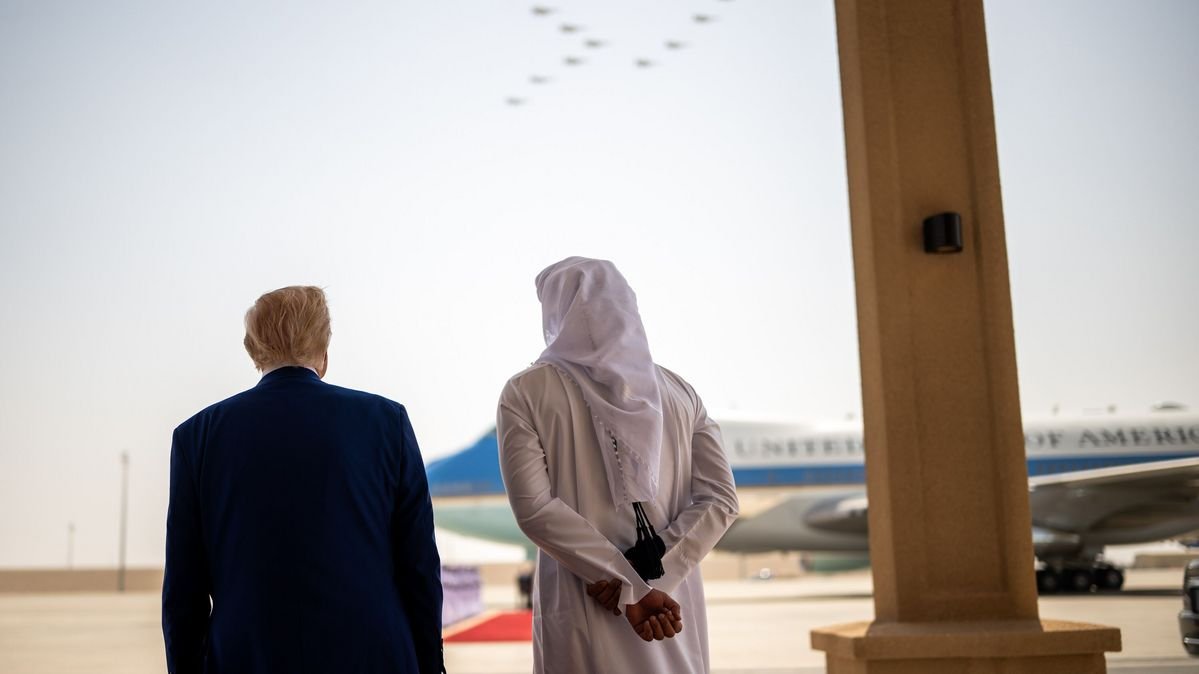
The Gulf-US Partnership survives because no credible security alternative exists. Military dependence on American technology and deep economic ties anchor Gulf monarchies to Washington despite the war’s exposure of U.S. security limits.
The Gulf-US Partnership has absorbed a severe shock but remains structurally intact despite the Iran war’s exposure of American security limits. The conflict demonstrated that Washington cannot fully shield Gulf monarchies from Iranian missile and drone attacks, nor guarantee uninterrupted energy exports through the Strait of Hormuz.
Yet the response from Riyadh, Abu Dhabi, and Doha has not been to abandon the relationship. Instead, they are doubling down on influence-building within the American political system. The reasons are rooted in hard strategic realities. No alternative power—not China, Russia, Türkiye, or Pakistan—offers credible military protection or the technical infrastructure that Gulf militaries depend upon.
The Gulf-US Partnership is also reinforced by deep economic entanglement: sovereign wealth funds hold approximately two trillion dollars in American assets, and Gulf states continue allocating nearly half of their new investment commitments to the U.S. market. These dependencies create powerful path effects that make realignment prohibitively costly. The more likely trajectory is a recalibration, not a rupture. Gulf monarchies will expand lobbying, deepen corporate alliances with American technology and financial giants, and seek leverage within Washington’s decision-making apparatus. The partnership will survive because neither side can afford its collapse.
Why the Gulf-US Partnership Endures
The Iran war has exposed the limits of US security guarantees for the Gulf monarchies. Yet rather than turning away from the United States, they are likely to seek greater influence in Washington, argues Stephan Roll.
The signing on 7 August of the so-called Mecca Pact by Saudi Arabia, Türkiye and Pakistan again raises the question of whether the Gulf monarchies might seek to reduce their security dependence on the United States. The Gulf monarchies’ experience of the Iran war makes such a realignment appear plausible. Despite their decades-long partnership with Washington, they became targets of Iranian drone and missile attacks that caused considerable damage to the region’s energy infrastructure and severely disrupted energy exports, as the Strait of Hormuz was effectively closed. The Trump administration appears to have taken little account of their security interests. Nevertheless, three factors make an end to their close ties with Washington unlikely.
No Viable Alternative Exists
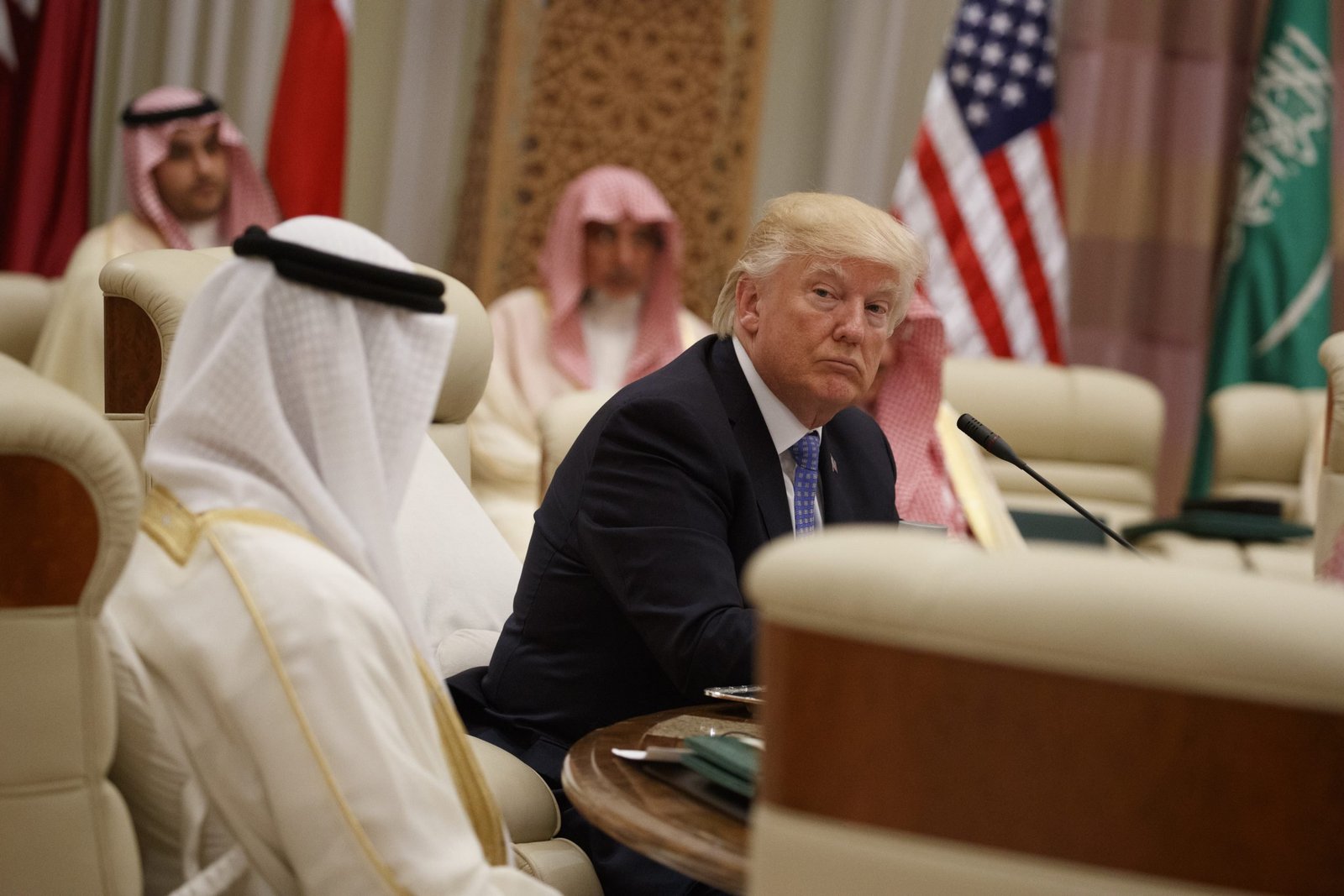
First, the Gulf monarchies have no viable alternative to the United States as a security guarantor. For all their differences in foreign and security policy, they share a common predicament: None of their other partners is willing or able to take Washington’s place. China has remained neutral during the war, Russia has maintained its close ties with Tehran, and Türkiye and Pakistan have provided no meaningful military assistance. Regional alliances such as the Mecca Pact are unlikely to alter this situation, as promises of assistance alone do not amount to reliable protection. Even the expansion of Emirati–Israeli military cooperation cannot replace the US security presence.
Military Dependence Runs Deep
Second, the Gulf monarchies’ military dependence on the United States goes far beyond the presence of US troops. US air-defence systems such as Patriot and THAAD have proved indispensable in countering Iranian attacks, while many of the Gulf states’ core military capabilities rely on US technology, spare parts, maintenance and training. These deep-rooted technical and institutional dependencies could only be reduced over decades and at considerable cost.
Economic Ties Create Path Dependence
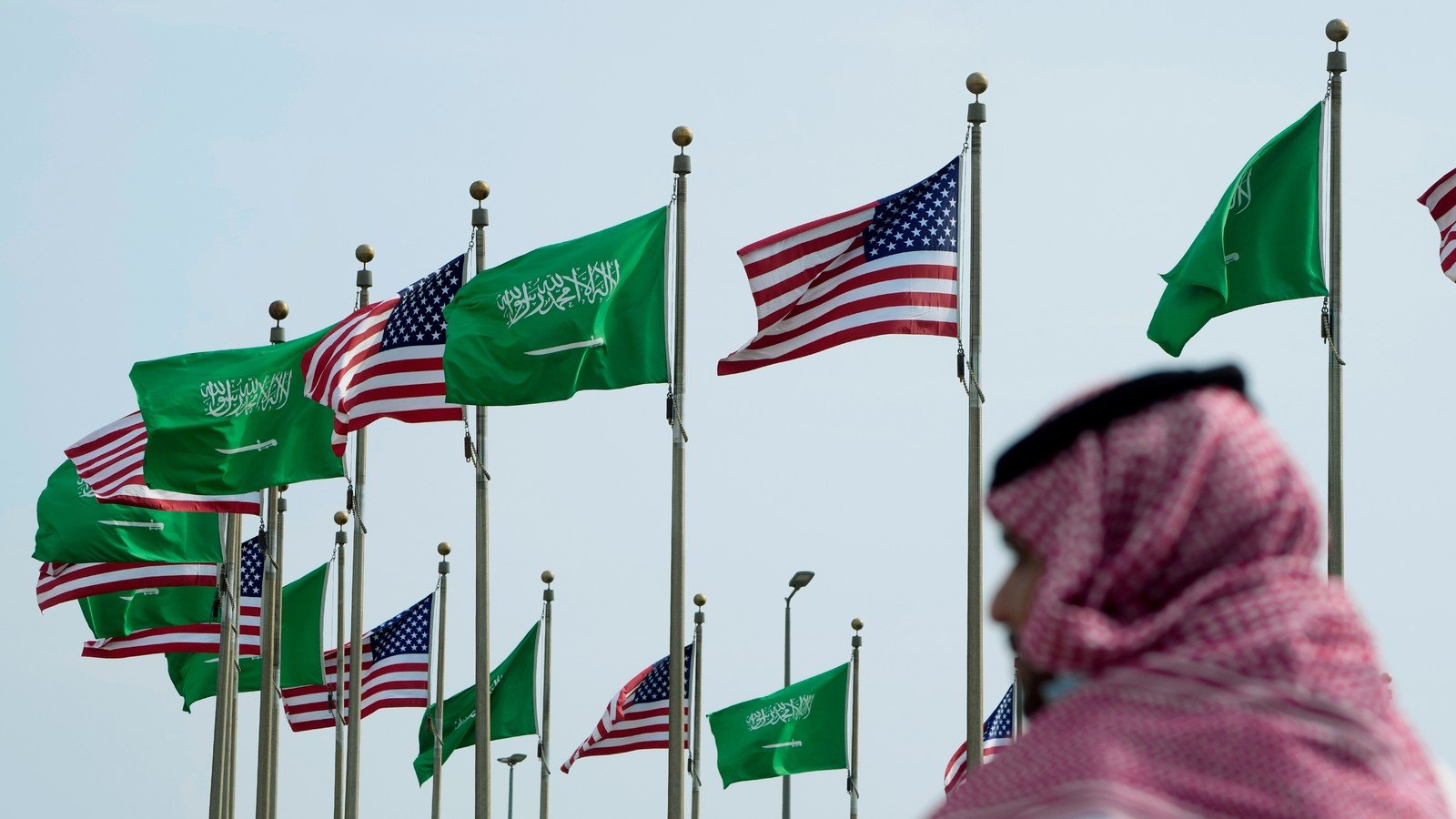
Third, close economic ties also create path dependencies. China has become the Gulf states’ largest trading partner. Yet there is no evidence of a systematic move away from the US dollar in energy exports. Their sovereign wealth funds are estimated to have invested US$2 trillion in the United States alone. These economic interests provide the Gulf monarchies with an additional incentive to preserve stable relations with Washington, making any broader strategic realignment both costly and risky.
Gulf States Seek More Influence
Against this backdrop, the war is unlikely to lead the Gulf monarchies to break with the US-led security order. Instead, they are more likely to seek greater influence within it. Saudi Arabia, the United Arab Emirates and Qatar, in particular, have cultivated close ties with policy-makers in Washington for decades and possess ample resources to expand them further.
Alongside cultivating ties with President Donald Trump – whose businesses received around US$300 million from Gulf entities in 2025 alone – the Gulf monarchies could step up their lobbying efforts and draw more extensively on their contacts in Congress and across the US political and media landscape, including contacts on both sides of the political aisle. Above all, however, they are likely to deepen their economic ties with the United States.
So far, the investment patterns of Gulf sovereign wealth funds show no sign of a fundamental shift away from the US market. In the first half of 2026, nearly half of their committed capital was allocated to deals in the United States. Partnerships with technology and financial companies such as Microsoft, Nvidia, Oracle and BlackRock offer more than commercial benefits: They also give influential US corporations an economic stake in stable relations with the Gulf states and may lend greater weight to Gulf interests in Washington.
Gulf-US Partnership Faces Real Test
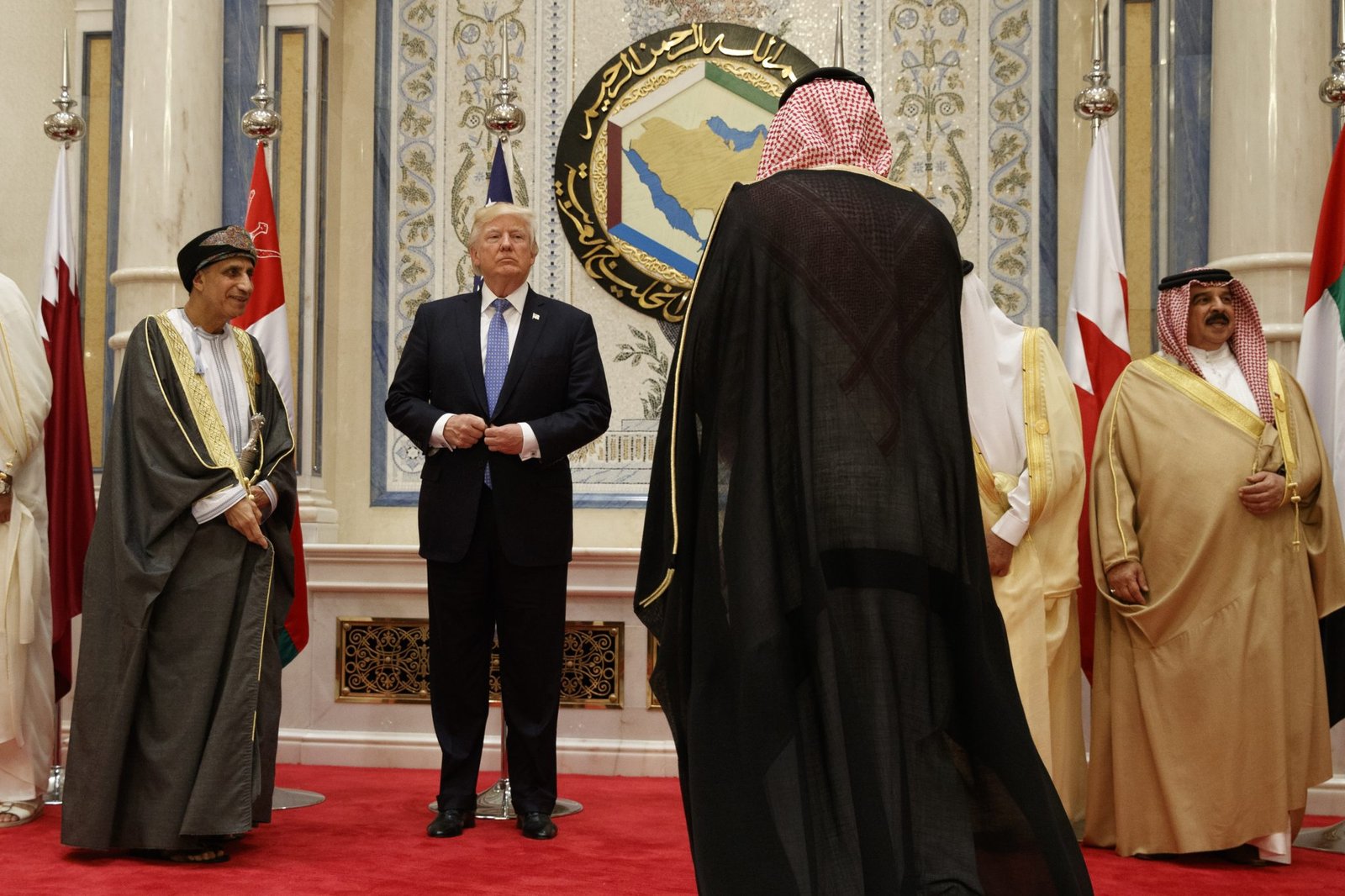
Whether the Gulf monarchies will become more effective at advancing their interests in Washington remains to be seen. Economic ties and privileged access do not guarantee that US policy will reflect their priorities. Moreover, differences among the Gulf states and regional rivalries have so far prevented them from presenting a united front in Washington.
Processes such as Congress’s review of the proposed US–Saudi nuclear agreement, reached in late July, and its subsequent implementation could provide an early indication of how effective such influence can be. Yet even if their efforts yield only limited results, the lack of viable alternatives makes a fundamental break with the United States unlikely. Germany and its European partners should therefore not mistake the Gulf monarchies’ loss of confidence in Washington for a broader strategic realignment. For the Gulf monarchies, closer cooperation with Europe will remain a complement to their partnership with the United States rather than a substitute for it.