
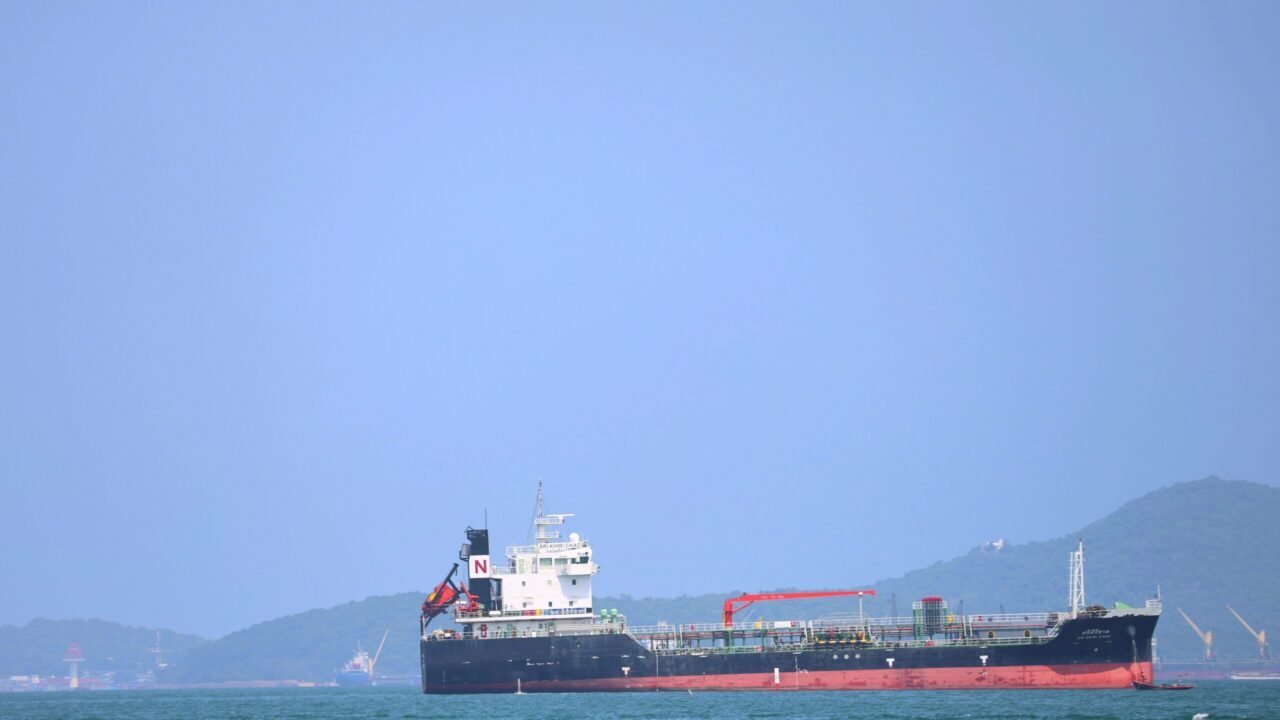
The Houthi Victory in Yemen shuts the Red Sea route and East-West Pipeline, depletes oil inventories, and exposes Trump’s broken Iran strategy. Diesel hits $6 as the Fed weighs rate hikes.
A single night of fighting along Yemen’s Red Sea coast has exposed the limits of American strategy in the Middle East. The Houthi Victory delivered a stunning collapse of Saudi-backed government forces, placed the Bab el-Mandeb Strait and Perim Island under Houthi control, and appears to have shut down the Saudi East-West Pipeline that bypassed the Strait of Hormuz. Oil markets are waking from their summer complacency.
Brent crude rose sharply, diesel prices hit $6 per gallon in the United States, and the Federal Reserve may raise interest rates despite President Trump’s preference for loose money. Meanwhile, the Wall Street Journal reported that Trump’s inner circle has acknowledged the current strategy of naval blockade and economic pressure may not force Iran to yield before his term ends in January 2029. Yet no senior aide has proposed returning to negotiations with a modified position.
The Houthi Victory therefore exposes a deeper problem: the administration understands the current approach is failing but lacks both a viable alternative and a willing messenger to tell the president. Strategic reserves are depleted. Refining capacity has taken two geopolitical hits. Gulf partners are absorbing economic damage while Washington remains indifferent to their plight. Continuing the status quo risks $150 crude, a severe test of regional relationships, and a war without an exit.
Houthi Victory Shatters Yemen’s Front
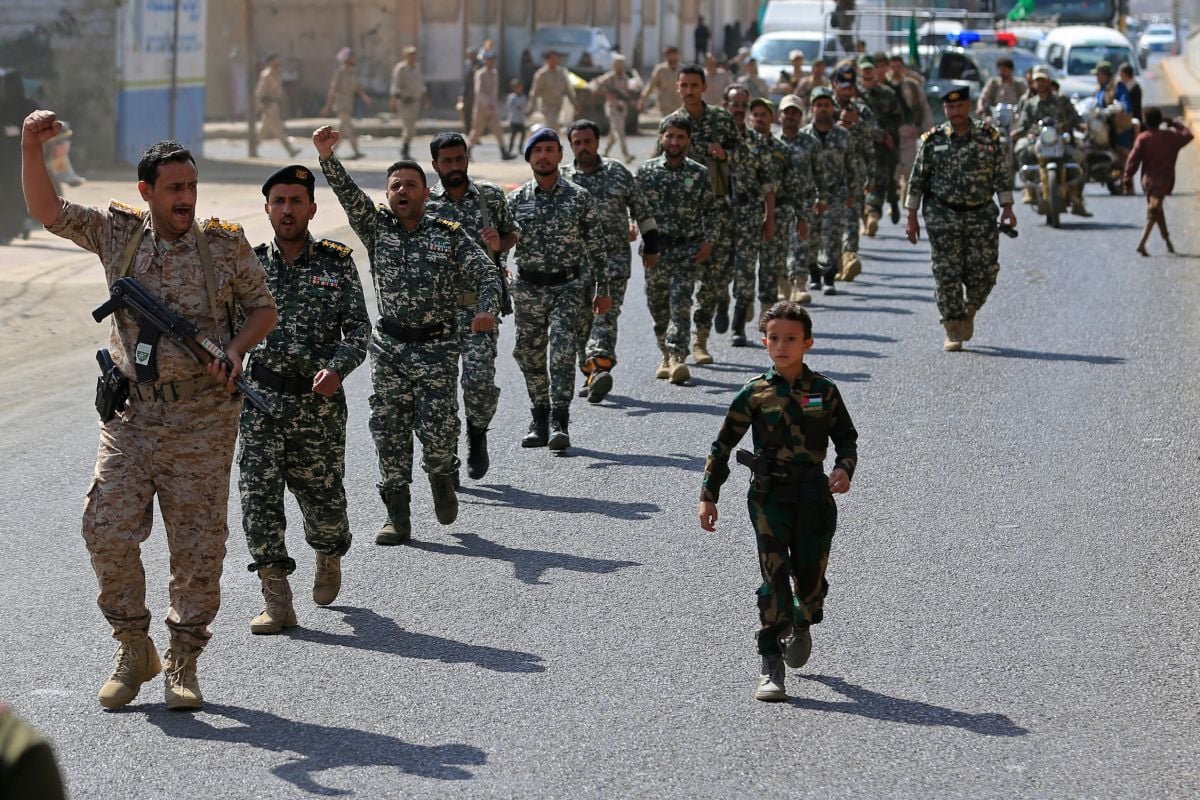
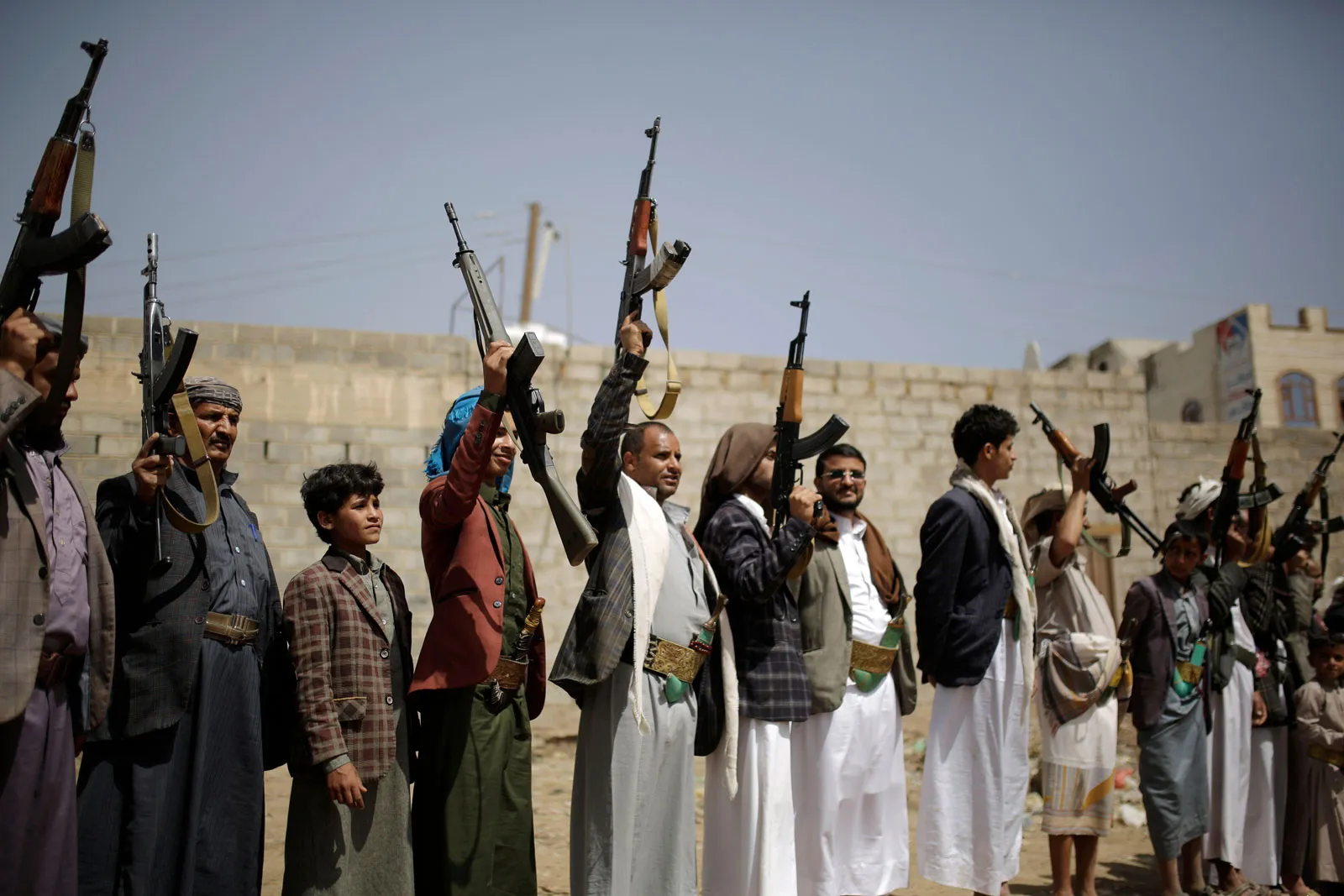
Apart from the anniversary of the 9/11 terrorist attacks on the US in 2001, the headlines Friday morning were dominated by the major victory Yemen’s Houthis won against the Saudi-backed Yemeni government. Houthi forces in a single night swept into a large swath of territory along Yemen’s Red Sea coast, taking control all the way down to the tip of the Arabian Peninsula at the Bab el-Mandeb Strait, and seizing control of the strategic island of Perim in the middle of the strait.
The collapse of government forces was astonishingly easy, allowing the capture of a huge trove of Saudi-provided equipment and drawing comparisons to the Iraqi Army’s rout in Mosul at the hands of ISIS in 2014 and the collapse of Bashar al-Assad’s forces in December 2024. Houthi missile strikes on the Saudi East-West Pipeline also appear to have shut down this critical artery bypassing the Strait of Hormuz, at least for now. The oil markets were also digesting a story in The New York Times showing a plunge in Saudi oil exports even before the pipeline stopped operating due to the Houthis’ threats against Saudi shipping in the Red Sea.
Trump Has No Exit Strategy
Meanwhile, The Wall Street Journal also reported on September 11 that President Donald Trump’s inner circle of advisors has raised with him the possibility that the current US strategy of a naval blockade combined with severe economic pressure may not force Iran to yield before the end of his term of office in January 2029. Despite this grim outlook for the war, Trump’s senior aides have not suggested returning to the negotiating table with a modified position reflecting this reality.
Indeed, Trump has continued to use the word “surrender” when describing what he expects as an outcome from the US pressure on Iran. No reporting has described senior officials tasked by Trump with crafting a more viable negotiating strategy, and Trump’s aides seem to think the status quo of limited war and economic pressure can continue as long as it takes, even if it is handed over to a successor. Vice President JD Vance seems to have a somewhat different view, but seems unwilling to clash with Trump over the issue since he lacks the authority to make decisions.
Oil Markets Wake From Complacency
This should be sounding alarm bells all over Washington. While the oil market has begun to wake up from its summer complacency, with Brent crude oil prices rising sharply with yesterday’s news, many people still feel a false sense of security because they are not familiar with quantitative analysis of oil markets. After the initial shock of the war ebbed, the market’s conventional wisdom in the early summer held that the crisis with Iran was on its way to a negotiated resolution and that strategic reserves and commercial inventories would be more than sufficient to absorb the shock.
Now, it is quite clear that there will not be a quick resolution, and over six months of supply losses have substantially depleted both strategic and commercial inventories. Inventories of petroleum products are in even worse shape, with global refining capacity taking two major geopolitical hits: the loss of export-oriented Gulf refinery capacity cut off from normal transportation, and the shutdown of nearly half of Russia’s refinery capacity due to Ukrainian drone attacks.
Diesel Shortage Threatens Inflation
Diesel is in short supply, with the average in the United States hitting $6 as of September 10. Gasoline prices are more visible to consumers, but diesel contributes to inflation, as economists know. All of this makes it more likely that the Federal Reserve will raise interest rates at its September meeting next week, despite President Trump’s often-stated wish for a loose-money policy.
Administration officials have frequently talked up the US-escorted tankers still operating on the “Oman route” through the Strait of Hormuz. Still, most people in the private sector scoff at the numbers they have put out publicly, where analysts can track tankers via satellite photos even when transponders are turned off. In addition, this traffic is limited by the lack of insurance cover.
Private Tankers Refuse the Risk
Most of the tankers currently shuttling crude through the Hormuz Strait to the Gulf of Oman are owned by Gulf Arab national oil companies and can therefore take the risk, but privately owned tankers will not. It may be heresy within the administration to admit it, but most private-sector observers do not expect the volumes coming out of the strait to rise much from the current average level. The Houthi gains in Yemen yesterday only make this worse by choking off Red Sea transport, and for now at least shutting the pipeline that gets Saudi crude to terminals there. It will be repaired, but it can also be struck again.
Houthi Victory Tests Gulf Partnerships
Continuing the status quo with Iran can be expected to raise oil prices until demand falls enough, which most economists expect to be largely driven by slower global economic activity. Outside oil circles, it may seem that the specter of $150 crude has vanished, but with these changed circumstances, that is no longer the case.
Finally, apart from the untenable economic situation this will create if we maintain the status quo for another couple of years, it will do much more damage to the US position in the region. Apart from the United Arab Emirates, which still has a bypass pipeline running, the other Gulf states are taking it on the chin. Iraq has diverted and restored some flows, but it will face an untenable budget situation within months. Qatar has assets, but very little revenue at all from LNG or oil.

Egypt is being hit by high oil prices and a sharp drop in Suez Canal revenues, which are critical to its state budget. Those are just a few examples. If the United States continues to be indifferent to their plight in preference to maintaining pressure on Iran via the blockade, it will severely test those relationships.
Who Will Tell the President
The Trump administration needs a new strategy, now that it seems to understand the current approach won’t work in an acceptable timeframe and is causing significant collateral damage to the United States and its partners. This cannot just be left on autopilot. But who among the inner circle would be willing to step up and have that conversation with President Trump?