
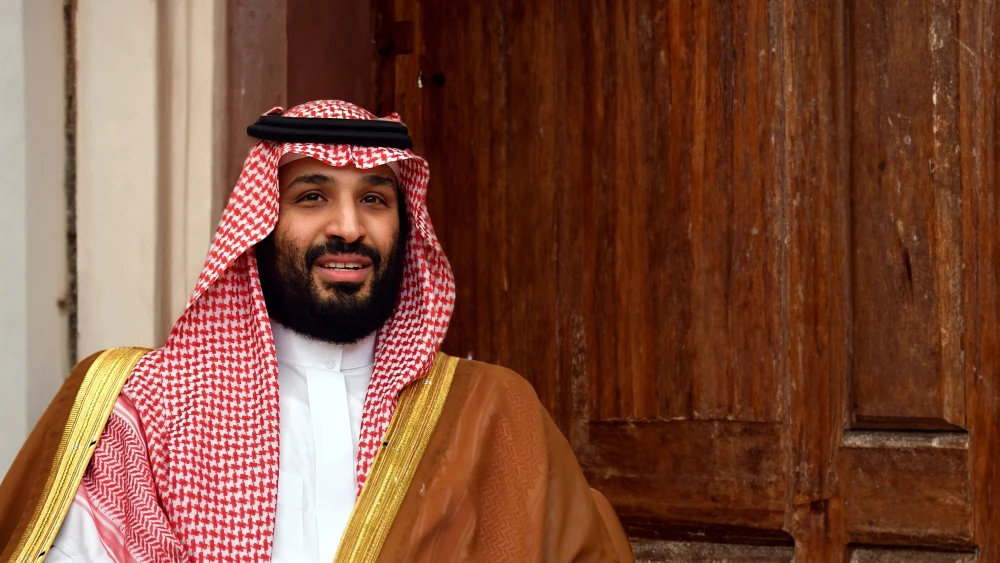
The MBS Rivalry with the UAE drove Saudi strikes on southern allies, enabling the Houthi capture of Mokha and threatening Riyadh’s control over the Bab el-Mandeb, compounding regional losses now.
Yemen has long been the graveyard of Saudi strategic ambitions, and the kingdom’s latest setback carries consequences far beyond its borders. The MBS Rivalry with the United Arab Emirates has become a decisive driver of Riyadh’s policy, overriding strategic stability in favor of personal and dynastic competition. When Crown Prince Mohammed bin Salman ordered strikes on the Southern Transitional Council and detained its leaders, he weakened the only local force capable of containing the Houthis.
On September 10, 2026, Houthi forces seized Mokha, a port city on the Bab el-Mandeb, giving Iran-backed fighters the same ability to disrupt global shipping that the Islamic Revolutionary Guard Corps exercises over the Strait of Hormuz.
The MBS Rivalry did not cause every failure in Yemen, but it accelerated a collapse that now threatens Saudi control, regional trade, and Riyadh’s standing among its allies. Saudi policy in Somaliland and Sudan compounds the damage, isolating potential partners and empowering actors who tolerate Houthi operations. The crown prince cannot blame his father’s dementia or the United States. His record in Yemen has tanked his legitimacy, and the knives are out. What happens next may determine whether Riyadh retains any influence over the southern Red Sea—or whether its rivals and enemies fill the vacuum.
Saudi Ambitions Falter Again in Yemen
Yemen has always been the graveyard of Saudi ambitions. For Saudi Arabia, Prince Khalid bin Sultan was the hero of Operation Desert Storm. After the 100-hour liberation of Kuwait, Saudis even whispered that Khalid, a grandson of King Abdulaziz, could become a future defense minister, if not king. That changed in 2009, when Khalid led Operation Scorched Earth, a Saudi intervention in Yemen. It quickly became a quagmire and led to a humiliating Saudi withdrawal. Saudi Arabia lost a couple hundred troops, a few of whom went missing in action. Saudis never admit errors, but Khalid’s fade into obscurity suggests King Fahd blamed him.
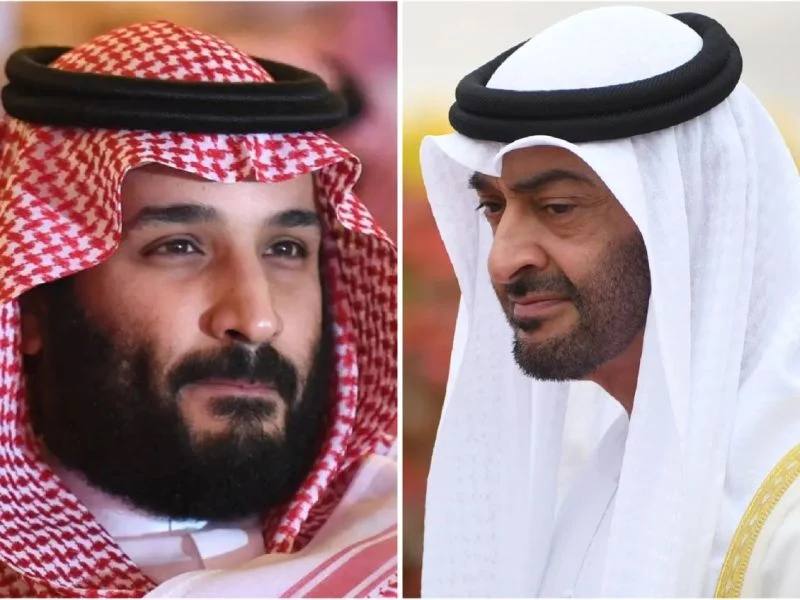
MBS Rivalry Overrides Strategic Stability
King Salman anointed Muhammad bin Nayef as crown prince on April 29, 2015. Bin Nayef was interior minister and a proponent of the Saudi intervention in Yemen. Bin Nayef’s promotion helped him to better coordinate the counter-Houthi campaign.
Saudi bombing, even with U.S. intelligence support and refueling, was a disaster and, while the Emiratis succeeded in their mission to eliminate Al Qaeda in the Arabian Peninsula control over southern Yemen, Saudi forces bogged down. Riyadh has never acknowledged just how bad its armed forces are, but marginalization reflects the king’s thinking. In 2017, he replaced Bin Nayef with his son, Mohammed bin Salman. Bin Salman shot to prominence, wresting wealth from peers and launching the ambitious Saudi Vision 2030 scheme.
Bin Salman took a different tack with the Houthis. He concluded that Saudi Arabia could not trust the United States. After hundreds of Houthi missile and drone attacks on critical Saudi civilian and military infrastructure, Bin Salman sought a quiet accommodation with the Houthis. Saudi authorities would limit their attacks on Yemen, and in exchange, the Houthis would direct their fire elsewhere. Riyadh even endorsed the 2018 Stockholm Agreement, an international surrender to Houthi interests under the guise of de-escalation.
Appeasing ideological enemies never works. It did not work when Saudi authorities appeased Al Qaeda, allowing the group to receive largesse from individual donors, even if not official support, so long as they did not attack inside Saudi Arabia. Nor has it worked with the Houthis.
Appeasement Fails Against Houthi Threats
Bin Salman’s Yemen policy over the past year has been especially disastrous. Until December 30, 2025, Southern Yemen was largely stable. Aidarous Zubaidi’s Southern Transitional Council was broadly, if not universally, popular. It governed effectively despite a lack of resources and cooperated across the old border between North and South Yemen with groups like Tareq Saleh’s National Resistance in Mokha, on the shores of the Bab el-Mandeb. While the United Arab Emirates had trained the Southern Transitional Council, the group’s stability enabled all but a few Emirati advisors to withdrawal. Slowly, Southern Forces were consolidating control and stopping Oman and the Yemeni Muslim Brotherhood’s lucrative smuggling of Iranian weaponry across the Hadramawt to the Houthis.
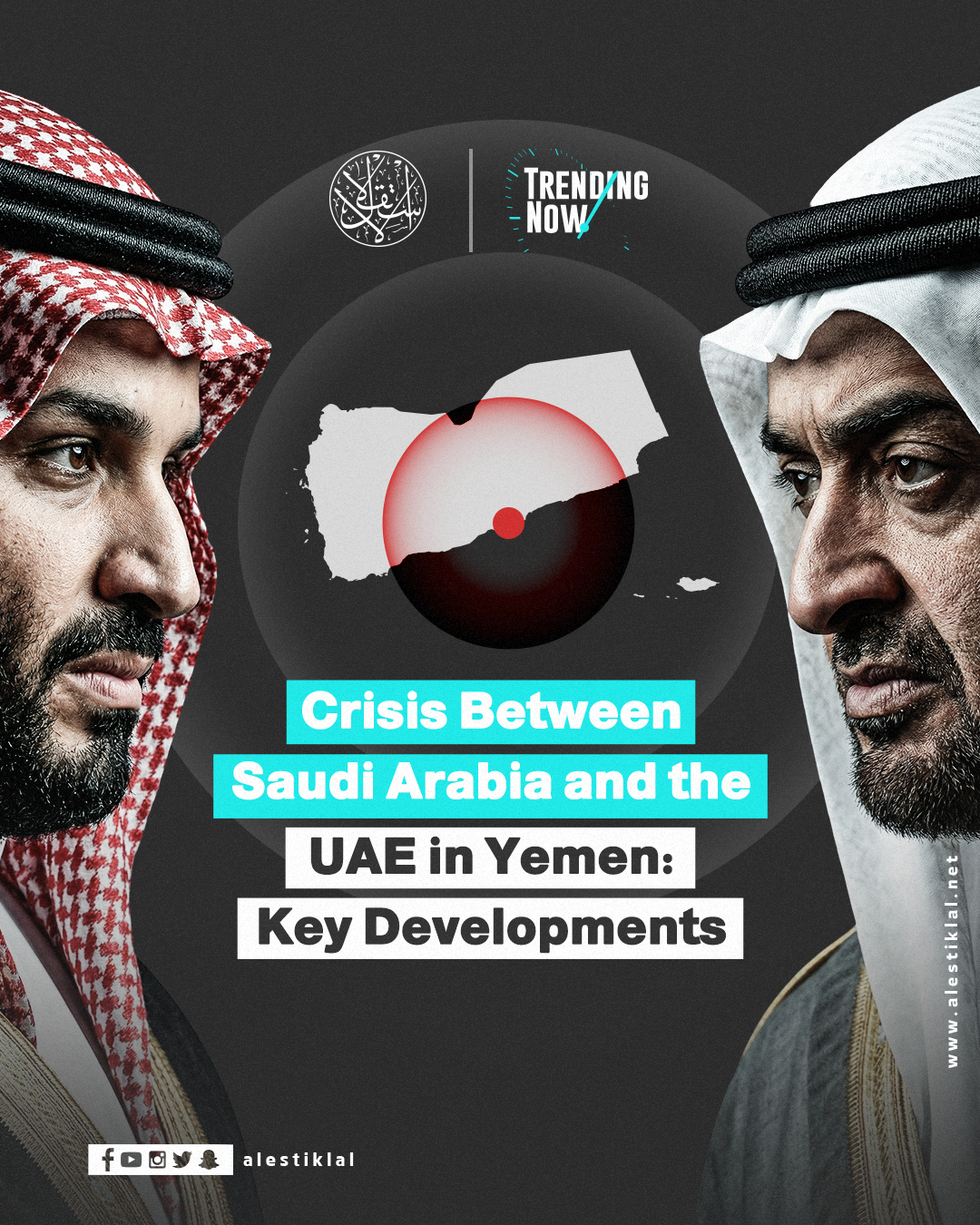
Southern Yemen Collapses After Saudi Strikes
Bin Salman prioritized his own rivalry with the United Arab Emirates above strategic stability and sought to promote his allies in Islah, the Yemeni Muslim Brotherhood, even if that meant kneecapping the only force capable of containing the Houthis. He ordered Saudi jets to bomb the Southern Transitional Council, and then he ordered the detention of Southern leaders. Bin Salman’s proxies moved into Mukalla and Aden, but locals saw them more as occupiers than as legitimate. None had the capacity to govern, and southern security crumpled. Mokha, meanwhile, grew isolated as Saleh no longer could count on support from Aden.
Mokha Falls to Houthi Forces
This is why, on September 10, 2026, after just over a week, the Houthis were to seize Mokha. The White House may downplay Yemen, and the 25th anniversary of the 9/11 terror attacks may overshadow the news, but there is no hiding the fact: Mokha’s loss is the most significant Houthi victory in years.
MBS Rivalry Compounds Regional Disasters
The international community will pay the price. Whereas previously, the Houthis could attack shipping in the Bab el-Mandeb from the mountains inland from the Tihama coast, now they sit astride the strategic chokepoint and can more easily lay mines and launch submarine and short-range line-of-sight drones at shipping. In short, the Houthi capture of Mokha gives the Iran-backed forces the same ability to disrupt the Bab el-Mandeb that the Islamic Revolutionary Guard Corps has over the Strait of Hormuz.
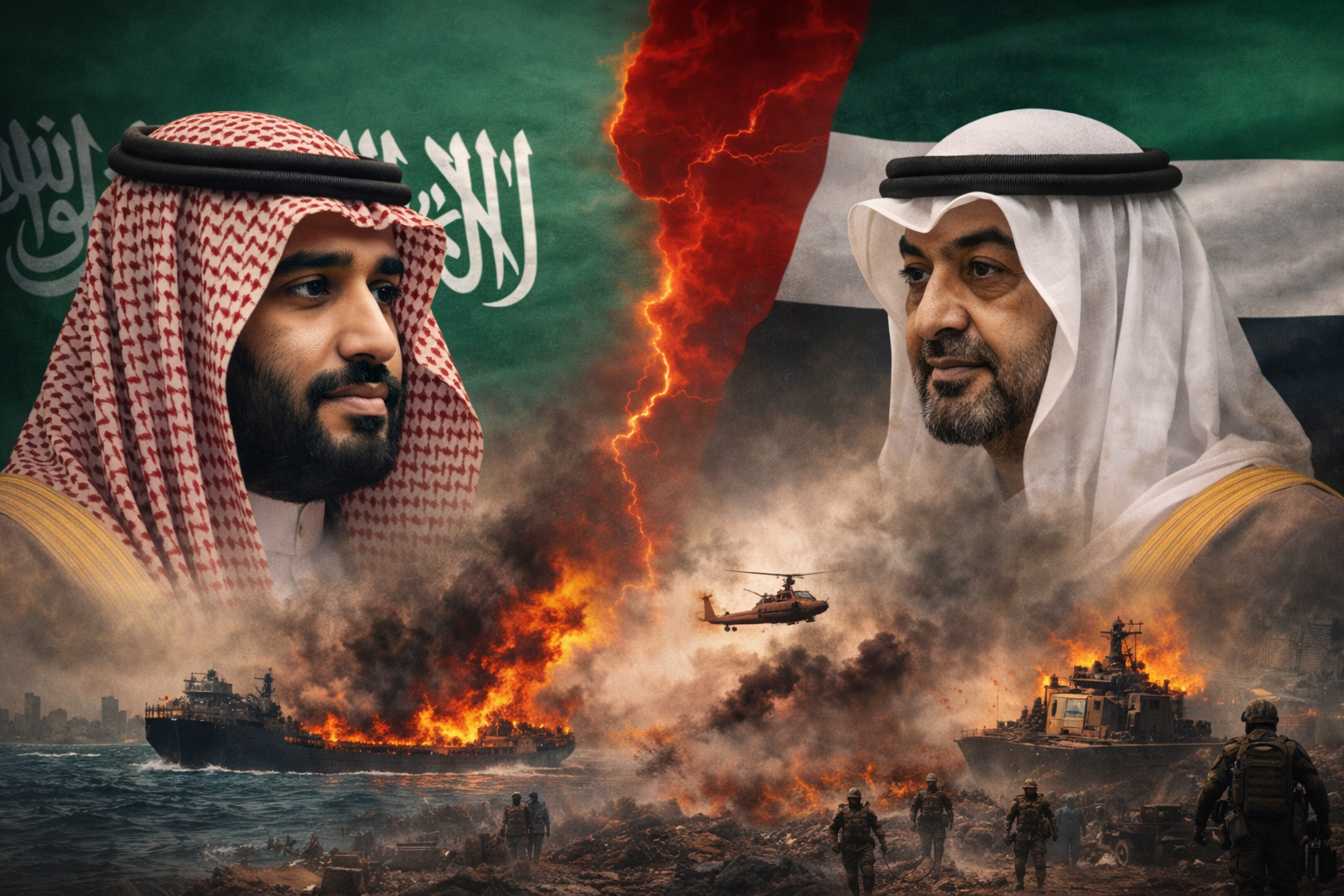
Bin Salman has compounded the disaster with other policy choices: He has both worked to undercut Somaliland and, in the Sudanese civil war, has sought to promote Sudanese Armed Forces General Abdel Fattah al-Burhan. The common denominator shaping Saudi policy has been Bin Salman’s desire to do the opposite of what Abu Dhabi does. By working to isolate Somaliland, though, Bin Salman is isolating the only beachhead from which the Bab el-Mandeb can be kept open. Burhan, meanwhile, is happy to take Saudi money and arms, but he has also allowed the Houthis to operate from Port Sudan, putting the flow of oil from the Saudi Red Sea port of Yanbu at risk.
Palace Coup Rumors Grow in Riyadh
Bin Salman cannot blame anyone else. His father suffers from dementia, and he has sought unprecedented control, even by Saudi standards. Ego and ignorance have shaped every single decision Bin Salman has made on Yemen, and all Saudis will pay the price. Bin Salman may still succeed to become king when his father passes, but his record in Yemen has tanked his legitimacy. The knives are out, however, and a palace coup soon may be coming.