
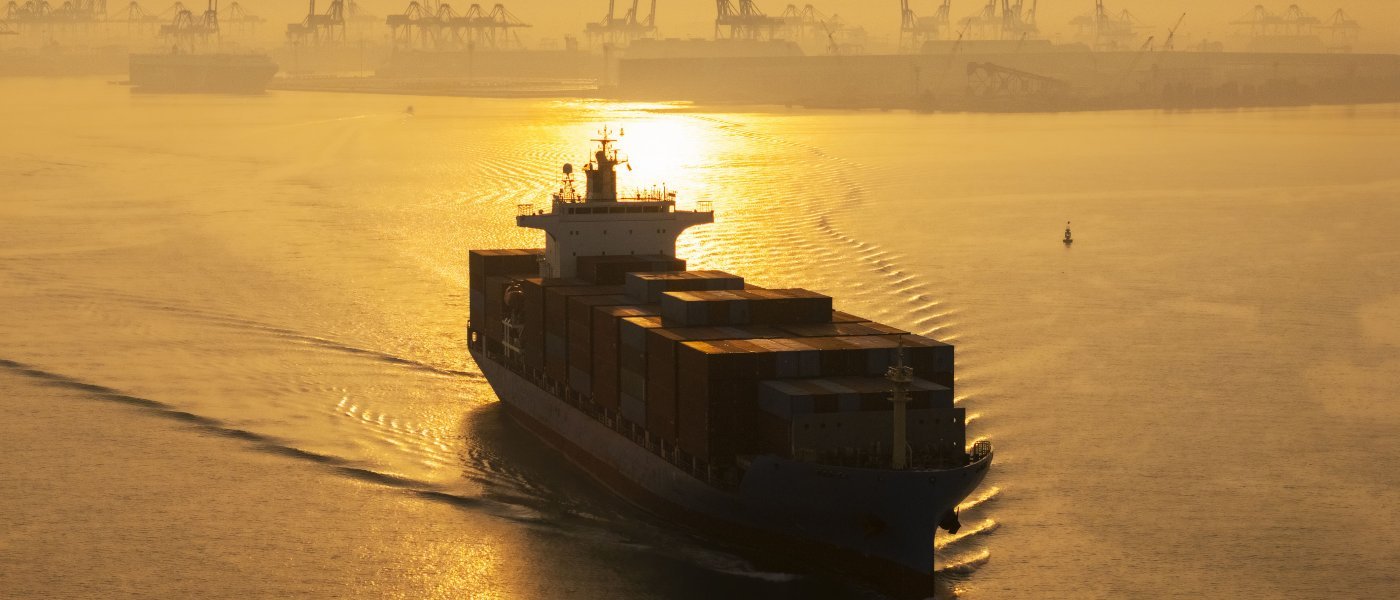
The Hormuz Corridor Deal between Iran and Oman would replace the IMO traffic scheme with a condominium that excludes Gulf states, locking in Iranian coercive leverage while monetizing passage fees.
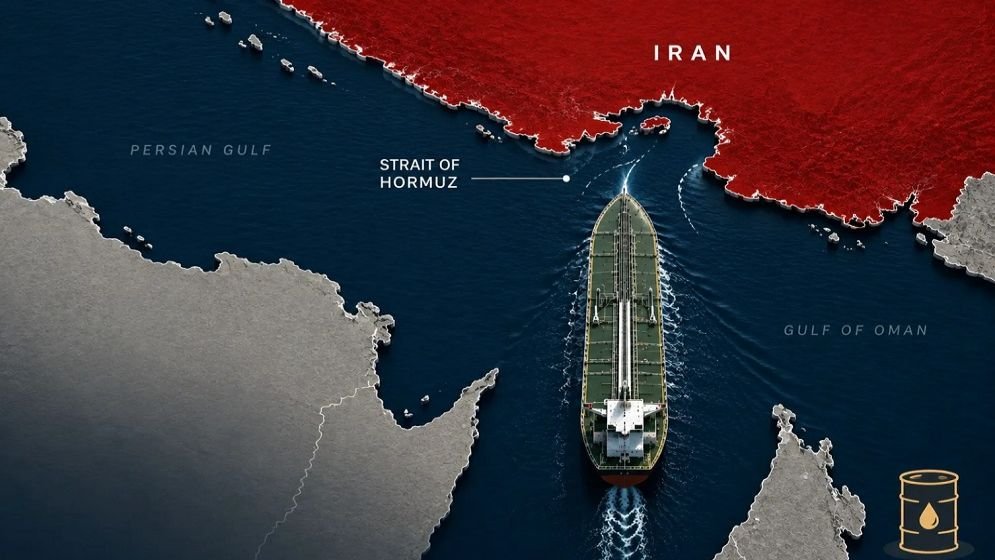
A seven-mile corridor through the Strait of Hormuz now stands as the most concrete diplomatic achievement of a war that has otherwise produced only stalemate. The Hormuz Corridor Deal, outlined by Iran and Oman on August 25, would route inbound traffic through Iranian territorial waters and outbound traffic through Iranian and Omani waters while excluding warships.
Tehran calls it interim. Muscat calls it a step toward a lasting settlement. Neither description captures the arrangement’s deeper problem. The deal would not reopen the strait, because Iran has made clear that full passage depends on American compliance with a lapsed memorandum of understanding.
It would also replace the International Maritime Organization’s traffic scheme with a condominium between two states, giving Tehran joint authority over a waterway it has repeatedly weaponized. Qatar, Kuwait, and Iraq, whose exports depend on the channel, would have no seat at the table. Fees would be waived briefly, then monetized at rates reportedly reaching $2 million per vessel.
The Hormuz Corridor Deal therefore locks in the very coercive leverage that closed the strait, converting a wartime contingency into routine administration funded by Arab exports. Restoring the old order is no answer either. What the Gulf needs is a cooperative framework that dilutes leverage rather than concentrating it.
A Narrow Deal Leaves Threats Intact
After weeks of negotiations, Iran and Oman are edging toward an arrangement on passage through the Strait of Hormuz that could reopen the world’s most important oil choke point. On August 25, Oman’s foreign minister, Badr Albusaidi, flew to Iran and came away with the outline of a bargain that had eluded negotiators since the spring: The two countries have now agreed on a temporary seven-mile-wide transit corridor through the strait, with inbound traffic routed through Iranian territorial waters, outbound traffic through Iranian and Omani waters, and warships excluded.
Tehran calls it an interim measure, to hold while the two capitals negotiate a permanent arrangement over the next 30–60 days; Muscat says a lasting settlement on the future management of the strait will follow “in due course.”
As the renewed hostilities between the United States and Iran make plain, however, it will take more than a bilateral understanding between Tehran and Muscat to guarantee the uninterrupted flow of oil and commodities through the waterway. The corridor deal is not a peace settlement, and Iranian officials have been explicit that the strait will not reopen without full U.S. compliance with a June memorandum of understanding that has already lapsed. Officials on both sides describe the diplomacy as stalled, with no end in sight. Six months into the conflict, that reopening the strait seems further away than ever.
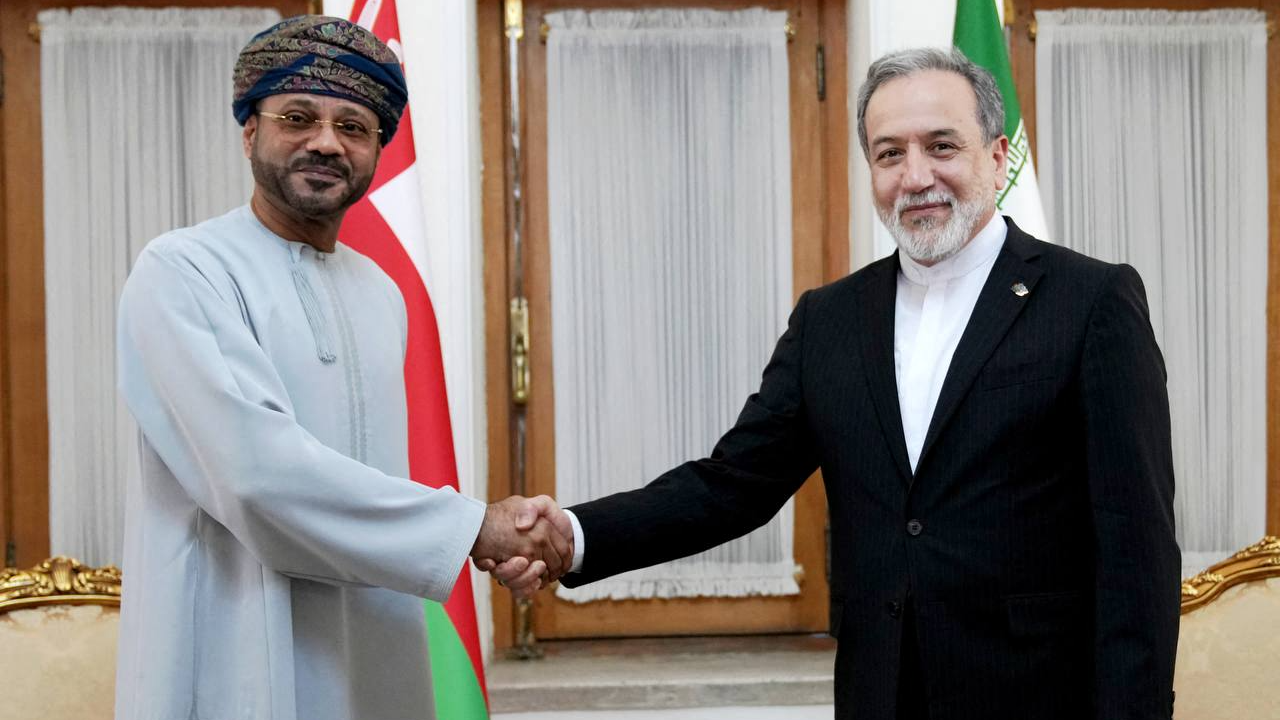
Hormuz Corridor Deal Sets Modest Terms
Moreover, even if a durable U.S.-Iran truce were to be reached, the navigation deal now on the table between Iran and Oman is unlikely to bolster regional stability over the long term. The framework being negotiated would establish a condominium arrangement in place of the traffic separation scheme the International Maritime Organization has run since 1968, giving Tehran and Muscat joint authority over passage.
Fees would be waived for a provisional two-to-four-month phase, but Tehran has made clear that it intends to monetize its control thereafter. The Persian Gulf Strait Authority, established in May, has reportedly floated charges of up to $2 million per vessel, and direct levies or service fees covering environmental impact, cargo security, and staffing are already being canvassed.
Gulf Littoral States Remain Excluded
Yet the plan’s biggest flaw is not the costs it would add for shippers, it is that it excludes the other states in the region with long-term strategic stakes in the waterway. Qatar’s entire liquefied natural gas business—and with it, a material share of European and Asian gas security—depends on the 21-mile channel, and Kuwaiti and Iraqi oil exports are no less reliant. Saudi Arabia and the United Arab Emirates have pipeline bypass routes that afford them more flexibility, but these carry only a quarter of total prewar Hormuz volumes, and Iran has already shown that overland infrastructure is vulnerable too.
In other words, the arrangement would leave intact the very threat of Iranian maritime interdiction that closed the strait in the first place. Worse, it would convert that capacity from a wartime contingency into a routine administrative function, funded by Arab exports. It is a considerable ask to accept a neighbor’s regulatory writ over an export route while that same neighbor is striking tankers on it.
The Old Order Cannot Be Revived
Restoring the old order is no answer either. The prewar arrangement—an International Maritime Organization traffic scheme underwritten by an implicit U.S. naval guarantee and administered by nobody in particular—has been shattered and hopes of reviving it are futile.
What the strait needs is a successor regime that dilutes coercive leverage rather than concentrating it and lowers the risk of future conflict. Postwar Europe offers a precedent. For 80 years, the Franco-German borderland was a source of recurrent war, with Alsace-Lorraine changing hands in 1871, 1919, 1940, and 1945, each transfer resting on a settlement that simply seeded the next conflict. The administrative framework established immediately after World War II, which placed Ruhr coal and steel under an international authority and detached the Saar under French control, threatened to repeat the pattern.
Hormuz Corridor Deal Needs Community Model
Seeking to break the cycle, postwar European planners devised the European Coal and Steel Community (ECSC), announced in the May 1950 Schuman Declaration. This agreement pooled ownership under an institution in which France and Germany sat as equals, placing resource control beyond the unilateral reach of either. Neither government trusted the other, but trust was not a precondition. The ECSC was a functional creation, built around narrow technical cooperation and run by officials whose careers came to depend on its smooth working.
Applied to Hormuz, such a framework offers what the current bilateral deal cannot: a settlement whose stability rests on mutual technical and commercial interest rather than on the political weather. Every Gulf littoral state would have a stake in the competent management of a waterway central to its economy. They would not need to like one another; they would need only to recognize that unilateral coercion bites the hand that feeds them.
Malacca Offers a Working Template
The legal foundation for a cooperative arrangement already exists. Article 43 of the UN Convention on the Law of the Sea calls on user states and littorals to cooperate on navigational aids and pollution control. The Cooperative Mechanism running in the Straits of Malacca and Singapore since 2007 rests on it, funded by voluntary contributions from user states, shipowners, and bodies such as Japan’s Nippon Foundation. Indonesia, Malaysia, and Singapore levy no tolls; they are paid for services rendered.
An ECSC-type Hormuz Community would vest real authority in a governing body, with equal representation for all local parties. A joint traffic authority under a rotating chair and an internationally designated secretariat would mean that no single country could issue permits. A services fund, financed by littorals, exporters, and the consumers who depend on the channel, would disburse against audited budgets rather than into national treasuries.
Europe’s Lesson Applies to Hormuz
Tehran would gain a recognized coastal-state role, an income stream, a seat alongside the Arab states and—if the arrangement were licensed by the U.S. Treasury—the prospect of collecting. The Arab states would gain co-ownership of the mechanism governing their exports, within a framework that raises the cost of Iranian coercion. The world would get the free, predictable, nondiscriminatory passage the Trump administration has set out as its objective. In the longer term, the experience of working together might furnish the basis for lasting cooperation, just as it did in Europe.
The obstacles to a deal of this kind exist: Iran will be reluctant to trade a hard-won asset for abstractions, the Gulf Cooperation Council states distrust Iran and do not speak with one voice, and the United States opposes any administration of the strait.
However, the Iranian position ignores that uncollectible tolls are worth little, the Gulf states share an interest in a collective arrangement that mitigates threats to their export streams, and the U.S. position confuses ends with means. Bandwidth presents a harder problem. Oman has floated Malacca as a template, but diplomacy is consumed by crisis management. The risk, in these circumstances, is that whatever emerges merely formalizes the ad hoc mechanisms already in place, leaving tensions—and the danger of another conflagration—high.
European powers did not pool coal and steel because they had stopped fearing each other. They pooled those resources because they had concluded that fear left in national hands would produce another war, and because the moment of maximum wreckage was the only one in which so improbable a thing could be attempted. The past 15 months in the Gulf have made the same case. Repeating the cycle will only produce the same calamitous result. Unless the intention is for history to repeat itself, now is the moment for new thinking.