
Washington’s four Iran War objectives remain unmet as sanctions and strikes fail. Two options—endless strikes or declaring victory—cannot reopen Hormuz or end the stalemate. Diesel prices hit records as Tehran demands concessions.
The United States has entered a strategic impasse in its confrontation with Iran, unable to achieve regime change, eliminate enrichment, dismantle ballistic missiles, or end support for regional proxies. Sanctions have squeezed Iran’s economy for decades without forcing political concessions, and periodic strikes have failed to produce durable gains.
The Iran Stalemate now confronts Washington with two unsatisfying options: formalize recurring military pressure or declare victory and withdraw. Neither path reopens the Strait of Hormuz, because Tehran links navigation rights to sanctions relief and Israeli restraint, conditions Washington has resisted. Iran’s control over the waterway has already driven diesel prices to record highs, exposing American consumers to the costs of prolonged conflict.
Diplomats describe U.S. deal-making as reactive and directionless, while the White House has failed to secure peace in Gaza or Ukraine. A Ukraine-style stalemate looms, with Gulf leaders preparing for months or years of disruption. The Iran Stalemate therefore cannot be resolved by rhetoric or unilateral exit; it requires concessions the United States has so far refused to consider. Without a credible diplomatic path, economic pressure and military strikes will continue to impose costs without delivering victory.
Iran Stalemate Deepens Across the Gulf
As the United States has struggled to secure its four primary objectives in the Iran War — achieving regime change, dismantling long-range ballistic missiles, eliminating nuclear enrichment, and halting Tehran’s support for regional proxies — U.S. officials have rolled out a series of tried-and-failed theories for how to achieve those goals.
In the past four weeks, Americans have watched their government attempt to inflict an economic victory against Iran through Operation Economic Outcast, tightening a sanctions regime which for decades has strangled Iran’s economy without resolving the underlying dispute.
Now, as that strategy flags, we have seen the Trump administration return to its older strategy of kinetic strikes against Iran. Those strikes, too, have failed to achieve their desired objectives.
Two Paths, Neither Promising
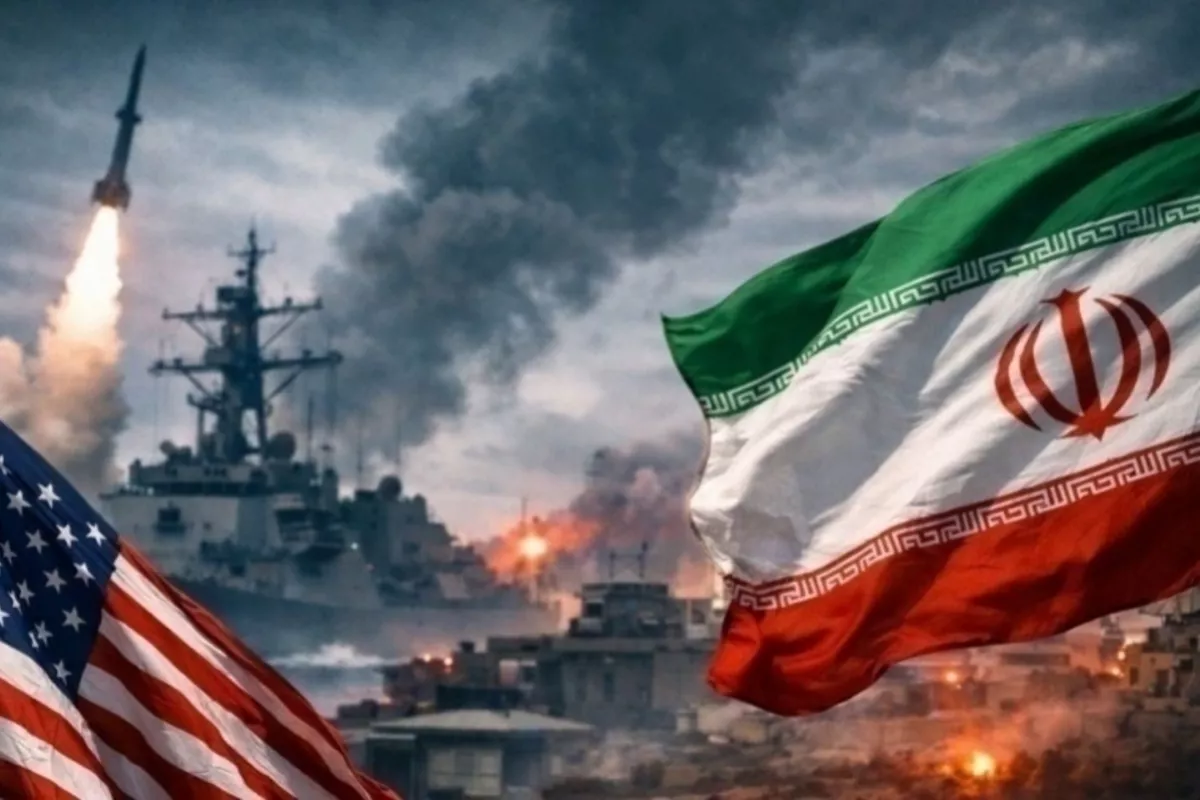
Facing the prospect of a self-inflicted defeat, the U.S. has now proposed two new paths forward.
The first, reported by the Wall Street Journal last Wednesday, is an option to extend and formalize the current series of on-and-off strikes U.S. officials call this “mowing the lawn,” or a strategy of using periodic bouts of disproportionate force, as Israel did in Gaza prior to launching its full-scale, seemingly endless campaign after the Oct. 7 attacks of 2023. To support that option, the Pentagon has extended troop deployments in the Middle East through 2027.
The second option reportedly considered by the White House is for the U.S. to declare victory and walk away, with the Wall Street Journal reporting that Trump favors the idea. Among the supporters of the second option is Joe Kent, the former Director of the National Counterterrorism Center, who resigned in protest of the Iran War, and who has argued on X that the U.S. should “reset the terms of the deal” with Iran “by removing our troops & ships from the region.” The argument that the U.S should walk away and “declare victory” is growing increasingly popular even in establishment circles.
Sanctions Rarely Change Behavior
But given the historic limitations of sanctions to achieve political outcomes, coupled with Iran’s current demands, that strategy too appears unlikely to re-open the Strait of Hormuz and avert the economic consequences Iran’s leverage over the waterway will have on the global economy.
Political scientists have long doubted whether U.S. economic pressure and sanctions can shape political outcomes, particularly when the targeted state has little reason to believe these measures will be reversed in exchange for good behavior; researchers like David Siegel are quick to acknowledge that they “don’t work,” while U.S. officials like Janet Yellen have conceded the same point, noting that, while sanctions against Iran had caused a “real economic crisis,” they produced political outcomes “much less than we would ideally like.”
As Siegel — who most recently studied the failure of U.S. sanctions on Russia to redirect their state behavior toward U.S. and NATO interests — explains, “target states have strong incentives not to give in and sometimes even benefit from heightened levels of political support at home because they can now credibly blame their economic woes on a foreign imperial power.” Siegel argues that it’s “probably more true today than ever before due to the fact that sanctioned states can turn to China.”
Hormuz Leverage Blocks Any Deal
The low likelihood of economic pressure opening up the Strait of Hormuz is depressed even further by the fact that one of Iran’s preconditions for opening the Strait of Hormuz is the removal of sanctions, which would require a vote from Congress, where the proposal would face an uphill battle.
But perhaps the main reason walking away and declaring victory would fail to re-open the Strait and mitigate impending economic disaster is because Iran has tied freedom of navigation in the waterway to the U.S. reining in Israel, and the U.S. has long demonstrated it is unwilling to do so.
The June 17 agreement between the U.S. and Iran only required the U.S. force an Israeli withdrawal from Lebanon, and Washington failed to follow through. Now, subsequent provocations by the U.S. and Israel have led Iran to expand its ceasefire demands to other campaigns: in Iraq, in Yemen, and in Palestine.
Trump’s Deal-Making Credibility Fades
Securing a deal to re-open the Strait and end the war is further complicated by the growing view around the world that the “Art of The Deal” author is simply incapable of making deals. Results of a 2025 Politico survey of diplomats from 15 countries show foreign officials describing Trump’s deal-making process as “reactive, with no clear direction,” while Trump has so far failed to resolve a proxy war in Ukraine that he promised to end “within 24 hours” of taking office. The White House has similarly failed to reach a peace deal in Gaza.
Under these conditions, the broader Iran War appears to be rapidly approaching what a chief executive of a Danish shipping firm described to the Financial Times as a “Ukraine-style stalemate.” Speaking to the outlet in August, the CEO of Torn explained how “the Gulf leadership has realised they need to prepare themselves for a prolonged situation that lasts not days or weeks but months or years,” adding that “with the U.S. acting the way it is, I think it is a dream world to imagine the world returns to the way it was 10 years ago in the foreseeable future.”
Iran Stalemate Defies Easy Exit
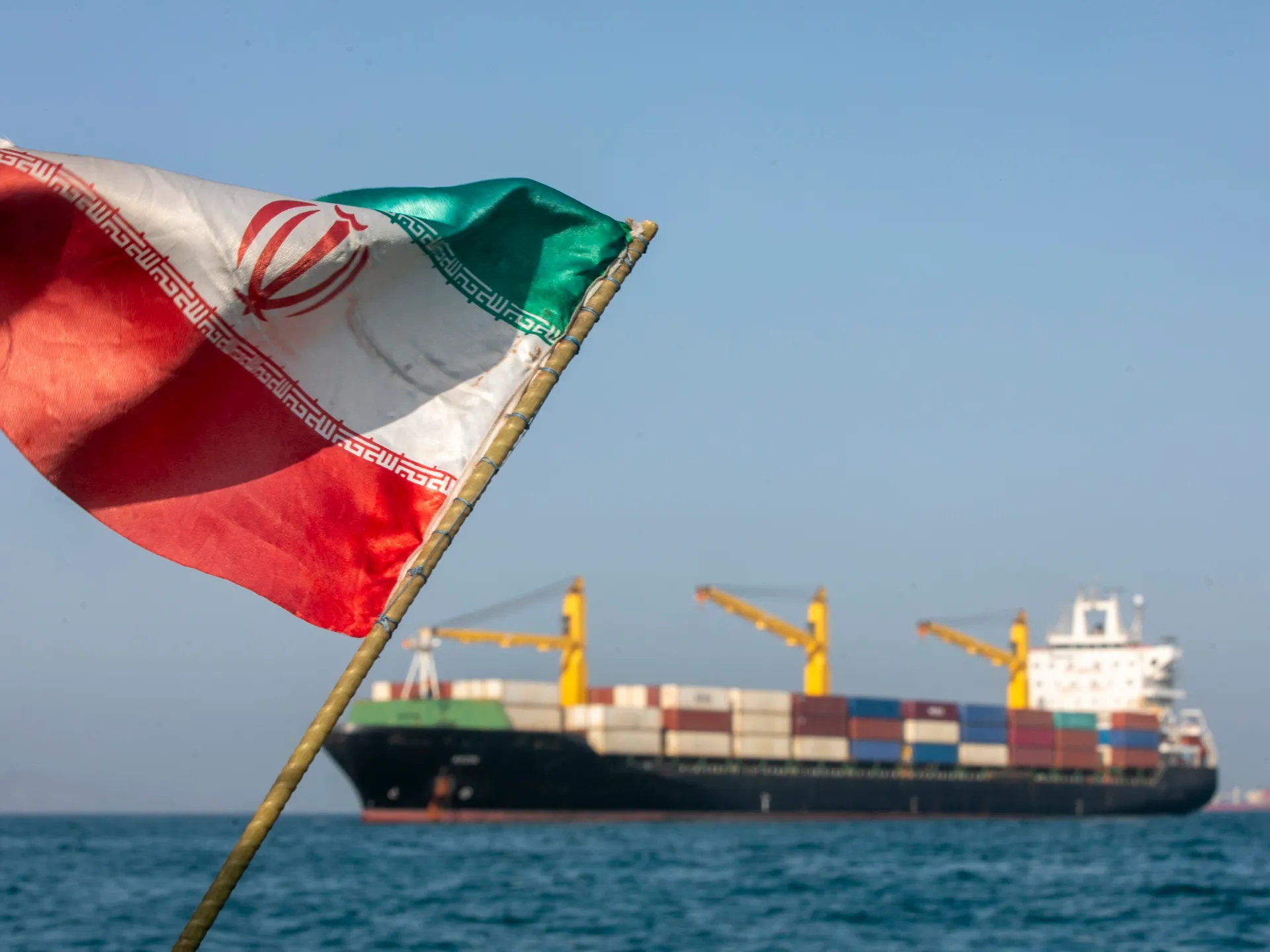
The consequences of that “prolonged situation” will soon be felt even more by American consumers, as Iran’s control over the Strait of Hormuz has pushed diesel prices to their highest ever levels. Averting economic catastrophe will therefore require the U.S. to meet conditions it has so far been unwilling to accept; merely declaring victory and walking away won’t do the trick.