
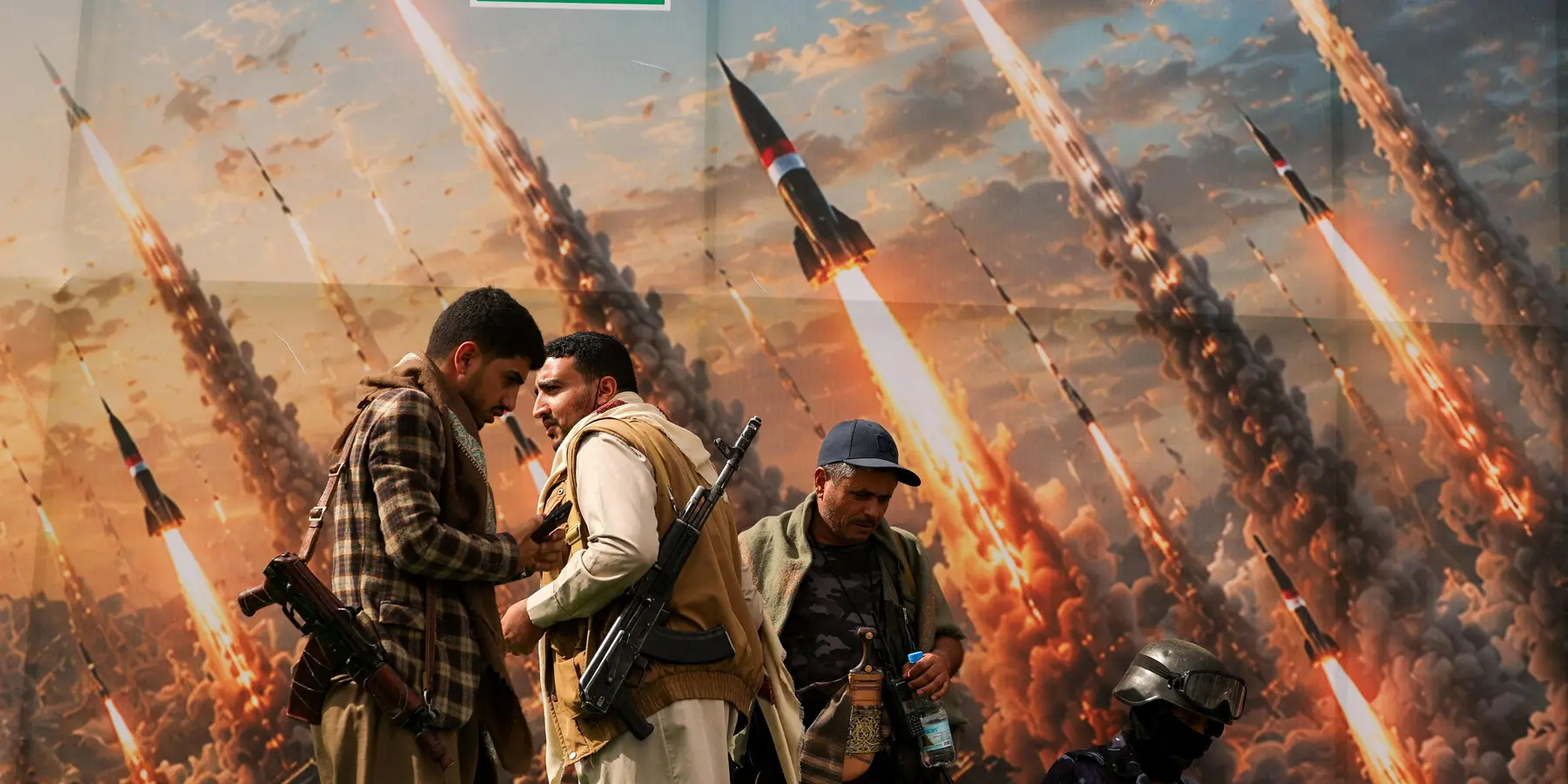
Houthi forces captured Mokha and Perim Island, declared a blockade on Saudi shipping, and forced Riyadh to shut its East-West pipeline, pushing Brent crude above $100 and tilting the U.S.-Iranian war toward Tehran.
The collapse of the June Memorandum of Understanding turned the U.S.-Iranian confrontation into a contest of endurance, and the Bab al-Mandeb Blockade now tilts that contest against Washington. Houthi forces captured Mokha and Perim Island, giving them bases to interdict shipping in and just north of the strait, while an attack on the Saudi East-West pipeline forced Riyadh to shut a route carrying roughly four million barrels per day. Brent crude futures surged past $100 and have lingered there, and the principal pain mechanism for the Trump administration—higher fuel prices, broader inflation, and voter discontent—now operates through a waterway far from the Persian Gulf.
Saudi exports had already fallen to a 13-year low, and the declared blockade on Saudi shipping means no secure export route is in sight. Crucially, the Houthis are not a proxy Tehran can switch off; they act on their own grievances with Riyadh, just as Israel pursues its own logic regardless of American preferences. The Bab al-Mandeb Blockade therefore exposes a structural asymmetry: Iran’s leadership is fighting for survival, while Washington has nothing comparable at stake. Any future ceasefire must address this waterway, but spoilers on both sides may make that impossible.
Stalemate Becomes Contest of Endurance
The conflict between the United States and Iran has become a contest in enduring economic pain and the political consequences that may flow from that pain. This has characterized the conflict since the breakdown of the Memorandum of Understanding (MoU) in June that had raised brief hopes that the war would end. Each side appears confident that it can outlast the other in the pain-endurance contest.
Fundamental change of this situation is unlikely anytime soon despite some indications Iran is considering military escalation as a possible way to break the stalemate. The Trump administration, after the failure of other options, appears to be hoping that the Iranian regime either will be toppled by an economically strained Iranian public or will somehow give up and make concessions.
Houthis Interdict Red Sea Shipping
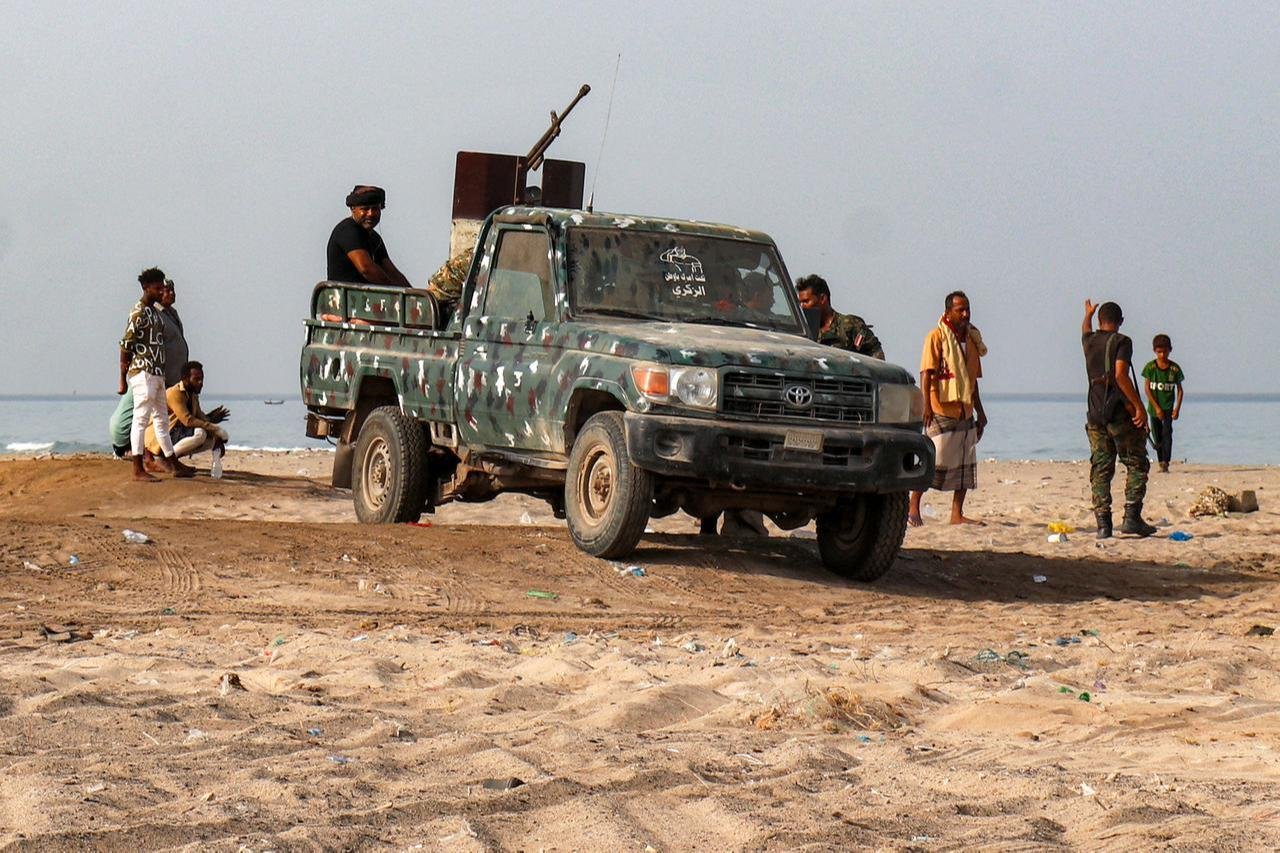
One of the more significant recent developments with potential for changing this stalemate, however, is renewed military action by the Houthi regime in Yemen, which includes interdicting shipping traversing the Red Sea and Bab el-Mandeb Strait. The Houthis constitute a regime and not just a militia or opposition group. They captured the Yemeni capital of Sanaa in 2014, and for years have been the governing authority over territory that includes about two-thirds of the Yemeni population. Their principal domestic opponent, although commonly labeled the “internationally recognized Yemeni government,” is a weak client of Saudi Arabia, where its leaders spend most of their time.
Earlier Houthi interference with Red Sea shipping was aimed at Israel and intended as a gesture of solidarity with the mauled Palestinian population of the Gaza Strip. This time, the Houthis’ grievance is with Saudi Arabia, and they have declared a blockade on Saudi shipping.
Why Is Mokha So Important?
The background to current Yemeni-Saudi strife is a multi-year Saudi aerial assault on Yemen that turned the country into a humanitarian disaster zone before ending with a truce in 2022. The truce mostly held until this year. But the past month has seen rapidly escalating exchanges of fire. Among other recent attacks across the Saudi-Yemeni border, the Saudis say the Houthis sent a drone over Mecca, and the Houthis claim to have shot down a Saudi fighter jet over Yemeni territory.
The Houthis began attacking Saudi ships in the Red Sea last month, and in the past two weeks their gains on the ground against their opponents within Yemen have increased their ability to conduct more such maritime attacks. They captured the port of Mokha (origin of the coffee-and-chocolate drink) and Perim Island, which is in the middle of Bab el-Mandeb. These conquests provide bases for further interdiction of shipping in, and just north of, the strait.
Saudi Pipeline Shutdown Cuts Oil Exports
Meanwhile, an attack, evidently by militia in Iraq, on the oil pipeline spanning the Saudi peninsula has forced the Saudis to shut the line down for now. The main direct effect of these recent events is a further reduction in Saudi oil exports.
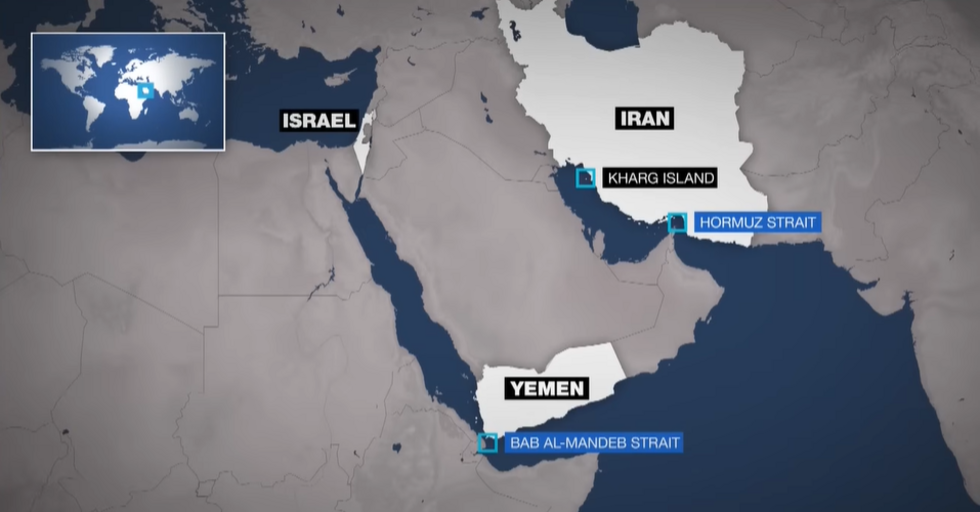
The Saudis had been the world’s biggest oil exporter before the U.S.-Israeli war against Iran suddenly dropped Saudi exports to a 13-year low of 3.2 million barrels per day (bpd). The Saudis have relied heavily on the pipeline to the Red Sea as an alternative to its interrupted exports through the Strait of Hormuz. About 4 million bpd—representing four percent of total worldwide oil consumption—was going through the pipeline at one point during the war, and the Saudi oil company Aramco says improvements had increased its capacity to 7 million bpd.
The Saudis hope to repair the damage and put the pipeline back in operation soon, but the prospect of the Houthis gunning for tankers carrying Saudi oil through Bab el-Mandeb means their problem of finding a secure export route will persist. The Saudis could send tankers north toward the Mediterranean Sea, with the oil traversing either the Suez Canal or a pipeline in Egypt, but this is the wrong direction to reach most of Saudi Arabia’s customers, which are in Asia.
Markets have taken note of this predicament. Brent crude oil futures contracts surged over $100 per barrel and have lingered there.
Bab al-Mandeb Blockade Tilts the Balance
A major indirect effect of these events is to tip the balance in the U.S-Iranian endurance contest more in favor of Iran and against the United States. The principal pain mechanism affecting the Trump administration is the higher oil price, which means higher gasoline and diesel fuel prices, more overall inflation, and more dissatisfaction among American voters. Iranians certainly have been suffering more pain, economic and physical, than Americans have, but for Iran the stakes also are higher. For the regime in Tehran, the stakes involve survival, whereas the United States and Trump administration have nothing remotely comparable at stake.
Further damage to the global economy—with effects felt within the United States—from the Houthis’ activity may involve disruption of shipping other than oil. Nine percent of worldwide maritime shipping traverses the Suez Canal, Red Sea, and Bab-el-Mandeb. Even though the Houthis say they are aiming their fire only at Saudi Arabia, the nervousness of shipping companies and insurers about sailing through a war zone may curtail this activity, as it has with the Strait of Hormuz.
Houthis Are Not Iranian Proxies
With the prospect of Tehran crying “uncle” still as dim as ever, any end to the U.S.-Iran war would require a negotiated agreement. Like the earlier MoU, it would almost certainly have to be a ceasefire and skeletal framework that would punt difficult issues to later negotiations. Just as navigation through the Strait of Hormuz was part of the MoU—with disagreement over interpretation of that clause being central to the later breakdown of the ceasefire—navigation through Bab el-Mandeb would likely need to be addressed in any new ceasefire agreement.
Although Bab el-Mandeb and the Red Sea are outside the main theater of the war in the Persian Gulf, presumably the U.S. side would insist that this subject be addressed, just as Iran insisted that the earlier ceasefire extend to Israel’s attacks in Lebanon.
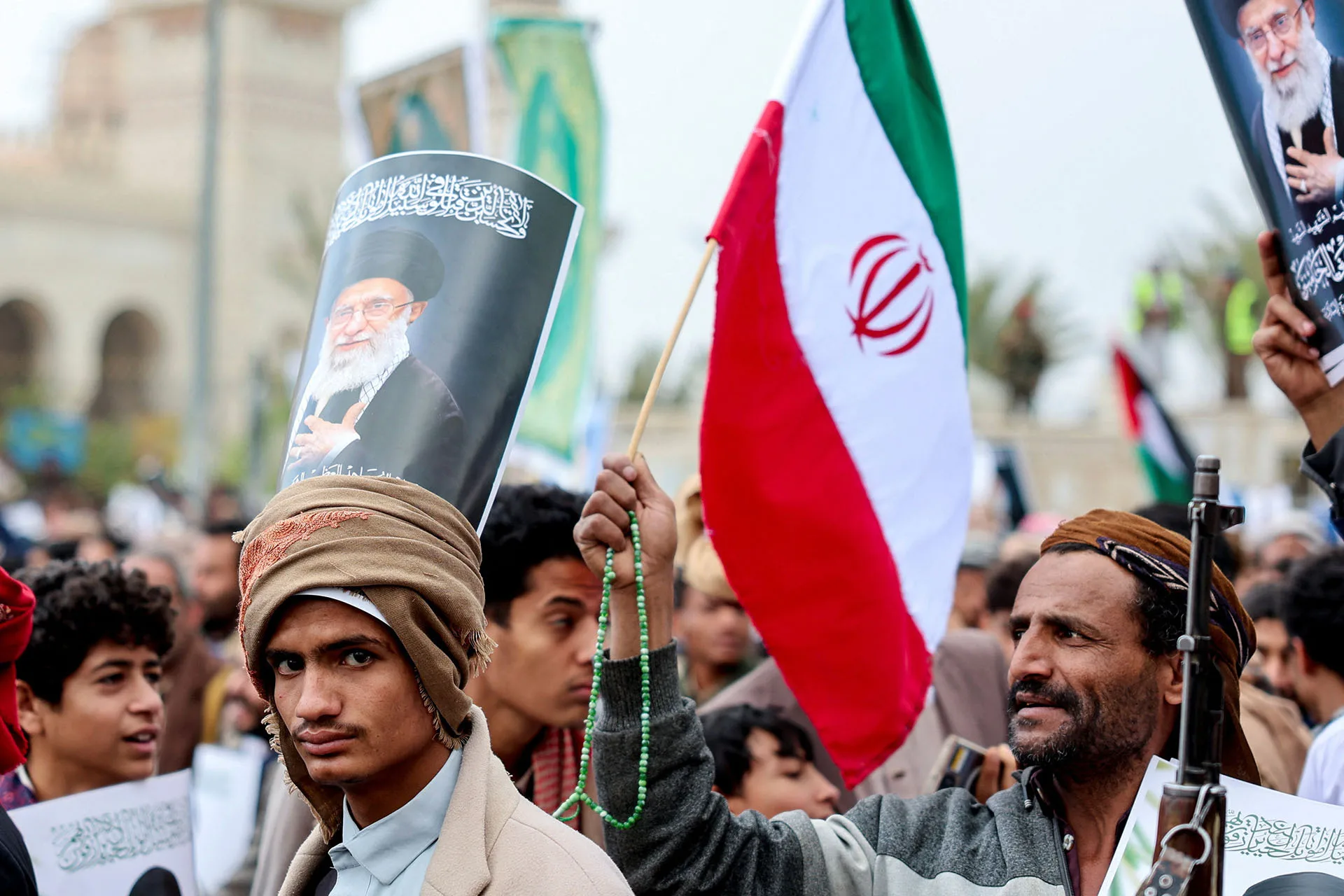
This parallel goes farther, in ways that underscore a difficulty in negotiating a future ceasefire. The United States does not control Israel’s actions, and Iran does not control the Houthi regime’s actions. The label of “Iranian proxy” that usually is applied to that regime is a misnomer. The Houthis have acted against Iranian advice—most significantly in their capture of Sanaa—and development of their ability to make their own weapons makes them less dependent on Iran’s support. The Houthis sympathize with their Iranian allies, but their chief concerns are closer to home and mostly involve their confrontation with the Saudis.
Bab al-Mandeb Blockade Complicates Ceasefire
The United States does not control Saudi actions, either, and the kingdom, like Israel, could become a spoiler of any U.S.-Iranian peace. The parallel ends regarding motivation, however. Although the Israeli government opposes any peace agreement with Iran, the Saudis presumably would welcome an end to the war that has been the source of so many of their current economic and security problems.
But with no such end in sight, with a financial crisis looming from the sharp curtailment of Saudi oil exports, and with the Trump administration declining so far to take new action against the Houthis, the Saudis may decide they need to escalate further against the Houthis, making Bab el-Mandeb and the Red Sea even more of war zone than before.
This scenario, besides complicating any diplomacy aimed at ending the U.S.-Iranian war, would further demonstrate the prescience of those who warned that a U.S. military attack on Iran would spread into a wider Middle East conflagration. The Iran war has triggered new violent phases of old conflicts such as Israel-Lebanon and Yemen-Saudi Arabia, which then escalate further according to their own destructive logic.