
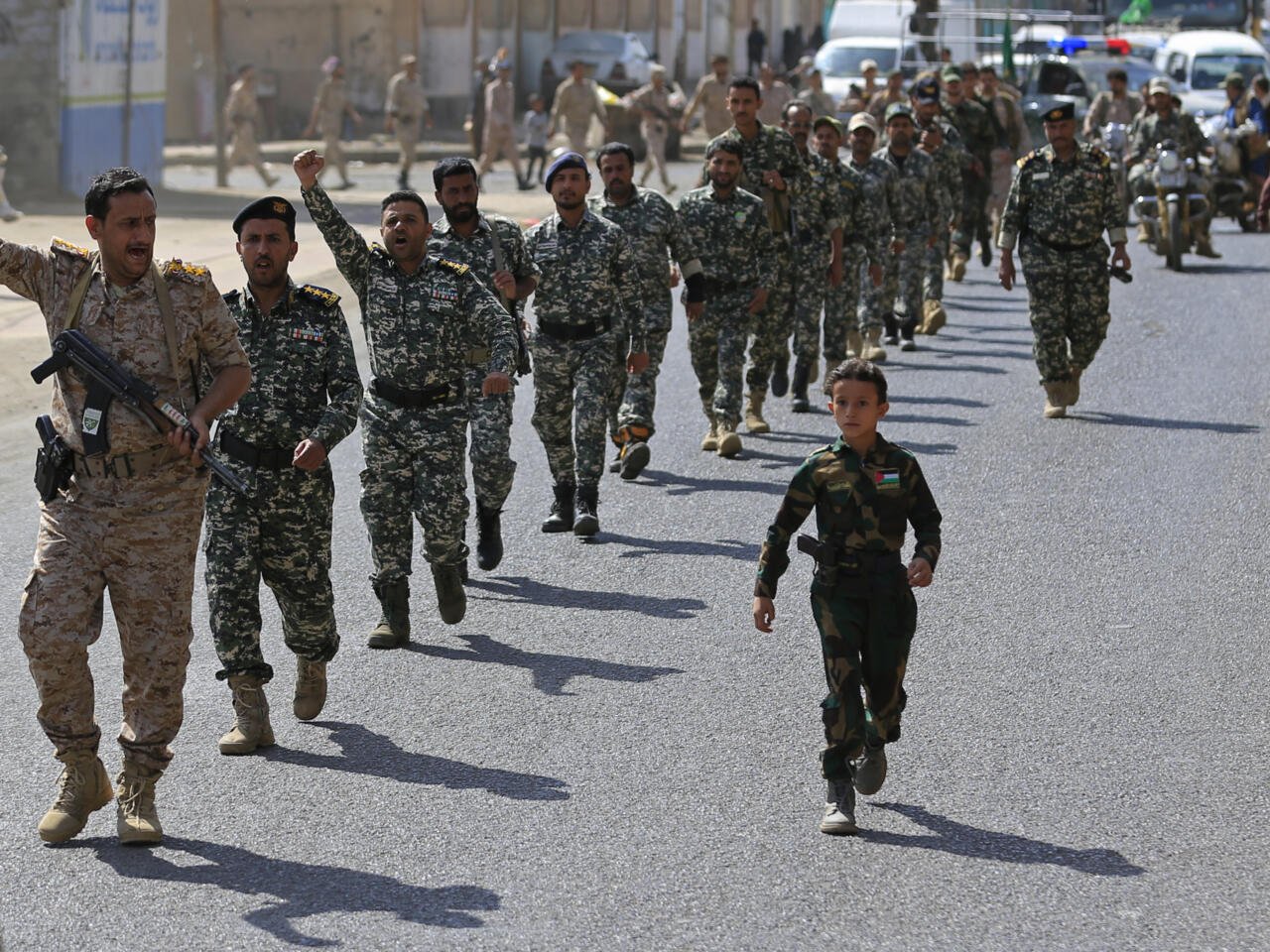
After U.S. escorts broke Iran’s Hormuz chokehold, Tehran activated Houthi partners to strike Saudi Arabia’s East-West pipeline, cutting 4 million barrels daily and seizing Bab al-Mandeb, pushing U.S. gas prices to $4.32.
The Iran-Houthi Oil War marks a strategic escalation born of Iranian weakness rather than strength. When U.S. naval escorts proved capable of guiding tankers through the Strait of Hormuz, Tehran lost its ability to choke off Gulf exports while its own oil remained blockaded. Unable to generate revenue, the regime activated its Houthi partners to open a new energy front.
The Iran-Houthi Oil War has already succeeded in one respect: Iraqi militias, likely coordinated by the IRGC and Houthis, struck Saudi Arabia’s East-West pipeline, cutting off over four million barrels per day and threatening global supply.
Simultaneously, Houthi forces seized Bab al-Mandeb and the islands within it, giving them effective control over Red Sea transits. Oil and gasoline prices have climbed in response, and Riyadh now faces pressure on both its exports and its domestic standing. The Iran-Houthi Oil War therefore reflects a calculated gamble: Tehran hopes to force concessions by making the conflict economically painful for Washington and its allies. Yet the Houthis pursue their own ambition to rule Yemen, and Saudi Arabia remains the primary obstacle. Half-measures will only allow the group to entrench further, making a decisive response necessary.
Iran-Houthi Oil War Opens New Front
Tehran saw its leverage slipping away — and expanded the battlefield to attack the United States and its allies from a different angle.
That’s the takeaway from this week’s fighting in Yemen, as Iran-aligned Houthi terrorists took aim at Saudi Arabia’s critical oil infrastructure and shipping routes.
When the US military proved it could escort tankers through the Strait of Hormuz, the narrow waterway that leads to the Indian Ocean, the regime was in a bind.
US Escorts Break Iran’s Hormuz Chokehold
It lost its ability to choke off the exports of its Gulf neighbors, while remaining unable to export its own oil due to the ongoing US blockade.
Without revenue from its oil sales, an Iranian financial crisis is imminent — so the regime, through its terror proxies, seeks to open a new front in the energy war.
So far it has succeeded.
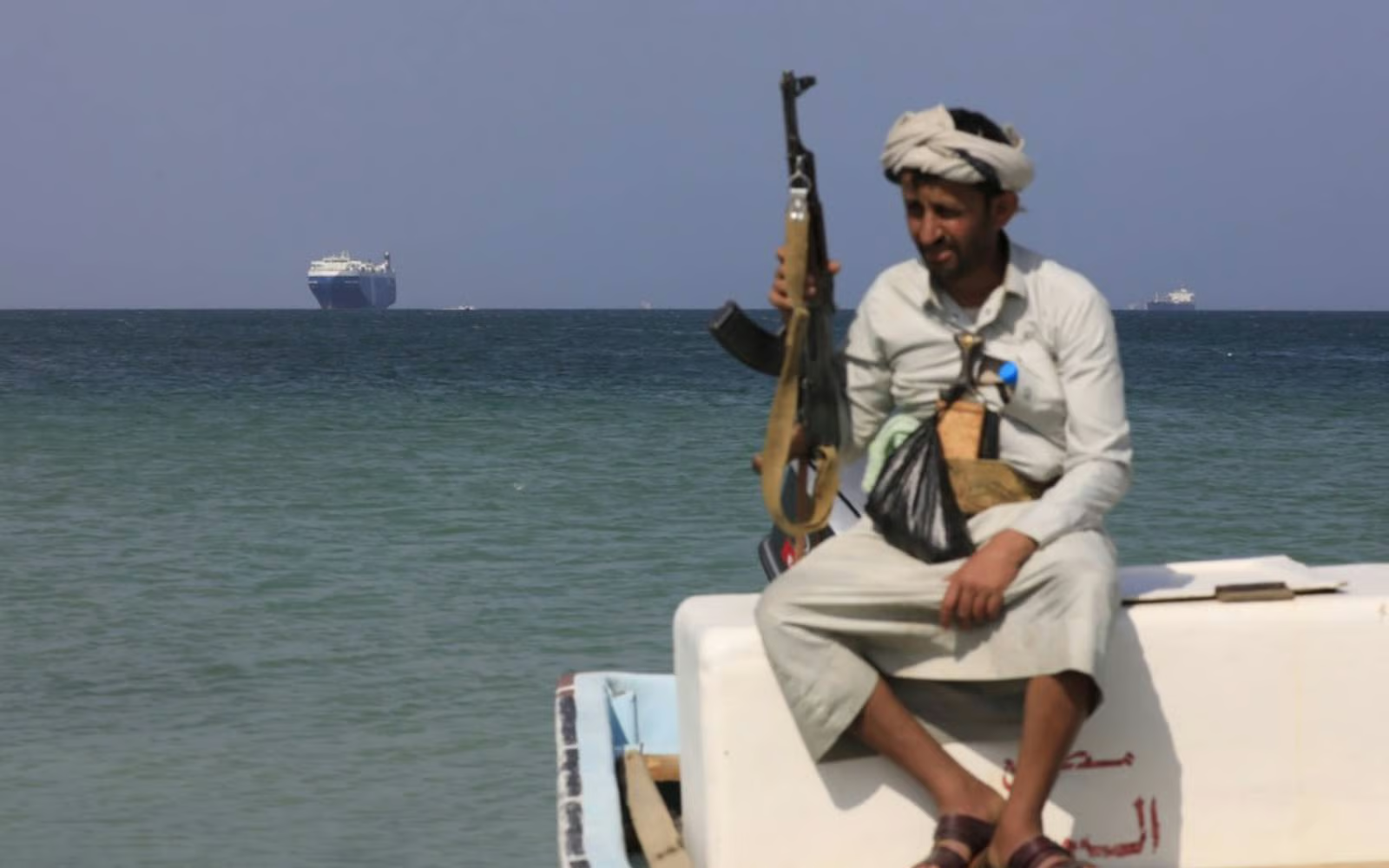
Pipeline Attack Cuts Saudi Oil Exports
For the last several months Riyadh has relied on its East-West pipeline to export over 4 million barrels a day — roughly 4% of global oil supply — via northern and southern routes out of the Red Sea.
But last week Iraqi militias — likely operating with Houthi coordination, under the guidance of Islamic Revolutionary Guard Corps advisers — attacked the pipeline itself, choking off that export option.
The damage could take a month or more to repair, intensifying economic pressure on the US and its allies.
Houthis Seize Bab al-Mandeb Chokepoint
The Houthis — an Islamist rebel group that has sought to oust Yemen’s internationally recognized government since the early 2000s — profess a slightly different strain of radical Shiite Islam than their patrons in Tehran.
But their slogan is almost identical: “God is great, death to America, death to Israel, a curse on the Jews, and victory to Islam.”
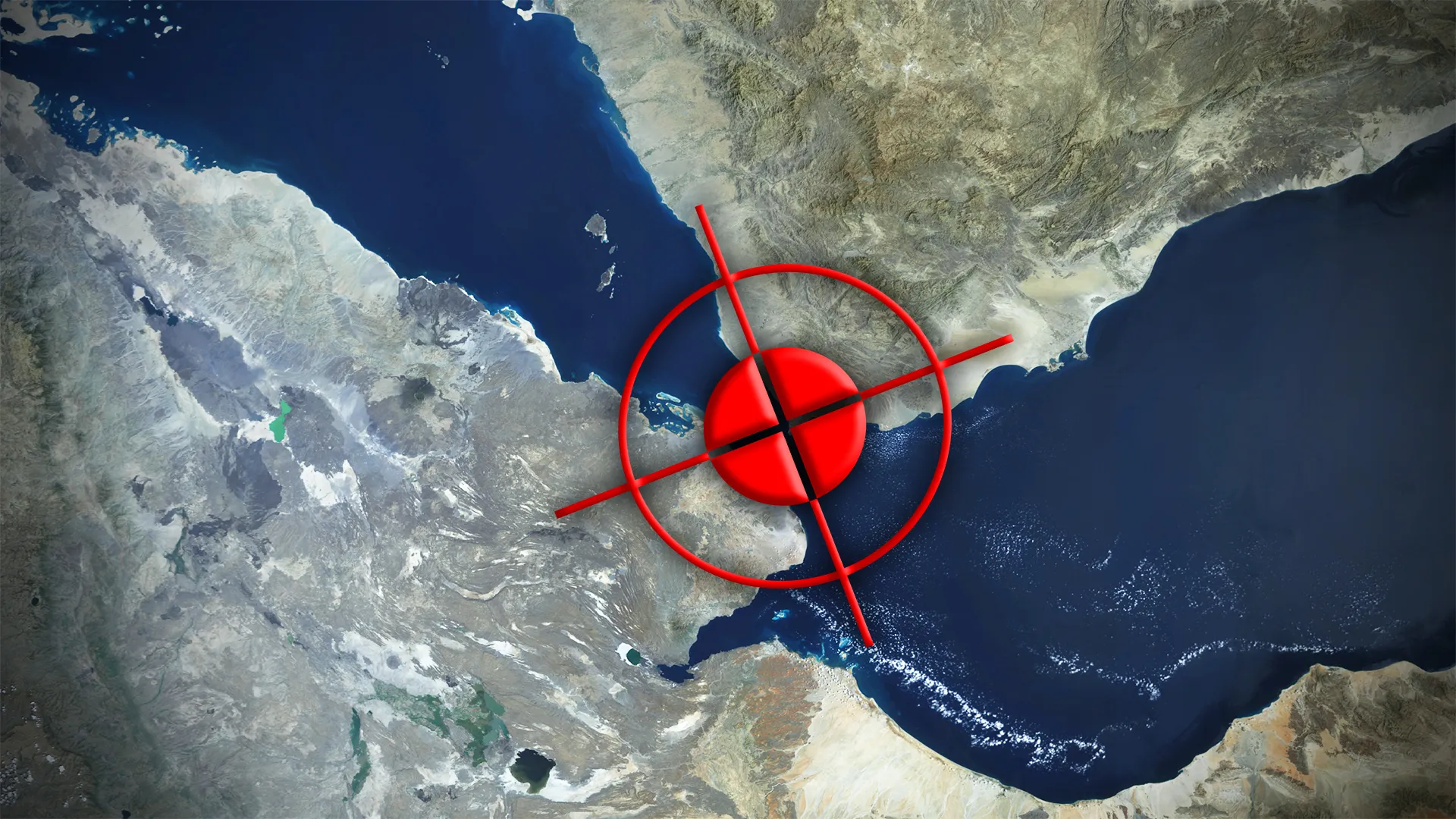
At the same time as the pipeline attack, Houthi militias marched down Yemen’s Red Sea coast and seized Bab al-Mandeb, the waterway’s southern chokepoint, from Yemeni government forces.
By holding the territory along the Red Sea’s narrow entrance and the island inside it, the Houthis can effectively control transits through the key waterway.
Iran-Houthi Oil War Threatens Global Markets
The Houthi military spokesman, Yahya Saree, said, “Maritime navigation is safe for all companies except for Saudi vessels.”
But Iran and the Houthis are unlikely to remain so benevolent for long, now that Tehran has successfully turned the conflict with the United States into a war over energy markets.
Oil prices have already climbed in response: AAA reported that the national average gas price this week reached its highest point since June, hitting $4.32 on Tuesday.
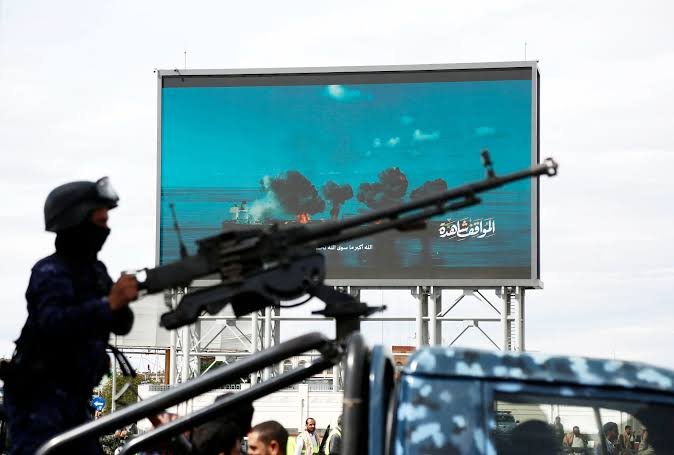
Houthis Seek to Rule Yemen
But the Houthis have goals of their own beyond Iran’s wartime aims: They want to rule Yemen as its official government.
And Saudi Arabia, as the primary backer of the Republic of Yemen, is the key hurdle to their domestic ambitions.
The terror group hopes that pressure on Riyadh — exerted through attacks on the kingdom and its energy infrastructure, and Houthi control of the Red Sea — will force them into a deal.
That’s a dangerous prospect, for Riyadh, for Washington and for the world.
Washington Must Target Houthi Finances
Instead, the United States must commit to supporting Saudi Arabia in driving the Houthis back from their strategic positions on the Red Sea coast.
The Treasury Department can target the Houthis’ financial lifelines by sanctioning exchange houses, financial institutions and front companies — particularly in Oman — that facilitate transactions on behalf of the group.
Furthermore, Treasury should identify and block Houthi crypto wallets, an increasingly important resource for its war machine.
And Washington needs to seriously consider increasing its operational support of Riyadh, including potential US airstrikes, in the effort to free southern Yemen from this terrorist group.
It makes little sense to continue striking Iran while granting immunity to one of its key proxies.
Iran-Houthi Oil War Demands Decisive Action
In the days after the Houthi advance, President Donald Trump said that its leaders had asked Washington not to intervene, on the grounds that their grievance is against only one country — by implication, Saudi Arabia.
But the Houthis, like the regime in Tehran, consider themselves to be engaged in a perpetual war against the United States.
Trump seems loath to end the cease-fire that began in 2025, after his administration conducted a seven-week bombing campaign against the Houthis.
Since then, the Houthis have not targeted American ships to avoid incurring damaging airstrikes.
But ultimately, the Iranian threat to the Red Sea will persist as long as the Houthis occupy the coast.
Anything short of their removal is just a half-measure that buys time for Houthi terrorists to dig in further.