
The United States cannot match Russian and Chinese nuclear exports because its decentralized industry lacks integrated financing, construction, and fuel packages, while Rosatom and Chinese state firms consistently offer complete project deliver
The Nuclear Export Race has exposed a structural mismatch between American technological prowess and the integrated project delivery that international buyers demand. The United States possesses advanced reactor designs, world-class laboratories, and a vibrant startup ecosystem, yet its export apparatus remains fragmented across private vendors, utilities, regulators, and financiers. Russia’s Rosatom and China’s state-owned enterprises, by contrast, bundle financing, construction, fuel, training, and regulatory support into single packages that reduce the institutional burden on buyer countries.
This asymmetry explains why US nuclear exports lose ground in Turkey, Egypt, Bangladesh, and Pakistan, where Russian and Chinese loans cover 85 to 90 percent of construction costs. The Nuclear Export Race is not a contest of reactor designs but of coordination capacity. Washington’s decentralized model offers flexibility at home but fails to provide the certainty and standardization that decades-long infrastructure projects require. As long as the United States refuses to assemble its pieces into a coherent export strategy, it will continue to cede market share to rivals who sell whole projects rather than isolated reactors. The consequences extend beyond commercial loss, affecting geopolitical influence and the global nuclear order.
Nuclear Export Race Exposes American Fragmentation
The United States cannot compete with Russian and Chinese nuclear exports. It has all the components of a world-class nuclear export industry, some of the world’s most advanced nuclear technology, decades of experience designing and operating reactors, a sophisticated financial system, elite universities and laboratories, and a thriving startup scene delivering new innovative technologies. But a country purchasing a nuclear power plant is not buying a reactor in isolation. Countries willing to commit to a project that could cost billions of dollars and last for decades require a level of coordination that the American nuclear export system does not offer.
How America’s Decentralized Nuclear Industry Sells Reactors Abroad
The United States pioneered the commercial nuclear industry and built the world’s largest nuclear fleet. American companies developed many of the technologies that became the global standard, and US laboratories, universities, engineering firms, utilities, and reactor vendors retain considerable technical expertise.
The American nuclear sector is also highly decentralized. Reactor companies develop technologies. Utilities or independent developers develop projects. Private investors provide capital. The Nuclear Regulatory Commission (NRC) licenses reactors. The Department of Energy (DOE) supports research and development. The State Department conducts diplomatic engagement. The Export-Import Bank (EXIM) can provide export financing. These capabilities exist across separate institutions rather than as a single integrated package.
The American model relies on individual companies selling individual technologies. Russia and China, by contrast, have organized their nuclear programs to deliver comprehensive project packages.
How Rosatom Bundles Financing into Russian Nuclear Exports
Russia’s nuclear-export model is centered on Rosatom, the state nuclear corporation that integrates much of the country’s civilian nuclear industry.
Rosatom‘s international offering extends well beyond reactor technology. Its export model can encompass engineering, procurement and construction, nuclear fuel, training, infrastructure development, regulatory assistance, services, and financing. The Russian government also maintains a diplomatic infrastructure dedicated to promoting Russian nuclear technology abroad.
Most importantly, Russia has demonstrated a willingness to make financing part of the nuclear product itself.
Moscow Covers Most Construction Costs
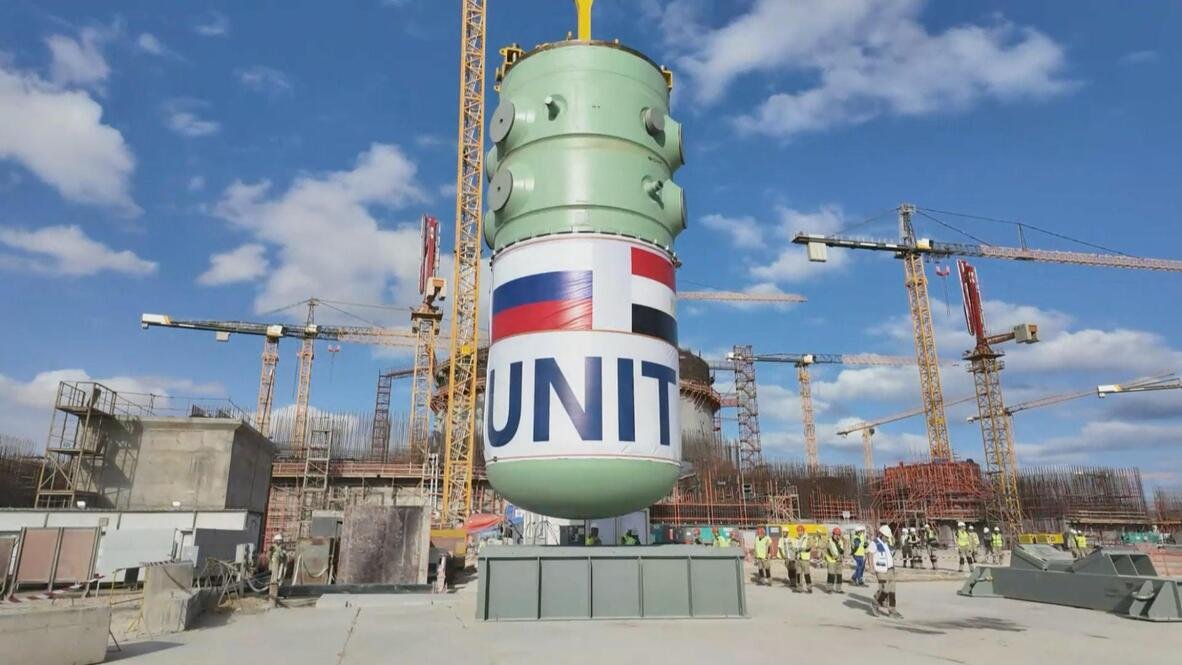
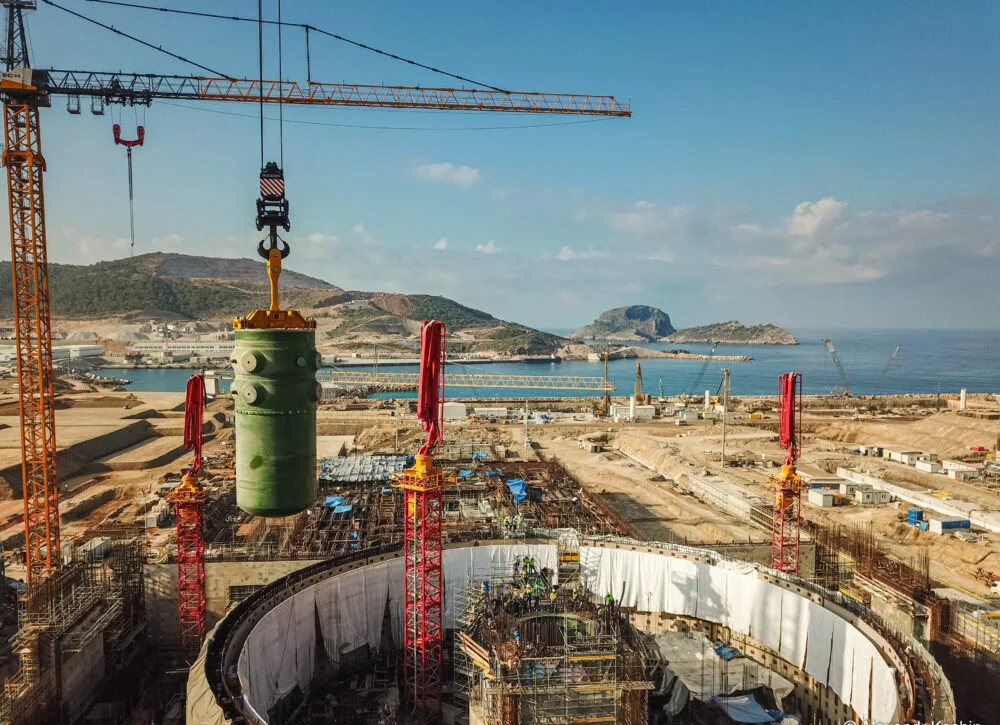
The Akkuyu project in Turkey is perhaps the clearest example. Rather than simply selling Turkey four reactors, Rosatom structured the project around a build-own-operate model in which Russian entities finance, build, own, and operate the plant. The project is supported by a long-term power purchase agreement with Turkey’s state-owned electricity wholesaler.
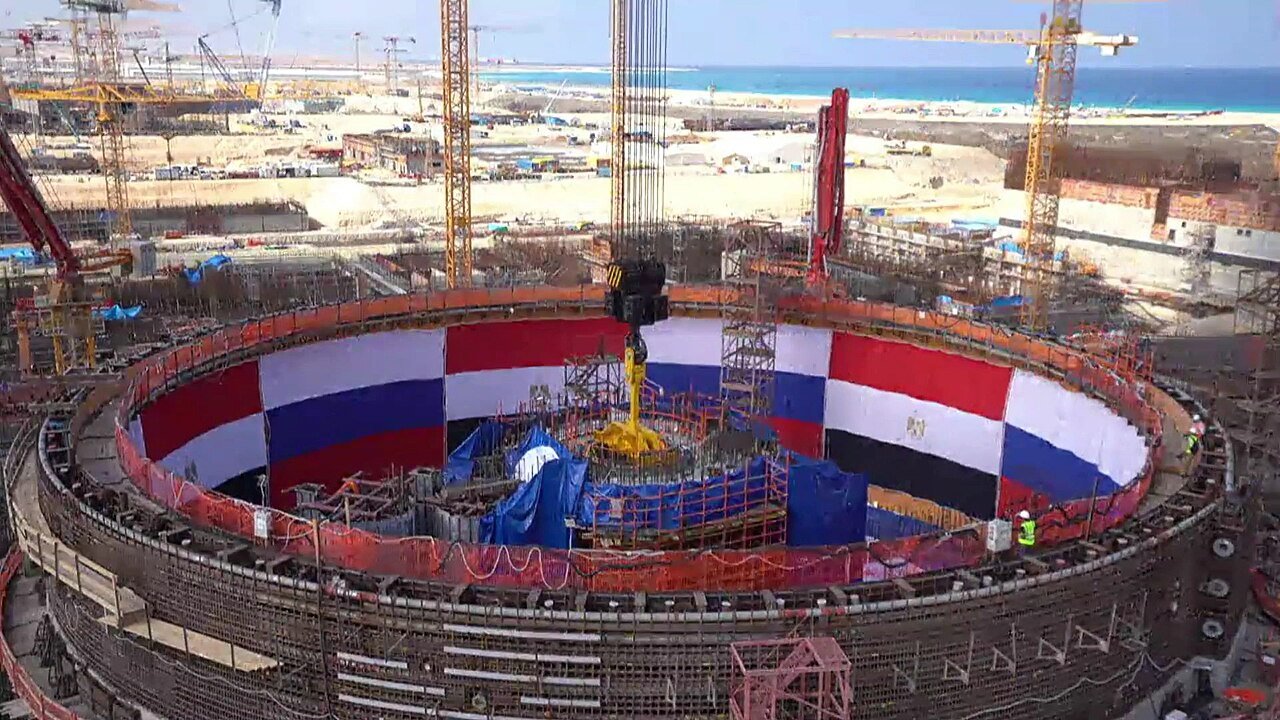
Egypt provides another example. Russia agreed to construct four VVER-1200 reactors at El Dabaa and arranged a Russian state export loan covering 85 percent of the project’s cost. The agreement also encompasses fuel supply, used-fuel arrangements, training, and development of regulatory infrastructure.
Bangladesh‘s Rooppur project similarly relies on Russian financing that covers approximately 90 percent of its construction cost.
In addition to technology and financing, Russia provides construction, fuel, training, and long-term services packaged into a single government-supported proposition. For a country trying to build its first nuclear plant, that can dramatically reduce the number of institutions it must assemble on its own.
How China’s Domestic Reactor Buildout Powers Its Nuclear Exports
China’s nuclear industry is dominated by large state-owned enterprises, including China National Nuclear Corporation (CNNC) and China General Nuclear Power Corporation (CGN). These companies operate within a national system that has been building reactors at a scale unmatched by any other country.
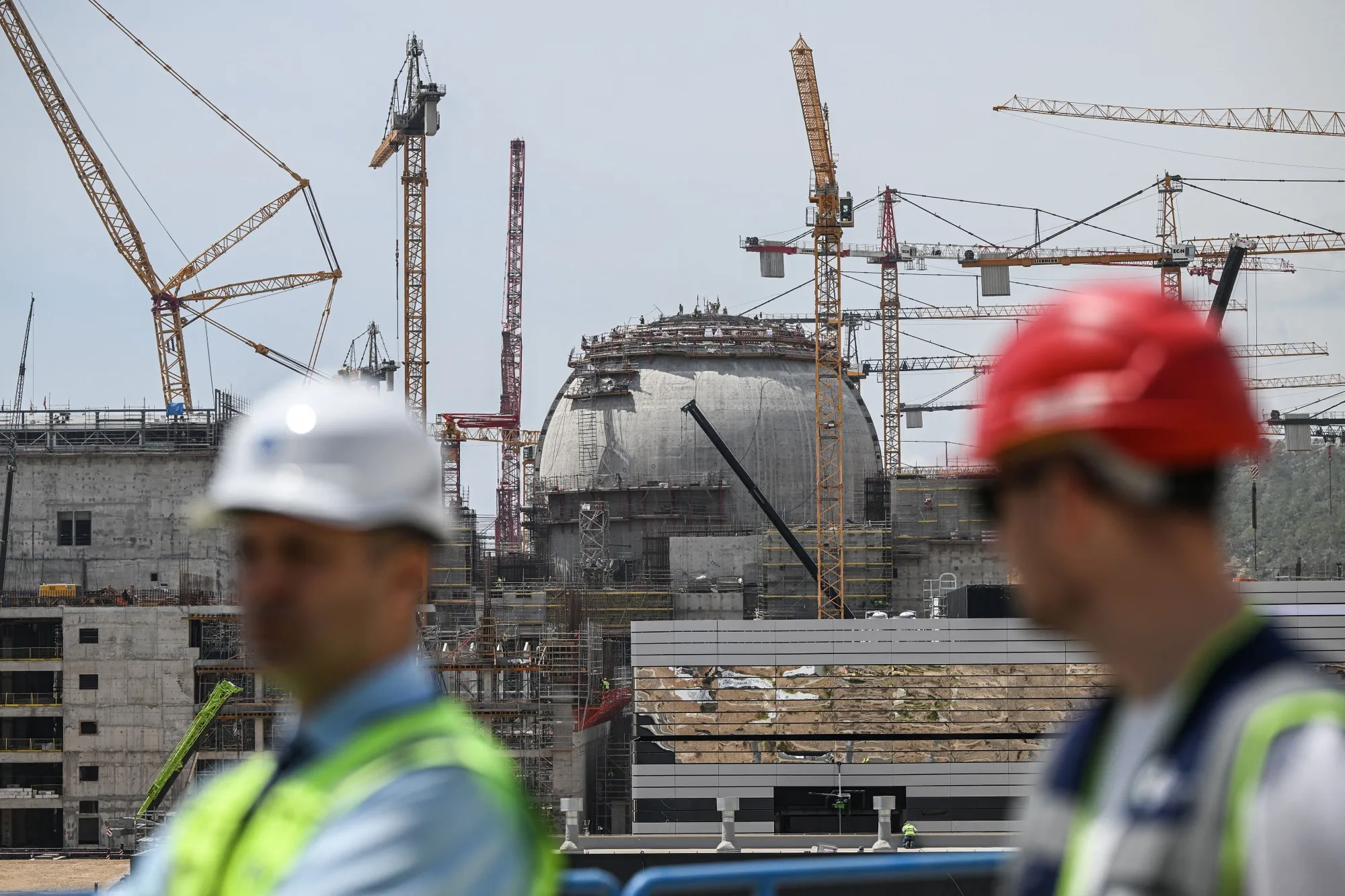
As of January 2026, China had 36 reactors under active construction, more than half of the 66 reactors under construction worldwide. Nine of the 10 reactors whose construction began in 2025 were in China.
China Combines Industry With Export Financing
That domestic construction machine is itself a source of international competitiveness. Every reactor constructed at home generates another cohort of engineers, project managers, construction workers, manufacturers, suppliers, regulators, and technicians with experience delivering a nuclear project. Repeated construction allows companies to standardize designs, develop supply chains, accumulate institutional knowledge, and refine project execution.
China has also demonstrated its willingness to combine this industrial capacity with export financing. In Pakistan, Chinese companies have supplied multiple reactors, including the Hualong One. For the fifth Chashma unit, CNNC agreed to provide approximately 85 percent of the estimated construction cost. Chinese companies have similarly provided substantial financing for previous Pakistani reactors.
China therefore possesses something the United States currently lacks at comparable scale—a huge domestic market in which its nuclear industry can repeatedly build standardized reactors while simultaneously developing an export industry. China does not need every foreign project to serve as a test of whether its nuclear industrial base can function. Its industrial base is continuously exercised at home.
Nuclear Export Race Needs Integrated Model
The nuclear export competition is not a contest between reactor designs. A project requires technology, financing, construction capability, fuel, regulatory support, a workforce, supply chains, political agreements, and confidence that the vendor will still be there decades after the first concrete is poured.
Russia has constructed an export system around providing those pieces together. China is constructing one around the combination of enormous domestic deployment, state-owned enterprises, financing, and increasingly capable export projects.
The United States has many of the individual pieces. Its difficulty assembling them into a consistently competitive package is the central weakness of the American position.
Nuclear power plants are decades-long industrial infrastructure projects. The American system offers flexibility and choice, while international developers prefer certainty and standardization. As long as America refuses to recognize this disconnect, its nuclear export industry will be unable to compete.