
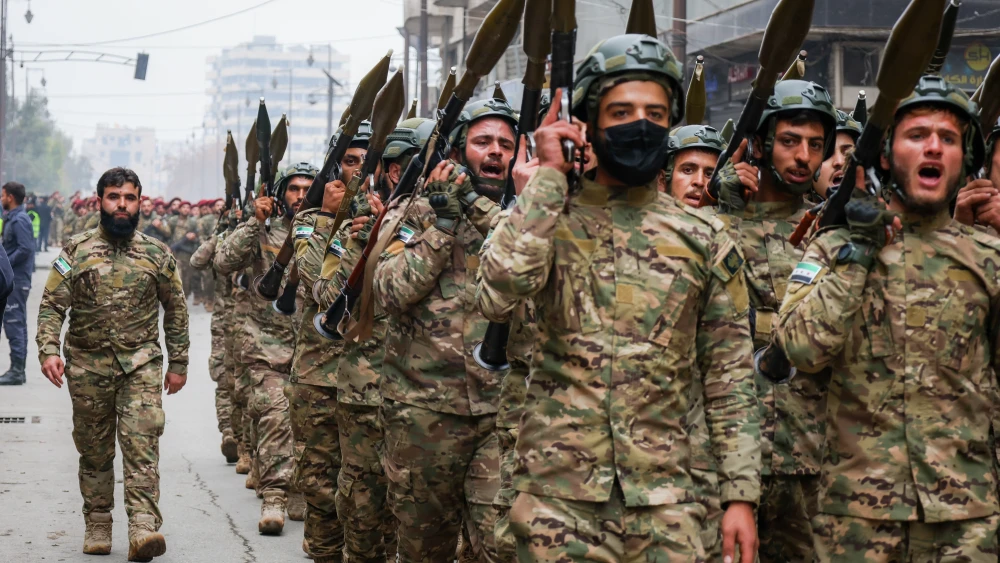
Syria asks Saudi Arabia to help accelerate Pakistani weapons deliveries and allow direct procurement from Islamabad, aiming to bypass Russian dependency, Iranian paramilitaries, and Western sanctions while rebuilding its army.
Damascus Seeks Pakistan Weapons
According to an October 10, 2026, report in the independent Lebanese news portal Al-Modon, Syrian President Ahmed al-Sharaa asked Saudi Crown Prince Mohammed bin Salman to encourage Pakistan to accelerate weapons deliveries to Syria and to enable Damascus to procure weapons directly from Islamabad. Syrian analysts note that the transitional Damascus government views Pakistan as a crucial “sovereign buffer.” By shifting procurement away from Syria’s historic dependency on Russian hardware or Iranian paramilitaries, Syria intends to acquire Pakistan’s highly modular, low-cost domestic weapons systems and bypass Western sanctions while rebuilding and modernizing the Syrian army.
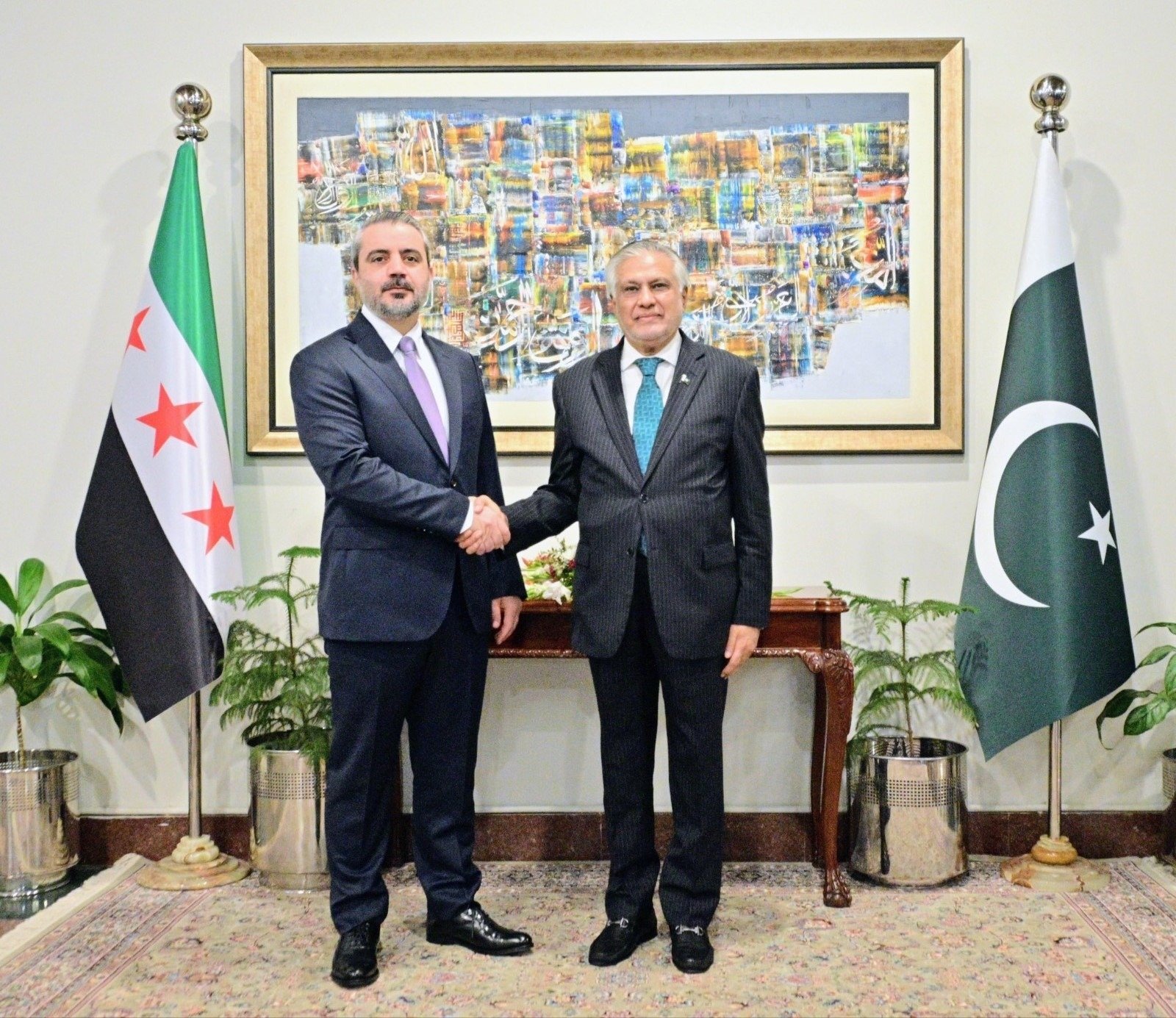
These developments follow a series of high-level engagements that suggest growing Syrian interest in Pakistan. On August 19–20, 2026, Foreign Minister Asaad al-Shaibani visited Islamabad, the first visit by a Syrian foreign minister to Pakistan in 19 years, to discuss defense cooperation, security, trade, and investment. Pakistan reaffirmed its support for Syria’s sovereignty, territorial integrity, and position on the Golan Heights.
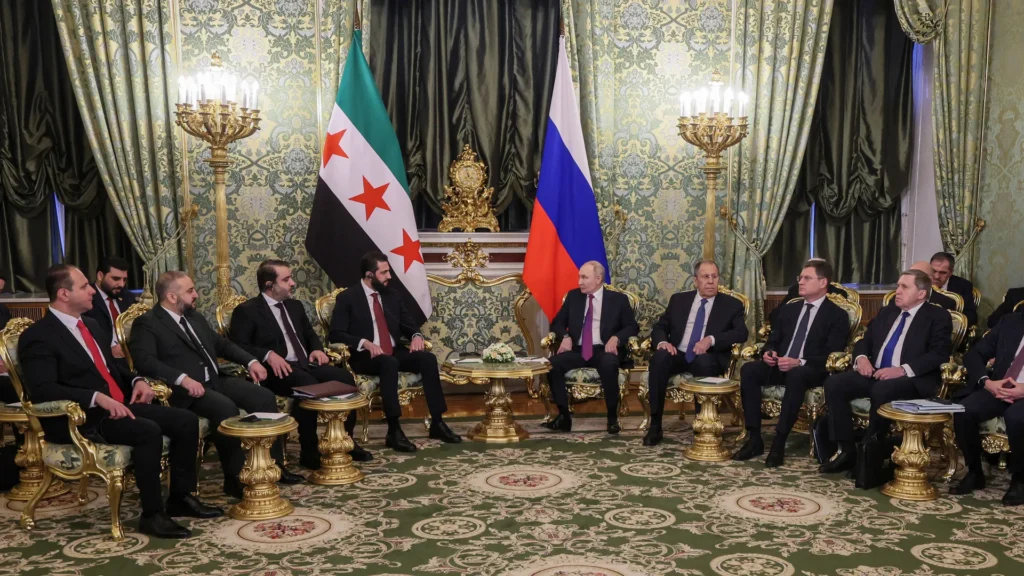
Pakistan-Syria Military Ties Expand
That visit came shortly after Saudi Arabia, Pakistan, and Turkey signed the Mecca Joint Defense Agreement. Pakistan also condemned Israeli airstrikes on Syria’s Abu al-Duhur airbase, which Israel stated were intended to prevent a potential Turkish military deployment. Syria’s official Syrian Arab News Agency amplified Pakistan’s statements, framing Pakistan’s anti-Israel posture as a potent geopolitical shield.
Pakistan’s media, meanwhile, now promote Pakistan-Syria ties as reflecting the Pakistani military’s “institutional prestige” in exporting training, doctrines, and security to post-conflict Arab nations.
Pakistan’s commercial desire to expand its military markets also drives its outreach to Syria. Islamabad is positioning its domestic aerospace and counter-drone systems—such as the JF-17 Thunder fighter platforms and advanced electronics—as ideal assets for nations looking to build defense networks independent of Western or Russian end-use restrictions. Because Pakistan maintains close defense ties to China and arguably acts at times as a Chinese proxy, Pakistani military supply to Syria could effectively expand Chinese markets as well.
Mecca Pact Raises Domestic Doubts
Pakistanis debate the wisdom of joining the Mecca Pact or, for that matter, taking on other foreign commitments in places like Syria at a time when Pakistan faces inflation, economic volatility, and security challenges on its own borders.
Turkey remains a factor in this dynamic. Ankara has strategic interests in Syria and seeks to influence the country’s new political and security order. Closer Turkish coordination with Pakistan could provide an alternative channel through which Syria could rebuild its military capabilities. Pakistani defense analysts look at this trilateral landscape as a means to dismantle a perceived “India-Israel regional nexus.” By establishing a concrete logistical foothold in the Levant, Islamabad creates a direct counterweight to India’s deepening technological and intelligence partnerships inside Israel.
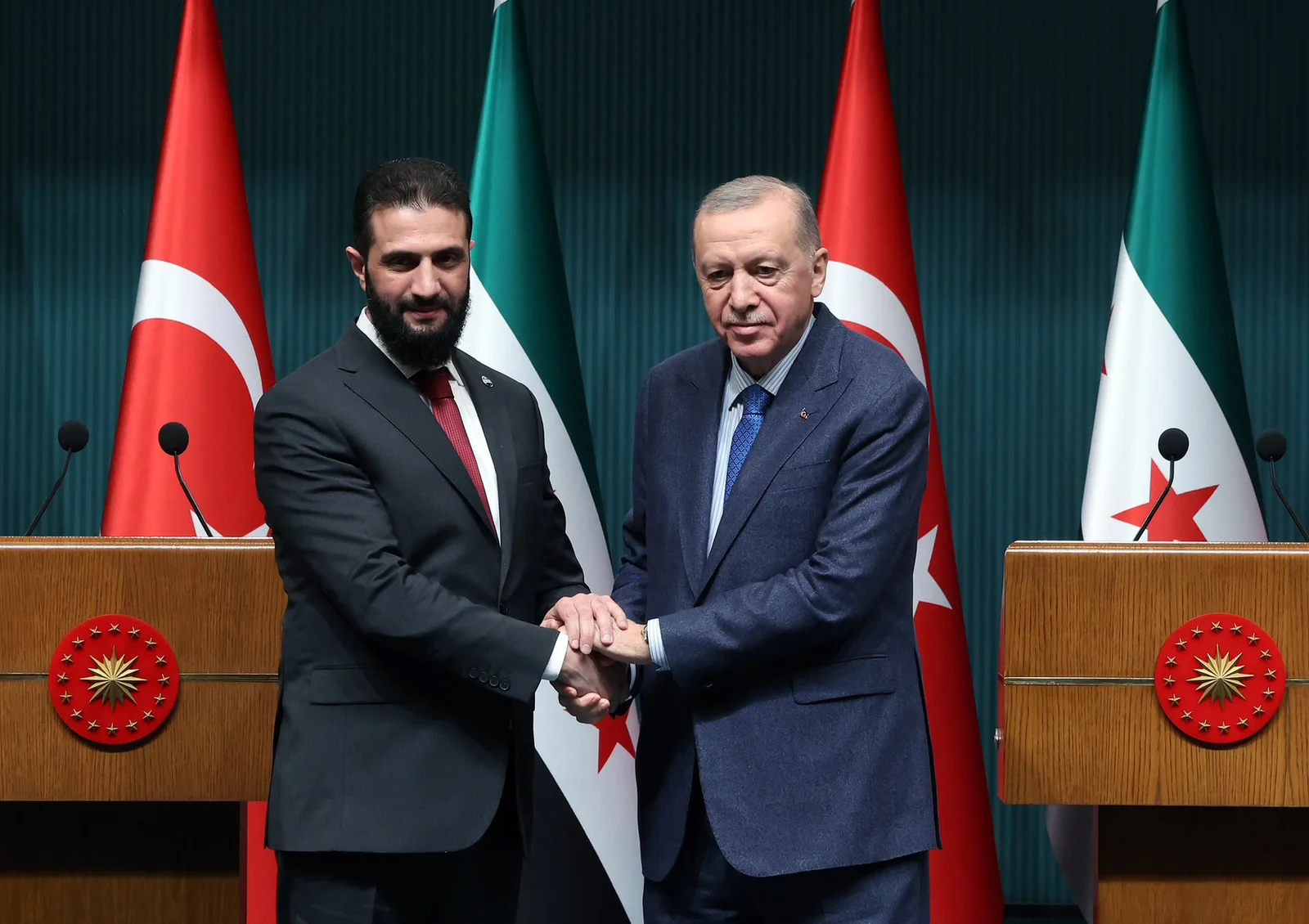
Pakistan-Syria Military Ties Irritate Washington
A Saudi-Pakistan-Turkey relationship that embraces Syria could complicate Washington’s longer-term strategic calculations. If these countries deepen their military relationships with Syria, their collective influence could constrain Israeli freedom of action and create new challenges for U.S. regional policy.
The central issue is not simply Syria’s efforts to rebuild its military capabilities, but the role that Pakistan could play in that process. Whether these emerging connections develop into a more coordinated security arrangement remains uncertain. Nevertheless, Pakistan’s growing engagement with Syria serves as a potential irritant in the regional balance of power.