
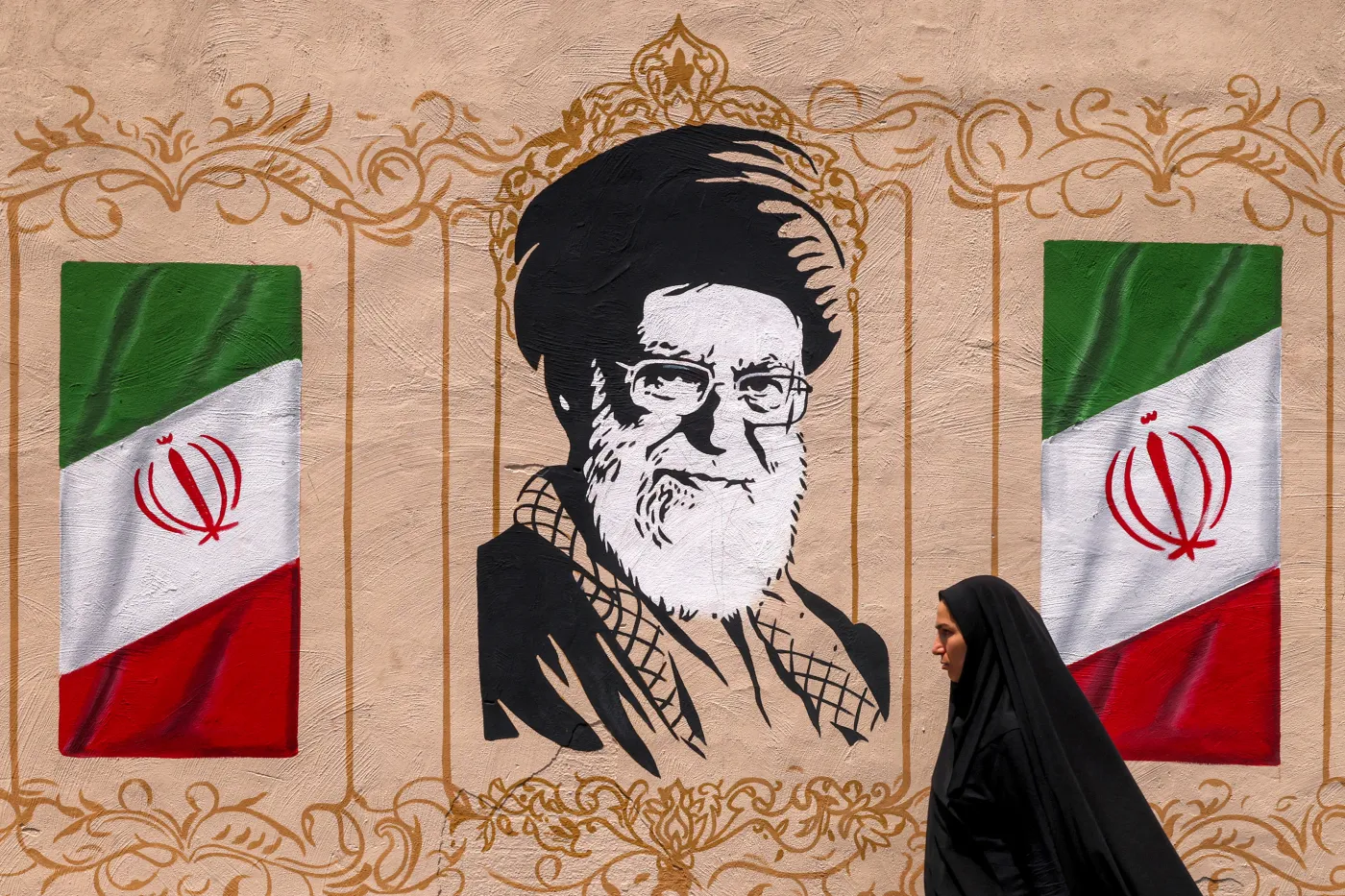
Iran’s 2026 war with the United States reinforces Tehran’s belief that Washington seeks regime change. The conflict accelerates a shift from proxy deniability toward overt missile coercion and regional diplomacy with Gulf states.
The 2026 war with the United States has not ended Iran’s strategic confrontation; it has reinforced Tehran’s conviction that regime change remains the central American objective. The 1980s taught the Islamic Republic that it could not win a direct fight, so it built a shadow war machine. Now, after two more conflicts, Iran is drawing new conclusions. Iran Regime Change fears are not Washington rhetoric to Tehran; they are the organizing principle of four decades of resistance.
This belief shapes everything: missile development, proxy support, nuclear hedging, and refusal of American overtures. The latest wars have accelerated a shift from deniable proxy operations toward more overt missile and drone coercion. Iran Regime Change assumptions in Washington may read the damage as weakness, but Tehran sees denial of a superpower’s war aim as strategic victory. The result is likely an Islamic Republic that couples open military menace with regional diplomacy, forcing Gulf states to hedge. Washington must decide whether continued pressure or calibrated regional accommodation will shape the Iran that emerges. The answer will determine whether the next decade brings extended deterrence or a more dangerous, less predictable direct confrontation.
What Iran Learned From 1980s War
Wars don’t just end. They get interpreted, reinterpreted, and turned into strategic doctrine. That is what happened after the Iran-Iraq War of the 1980s, a conflict that saw the United States back Tehran’s Iraqi adversaries. The war taught Tehran three lessons it never unlearned: that Washington wants the Islamic Republic gone, that Iran stands essentially alone in the world, and that it cannot survive a direct, overt fight with the U.S. and Israel. In other words, it can only prevail through an indirect, ambiguous confrontation. Those lessons have governed four decades of Iranian behavior: the support for proxies like Hezbollah and the Houthis, the nuclear brinkmanship, and the refusal to trust any American overture.
Now Iran has fought two more wars, in 2025 and 2026, and it is drawing new lessons on top of the old ones. Washington should pay close attention to what those lessons are, because they will shape Iranian strategy for years to come.
Iran Regime Change Fear Endures
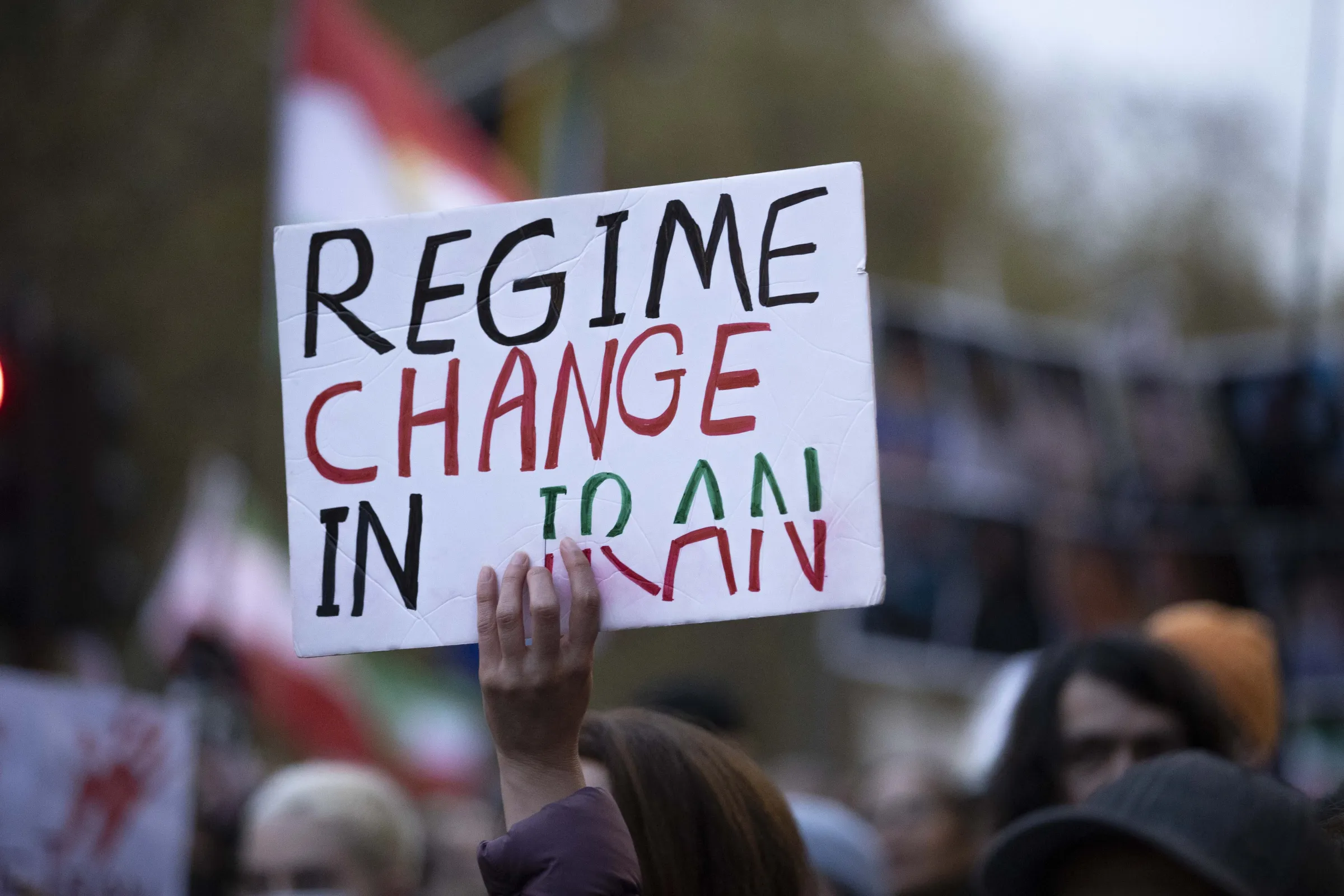
One takeaway is that the latest two conflicts are just a continuation of a war Iran has been fighting with America over regime change for more than four decades, when the Iran-Iraq war was viewed, in the words of Iranian revolutionary leader Ayatollah Ruhollah Khomeini, as “America’s hand coming through Saddam’s sleeve.”
The temptation in Washington will be to read the damage inflicted on Iran during the 2026 war as having rendered Iran weak and vulnerable.
While Iran’s infrastructure and economy were battered, the reading that Iran is strategically weaker is likely to be wrong, and dangerously so. Iran will believe that it, like North Vietnam at the end of its war with America, successfully denied the largest military on earth its goal of regime change. And regardless of how the war ends, Iran will cling to the core belief that has anchored its foreign policy since 1988: that the dispute with the United States was never really about the nuclear program, or missiles, or any other specific policy file. It was, and will remain, about the nature of the regime in Tehran itself.
Every American escalation since the 2018 withdrawal from the nuclear deal—from the maximum pressure sanctions campaign, the killing of Quds Force commander Qassem Suleimani, and now two wars in two years—has only deepened that conviction in Tehran. Diplomacy, when and if it happens, will be conducted by a government that sees it as risk management, not reconciliation. Of course, Tehran’s distrust of the potential for rapprochement has been mirrored in Washington due to Iran’s long history of eliminationist rhetoric aimed at Israel and its commitment to rid the region of U.S. influence.
Tehran Steps Out of the Shadows
What is genuinely new is how Iran will likely choose to defend itself going forward. For decades, Tehran hid behind an “axis of resistance”—Hezbollah, Hamas, Iraqi militias, and the Houthis—precisely because it could not match American or Israeli power directly. The ambiguity and deniability of never quite being the one to pull the trigger was the whole point. It let Iran deter its enemies without inviting the kind of direct war it could not win.
That logic has been dying since Hamas’ attack on Israel in October 2023, and the wars of the past two years have likely accelerated Iran’s shift to another strategic logic involving more direct confrontations. Israel showed it could and would strike Iranian soil and Iranian officials directly, proxies or no proxies. As a result, Iran has emerged from the shadows and is no longer hiding behind its militias.
Expect More Overt Iranian Escalation
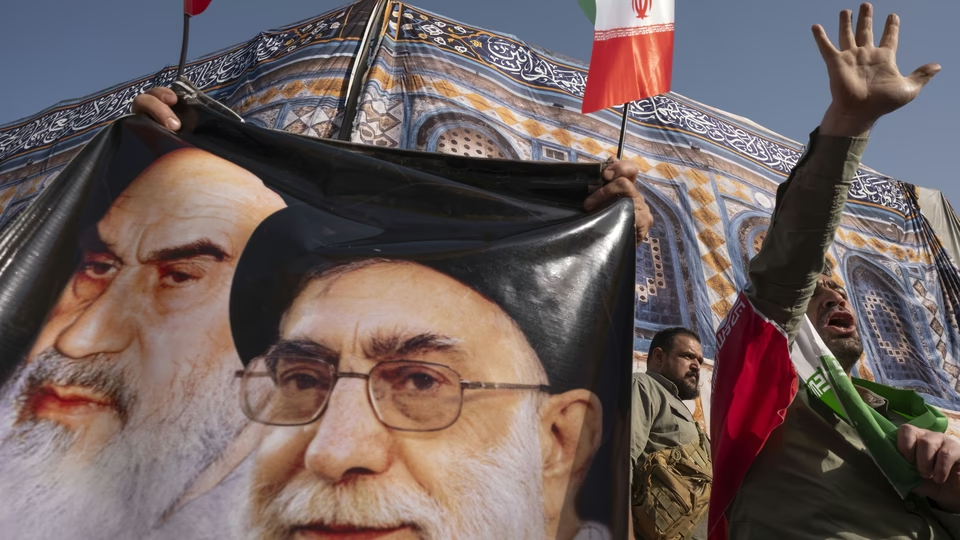
Expect a more overt Iran from the 2026 war, one that leans less on militias alone and more on its own missiles, drones, and the standing threat to choke off the Strait of Hormuz. The goal isn’t victory in a conventional sense; instead, it’s making further escalation in this war and any future war too costly and chaotic for Washington and Jerusalem to consider. Whether that gamble makes Iran safer or simply more likely to stumble into the next war is an open question, and the central one for the region’s near future.
Postwar Iran Balances Menace and Diplomacy
Iran’s postwar foreign policy is likely neither the darkest nor the rosiest scenario. Iran is unlikely to retreat into pure “fortress” isolation—treating the Gulf states as hostages and giving up on diplomacy altogether—given the need for ideology to give way to economic exigencies. Nor is it likely to pursue a Vietnam-style transformation by trading resistance for regional integration. That kind of transformation, if it comes at all, is a project of decades, not months or even years.
The more likely path is a harder one for Washington to counter: an Iran that keeps its finger on the trigger while engaging in diplomacy with its Gulf Arab neighbors, offering trade and stability with one hand while holding the threat of missiles and a closed Strait of Hormuz in the other. In other words, combining menace with diplomacy is likely to be the recipe, given Iran’s perceived need to actively deter its enemies but also to address the economic woes and resultant social discontent it will face after the shooting stops.
Iran Regime Change Assumptions Backfire
This approach could work. The 2025 and 2026 wars haven’t just battered the Islamic Republic; they have also unsettled its neighbors. Gulf Arab states watched Iranian missiles fly and, at the same time, watched Washington’s commitment to their security look less steadfast than advertised. That double exposure has left several Gulf capitals quietly asking whether their long-term security lies in permanent dependence on the United States or in some accommodation with Tehran as a strategic hedge.
Given these lessons, Washington’s task is not to persuade Tehran that regime change isn’t the goal, but to shape what Iran does with the confidence and the anger it takes out of this war. The instinct to double down on containment, arming Israel and the Gulf Arab states to box Iran in, is understandable. It is also likely to backfire, as before, confirming Tehran’s worst assumptions and potentially endangering Gulf states with further Iranian aggression.
The better bet is to make room for exactly the kind of regional diplomacy Iran itself may now be inclined to try, and to judge any resulting arrangements not by whether they resolve everything, but by whether they move Iranian behavior in a more constructive direction.
Washington Must Shape the Aftermath
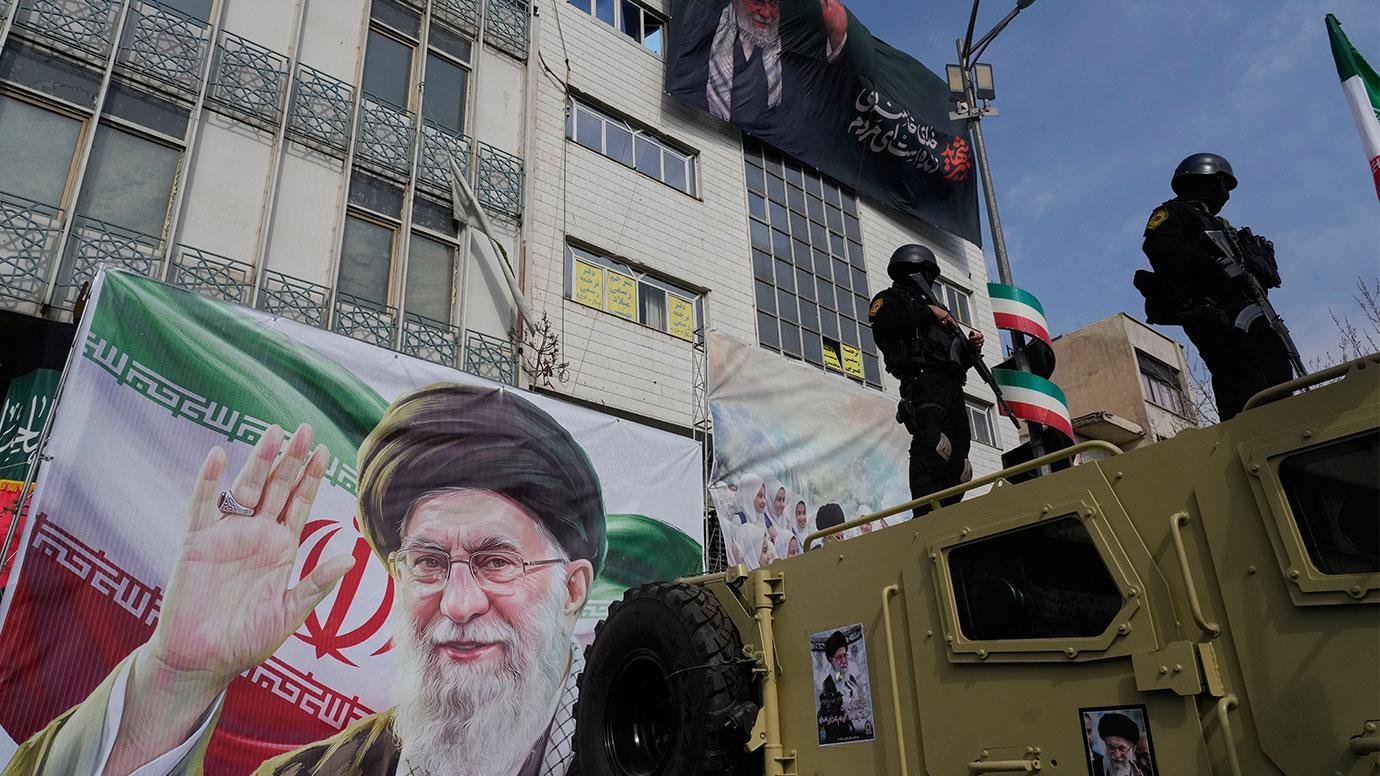
The United States has spent four decades assuming enough pressure would eventually break Iran’s strategic calculus of resistance to U.S. efforts in the region. It never has. The Islamic Republic’s leaders believe they have been fighting one long war with Washington since 1979, and everything in the past two years has validated that.
The only real question left is what kind of Iran comes out the other side, a cornered one, or one looking, warily, for a way to change the terms of the fight. The answer isn’t written yet. But American policy over the next few years will help write it.