
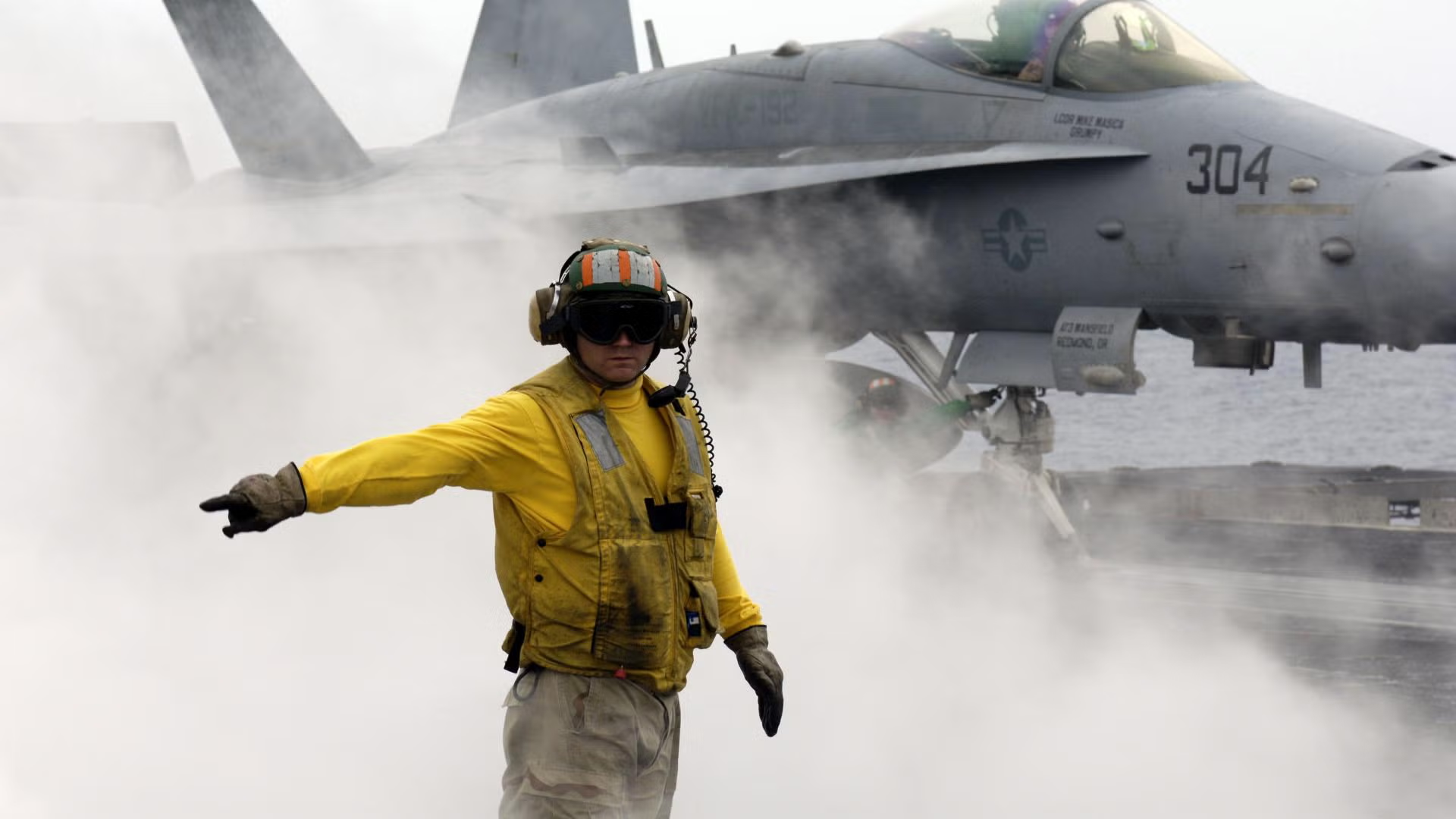
Trump’s Aug. 13 order directs the Navy back to steam catapults despite the Ford’s 11,000 electromagnetic launches, lower crew needs, and $100 million annual savings. Redesigning the Doris Miller adds billions and delays readiness further.
President Donald Trump’s Aug. 13 executive order directing the Navy back to steam-powered catapults reverses a proven technological advance and deepens a fleet readiness crisis that six months of war with Iran has already made acute. The Steam Catapult Order arrives as carrier deployments stretch past 260 days, repair yards fall years behind, and retention slides. Electromagnetic catapults on the USS Gerald R. Ford have completed more than 11,000 launches in a single 11-month deployment, more than steam systems could sustain, while requiring roughly 500 fewer sailors and saving about $100 million each year.
Reverting to steam would force redesign of the USS Doris Miller, add billions in cost, delay delivery into the late 2030s, and demand the revival of a manufacturing line dormant for nearly three decades. The Steam Catapult Order therefore does not strengthen lethality or readiness; it sacrifices them to a technology that the United States, China, and France have already superseded. The operational record, cost data, and personnel math all point the same direction. A decision framed as a return to proven mechanics actually threatens the carrier force with a smaller, older, and more expensive future.
Trump’s Steam Catapult Order Risks Readiness
President Donald Trump’s Aug. 13 executive order directing the US Navy to return to steam power for its catapults, the system used by carriers to launch fixed-wing aircraft, risks crippling fleet readiness — already at its lowest point in decades.
After six months of war against Iran, the Pentagon has extended two carrier deployments to more than 260 days and will probably do the same with their replacements. The government’s repair yards will take years to work through the maintenance backlog, and many of the best sailors will almost certainly leave for better options. Combine that with budget uncertainty, and the Navy could go months with only one carrier deployed overseas during each of the next few years.
Redesign Costs Delay the Ford-Class
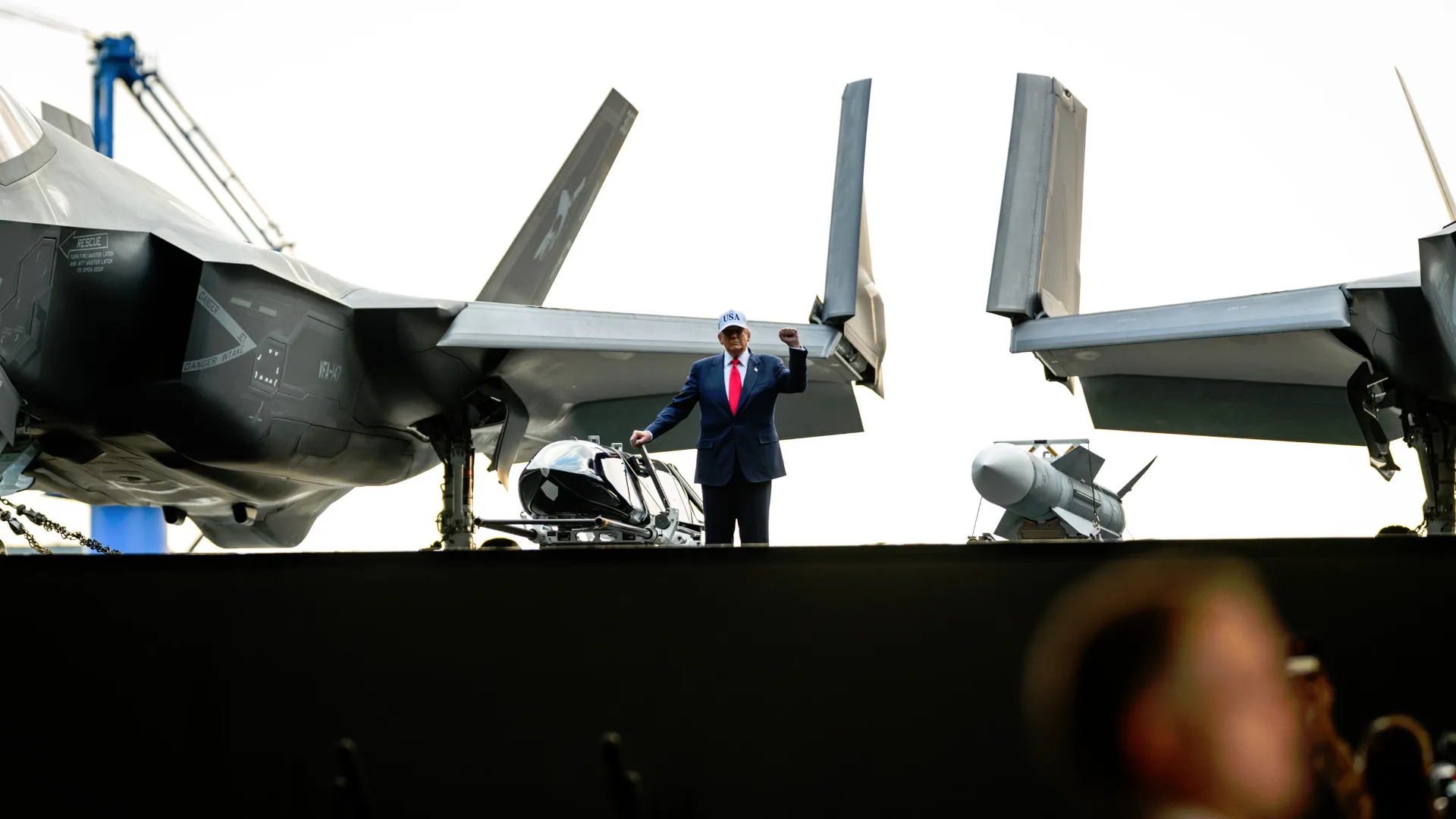
Redesigning the USS Doris Miller, already under construction, to replace its electromagnetic catapults with steam systems will exacerbate the readiness crisis. The change is estimated to cost billions of dollars and delay the ship’s launch into the late 2030s. And that’s only if the Navy can convince a manufacturer to start building steam catapults again after a nearly three-decade hiatus.
Delayed carrier production will drop the fleet to 10 flattops next year, with the USS Nimitz retiring and the USS John F. Kennedy not ready to deploy. Continued construction and redesign delays for the USS Miller would shrink the fleet to nine carriers during the next decade. The Navy would need to work the smaller force harder, wearing out its people and equipment faster, and accelerating the readiness decline.
Can Steam Match Electric Launch Tempo?
The Navy adopted electromagnetic catapults in its new carriers for the same reason rail lines shifted from steam to electric propulsion during the 20th century. Electric power has fewer moving parts, is more reliable, costs less and offers higher speeds compared with steam power.
The United States isn’t alone in moving to electromagnetic catapults. The other two countries with catapult-equipped carriers, China and France, have adopted the technology.
Why the Ford Record Matters
The Trump administration has prioritized warfighting and lethality in its strategies, budgets and military campaigns. If returning to steam catapults paid off operationally, it would make sense for the Navy to bite the bullet and make the change. But recent events show steam is the wrong choice.
During its 11-month deployment, which ended in May and was the longest for a carrier since the Vietnam War, the USS Gerald R. Ford conducted more than 11,000 aircraft launches using electromagnetic catapults, more than carriers with steam systems could achieve. Nearly all of those sorties were strike fighters that could each carry more than eight tons of ordnance and hit nearly a dozen targets.
Fewer Sailors and Lower Operating Costs
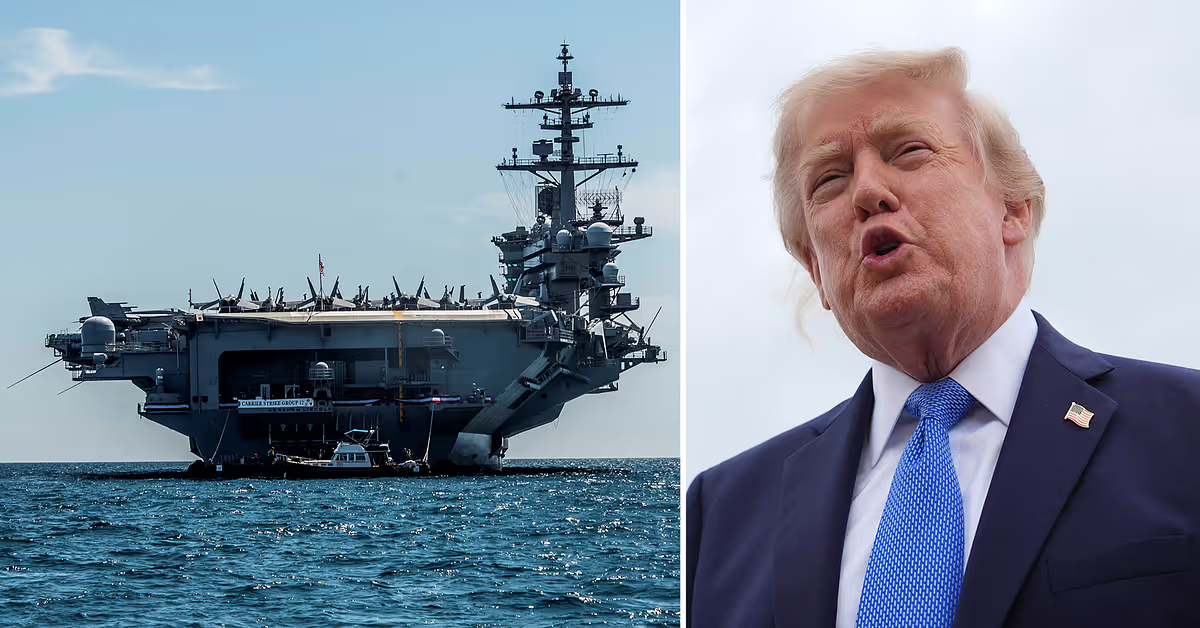
But perhaps the biggest benefit of the electromagnetic catapults are their lower cost and lighter personnel requirements. With the Navy running out of operating funds, and retention likely to plummet in the aftermath of the war with Iran, the fleet needs to make the most of every dollar and sailor.
The Ford’s crew is about 500 sailors smaller than its predecessors, largely because it is an all-electric ship outside of the engine room. Because they needed steam for catapults, older carriers also used steam for a variety of other functions throughout the ship — such as cooking equipment and water purification.
Steam Adds Maintenance and Manpower Burdens
The valves, pressure regulators and piping needed for steam services create an enormous maintenance burden for older carriers that require a division of mechanics. And the steam catapults have so many moving parts and failure modes that they require about 10 more sailors per catapult — there are four catapults on a modern carrier — than electromagnetic systems.
People are the most expensive element of running a ship. With hundreds fewer sailors and easier-to-maintain electrical equipment, the Ford costs the Navy about $100 million less per year to operate compared with its older carriers. That equals the price of almost 100 Tomahawk cruise missiles.
Why the Steam Catapult Order Fails
Steam power was cutting-edge technology in the 19th century. It is the wrong choice for a Pentagon that is leaning into artificial intelligence and autonomous systems. The Navy should stay the course with electromagnetic catapults to keep the carrier fleet strong and deliver more firepower. It could use the savings to help refill the fleet’s weapons magazines.