
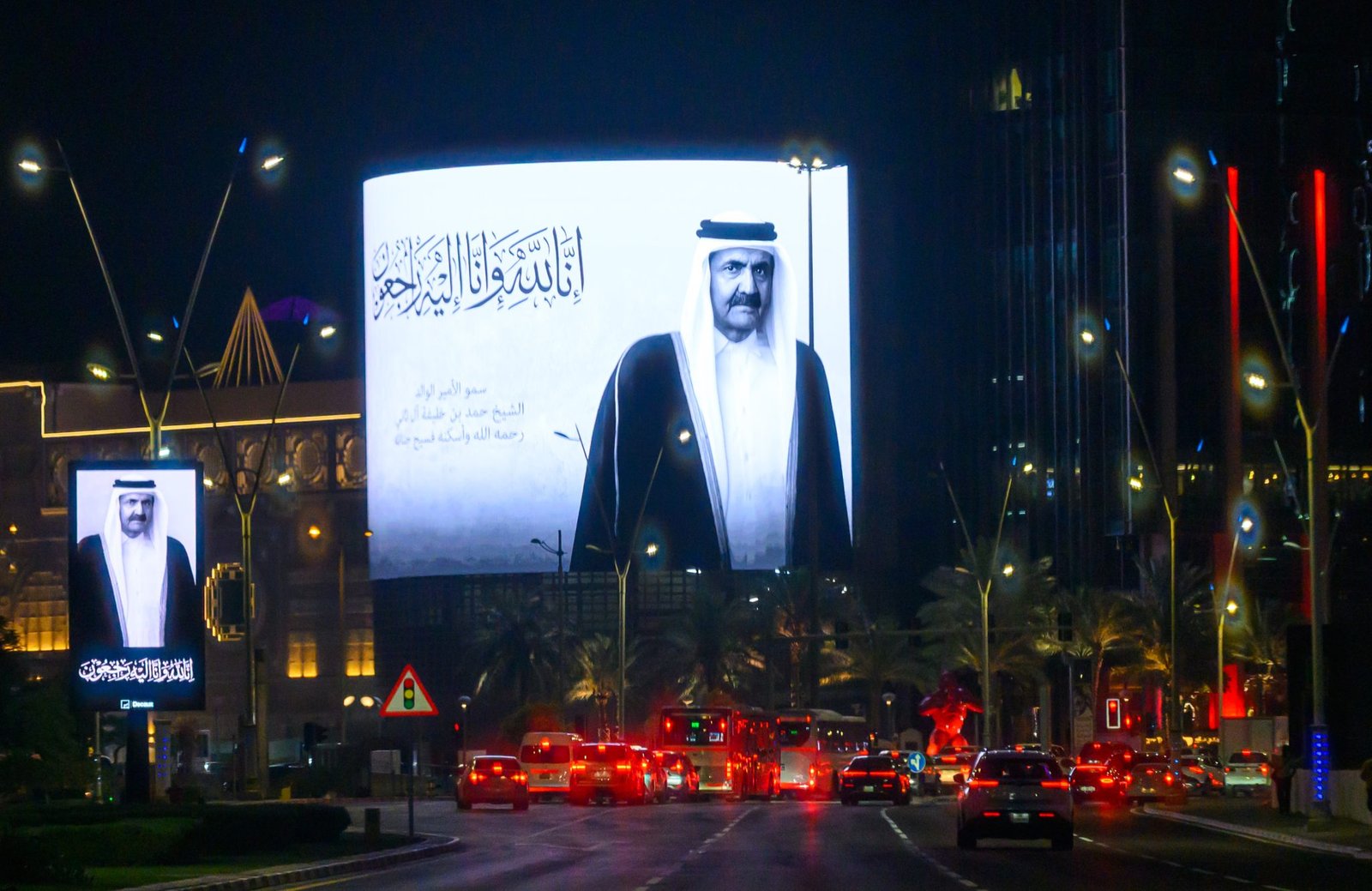
The transformation of Modern Qatar under Sheikh Hamad encompassed LNG development, the founding of Al Jazeera, constitutional mediation, a FIFA World Cup bid, and a voluntary leadership transition, reshaping its global standing.
The emergence of Modern Qatar as a uniquely influential actor dismantles the assumption that geopolitical weight is strictly a function of population or military mass. Under Sheikh Hamad bin Khalifa Al Thani, the state executed a disciplined, multi-vector strategy that converted a vast natural gas reserve into a diversified portfolio of financial, educational, and cultural assets, thereby escaping the resource curse that traps so many rentier states.
Liquefied natural gas infrastructure provided the capital, but it was the deliberate channeling of that capital into the Qatar Investment Authority, global aviation, and elite university partnerships that built structural resilience. The launch of Al Jazeera in 1996 was not simply a media venture; it was a direct assault on the region’s controlled information environment, instantly branding Modern Qatar as the epicenter of unfiltered Arab political discourse.
Simultaneously, the constitutional codification of mediation as state identity, combined with the physical hosting of high-stakes negotiations from Lebanon to Darfur, manufactured a form of influence that was relational rather than coercive. This configuration of soft and sharp power, grounded in connectivity and credibility, generated a new blueprint for small-state agency. The 2010 FIFA World Cup bid and the voluntary abdication of power to his successor merely confirmed that the institutions built were durable, not dependent on a single personality. What emerged was a state whose relevance derived from being an indispensable node in global networks of finance, dialogue, and cultural production.
Modern Qatar’s Rejection of Regional Caution
There is a question that haunts every small state: how does a nation survive and stay relevant in a region built for giants? For most of modern history, the answer offered to small Gulf states was caution: rely on external security partners, avoid confrontation, and preserve stability. The legacy of the Father Amir, Sheikh Hamad bin Khalifa Al Thani, is that he refused this answer entirely. In less than two decades, he transformed Qatar from a peninsula on the margins of regional politics into a state whose voice, capital, ideas, and diplomacy were valued on every continent. He did not merely govern a country; he demonstrated how a small state could exercise influence well beyond its size.
Betting the State on Liquefied Gas
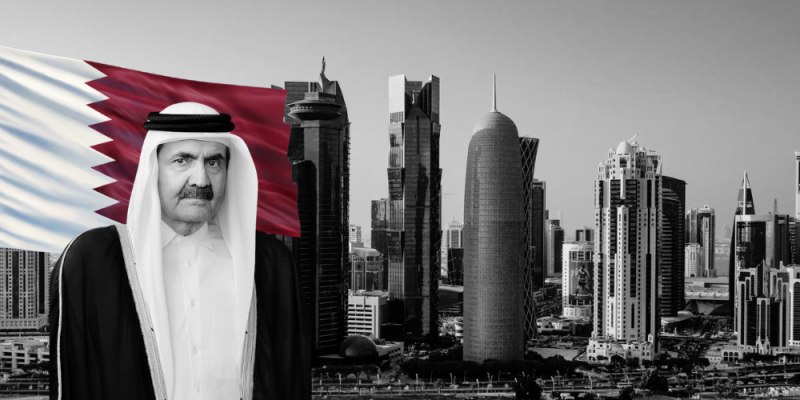
When Sheikh Hamad assumed power in 1995, Qatar’s energy and economic potential was still largely a geological rumor beneath the sea. The North Field, the world’s largest non-associated natural gas reservoir, had been known for decades, but international markets were skeptical and financing was scarce. What distinguished Sheikh Hamad was his willingness to bet the state’s future on it when others hesitated. The multibillion-dollar wager on liquefied natural gas infrastructure with trains, terminals, tankers, and long-term contracts stretching from Japan to Britain turned Qatar into one of the world’s leading LNG exporters and one of the wealthiest societies per capita in the world.
More important than this decision, however, was what Sheikh Hamad did with that wealth. Under his leadership, gas revenues financed the creation of the Qatar Investment Authority, supported the development of Education City, expanded Qatar Airways into a global carrier, and strengthened international partnerships that increased Qatar’s economic and strategic importance.
Televised Debate Challenges a Region
If gas transformed Qatar’s economy, Al Jazeera transformed its international profile. Founded in 1996, within a year of his accession, the network fundamentally changed Arab broadcasting by introducing criticism that did not exist on screen. Suddenly, debates that had lived only in private majlis conversations were televised across the region. The phrase “the opinion, and the other opinion” became more than a slogan; it became a standing challenge to an entire regional information order.
Absorbing the Costs of Free Speech
This decision to establish a network with such independence carried real costs. Ambassadors were withdrawn, and Doha faced repeated pressure to silence its coverage. Yet Sheikh Hamad absorbed the costs and kept the signal on air. Regardless of the debates surrounding Al Jazeera today, the truth is undeniable: its establishment expanded the boundaries of what could be said in Arabic, and in doing so he made Qatar synonymous with a freer public sphere. Sheikh Hamad’s abolition of Qatar’s Ministry of Information complemented these changes by removing the state’s traditional censorship apparatus and reinforcing Qatar’s emergence as one of the region’s most open media environments.
Writing Mediation into the Constitution
Sheikh Hamad’s broader objective extended beyond economic development and media influence. Under his leadership, Qatar made mediation a component of its national identity and enshrined the peaceful settlement of disputes in Article 7 of the 2004 Constitution, a remarkable act of writing diplomacy into the state’s very definition of itself. Qatar subsequently played prominent roles in mediation efforts involving Lebanon, Darfur, Yemen, Palestine, Ukraine, Russia, the United States, Afghanistan, Iran, Eritrea, and Djibouti. The 2008 Doha Agreement, which pulled Lebanon back from the edge of civil war when larger powers had failed, remains one of Qatar’s most significant diplomatic achievements.
Modern Qatar’s Mediation Logic
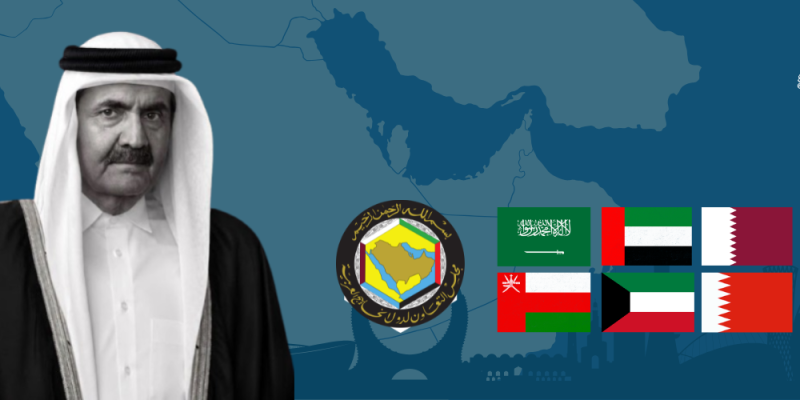
The strategic logic behind this approach was straightforward. Qatar could never be a regional hegemon, but it could create influence by providing a trusted venue where adversaries could negotiate. Acting as a mediator expanded Qatar’s diplomatic relevance while reinforcing its relationships with a diverse range of regional and international partners. That approach remains, to this day, the operating system of Qatari foreign policy.
Building Institutions Beyond a Single Ruler
Sheikh Hamad also recognized that international visibility could become a strategic asset. Hosting the 2006 Asian Games, establishing Aspire Academy, investing in global sporting platforms, and above all, securing the successful bid in 2010 to host the FIFA World Cup reflected a long-term effort to position Qatar as a country capable of organizing events of global significance.
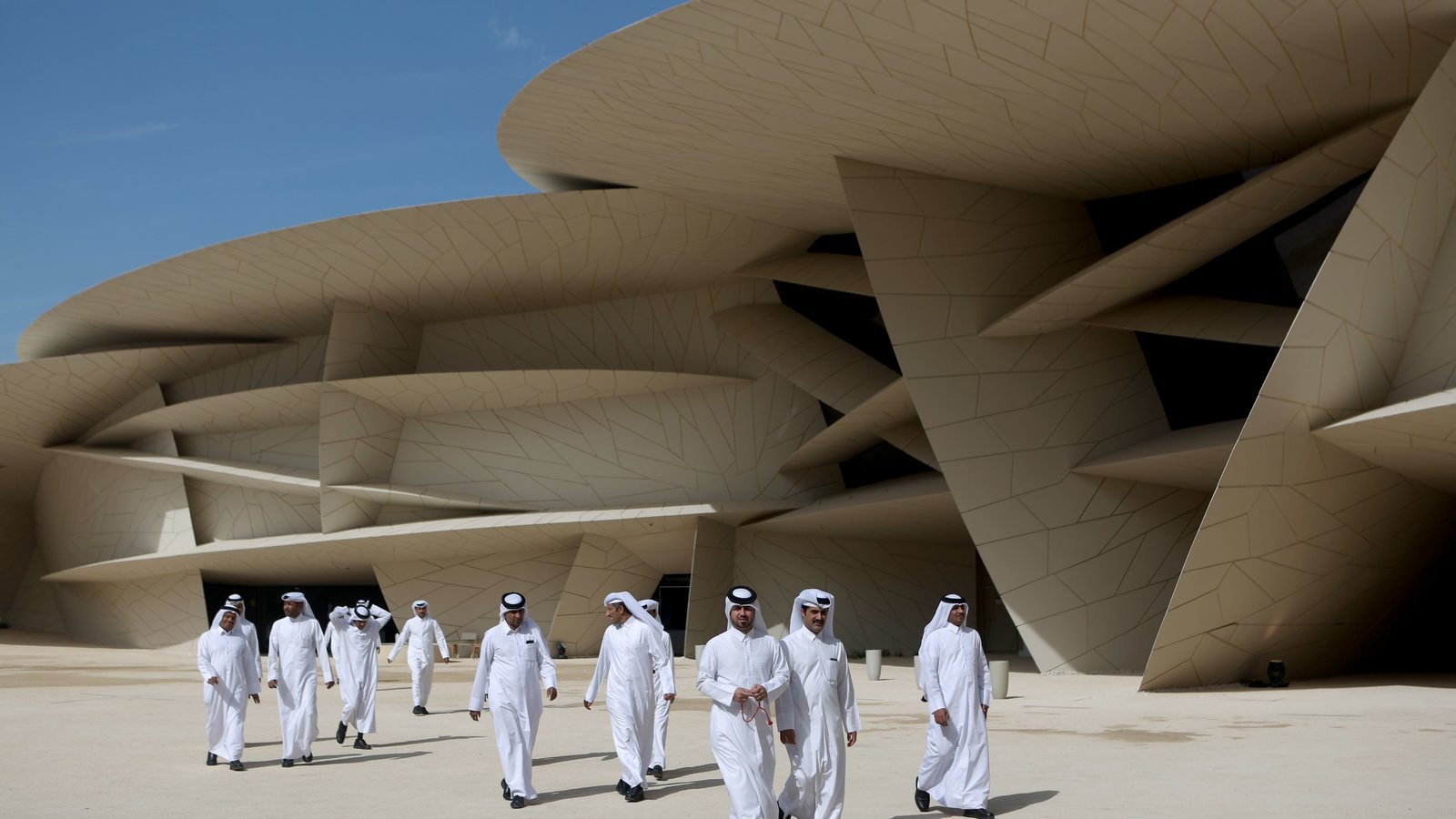
The same logic guided investments in culture and education. Institutions such as the Museum of Islamic Art, Katara Cultural Village, and the Qatar National Library established Doha as a center for cultural exchange and preservation. At the same time, the founding of Education City brought the world’s leading universities to Qatari soil, underscoring a commitment to developing human capital alongside economic growth.
Sheikh Hamad’s legacy also extends beyond the institutions he built domestically. Under his leadership, humanitarian assistance became an increasingly important component of the country’s international engagement. Qatar became one of the world’s most generous donors relative to its size, supporting post-conflict reconstruction, disaster relief, educational initiatives, and development projects across Africa, Asia, and the Middle East. These initiatives complemented Qatar’s broader foreign policy by expanding its international engagement and strengthening its relationships beyond the region.
His decision to voluntarily transfer power to his heir, His Highness Sheikh Tamim bin Hamad Al Thani, in June 2013 further reflected the institutional foundations established during his rule. In a region where rulers historically leave office only through death or upheaval, a leader choosing to step aside to empower a new generation was without precedent. It was the ultimate confirmation that he had built institutions that would endure beyond a single leader.
Sheikh Hamad’s legacy lies not in any single achievement but in the combination of his policies that reshaped Qatar’s place in regional and international affairs. By investing in energy, diplomacy, education, culture, and humanitarian engagement, he expanded Qatar’s influence far beyond the Gulf. His leadership ultimately underscored that a small nation could, in fact, exercise influence beyond the limits of its geography.