
Tehran framed the 2026 midterms as proof of American weakness and issued a public ultimatum demanding concessions or war. Congressional oversight narrows Trump’s political room but leaves his military authority intact, while Qatar’s mediation remains a channel rather than a settlement.
Iran Ultimatum Follows a Domestic Verdict
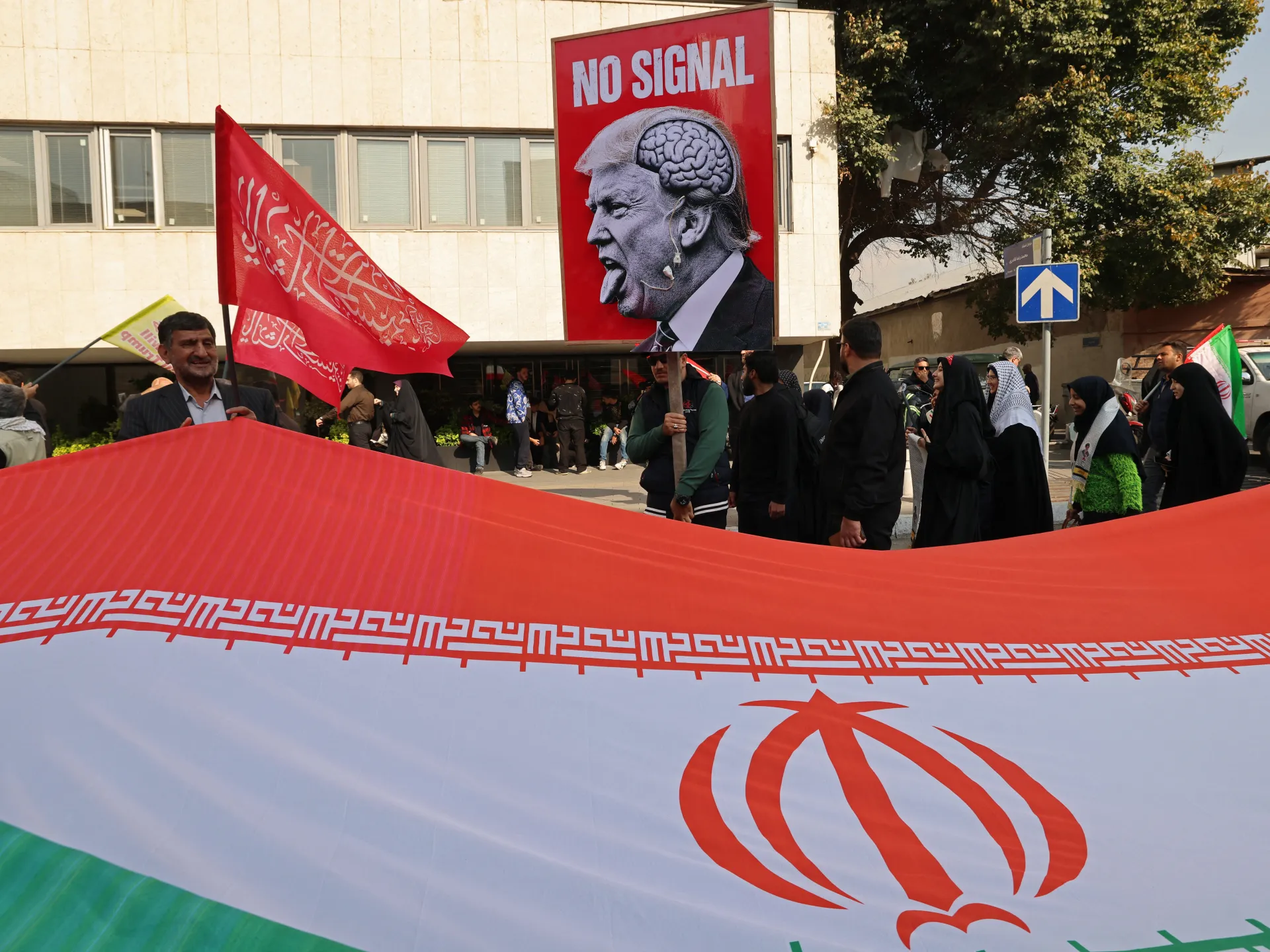
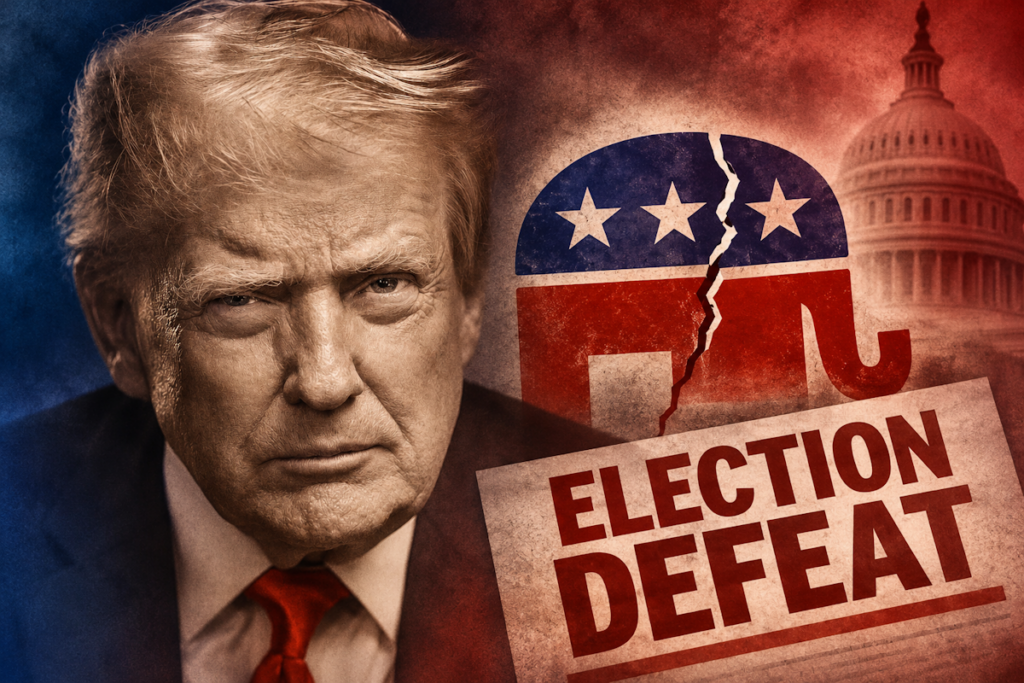
The outcome of the 2026 midterm election, in which the Democratic Party defeated the Republicans and took control of both the House of Representatives and the Senate, has been widely framed as a repudiation of President Donald Trump’s domestic and foreign policy agenda. Nowhere was this framing espoused more loudly than in Iran, whose leaders seized on Trump’s allies’ defeat as an indicator that the United States would soon end the ongoing war.
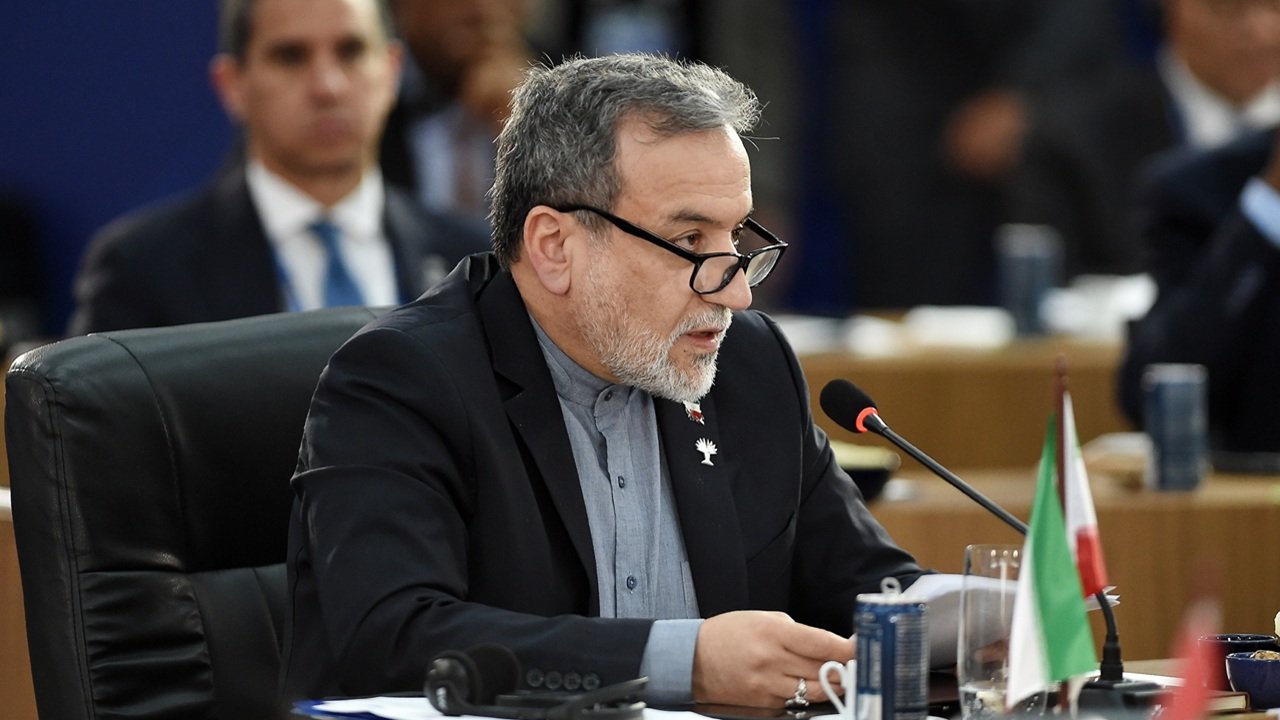
Indeed, Trump’s poor performance in the election may have emboldened Tehran to show more aggressiveness in its negotiations with the Trump administration. On Sunday, Iranian foreign minister Seyed Abbas Araghchi called on the United States to either accept Iran’s most recent diplomatic offer to end the war, or face more intense fighting.
Araghchi Demands Submission or War
“American voters have made their choice. Time for the White House to make its own,” Araghchi wrote on X. “Our 2-day proposal stands: meet the requirements, including end to war on all fronts, and you will see results. Or choose war, and see our alert and battle-hardened Warriors rain down hell.”
American voters have made their choice. Time for the White House to make its own.
Our 2-day proposal stands: meet the requirements, including end to war on all fronts, and you will see results.
Or choose war, and see our alert and battle-hardened Warriors rain down hell.
— Seyed Abbas Araghchi (@araghchi) November 8, 2026
United States Secretary of State Marco Rubio responded to Araghchi’s demands shortly after he posted them, calling them “unacceptable.”
The latest war of words came after the United States conducted a limited strike on Iran’s Qeshm Island, targeting an anti-aircraft battery. US Central Command (CENTCOM) characterized the strike as defensive in nature, arguing that it should not be interpreted as a resumption of full-scale hostilities.
President Donald Trump has also claimed that renewed military strikes against Iran were “highly unlikely” as long as the ongoing indirect US-Iran negotiations through Qatar show progress.
However, Trump has also cautioned that he would order strikes if the talks break down.
Carriers and Hormuz Raise Pressure
There are currently two United States Navy Carrier Strike Groups (CSGs) operating in the US Central Command’s (CENTCOM’s) area of responsibility. A third, led by the Nimitz-class nuclear-powered supercarrier USS Theodore Roosevelt (CVN-71), is also en route to the region.
Tehran has repeatedly offered to reopen the Strait of Hormuz, the critical waterway through which one-fifth of the world’s oil transits, only if the US agreed to several conditions, including lifting sanctions against the regime and the release of billions of dollars in frozen Iranian assets.
US Won’t Make Concessions to Get a Deal, Rubio Says
Rubio was in Florida on Sunday, preparing for his upcoming meeting with G7 foreign ministers in Paris. The former senator from that state dismissed Tehran’s demands.
“You have a number of countries that continue to engage them with different ideas, but I wouldn’t say we’re on the verge of a breakthrough,” Rubio told reporters. “The president would always prefer to solve this and every problem diplomatically. Sometimes that’s not possible, unfortunately.”
The secretary, who is widely seen as a potential candidate for the 2028 White House race, tempered his stance, suggesting that Washington would explore all options. However, he added that Tehran’s demands were unreasonable, and the United States would not meet them merely out of a desire to complete a deal.
“Right now, [the negotiation] hasn’t been very productive because the Iranian demands are simply not just unacceptable, but in some cases, outrageous and ridiculous, and really not realistic,” Rubio said.
The secretary also acknowledged that Vice President JD Vance had blamed the Republican Party’s massive and historic losses in the midterm election on the unpopular war in the Middle East.
“He addressed it even though oftentimes the right thing to do for the country—confronting difficult challenges for the security of our country—doing it isn’t necessarily popular, but necessary,” Rubio said.
Did the Iran War Cost Trump the Midterms?
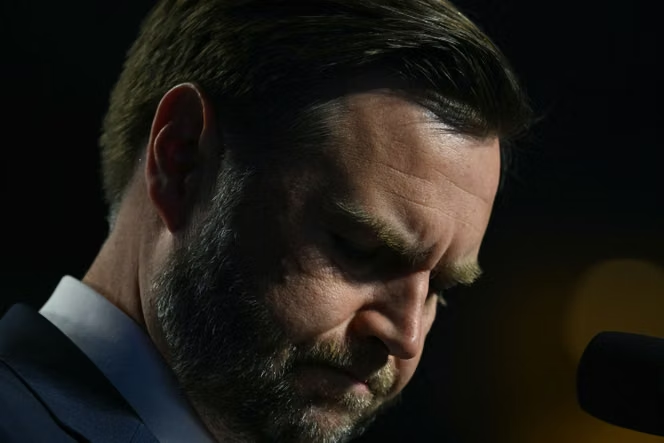
Vance was more direct in his assessment of the war.
“The reason we lost [the 2026 midterm elections] is the war. The president himself said so last night,” Vance wrote on X last week. “If you’d like to argue it was worth it, that losing the Senate for the next 6 years was worth it, then do so. Argue it was a worthwhile cost to pay. Agree or disagree, that’s at least honest. But everyone knows why we lost. And any honest conversation about where we go from here must start there.”
Where this will head remains the big unknown. However, in the coming weeks, Trump is expected to meet with Qatari Prime Minister Mohammed bin Abdulrahman Al Thani, where the two are expected to discuss the ongoing conflict and ways Qatar could help to resolve it.