
Global Muslim Travel Index projects international Muslim arrivals will rise from 196 million in 2025 to 262 million by 2030, with annual expenditure reaching $310 billion as digital visibility and regional travel gain importance.
The global Muslim Travel Market is entering a decisive expansion phase, with international arrivals forecast to climb from 196 million in 2025 to 262 million by 2030 and annual expenditure projected to reach $310 billion. The 2026 Global Muslim Travel Index, produced by Mastercard and CrescentRating, evaluates 150 destinations across the Access, Communications, Environment and Services criteria while placing greater emphasis on artificial intelligence readiness, digital visibility, smart destination infrastructure, traveller confidence and resilience planning.
This shift reflects a broader structural change in how Muslim travellers discover, evaluate and select destinations. Bahrain’s five-place rise to seventh and Jordan’s continued top-15 presence highlight how modernised visa facilitation, increased flight connectivity and a full supply of prayer places and airport services translate into competitive advantage. The report also signals that digitisation has become a critical gateway: destinations failing to make Muslim-friendly offerings visible to AI-driven recommendation systems risk exclusion regardless of physical infrastructure quality.
Concurrently, rising fuel costs, geopolitical tensions and airspace disruptions are redirecting travellers toward safer, closer regional corridors, reinforcing what the report calls home-continent mobility. These intersecting forces indicate that the Muslim Travel Market is no longer a niche segment but a mainstream economic force where digital discoverability, confidence and service reliability determine destination performance.

Muslim Travel Market Enters Expansion Phase
International Muslim arrivals are projected to reach 262m by 2030 and generate an estimated $310bn in annual expenditure as artificial intelligence, digital services and changing travel patterns reshape the global tourism market.
The 2026 Global Muslim Travel Index (GMTI), released by Mastercard and CrescentRating, projects international Muslim arrivals will increase to 208m this year, up from 196m in 2025, as destinations compete to make services more accessible, reliable and digitally discoverable.
The 11th edition of the Global Muslim Travel Index evaluates 150 destinations representing more than 98 per cent of global Muslim visitor arrivals.
Destinations are evaluated using the Access, Communications, Environment and Services (ACES) framework.
GMTI 2026 places a stronger focus on AI readiness, digital visibility, smart destination infrastructure, traveller confidence and resilience planning amid a more volatile global environment.
Muslim travel market
The report projects international Muslim arrivals to increase from 196m in 2025 to 208m in 2026 before reaching 262m by 2030.
Annual expenditure is estimated to reach $310bn by 2030.
Bahrain and Jordan Gain Competitive Edge
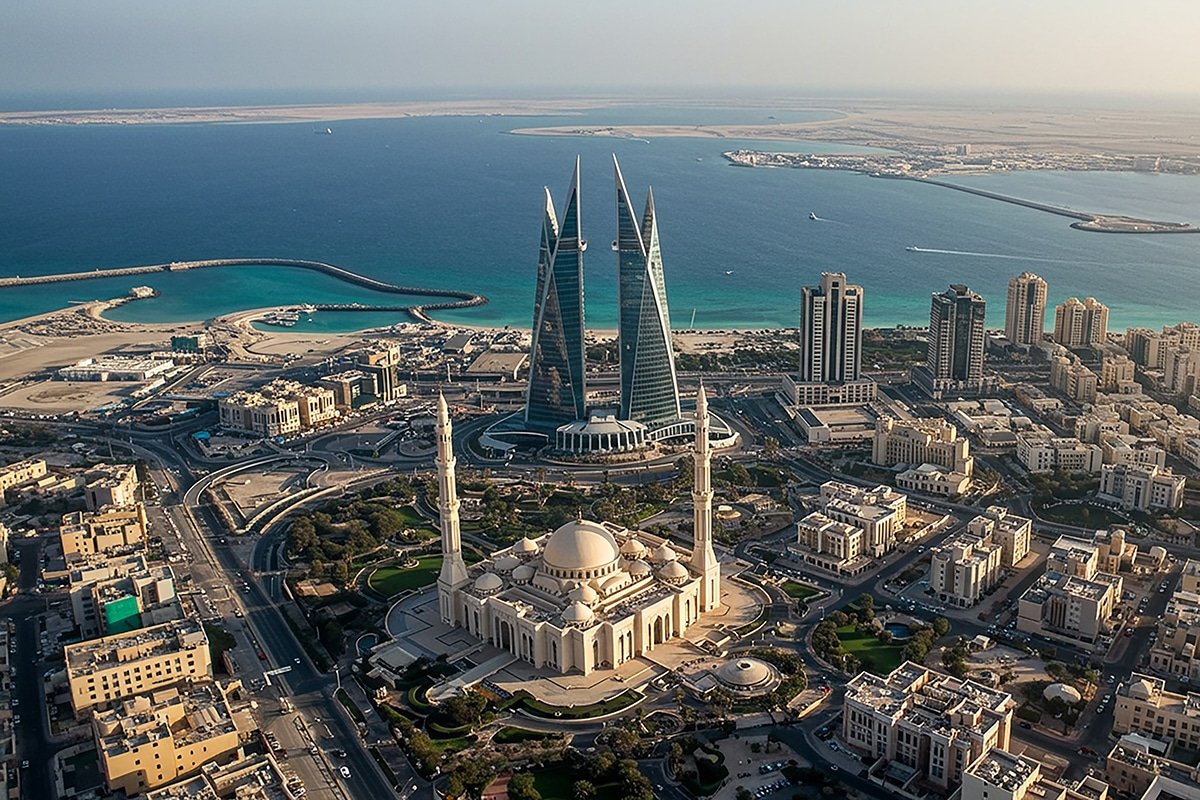
Bahrain climbed five places to rank seventh among the top travel destinations for Muslims, with a score of 74.
The country also ranked second among destinations providing a safe, sustainable and accessible environment where Muslim travellers can explore with confidence and peace of mind. Jordan retained its position among the top 15, ranking 12th with a score of 72.
The country also moved into the top five most accessible destinations, with the report highlighting modernised visa facilitation and increased flight connectivity.
Bahrain and Jordan both recorded a perfect score of 100 for the availability of prayer places and airport services.
Saud Swar, country manager, Saudi Arabia, Bahrain, Jordan, and other Levant, at Mastercard, said: “In line with our long-standing commitment to supporting the growth of the travel and tourism industry, we are pleased to collaborate with CrescentRating to develop GMTI, which identifies the key trends and destination leaders shaping the future of halal travel. Jordan’s and Bahrain’s continued presence among the top 15 Muslim-friendly travel destinations testify to their rich tourism offerings, modern amenities and abundant halal facilities”.
How AI Reshapes Trip Planning
AI transforms Muslim travel planning
Artificial intelligence is becoming an increasingly important part of how travellers research and plan trips.
According to GMTI 2026, 80 per cent of travellers worldwide now use AI tools for travel purposes.
AI-powered platforms can help travellers identify halal dining options, locate prayer spaces, compare transport routes, receive personalised recommendations and navigate destinations.
The report argues that this shift has particular significance for Muslim travellers, who can need to verify multiple faith-based requirements before and during a journey.
Digital Visibility Becomes the New Gateway
It warns that destinations which fail to digitise their Muslim-friendly offerings risk being excluded from AI-driven recommendation systems regardless of the quality of their physical infrastructure.
As a result, the competitive landscape is shifting from simply having services available to ensuring that reliable information about those services is digitally visible.
Technologies including e-visas, biometric border systems, AI chatbots, digital travel assistants, real-time translation and smart destination management are also helping reduce uncertainty and improve ease of travel, according to the report.
Fazal Bahardeen, CEO, CrescentRating and HalalTrip, said: “The Muslim travel market is expanding at an unprecedented pace, driven by the continued growth of the global Muslim population. With 70 per cent of Muslims worldwide now digitally native, GMTI 2026 highlights a profound evolution in how travel is consumed. As travellers move from active searching to AI-assisted decision-making, destinations must ensure that Muslim-friendly services are not only available but also digitally visible”.
Reional destinations
The report also identifies changing travel patterns amid global volatility.
Rising fuel costs, geopolitical tensions, airspace disruptions and security concerns are prompting more travellers to favour closer, safer and more predictable destinations, according to GMTI 2026.
The report describes the trend as a shift towards “home-continent” mobility.
Rather than cancelling travel altogether, travellers are adjusting itineraries and choosing regional corridors offering greater stability, lower friction and stronger confidence instead of relying on long-haul journeys through complex transit hubs.
Why Muslim Travel Market Demands More
GMTI 2026 also introduces a Destination Activation Stack designed to assess the changing requirements of Muslim-friendly tourism.
The model integrates three frameworks. ACES measures foundational destination preparedness, while RIDA assesses responsible, immersive, digital and assured travel experiences. TRUST evaluates the signals that convert traveller interest into bookings.
The framework reflects the evolution of the global faith-based travel market from a niche segment into what the report describes as a mainstream economic powerhouse.
From Niche Segment to Economic Powerhouse
Destinations are consequently no longer assessed solely on whether baseline services such as halal food and prayer spaces are available.
The report says those services must also be accessible, visible, reliable and digitally discoverable, while meeting traveller expectations around safety, sustainability, inclusivity and experience quality.