
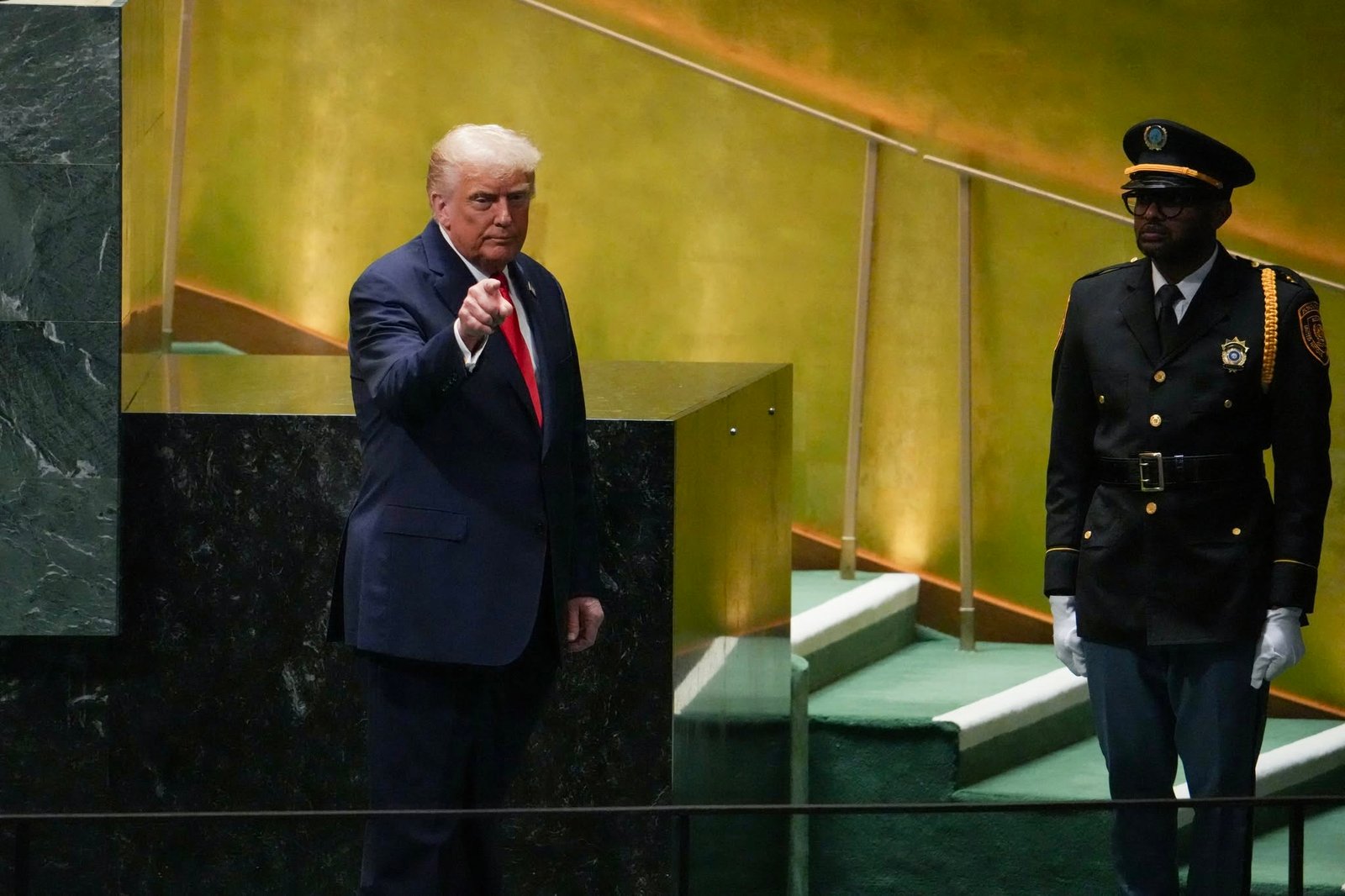
Trump’s UN address presented Tehran with a binary choice between destruction and a deal, backed by a blockade that zeroed out Iranian crude exports, sanctions on foreign enablers, and significant US forces in the region.
The annual gathering in New York has rarely produced strategic clarity, yet the Trump UN Speech delivered an unusually candid rendering of American policy toward the Islamic Republic, stripping away diplomatic ambiguity and presenting Tehran with a binary choice.
The president recounted repeated attempts at negotiation over the nuclear program, each met with delay, bad-faith engagement, or outright rejection, and framed Iran’s conventional and asymmetric missile buildup as a shield designed to protect nuclear infrastructure from attack. The Trump UN Speech therefore inverted the conventional dynamic of the General Assembly, where American presidents typically sought consensus rather than confrontation.
Instead of rallying allies around a shared position, Trump laid out two divergent paths: the regime can be sent “into hell with no chance of survival,” or it can sign a deal permitting reconstruction and a far greater country than before. The choice, as he framed it, belongs to Tehran, not Washington. Backed by a maritime blockade that has zeroed out Iranian crude exports, sanctions targeting foreign enablers, and significant military forces in the region, the administration holds leverage that allows it to wait. Trump need not rush into either war or agreement.
By planting a flag early, he shifts the burden and the costs of being the first mover onto the Islamic Republic, closing the latest chapter of a forty-seven-year crisis with the initiative placed firmly in Iranian hands.
Trump UN Speech Reframes Iran Policy
Candor and clarity of purpose are not themes traditionally associated with United Nations General Assembly (UNGA) meetings in New York. The annual summit, now in its 81st year, has long been a preferred venue for dictators and kleptocrats to make jargon-laden national — or, quite often, personal — cases against the West, while ironically doing so from the Big Apple, the beating heart of American capitalism.
In response, American presidents over the past two decades have pushed past these theatrics, using the summits as opportunities to build consensus or rally support for the American position on global affairs.
Not so with President Trump. And that may be a good thing.
Despite occasional references to domestic matters — by now a hallmark of almost any Trump speech — his address offered remarkable clarity and candor on Iran policy, casting the issue in zero-sum terms.
Trump outlined his multiple attempts to negotiate with the clerical regime over its nuclear program, all to no avail. Each time, the regime’s spurning, bad-faith engagement, foot-dragging, or delay brought about a fate that could have been avoided. Put differently, the Islamic Republic is the main force pushing Trump to embrace the role of Commander in Chief every time he tries to act as Dealmaker in Chief.
Missiles Shield Nuclear Infrastructure
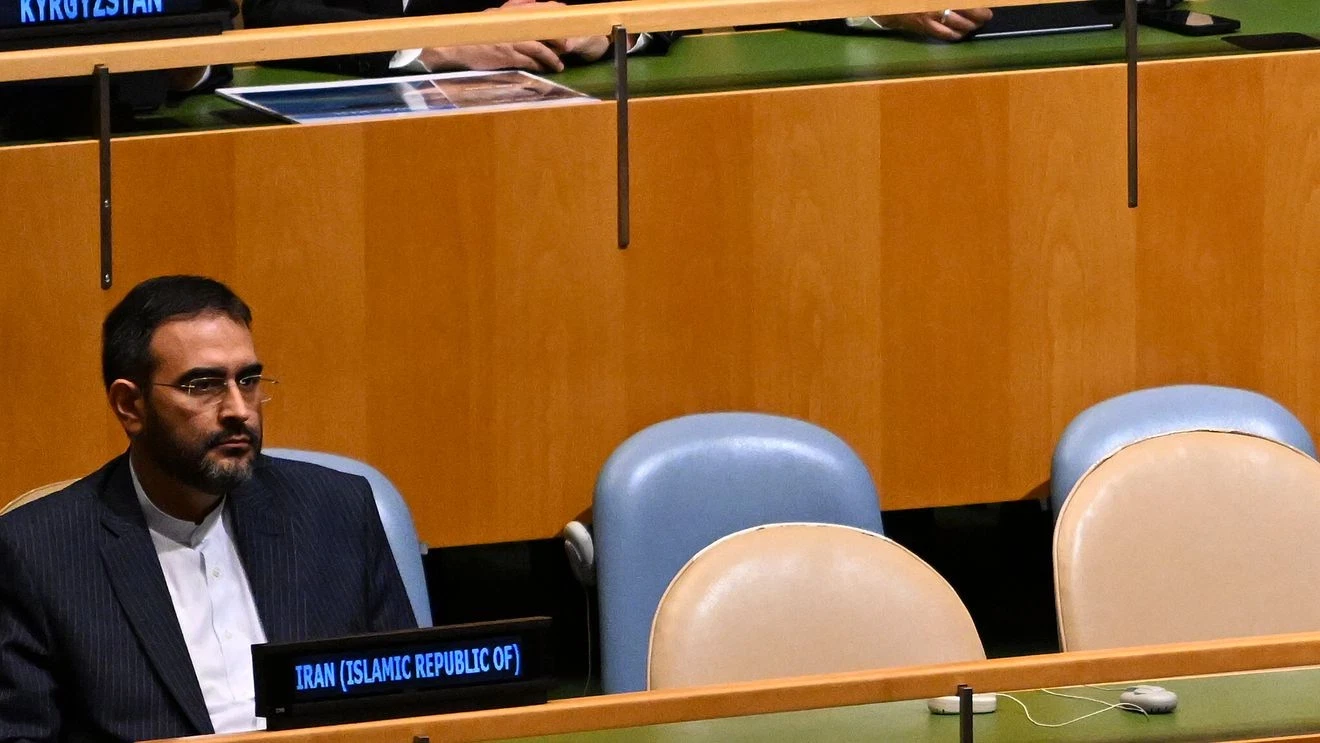
Elsewhere, Trump framed Iran’s conventional and asymmetric missile and military buildup as a shield designed to protect its nuclear infrastructure from attack. In terms of range, these projectiles do not merely threaten U.S. military bases or nations covered by CENTCOM. As Trump noted, the Islamic Republic even possesses a ballistic missile capable of reaching continental Europe — a capability that Iranian military officials, some of whom are no longer around, previously dangled over European policymakers like a sword of Damocles. Ignoring these threats would have allowed Tehran to hold a wider range of targets at risk and, ultimately, threaten the U.S. homeland.
Trump used this background to reach an inflection point: Will there be more war, or will the region settle down and focus on peace, prosperity, and stability? Although the president framed this as a fork in the road for U.S. strategy toward Iran, in reality, the choice is Tehran’s, not Trump’s.
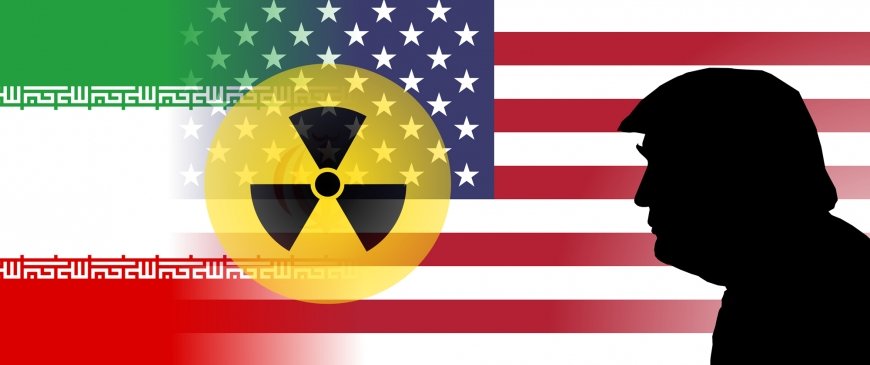
The president’s nonchalant tone as he laid out his options underscored the point. For now, the administration is playing a strong hand, thanks to the economic, political, and military leverage Washington has accumulated over the last few months. That leverage allows the United States to exploit the current state of neither war nor peace with the Islamic Republic and box in the regime’s leaders.
The U.S. has essentially zeroed out Iranian crude exports through a maritime blockade and is cutting off Iran’s illicit network of foreign enablers through tough sanctions. This one-two punch handicaps the regime’s efforts to move money and generate the revenue needed to address the economic shortcomings at home wrought by decades of mismanagement and spiraling inflation. To backstop all of this, Washington is also maintaining significant U.S. military forces in the region.
Trump UN Speech Shifts Burden to Tehran
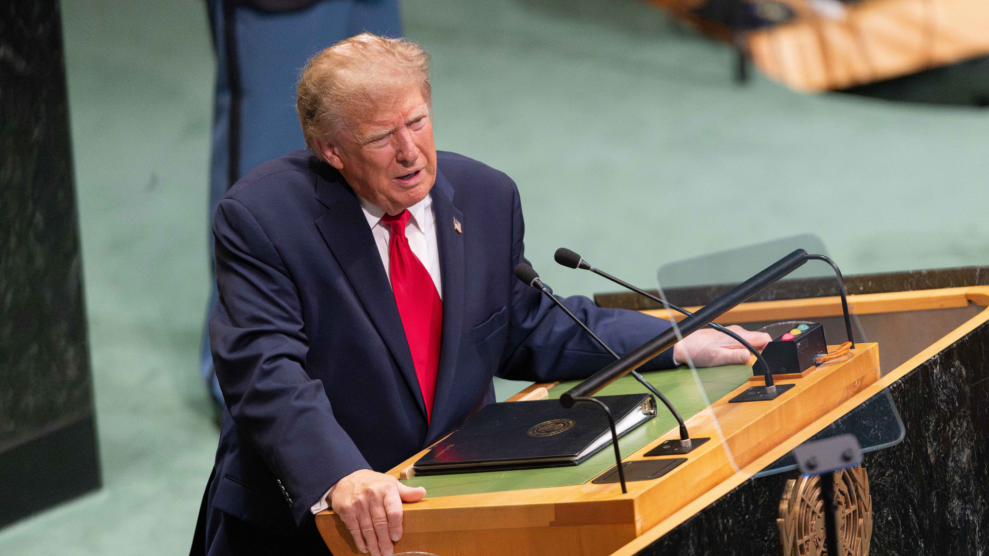
Accordingly, Trump need not rush into either a deal or a war. He has time to explore his options and position the United States to capitalize on any Iranian misstep or overreach, whether at the negotiating table or on the battlefield. Come what may, be it engagement or escalation by Iran (and if the past is prologue, there will be a bit of the former and a lot of the latter), Trump has already told the world how the United States will respond.
The options Trump laid out starkly at the UN are to send the regime “into hell with no chance of survival” or to ink a deal “that lets them rebuild and create a far greater country than it ever was before.” By planting a flag early on where the United States may go, Trump shifts the burden back onto the Islamic Republic — and, with it, the costs of being the first mover in the latest iteration of a 47-year crisis.