
Washington and Tehran lack a credible nuclear mediator as missile strikes stall diplomacy. Moscow’s nonproliferation record and access to Iran’s civilian program make Russian mediation a possible, though costly, path toward a deal.
The collapse of US-Iran diplomacy amid active hostilities has exposed a structural gap: neither Washington nor Tehran can credibly manage nuclear escalation alone. Over five months of war, American aims have shifted from regime change to military degradation to nuclear dismantlement, yet each phase has stalled against Iran’s hardened strategic posture. Russian mediation offers a potential path through this impasse, not because Moscow is a neutral peacemaker, but because it holds unique access to Iranian nuclear decision-making and a historical record of nonproliferation cooperation with Washington.
The central obstacle remains trust. Both capitals view the other’s demands as maximalist, while missile strikes and sanctions continue to foreclose routine diplomatic contact. Russian mediation could operate within that vacuum by translating Tehran’s red lines into terms Washington can assess, and by pressing both sides toward a verification-centered outcome. However, this role is neither automatic nor costless. Moscow’s deepening military-industrial ties with Iran complicate its credibility, even as those ties remain distinct from nuclear weapons support. The question is whether nonproliferation can become a narrow arena of US-Russian alignment despite broader confrontation. That possibility depends on separating arms trade grievances from nuclear diplomacy and accepting that a mediator with clear self-interest may still produce a workable deal.
Russian Mediation Fills a Diplomatic Void
In over five months of conflict, America’s objectives in the Iran War have pivoted from regime change to degrading the Iranian military to destroying the Iranian nuclear program. The last objective faces serious hurdles. As Supreme Leader Ayatollah Mojtaba Khamenei appears to wholeheartedly support the regime’s nuclear program, American negotiators have struggled to achieve any diplomatic headway, and sporadic missile exchanges have further derailed negotiations. Another major stumbling block for the nuclear issue is that Washington and Tehran lack a credible mediator. Russia, as the primary external facilitator of Iran’s civilian nuclear program and a longtime US partner on nuclear nonproliferation (despite glaring disagreements on other issues), is well positioned to play this role.
Moscow’s Nonproliferation Record Runs Deep
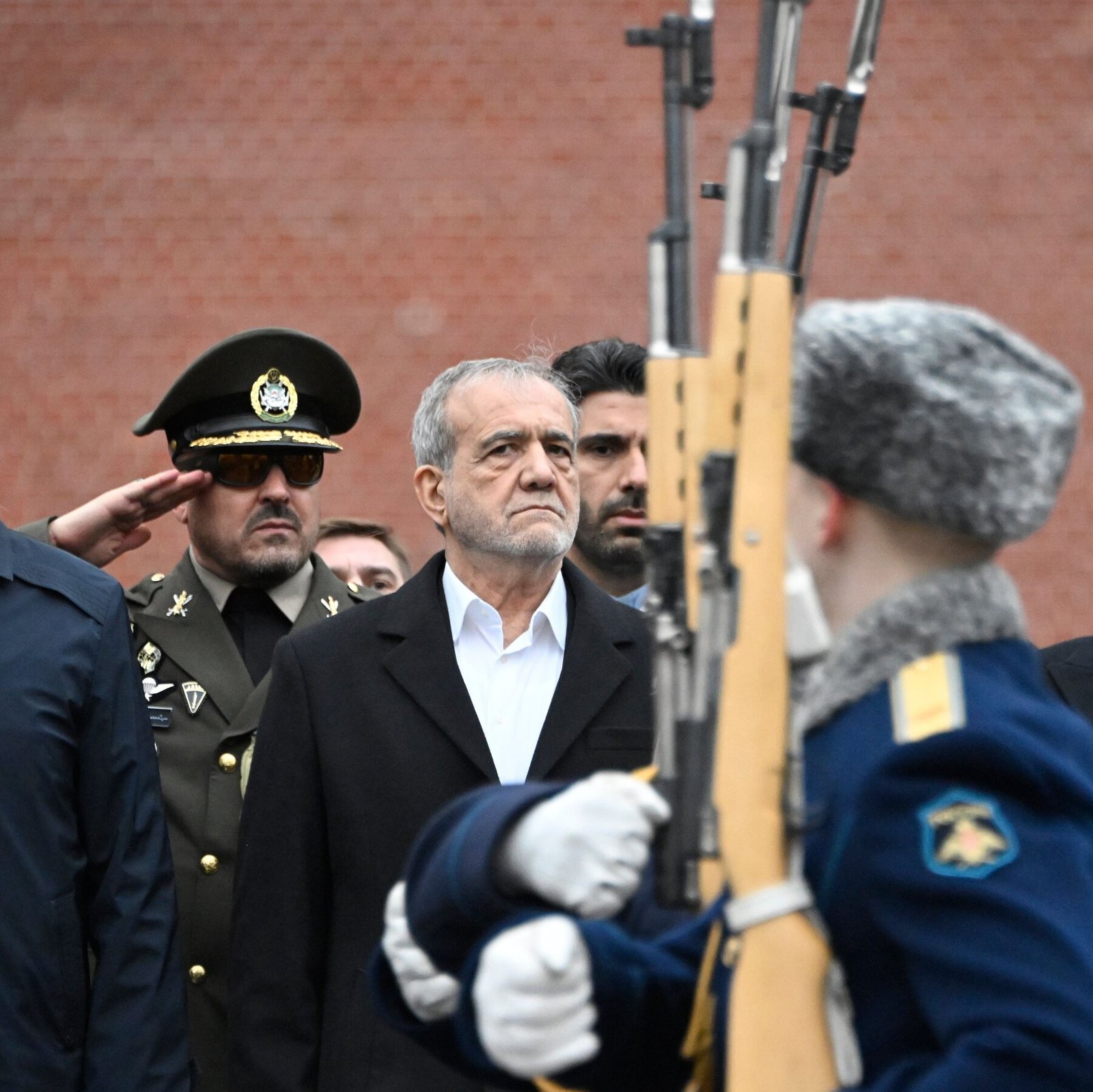
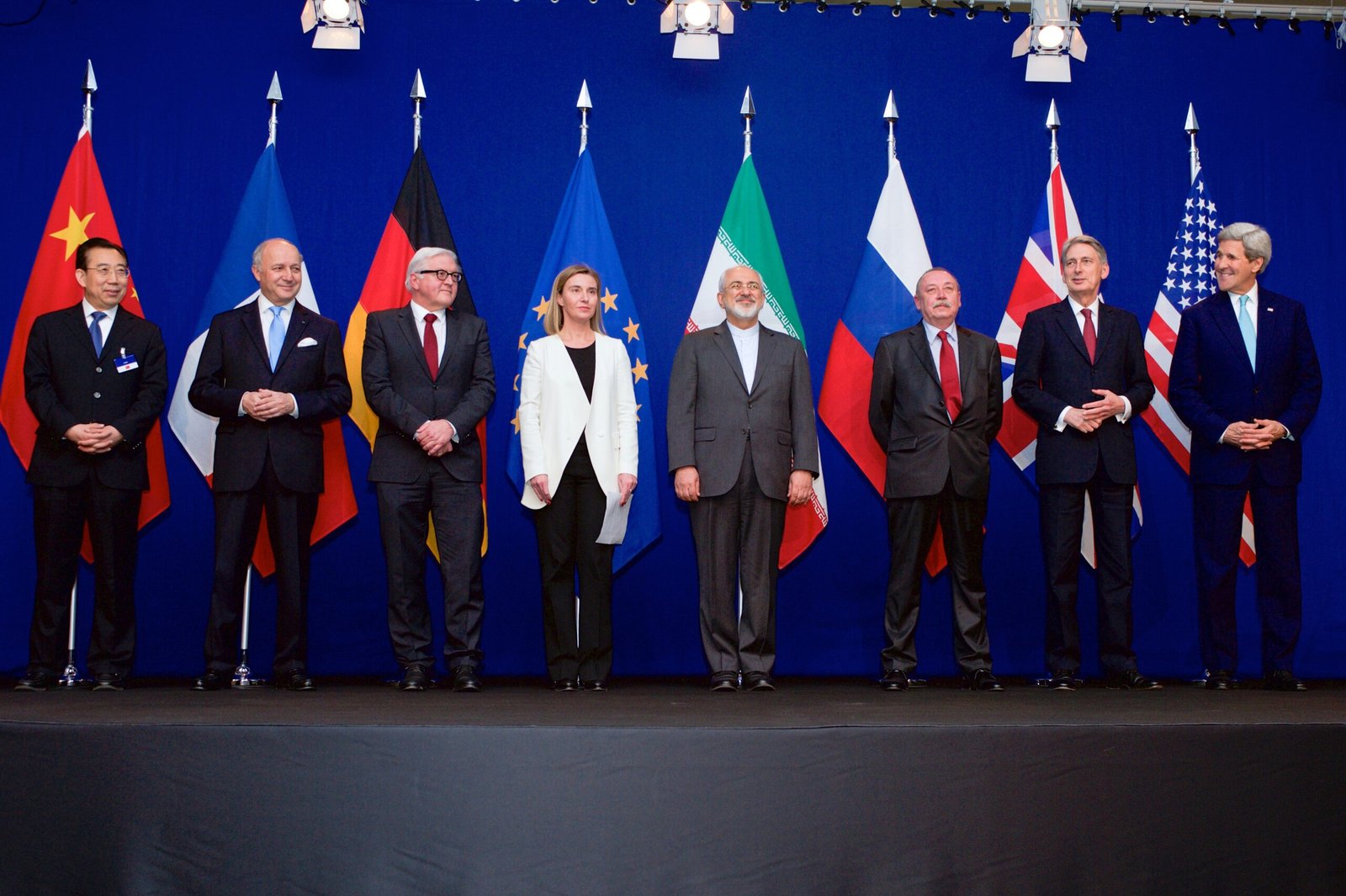
Though it has supported Iran’s civilian nuclear activities for decades, Russia has remained largely aligned with the West on nuclear nonproliferation. Under the 1995 contract that saw Russia install one nuclear reactor in Bushehr, train Iranian personnel, and provide low-enriched uranium fuel, Moscow agreed to repossess Iran’s used nuclear fuel, acquiescing to US pressure on the issue. In the late 1990s, Moscow also obliged when the United States pushed it not to pursue any deal that would see Russian nuclear waste sold to Iran. Most recently, Americans and Russians worked in tandem to achieve the 2015 Joint Comprehensive Plan of Action (JCPOA).
Why Arms Deals Shouldn’t Alarm Washington
The US-Russia relationship has obviously deteriorated significantly since 2015. Russia’s invasion of Ukraine, the expiration of bilateral arms control treaties, and the US withdrawal from the JCPOA all work against the possibility of collaboration. Russia’s recently intensified military partnership with Iran has sparked concerns that Russia is no longer committed to preventing Iran from developing a nuclear weapon. However, aiding an Iranian military nuclear program would serve neither Russia’s broader interests nor its partnership with Tehran.
Drones Deepen a Military Supply Chain
The Ukraine War created significant Russian demand for cheap drones and missiles, and Iran’s ability to quickly close those capability gaps cultivated an opportunistic military-industrial partnership between the two. Six months after Russia’s February 2022 invasion of Ukraine, Iran supplied Russia with Iranian-designed offensive Shahed-129 and Shahed-191 unmanned aerial vehicles (UAVs).
Then, in early 2023, Tehran and Moscow signed a $1.7 billion deal in which Iran supplied thousands of Shahed-136 drones to Russia and helped the Russians indigenize UAV production in the Alabuga Special Economic Zone (ASEZ). Alabuga’s UAV production line is now so successful that, in March 2026, Russia sent Iran upgraded versions of the drone technology. Russian production lines now produce approximately 6,000 fully assembled units per month.
What Russia Stands to Lose
While this prolific exchange of weapons and expertise has provided both sides with new capabilities and a creative means to oppose a US-led global order, it should not be mistaken for alignment on an Iranian military nuclear program. Russia benefits immensely from friendly relations with Iran. Still, given Iran’s support for non-state actors and its animosity toward Israel and the Gulf Cooperation Council (GCC) states, an Iranian nuclear weapon would introduce instability and chaos to a region in which Russia has enduring economic and political interests.
Russia’s military cooperation with Iran should be understood as limited and dependent on Russian needs. Even in Iran, a reformist paper wrote last year that Russia’s “unfulfilled promises” and “delays in military cooperation” characterize Moscow’s partnership as based on “opportunistic, short-term interests” rather than on “mutual trust.”
Saudi Nuclear Deal Raises the Stakes
Considering the shared interest of Russia and the United States in nonproliferation, Moscow’s involvement with Iran’s civilian nuclear facilities and insight into Tehran’s internal calculus could be an asset rather than a liability for Washington. Pursuing support from Russia, as Moscow provided during the JCPOA negotiation process, would reaffirm global nonproliferation efforts and install a mediator familiar to both the Iranians and Americans as they work toward a bilateral deal. Furthermore, while Russia would not typically be Washington’s first choice as a mediator, President Donald Trump’s shifting yet sometimes positive relationship with Russian President Vladimir Putin across Trump’s two terms suggests cooperation isn’t out of reach.
Such an approach would likely require the United States to make concessions in the region and beyond. The Trump administration and Saudi Arabia recently announced a 30-year civilian nuclear cooperation agreement that could allow Saudi Arabia to enrich its own fuel for civilian reactors without adopting certain International Atomic Energy Agency (IAEA) oversight standards.
Can Russian Mediation Prevent Nuclear Proliferation?
If Washington seeks to impose these standards on Tehran, such as stringent IAEA inspections of Iran’s civilian nuclear facilities, it is likely that Moscow—or opponents of the US-Saudi deal—would join Tehran in identifying the inconsistency and call for a symmetrical approach to oversight requirements. While Russia would likely agree to mediate, it could very well take advantage of its leverage to request concessions from Washington on other issues, such as American sanctions levied on Russia for its ongoing attacks on Ukraine.
Despite these potential drawbacks, compatible Russian involvement would not be unprecedented. Nonproliferation has historically been a multilateral issue, as nuclear weapons pose global security threats. In 1977, the United States and the Soviet Union simultaneously pressured South Africa to abandon its nuclear tests, demonstrating that nuclear priorities can align even amid heightened animosity.
Russia’s conventional arms trade with Iran and its record on nuclear nonproliferation should be treated as two separate files, and Washington’s anxiety about the former should not disqualify Moscow from playing a productive role in the latter. A nuclear Iran serves neither nation, and together, Washington and Moscow could apply acute pressure on Tehran to reach a nuclear deal that advances military nonproliferation without foreclosing Iran’s peaceful nuclear energy ambitions.