
Long-dated Treasury yields exceed five percent as the US faces a $2.1 trillion deficit, $4.5 trillion quarterly rollovers, and foreign central banks reduce Treasury holdings in favor of gold amid sanctions and tariff policies.
The Treasury Bond Blues now gripping US fixed-income markets stem from a collision between fiscal arithmetic and foreign investor confidence. President Donald Trump has directed Treasury Secretary Scott Bessent to restrain long-term yields while simultaneously promoting secondary sanctions against Iran’s trading partners and tariff escalation against Canada.
Those actions erode the perception that Washington remains a dependable counterpart for sovereign wealth funds and central banks holding more than nine trillion dollars in Treasury securities. The administration’s contradiction is stark: it asks foreign creditors to absorb ever larger volumes of new debt even as it wields financial coercion that makes existing holdings appear vulnerable. Bessent must orchestrate quarterly rollovers of roughly four and a half trillion dollars in maturing obligations, a task complicated by the market’s shift toward gold and short-duration instruments.
Long-dated yields have already surpassed five percent for the first time since 2007, signaling that bondholders now demand higher compensation for political risk. Without a credible policy pivot, the Treasury Bond Blues will persist, pushing mortgage rates upward and dampening capital expenditure across the real economy. The deeper issue is not merely arithmetic but institutional trust, an asset that deteriorates quickly when economic statecraft becomes unpredictable.
Can Bessent Square the Circle?
President Donald Trump seems to be sending Treasury Secretary Scott Bessent on a fool’s errand. He is asking Bessent to prevent the country’s gaping budget deficit from sending long-term bond yields ever higher. Yet, at the same time, he is tasking Bessent with cheerleading the country’s secondary sanctions against Iran’s supporters and a trade war with Canada. By further undermining the US reputation with foreign bondholders as a reliable economic partner, those measures will make financing the budget deficit even more difficult. In turn, that may send long-term interest rates to new record highs.

Treasury Bond Blues Deepen Fiscal Strain
It would be a gross understatement to say Bessent faces a public finance challenge. Not only does he have to finance a budget deficit now running at an annual rate of $2.1 trillion, but next year it could rise well above that number on the back of substantially increased defense spending. He also must roll over around $4.5 trillion in maturing debt each quarter because the country relies more on short-term borrowing to finance its deficit.
Foreign Reliance Keeps Yields Fragile
A key vulnerability of the US economy is its heavy dependence on foreign-owned US Treasury bonds. Indeed, foreigners own over $9 trillion, or around 30 percent of all US Treasury bonds outstanding. To keep long-term interest rates from rising, Bessent must not only persuade foreigners to keep rolling over their large Treasury bond holdings, but also add significantly to those holdings as part of his effort to finance a $2.1 trillion budget deficit.
Thirty-Year Yields Hit Post-2007 High
The recent sharp rise in long-term US government bond rates underlines the importance of keeping foreign bondholders on side. Despite Bessent’s efforts to jawbone the market and increase the US government’s purchases of its long-dated bonds, the 30-year Treasury bond rate has spiked to over 5 percent. That is the highest rate recorded since 2007 and is bound to act as a major headwind to the economic recovery by raising mortgage rates and discouraging investment spending.
Central Banks Pivot Toward Gold
In recent years, foreign central banks appear to have lost their appetite for US Treasury bonds in favor of gold. Indeed, gold is now estimated to have risen to 27 percent of foreign central bank international reserve holdings, while the dollar’s share has declined to somewhat over 40 percent. This has made the US Treasury more reliant than before on leveraged hedge funds and money market funds to finance its deficit.
Weaponized Finance Erodes Reserve Demand
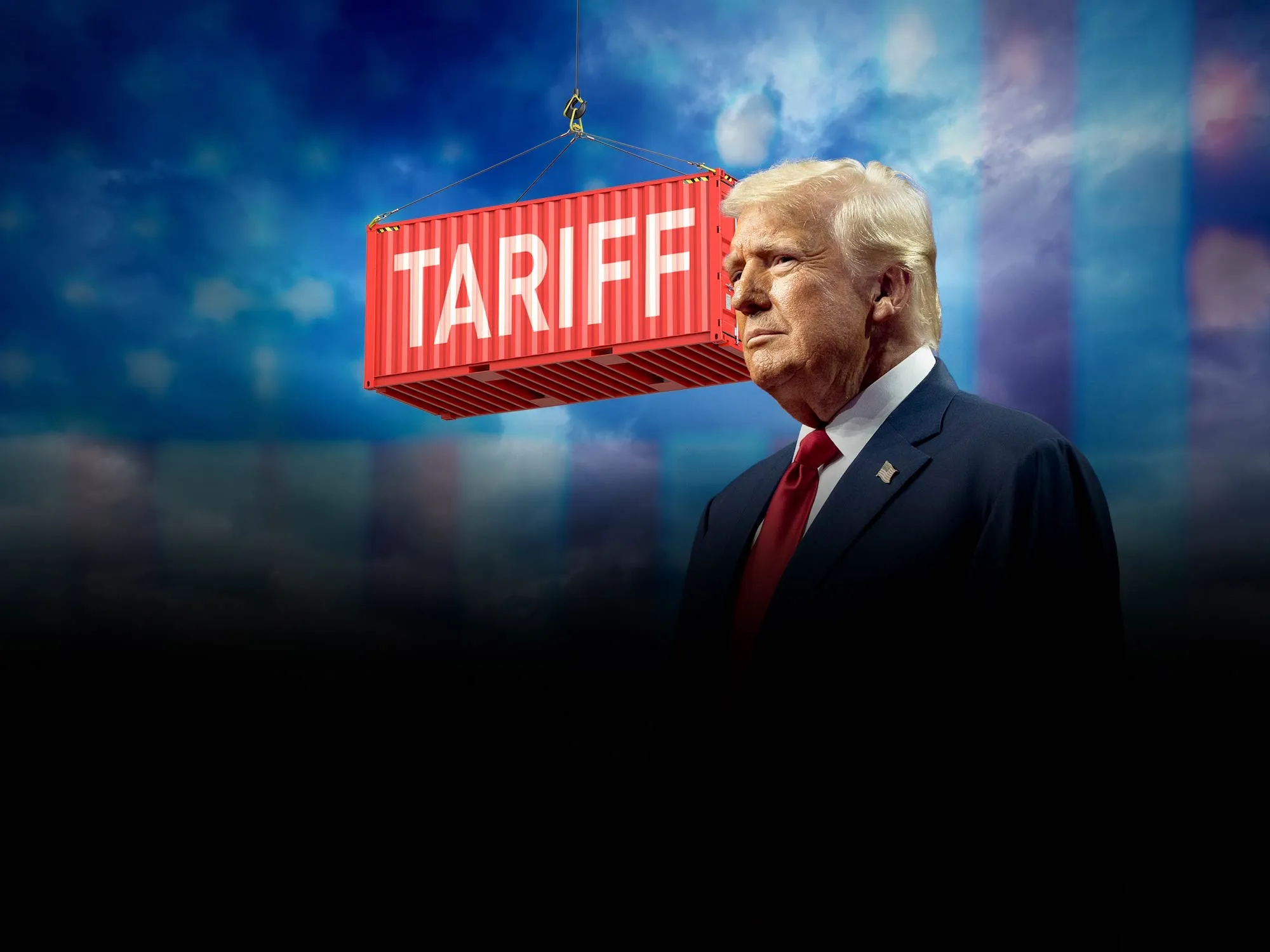
One reason foreign central banks are less willing to buy US Treasury bonds is the increased weaponization of US financial policy and fears that the Trump administration or future administrations might try to inflate their way out of debt problems. The freezing of Iranian and Russian dollar assets and Trump’s chaotic import tariff policy have heightened foreign central banks’ fears that they could be next in line for such actions.
They must be questioning the wisdom of holding assets that are within the reach of an unpredictable and unreliable US government. Meanwhile, foreigners’ fear of inflation has been fueled by the unsustainable path the US public finances find themselves on and by Trump’s relentless attacks on the Federal Reserve’s independence.
Treasury Bond Blues Turn on Bessent
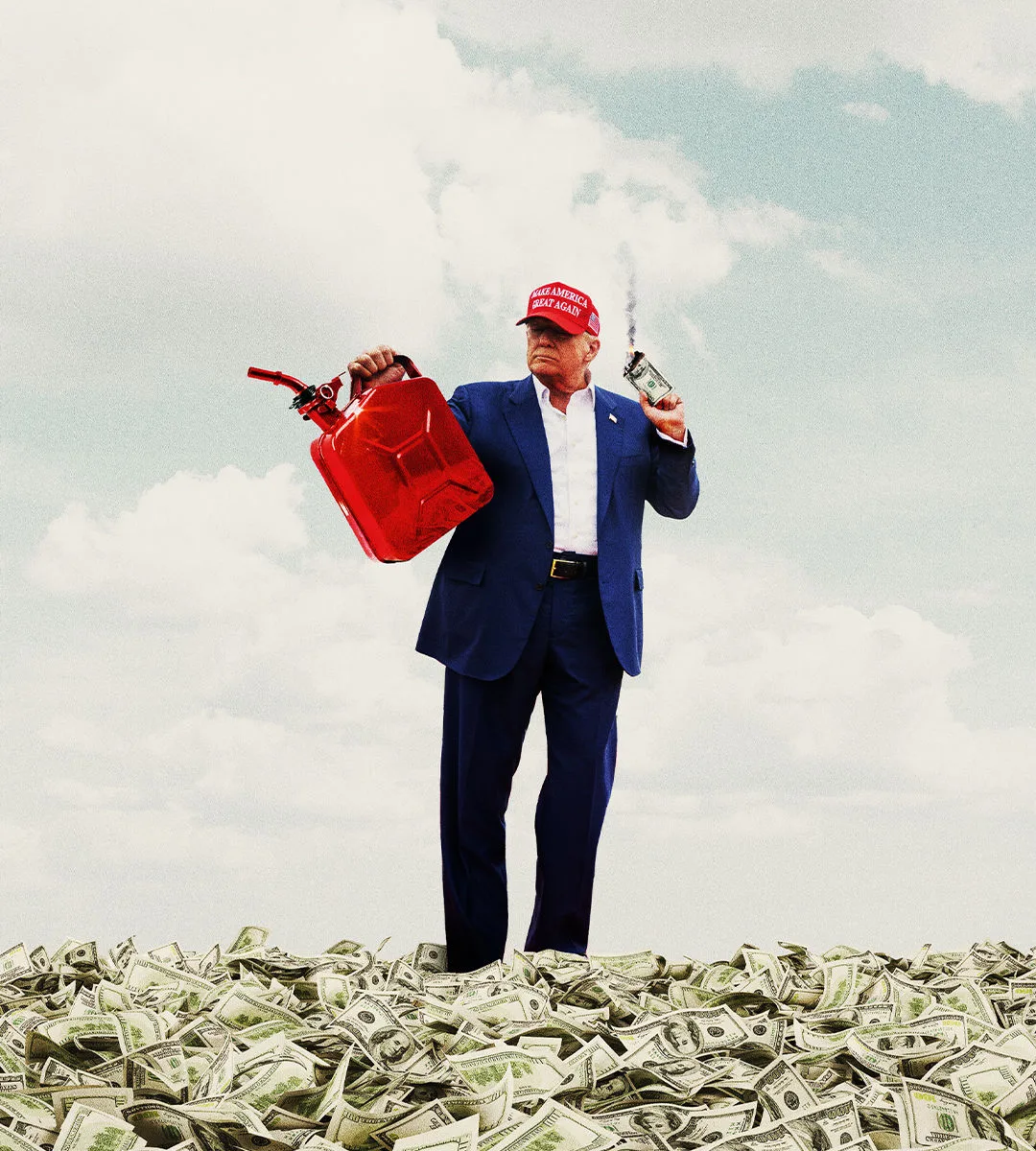
The last thing the US government bond market needs is any further erosion of foreign US bondholder confidence. Yet that seems to be what we should expect from Trump’s threat to impose secondary sanctions on any country that helps Iran skirt US sanctions. We should also expect the same from Trump’s 50 percent tariff on selected Canadian imports, as well as from his reduced military support for key US allies like South Korea.
It is said that those who live by the sword die by the sword. Bessent made his reputation, along with George Soros, as the bond and foreign currency trader who successfully broke the Bank of England during the Exchange Rate Mechanism crisis of 1992 (Black Wednesday). He now appears to be on the receiving end of those markets as Trump tasks him with both financing a gaping budget deficit and cheerleading policies bound to alienate US bondholders further.