
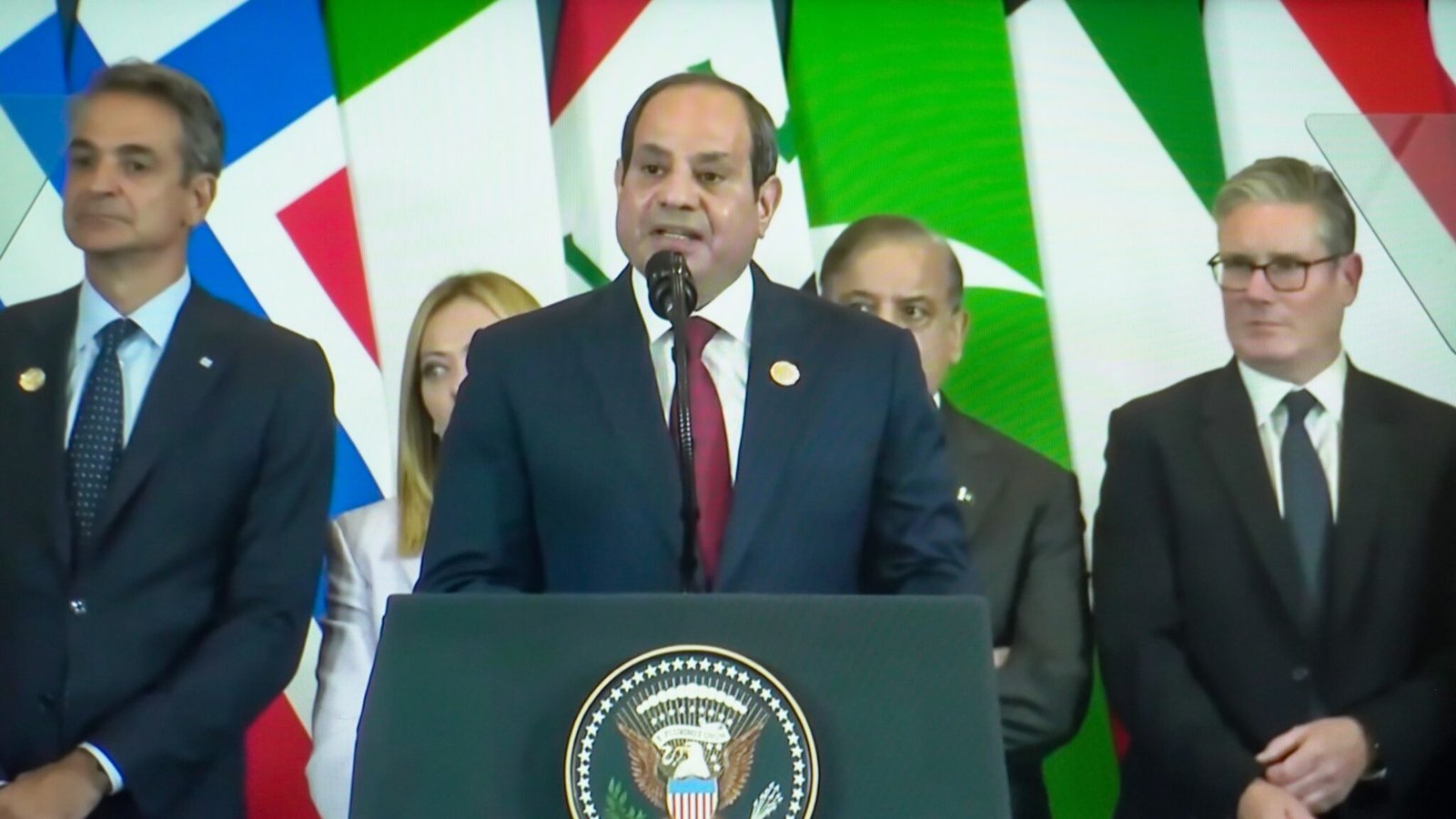
A profound strategic analysis detailing how the contemporary Middle Eastern conflagration creates asymmetric economic hazards and severe diplomatic isolation for Cairo, fracturing traditional Gulf patron-client networks and positioning Egypt the Biggest Loser.
The expanding fallout of regional conflict reveals that geographic distance provides no insulation from economic and geopolitical devastation, as Cairo now faces a compounding debt crisis and frayed alliances. Evaluating whether
Egypt the Biggest Loser is an accurate assessment of this crisis requires analyzing how deep strategic vulnerabilities undercute the traditional assumption of regional stability, proving that the ongoing regional confrontation threatens the foundational structures of the Egyptian state even without direct kinetic bombardment. This structural decline makes Egypt the Biggest Loser of a war fought miles away.
Egypt the Biggest Loser Triggers Economic Shock
Throughout the current war, Iran and its proxy militias have pounded its Arab neighbors with missiles and drones. The Islamic Republic hasn’t struck Egypt, which lies 1,400 miles from the front—but the most populous Arab country hasn’t emerged unscathed. The war’s long-term costs for Egypt may well be far greater than those borne by the Arab states targeted in Iran’s barrage. The war isn’t over, but it’s already clear that Egypt is one of its biggest losers.
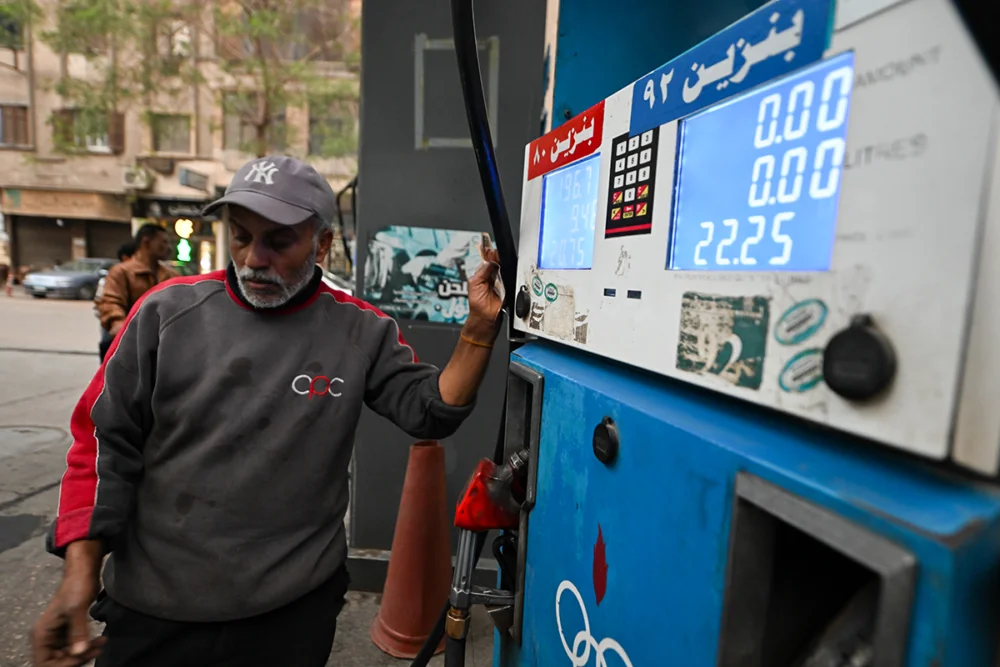
The most obvious casualty is the Egyptian economy, which, even before the war, was wobbling under debt stemming from President Abdel Fattah El-Sisi’s mismanagement and profligate spending. The foreign currency required to repay these liabilities currently exceeds Cairo’s foreign exchange reserves. To fill the gap, Egypt issues high-yield treasury bills—but billions of this “hot money” fled when the United States and Israel started bombing Iran on February 28. This year, servicing the interest on T-bills and the rest of Egypt’s prodigious debts will account for 64 percent of the annual Egyptian budget. A wartime spike in energy costs is increasing the deficit.
Gulf Bounties Amid Egypt the Biggest Loser Vulnerabilities
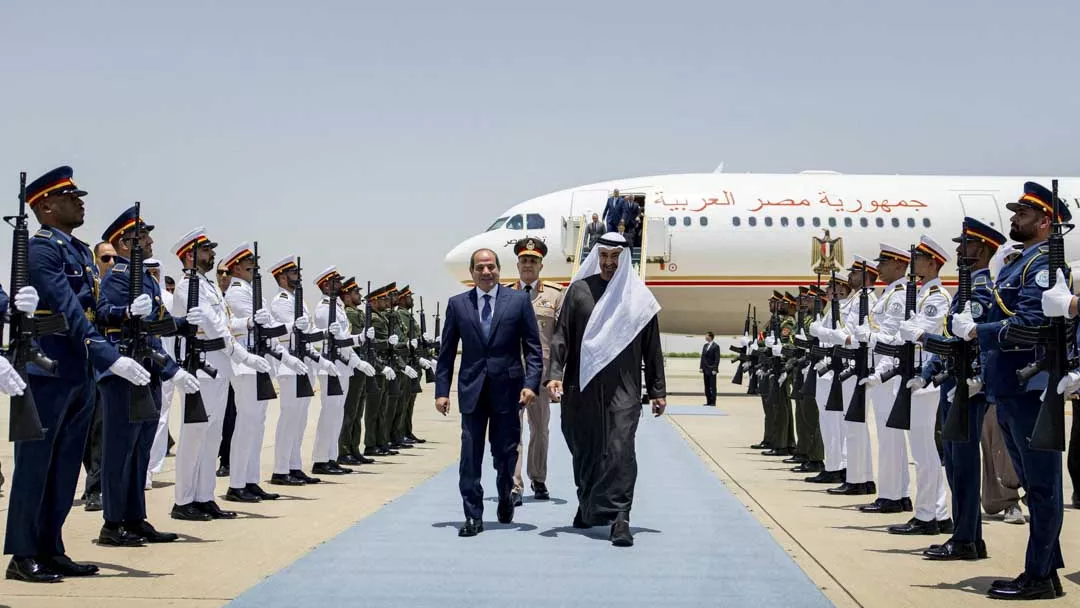
Many in the Gulf states have long viewed Egypt as “too big to fail.” To shore up Egypt’s precarious economy, the Persian Gulf has invested billions of dollars in recent years, buying up miles of pristine beachfront real estate for development projects. The United Arab Emirates and Qatar are separately financing $35 billion and $30 billion ventures on the Mediterranean, while Saudi Arabia is eying its own project on the Red Sea coast. Kuwait is reportedly in discussions to convert $4 billion in deposits at the Egyptian Central Bank into other direct investments.
Strained Alliances Confirming Egypt the Biggest Loser
Such largesse is now at risk amid the war. The El-Sisi regime condemned Iran’s attacks on the gulf Arabs and called for de-escalation, but gulf capitals saw Cairo’s denunciations as pro forma and pallid.
Worse, some commentary on state TV and social media postings from Egypt’s usually highly policed internet evinced notes of schadenfreude. One irritant was a viral post on X by Egypt’s former foreign minister, Amr Moussa, that seemed to lament that the war might benefit Israel’s regional position—without regard to the threat posed by Iran. After years of underwriting Egypt, the Gulf monarchies—most vocally the United Arab Emirates—had expected more. When he was campaigning in 2014, El-Sisi famously said that if Arab states were threatened, “we will be right there; we are just a step away.”
In 2018, he again declared that his massive country would “mobilize forces” if gulf security was “directly threatened.” But weeks into the current war, El-Sisi blandly reiterated his commitment “to provide all necessary forms of support to preserve the security and stability” of the gulf states. No meaningful support was forthcoming. The critiques of Egypt from the UAE—the top Arab target of Iran’s bombardment—were especially pointed. Amid the relentless fusillade, Anwar Gargash, the dean of the Emirati diplomatic corps, asked, “Where are the ‘major’ Arab and regional states… where are you today in times of hardship?”
Egypt the Biggest Loser Redefines Regional Coalitions
Egypt’s mumbling looked especially bad when compared to the support coming from other states that swiftly deployed troops and assets to help defend the gulf and other Arab states as Iran lashed out. The United Kingdom dispatched Eurofighters to Qatar to augment a joint squadron stationed on the island.
France positioned Rafale jets in the UAE to help defeat Iranian drones and sent a naval strike group to the Mediterranean to protect Jordan. Australia and Italy have also sent naval assets and air-defense equipment to the region. Most strikingly, Israel for the first time positioned an Iron Dome system manned by Israeli troops in the UAE. “We are not going to forget it,” a senior Emirati official told Axios, adding, “It was a real eye-opening moment. To see who our real friends are.”
Financial Penalties Shaking Egypt the Biggest Loser Aftermath
Few expected that Egypt would rush to the defense of Arab states under Iranian attack. Egypt has the largest military in the Arab world, but its capabilities and operational reach are limited. Still, given Egypt’s reliance on the gulf, Emirati and other expectations of immediate materiel support from Egypt were not misplaced. Reports suggest that Cairo finally deployed some air-defense systems to defend its leading gulf patrons in April. Egypt’s foot-dragging during the war could bring long-term financial implications.
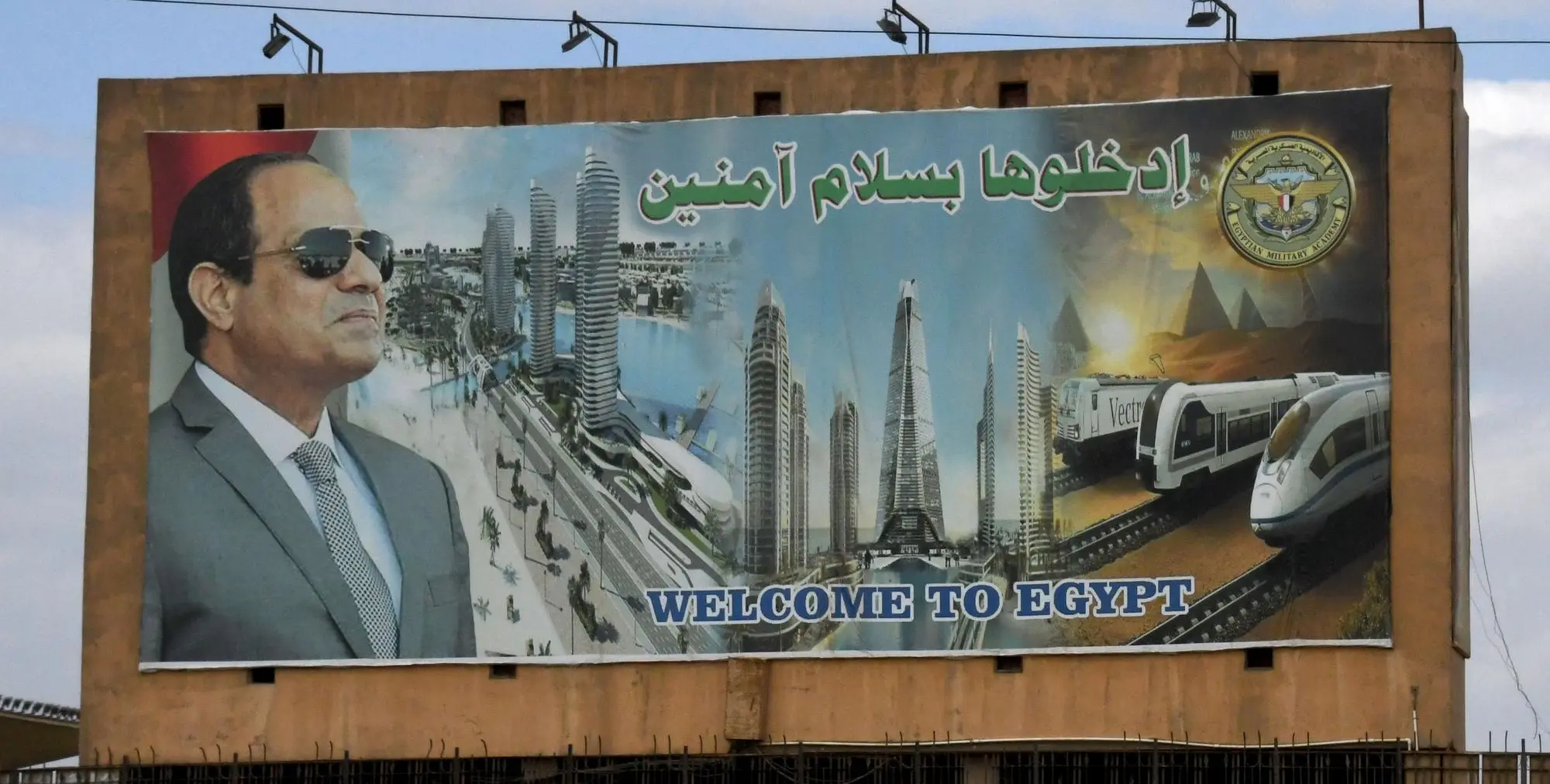
At a minimum, the UAE—which was targeted by nearly 3,000 of the 7,000 drones and missiles Iran has fired into the gulf—seems poised to punish Cairo for its absence. The UAE’s startling April 28 withdrawal from the Organization of the Petroleum Exporting Countries (OPEC) was a clear repudiation of collective Arab economic association. The exit is likely to presage a diminished Emirati commitment to upholding Egypt’s financial safety net. Saudi Arabia and Qatar—El-Sisi’s other two main benefactors—may be similarly frustrated, but they will be less inclined to act punitively. Egypt has sided with the Saudis in their ongoing rift with the Emiratis.
Even so, Egypt will pay a price. Before the Iran war, an economic downturn had led Saudi Arabia to shelve or scale back several mega-projects in the kingdom. In the war’s aftermath, energy export disruptions and domestic reconstruction expenses would mean that the Saudis and Qataris curtail their foreign assistance and investment. These gulf states have a long tradition of bailing out Egypt, but their postwar priority will be the home front. El-Sisi’s wartime equivocation will cost his country for years to come.